VideoDeconstructor of Fun
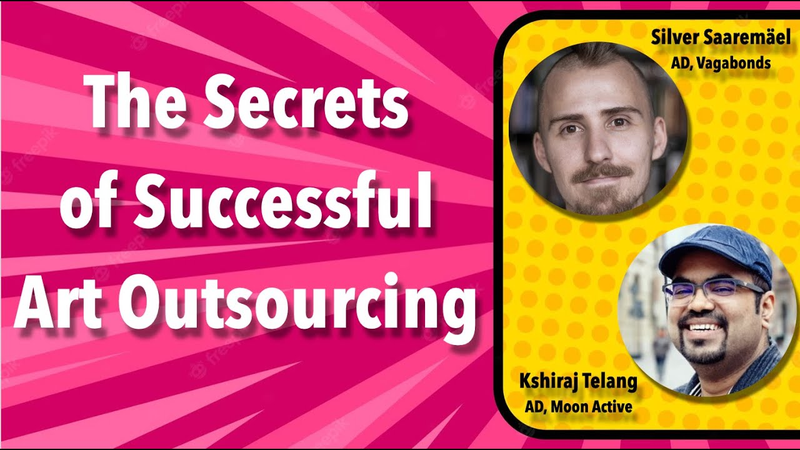
Art Directors Reveal the Secrets to Successful Art Outsourcing
8 Aug 202255 min video
Transcript
welcome welcome welcome everybody to the deconstructor fun podcast today oh first of all let me introduce myself your host michigan today we're going to talk about art outsourcing and how to be a top g when when outsourcing art so fantastic two guests first first first and first time on the podcast i got silver sareman co-founder and art director at fantastic vagabonds uh an outsourcing company that works with the likes of uh metacorse merge mansion i think silver you've made all the characters for that game we made it you made it uh works with starberry on tihar tara ceo of starberry has been on the podcast before uh works the likes like savage game studios an up-and-coming game studio um before before uh before fantastic vagabonds you were the studio 80 at snow print studios now you were you were the studio 80 at wooga's black anvil their mid core division
uh and you started your career like the essentially for korea started at crytek where you were a concert artist on games like ryze so a very impressive career in games and silver welcome to the podcast thank you miska long time listener first time caller it's been a long long time dream of mine to be part of the constructor family well welcome welcome and uh and we got shiraz who's coming back on the podcast and of course i worked with shiraz um one of my favorite 80s ever i can't say the favorite because you know but you know i'll wink that way uh kurt 80 at moon active a company that is printing money like the us federal reserve um before that 80 at rovio 80 at king and you started your career as the silver of india so you were working at many outsourcing companies and you had your own outsourcing studio so art outsourcing is um is kind of like
your your um your start in your career so shiraz welcome back to the podcast thank you so much uh by the way just a little correction i wasn't an ad at king um principal wisdom artist um i joined rovia as a director later yeah thank you so much those are just titles listen you were you were working with a lot of a lot of artists and showing them how to draw things with with that fantastic red red pen that the art directors use so i call that an art director thank you so much all right so let's kick it off and and start talking about just overall arts or outsourcing and um in general why and when should a studio consider starting to outsource art um cheers would you like to start yeah sure so i think the why comes from it's very hard for the studios to build a team which can keep working on project forever like there's so many specialized
roles uh one of them being like concept art which is only mostly required in the early stages of project and then it's hard for you to keep a talent for the whole calendar year or for long run overall where those specialties are only needed for a certain time period and your project is gonna mature and go to more phases so it just makes more sense to outsource where you can hire a specialist and get different kind of work done from them also most of the the art providers can really ramp up very quickly as compared to your own studio finding talent in your own countries is hard and most of the vendors are at countries where it's very easy to scale up so this is also just more easier that you suddenly showed up had a requirement on your project you require maybe even 200 artists for example and those countries are able to do that so that's also really benefits um of course there are more obvious things like tight schedules and deadlines and cost cost savings uh which are also
there uh apart from that i also feel the uh because they're specialists in this outsourcing companies uh they can raise the quality bar they can create stuff even better than the benchmark that you can set uh depends on the kind of company you're hiring so that's also very good and then it allows your local talent your in-house artist to focus on more creative aspects of the project they're more in touch with the designers the product team the marketing team they understand the game more and they can use their creative skills to not just to sit and make assets but basically contribute to more aspects which can benefit the game overall in the studio overall um one more thing which is not really a why but more like a benefit i feel is if you're outsourcing then you're naturally your production development process becomes way more organized because you adopt the habit of um for example building pipeline document and documenting your processes if you're not
outsourcing then you sometimes like the whole project get done and you don't have five pdf that can talk about how the project is supposed to be created but if you're outsourcing uh you basically have a bit more better processing and documentation on your side got it so a lot of a lot of reasons like you know i'm just gonna kind of summarize it with uh with just removing certain bottlenecks with the specialists uh your ability to really scale up or you know potentially scale down if need be uh very effectively um when you're gunning for a certain deadline it's uh it's a good booster on the side uh cost being one element because hiring is very expensive you have to find the talent you have to train the talent and and so forth um raising the bar overall for your art team if you want to get certain specialists like silver's team and they kind of come in and and bring something new that you weren't thinking about so that helps a lot um allows the team to focus on what is kind of the key for the
art team while you can outsource a lot of uh sort of um i would say bread and butter a meat and potato type of a work on on the side or something that you already know is just in the content treadmill um get new ideas that's one and then finally the the documentation part silver anything that that that wasn't mentioned here that you want to raise significantly like cross could write a master class why and how to outsource so i figured like my role today is to to kind of like ask why shouldn't you outsource and uh coming from a point of view of being a specialist myself who usually is brought in to fix a problem and then you know leave the nest tidy and let the project run on its own course there's still many times that i work with like sea level and thunder level people that i would say no you guys you should not outsource uh because the aims of the project do not align with aims of outsourcing and one of the really big ones why
outsource is that every time you do anything outside of the studio you're not actually building your company value or your company culture and the talent inside the the company to handle these projects in the future you just kind of like you can you can you can you can clean the problem away but if it's a fundamental problem of the company then it will just come back and you'll end up being dependent on an outsourcing company that might not want to work with you in the future so there are lots of things to consider always on a higher level strategy wise as well i also can know so basically what you're saying is which i if i'm if you're saying this i agree if you're not saying this i want to understand better uh so so you're saying that you shouldn't outsource something that you technically couldn't do yourself meaning that that if you start outsourcing certain
essential parts that you could you could be and should be doing yourself um then you're you don't have that competence and then you're reliant on the outsourcing partner and you're not really building your own capability so as an example i don't know let's say um let's say you are building a game with characters and you're fully outsourcing the character development part where you don't have your own visual development artist or your own concept artist you don't spend a time on aviation you just send simply send uh generic ideas from your designers to an outsourcing partner with certain specs and they sp spool you out like these generic characters um that you know is that kind of other thing and then what you get is a generic result yeah pretty much because um there's no ownership on on that side but also you know what happens is that that partner decides that they don't want to be a partner anymore like they get another client yeah uh and now you kind of like your workflow is is cut completely and you can't pivot
in the speed that you would wish to go with the production and then what they normally don't even do is they don't do that what they do is they just staff up with junior artists and remove the ones that you were working with initially so you're like why did the quality go down i'm working with the same partner yeah but with the different people and that's a that's a big difference um yes so so that's a that's a really really good point is is um outsource only when you've kind of covered the key roles in your own team um and that you know that you do you have the people to run the outsourcing would that be a way to put it yeah and uh yeah it's a commitment it's you can't just hope that it happens on the side it will take you time and focus and uh a lot of thought to do it properly and it's just the same amount of commitment and to any other member or a group of members joining your team it's just externally and uh and depending of the strategy of the
company at that moment you're not investing into your own company you're investing into somebody else's company so that is also the you get something faster but yeah you lose value and um and kind of like jumping to the next topic like when is the the right time to outsource or is any phase of game development a right time for our outsourcing meaning from early um let's say concept development uh slash prototyping like not you shouldn't put art into prototypes but uh say like the early visual concept development of the game the pre-production the production the live mode are all of these phases ripe for outsourcing or would you kind of exclude certain faces well every project is so different that i'm going to say i've been in i don't know 30 plus projects and every every one of the mod sources in a different state and because everybody has a
different team composition um so it really is like when you have such a critical point that you really cannot do anything else or you need to keep momentum going that's when you make the call it's it's a case by case um it's it's more of a say outsourcing is a isn't it's an art form rather than a a science got it so let me let me ask you like this would be like my process and do tell me if i'm if i'm wrong regarding these these different phases of development so uh i would in the beginning i would focus on getting a very good visual development artist or potentially art director who's really good at drawing and that will be like the first hire that you need for a game team to start creating sketches about where you want to be going at that point already it would be nice to engage with either an outsourcing studio preferably even with certain uh individual swords for
hire kind of like very unique type of art station superstars who are focused on visual development because they have a very interesting style and they can help you to as you put in kind of get out of the box and bring in new ideas new looks it might be something you're going towards it might be something you won't be even going towards but they help you to think differently and the art director is riffing with them all while the designers are thinking about the game writing the documents the programmers are putting in different uh prototype assets but the art director or the visual development artist is kind of bouncing between with the game lead with uh with externals and and really uh figuring out the direction with a pen and with a little marketing campaign with friends from geek lab on the side that will be the early phase uh shares what do you think about that approach yeah i agree uh there's something which i uh when i compare the games industry versus for example films and animation um i think well animation industry also have those same stages where there's early
exploration narratives are being written the stories have been written and then there's this pre-production phase where uh storyboards and character designs and model packets and stuff is made uh and then they start with the actual animation be 2d 3d or whatever animation form in the animation industry there's a longer length for pre-production schedule-wise like you get more months and you invest a lot into figuring out your art stride when it comes to game uh beat mobile game i'm more familiar with those as compared to consoles and stuff there's relatively a very small schedule that you have at your hand that's the reason because most companies which are developing games uh unless they're really investing onto creating something so unique and different they have a genre mastery on that kind of like direction that kind of game that they want to do they also know their reference so it's very easy for them to immediately from prototyping to push to production and it leaves about like just two three months for the art director and the wiz dev artist to come up with like various directions of style
explorations and things which can set for the whole production and in that case if for example if your wiz dev artist is just comfortable with one style uh maybe they might just end up because of the time schedule to only explore in a certain direction but if you outsource at that point of time then you can reach out to a bigger company for example and tell them that hey like this is our vision and we want to create three examples of splash screen that can show us the tr and could you try them in three different styles for example and then in a limited time frame of these just two weeks and three weeks you can probably get like more uh broader explorations um for for all your market tests and stuff like that in the beginning yeah that's a really good example of of solving a million dollar problem because you know that that there will define your company's uh production plan for the next couple of years if it goes well yeah and i wanted to give a shout out to silver's team like silver's um like you you essentially allow to outsource
almost like our direction at the beginning uh so when you come in and and we didn't mention like your co-founder is your wife so that's uh that's uh you're in for life for this company so um so anyway so um what you guys do is you do a lot of documentation as that's as share as mentioned and that that is really helpful because sometimes when you're in this early phase and you're trying to figure out what your game will look like you don't even spend as much time in doing documentation or if you don't have an art director that is um you know that has the uh the experience of doing these art documents uh it's it's actually really good to engage with with the companies like like vagabonds uh that help with uh with documenting documenting that stuff just giving you a shout out um anyways so uh so with the uh with the pre-production phase uh let's go with that and like typically at this point what i would like to see from from the art director is that they have tested the art outsourcer and found the
the pro the you know the main art outsourcing partner so if you use freelancers in the in the first phase in the pre-production you have to already have tested with creating assets not only as a team but you also used your your outsourcing partner maybe tested two to three different versions and found the one you want to be working with establish the working relationship and now as the as you move into production you know that you can scale up with them um comfortably is that the uh the the kind of role of outsourcing in in pre-production uh i could go so on pre-production i still believe that's like if you're really comparing the uh prototyping to production and live i think pre-production is the phase where you you actually use less of external vendors and it's best that you try it in-house a bit more so that you are ending up choosing a pipeline where you have your own experts in the directors in-house
so you can relay the feedback and things like that however like you said you can create some assets and then with the help of externals you can try and validate your pipeline so uh because in the first asset creation may be definitely gonna take a bit longer so what you can do is you can validate creating five more assets with the help of an external vendor and try out whether the modeling cycle the rigging cycle and animation cycle and technical aspects and everything uh are working according to how we are planning the schedule and you can validate your pipeline with the help of outsourcing at that point of time yeah this really depends on what kind of a studio size we're talking about outsourcing as well like uh my studio is a it's a fatigue solutions we're kind of like the hitmen that come to help out in critical moments uh so so we usually help out either in debris production or post-production really like uh so in pre-production if you know the internal team just hasn't had a chance to to get that concept artist that can do multiple styles or
figure out a style or you know everything is going in a loop it's been two months already and there hasn't been a decision and you just need someone to come in and make a decision and package it nicely that's you know we come in it's done and the project can move on due to the production then and that's when you need a bigger size company than mines a really big one that that has the guns to do to to get the the game out and in the schedule needed and then usually we come back in uh in post-production when you know you have all the game but it's it's a mess and people have worked on it for two or three iterations and like it doesn't make sense and people are not uh like the team is not internally agreeing what it should be and it needs kind of like like a new brush strokes of branding and uh and and consistency art direction to put it all back together and kind of uh bring new new clothes to it essentially and and um that's where we're kind of like a smaller very veteran team can help out
again as well kind of refocus the team and by the way silver when you guys come over uh with your group of assassins in in let's say pre-production stage do you at that point well when you you know you help the team you get get them on board but do you at that point also review kind of the team composer because oftentimes um quite often times actually in my experience game leads don't know how to work with art directors or haven't worked with our directors before and don't you know i remember working with properly with our director for the first time where the art director actually starts reporting to you and not being a peer and they don't have an ex they don't know bill i don't know what to ask so do you help them at that point to kind of review the team a little bit and and uh give them a little feedback on how they could restructure their core art team yeah well yeah yeah of course um so my best experience in the industry was working side by side uh with it with a
dreamworks art director who who came to crytek for for a little while to help us out and it blew my mind because the amount of professionalism when it came to not only managing product and art teams at the same time it was very educational and it's it's very rare to have that sort of uh chances to learn that in the industry unless unless you're in the same space or or working with somebody who who can talk to both products and art at the same time usually art director's focus is so much in making sure that the art looks pretty that it becomes almost neurotic and uh and forgets that the the the needs of the the product and the financial needs of the company as well um so so when you do have someone who can can't get that it's good and occasionally the artist will also learn from that and and try to fill that role afterwards
yeah yeah that's that's absolutely you know uh a challenging thing like there's so the the most challenging thing about our directors is that it's um it's a well-known title but there are so many different people that have this title with so many different backgrounds and so very very different ways of working it's almost like saying a game lead or a game director like every one of those is very different so that makes also working with our directors or especially if it's the first time that our director is reporting to you and you're a game director it makes it very difficult because you might have experience with working with certain type of an art director that has certain type of experience so let's say you work even on a live game and the art director there was more production focused person not really and then suddenly you're put in together with a different type of an art director who maybe is coming from the concept background or lo and behold has a graphical design background which is kind of i'm not going to say catastrophic but problematic oftentimes
and then and then you end up in a situation where um where the waves are working are just totally different and that creates a lot of problems so um do you yeah just um anyway just uh yeah we we have so many different titles from from head of art to to to the game art director to outsourcing art director to uh you know brand art director as well and so it can really depend on on the function and uh mobile games are so small teams that one person is expected to do everything um but the chances of having that team member who is uh capable of doing all these different parts is also difficult so it's it's up to the art director to be very capable in pre-communicating what are the the parts where they might need help and in in your experience like both of you what is the best type of a kind of upbringing it's not bringing the uh the
career path for an art director that is really good with outsourcing partner is it the art director that comes from the concept background is it the art director that comes from a 3d technical background is it a director that comes from production background uh or what kind of an art director back is there a specific or is just uh uh sure as you wanna yeah um i think anyone from any specialization can fit in there are a few more traits which are needed like um one of them being organized for example like how how well you can document stuff how well you can communicate how well are you worse with explaining your processes and things and your expectations uh with the other people so that that's definitely needed like if you i mean if you are not able to make good documentation and the vendors are still unclear and you can't answer their questions uh it might just make it hard no matter whatever your special ideas
also one of the things that i have seen as discussion in my previous companies where we have rated those people as better art directors who are not being biased on their own internal teams and having the same amount of um care and inclusiveness for externals uh i'm gonna i'm gonna give you an example i've seen that there have been some people who would probably favor more of their own in-house artists uh even ignore some of their art mistakes and stuff just because they are more friends to them like their own team they work together obviously and they're super brutal and strict on externals when they're doing stuff it might not happen with everyone but sometimes there can be these cases and this is where you need to know that you are you are basically being fair with everyone and especially taking more care because there's a lot of information that you would know or working on your own project which definitely the externals might not know so they require
even more attention um in my words yeah i completely agree it's uh it's very easy to think of external partners as like you you lose humanity in them because you don't work with them in a you know there's like random channels you just have the professional kind of you get stuff and you give the feedback but you don't know them at all on a personal level and you don't have to adjust your own behavior to make sure that socially you're making you know they are doing well um which quite often grows resentment actually from the external artist side over time and uh they'll give them motivation morale is not in it you're not going to get great work and they're going to start looking just with you know either projects or companies and then or then you get the junior artist switched into it and uh so it's a it's it's a it's it's very big part of that
doesn't matter what that the initial artistic skill behind the outsourcing art directors is it's it's important to remember to be a human being that's tough for many art art directors so not only do they have to be nice internally but you're asking them to be oh so nice externally i don't even know how they're going to blow off steam anymore and it's it's very hard to be an art director because every artist is extremely fickle and very judgmental towards the art director they work for as well so you're under constant peer valuation and is your feedback valid anymore like if you can't paint maybe you're not a great artist anymore maybe your feedback is done uh so it really depends on on yeah yeah i i well you're absolutely right like i've i've had to let go once an art director because the team that the art director brought in and had worked with before uh they're all they were all senior and the art director was
really good revolted against the art director at one point and said it's either him or us and that was uh that was i've never seen that before it was like from the old sailor stories where they had to captain overboard and say we're gonna go different direction and um you know all of them were fantastic uh individuals even the art director who left is still a fantastic art director but um but uh as you said artists are very fickle and the more experienced they become the less they take so that's uh that's a that's a challenge with uh with uh with experience our teams i remember being a junior concept artist and uh revolting with the team against our art lead as well it was like we got the animators together the 3d artists together and we just went to product and said that no we're not being lit well yeah that's uh that can happen never let again uh in my humble experience of 13
years in games this is the number one title of uh that i've had to let go from all the companies so it's a it's the weirdest uh but also when you find a good art director you want to keep them no matter what it's uh it's a fit question it's a it's a challenging one but as you said like even even the great ones get sometimes um you know the team revolts on them so hard hard stuff um okay but let's talk about we're steering away so um learning point when you have an art director who runs outsourcing make sure that that art director is not an very important point uh okay so um how do you find then the right outsourcing partner like do you like i know that on let's say dof slack channel there's once a while there's a message like hey does anybody have a good outsourcing partner we're looking for this that or asks a reference about certain outsourcing partner but uh you're the art directors like how do you go about finding and or used to go about finding an art outsourcing partner um silver can
you start it's a very nepotistic industry it's like friends they're they're their opinion matters the most and uh because we know they're not gonna put us into a bad place uh but that of course becomes problematic if one outsourcing company is doing really good job they're gonna get all the business because their reputation gets so good and then they have to expand so fast they can't serve all the the different studios that come after them anymore um so i don't know i i feel like i feel like you could as long as you have reputable um recommendations behind it and after that you have to take it as any other relationship that you're building that there will probably be failures along the way and it's okay and you just have to build the relationship going forward uh like you would with anybody else you hire inside and you give them a chance
not just like hey it didn't work out for one month you know like got everything it's more like no no let's let's get together let's adjust and let's plan for the next two years so so basically find somebody who has a recommendation and invest into that relationship okay uh hear us uh you have probably a long list uh no i think i mean lexi was said i think um the most uh most common one is basically referrals from from your friends or your peers like the first thing that you do is when you're in a studio or any company you just go and ask around and ask like do you have any reference for the kind of companies that we can work with some of the companies like which you have joined have already worked with some people before um but one of the things which i do is i sometimes maintain my own outsourcing list it's constantly expanding as people reach out to me on linkedin and they offer their services sometimes if i have some time i go over their portfolios and tag them into my my
outsourcing list to use in the future um and it has been helpful for me there was a moment when i was at rovia and we are trying to find who can we work with and it was just easy for me to go over the list and i didn't have any preference on who to outsource built on my own plastic skill and we chose a couple of those um also um there's something called an xds event which is external development summit it happens in canada and it's a game game industry event related to external vendors so there's a lot of gathering of companies which are coming over and offering services it's like a gdc for external vendors kind of like thing so if you're really looking for partners and you don't know who to hire you could go over and attend that event and i haven't been that so i don't know how that is but uh that's something which i've got to know from one of my previous line manager anandu banerjee from india and he mentioned that it's a good event and they generally participate because they're vendors there so that's also quite nice
so yeah and uh what i also know is maybe some bigger companies they also create outsourcing portals on their website so for example if you're a service provider you could just go to their website fill in the form and enroll yourself as a potential service provider and then they have their own database with them maintaining it just like applying for or for a job and then they review you and probably consider you for next projects and um what what about what about things like language time zones the type of style these are these these studios have uh the type of game studios they've worked with price um what about that like do those come into our account yes so the biggest decision is they have to make is are you looking for more like solution providers or asset creators because if you're looking for solution
provider you would probably want to go to a company which can do more communication with you back and forth they can own that project as much as you and offer solutions and then the other one is where you clearly know what your roadmap is you have some benchmark assets and you just want 200 more produced and you provide them the documentation you agree on the schedule and get the work done so this will define on the kind of partners that you can rope in with um as far as the time zone is concerned again like uh depending on how many conversations you need to make how much of detours you need to take on your project and a lot of consultancy in that case it's a bit more preferable that you can have more calls with them and the provider is more on the same time zone and or else have a flexibility when they're available more for calls otherwise if your plan is clear you clearly know what you need to do then this kind of like follow the sun kind of like loop works better where you are in the day and you are looking at 200 assets being delivered you are so supposed to send feedback by the end of the day and then once you're gone they
work on your reviews or new assets and then 12 hours later they send you the next step so the cycle between like american india kind of like time difference really works um pretty well that makes that make sense um okay so let's say you're kicking off art outsourcing what does the uh internal team have to look like now um typically the way i've tried to approach this is um to have the sort of you know the how do i put it the skeleton crew or all the uh all the elements of your art production are man so if you're doing characters then you have to have an id you have to have a concept you have to have a 3d you have to have a technical artist you have to have a um you know 3d4 environment 3d four characters uh you have to have animation and those are all internally so you're able to make a character in an environment yourself and then only at
that point can you move into an outsourcing phase because you've known how do you make your own characters uh your own environment and now even this sort of a crew of five to six people can actually be scaled up to 25 because they can do in parallel several characters where one 3d artist is modeling their character but actually looking also at two different characters being modeled at the same time and giving them feedback and that is happening at every uh station as the uh as that goes through is this the type of a way of thinking or can it be different ways um silver if you could start there's going to be a lot of questions uh coming in your way once you start outsourcing so the most important thing is that you need to have a committed person for all this time to do to like take take on any fires that come up um i totally agree with you like you need to
also know how to implement these characters or how how to do a character myself before you can tell someone else how to do it unless your strategy is that no you guys figure it out we'll just implement implement whatever you want to put in there and that sometimes happens it's like you can go and say hey we want a supercell copy style you know you figure it out that's all up to you but but it's very rare and it creates a lot of critical risk points at the moment like with implementation and the technical side of it so it's not advisable and that's why games aren't usually made that way um but but yeah the most important uh person is someone to to to navigate all these things to answer any questions that the department might ask them yeah i mean once you start outsourcing the costs start going pretty fast the amount of content starts flying in uh if you don't have anybody who's in control of that you're just going to end
up losing a lot of money in a very short amount of time and just getting a bunch of assets in return that you're not going to use in your game i've seen that happen uh one too many times uh she has when you think about the uh the sort of critical roles in the team that is uh outsourcing art what will be i mean we spoke about the director in the role already like you mentioned about it like the person who has the experience and then how to communicate and set expectations i think apart from that there are a few a few more roles uh in the art team as well as in your studio which are sometimes important depending on the kind of outsourcing you're doing like having an art producer is super beneficial i have always relied on having an art producer alongside with me who's basically doing all that kind of like legal paperwork setting up contracts um agreeing on ndas with with the companies and for example also like scheduling these meetings and preparing a delivery schedule like the expectations uh also there are so many things to take care of like when is the holiday calendar for the the
company which is going to work for you and you time accordingly so you know already when your holidays are coming you know your own holidays and you can communicate that to the company and tell them that hey we are going to be absent in these days and don't expect feedback so planning is more efficient that ways that that has happened to to to my company a little while ago that the client didn't tell us [Laughter] it was it was uh mildly annoying [Laughter] yeah well must be a finished company because if if they were on a holiday and everything was closed down that sounds like a nordic company at least i say nothing please please go on yeah and uh by the way i mean of course like we mentioned that there should be a couple of experts in in your studio at least who are who are there and uh even if like it's also provision of work there are so many things that you have to do you have
to answer complex questions uh coming from the solution providers who are asking about process or stuff like that um you can also sense some dip in quality so if there's some drop in quality from the provider side it's your expert in-house who can tell you that hey we feel that this is what's not working now and we need to fix it so that helps in giving more appropriate feedback also the vendors can sometimes take the art to the 90 satisfaction level at a very fast pace but then the last 10 percent uh to get it perfect it can take too much of back and forth sometime it can take the same amount of time it took in order to do 9 90 and in those cases i prefer we just announce that as a proof ask them to deliver the file and then fix those things internally like that's the best thing to do uh so therefore also having an expert in-house is good then obviously there's an i.t guy if there's some pipeline and your version
control system that someone has to follow and providing them the tools and stuff and making sure that licenses are in place all those things are handled by iit people so that that's generally also required and depending on whether you need a translator or not like if it's just japanese company that you're working with and stuff like that then they would probably prefer to have a translator in-house who can help with any kind of like cultural or language related barriers yeah yeah art producer is good that you mentioned that that person is is very much needed especially during a during a point where where work really scales up and the art director is being torn to all the different directions now they have so many so many elements the game is probably already in production or heading in production and if they don't have anybody's you know helping them out with schedules and emails and all that stuff then they don't have time to actually you know art direct so uh very very good point um you know we've talked about all those
things like i'm i'm always curious about the other pitfalls or like the biggest mistakes you've seen uh not naming any names but but um but like there's there's a lot of things that can go wrong with outsourcing because oftentimes people who haven't done art outsourcing before or maybe have done once and it went really really well they kind of see it as um as i don't know mcdonald's you just go in and order some art and it comes out and that's good enough and everything is hunky-dory but oftentimes what i've seen is is just a lot of waste of time a lot of waste of efforts and a lot of waste of money sometimes of hundreds of thousands when somebody pushes this acceleration button without having really the rig that you can accelerate so things are not done but you want to rush you want to put stuff in and then that rushing just costs you time and money so i'm curious to to hear about about like what are some of the pitfalls when outsourcing art
shares if we start with you uh with me all right sure yeah so one of the things which i i see most commonly happen is uh the providers lose talent uh who got them the gig obviously it's like a competitive industry there might be more uh career opportunities for good talent uh even in the countries that they're working for from and uh they would easily see job and the people who actually got you that project they are no longer in the company um so that that also brings in a lot of drop in quality uh sometimes like the like in every provider company there's like a team a and team b so the a team is the best people who are who are very good with work and then there's a team b and most commonly what happens is team a is put in at the early stages of the project when you are building the relationship with the client and trying to make them happy putting things into schedule even the ads are more watchful about the quality and also it's better to have teammate there and then after
you have built in some relationship things are ongoing you put that team a into new uh relations and new projects and then team b comes in and that's where also some quality drop happens uh which is uh very common to take place uh another pitfall i feel is uh that most of these uh outsourcing companies they are a bit hesitant to deliver something out of the box uh they generally tend to follow what have been instructed to them they fear about and even their processes are not so flexible like everything is on schedule the whole operation for business and success commercially is driven by the plan of how work is being done so the artists do not have the freedom on the those side on the companies that they can try something different other than what's expected because that would just create a new task and a new initiative to be taken care of and it might not probably get approved so something out of the box is a bit hard to receive from from the vendors in my opinion and another pitfall is
definitely also people hesitate to ask questions sometimes not asking early questions and making a lot of assumptions so that also creates some some confusion and something that could have been simply got figured out by asking a question taken as an assumption and get done is also a problem that happens and one more problem which i have seen happen is uh there is always a bit of risk of use of illegal softwares and things which are not acceptable at work and getting done like it's hard to monitor whether everyone on the vendor side is using the right tools and using legal software and tomorrow if an asset got made from um like for example by an autodesk tool and autodesk recognizes uh that this this was made in an uh pirated software uh then you are at uh at a big trouble so that that's also one of the the challenges or maybe someone using an art from the internet and over painting on top uh and then just sending it over and
it has a watermark or whatnot or maybe like fonts or something used as a typography somewhere and those fonts were not meant for commercializing so monitoring those things is a bit hard and security wise it's also a bit difficult and those are also one of the pitfalls yeah i wanted to ask another question like how do you make sure that the team a stays on the project is it that you like is it through like you just ask for direct communication with with the artists who you work with or you think they will they're going to do that i mean it's a relationship that you can build with the with the client and they can tell them that okay it's understandable you're going to do that let's make sure that the second team which is going to come over in next days they get properly trained from this a-team they understand so that transition and the knowledge and everything is smooth on the and the vendor side and uh
even if you are paying well in everything like um they require more clients and they they want to develop more and more so they're going to do that i believe got it yeah every vendor has to to make sure that they're also building team in-house as well and the only way you can build the junior artists is to put them in the fire and uh it's it's you can't plan for it really well because no client wants that but uh you have your own uh ecosystem to take care of as well and then silver uh since you're working now as an outsourcer with partner so from your perspective what are the pitfalls that you're seeing you know that that are well there are a couple of things that come to my mind uh one of the more important ones feels that quite often whoever is responsible for the outsourcing it seems like they don't actually want to be
doing that job like it sometimes happens that you know i don't know art lead our director wasn't doing so well so product kind of like comes in and says let's start off source uh you know it's okay you know you don't your ego does not have to be heard about this because you're controlling them so you know you're making all the calls and you're directing them it's not the initial way that the art lead or art director wanted to do it in the first place now they just feel like a glorified outsourcing manager for somebody else doing that fun fun job they want to do first uh so making sure that whoever is like taking care of that communication taking care of the planning taking care of the vision really likes to do it and cares for it uh otherwise this is going to be like really really really critical feedback for the external artists uh just negative uh communication and team building and uh
these artists have feelings as well and they'll start feeling like no i don't want to work for these guys they don't even want us to be helping them so um make sure that you make the external partners be part of your team i like the games industry is quite new so nobody really expects that we're here with each other for the next 20 years but if you look at hollywood as a model where where all different studios are constantly coming together to make movies and they work together and they're in the in the 60s so you end up working together one way or another at some point anyway so so make sure that you know you're you're in good terms yeah that's uh that's that's a very that's a very good point uh that's a you know fantastic point is like you have to be ready for the inside and and there are right motives for for doing it because if there's if the motives are wrong then it's just going to screw up the whole process
and it's more more common than that yeah yeah yeah of course of course you know um all right so before i let you go i want to kind of like summarize everything into a list of three so sure let's start with you like what are the three most important elements everyone should keep in mind when outsourcing um setting clear expectations i mean what i mean by that is like defining the roles and responsibilities on both sides so that's super important having a good documentation uh again very important and giving timely feedback that's one of the most important thing especially the vendors appreciated if that's happening so these would be my three things silver uh my most important one is are are you and is the team having fun because we're still game makers in our heart and you know we were super passionate about this and we
all want to make the game the that that sparks joy and and billions of people and uh at the moment it just becomes a just a grind uh that everything else suffers in the artistic space at least um what are you learning from external partners because if you have to invest into an external partner you might as well take some very critical skills out of them incorporate that that into your top core talent so maybe in the future you don't necessarily have to be less dependent on them but you have that that growth now that you became stronger as well and you understand that so you don't have to have that red red alert you can't lose them ever certain moment in you and are your external partners having fun as well because that shows in the work and uh look for look for people who who who care for the kind of games that you're making and the kind of products and the
sort of chandra as well the moment they don't understand the audience anymore that also starts to make the arts as bad and no matter how you feed back it won't fix it well that's uh wise words from silver uh so fun as as you understand on deconstructive fun is really important so fun both internally as well as with external partner uh that's yeah when people are having fun they do a better job and when people are having fun they're more creative uh and they solve problems better so 100 um gentlemen thank you so much for for sharing all these insights um i'll put in below in the podcast description uh your linkedin profile so if people want to reach out they can find you on linkedin they can probably find you an art station and um and um yeah any anything on your side that that you want to promote so shiraz you're probably hiring hard for moon is that correct we have artists all
around the globe so anyone who's suited to us and wants to work with us just reach out we can make it work everything pipelines are from right from concept to production and obviously we have the top talent the the artists are really skilled but it's a great culture where you can learn and grow a lot and fun to work from any country so that's that's our motto and it has been super nice of her uh well we have people in tel aviv as well and more offices but yes uh when there's a good talent that can work for us we don't mind the location got it and does can everybody go to troy and horses a unicorn yearly yeah perhaps perhaps so that's up to negotiation um silver um what do you want to tell the audience
so uh the the fantastic vagabonds we make the world's best gaming brands with the world's best people so if you have that uh one million dollar bro problem that needs solving maybe one of the vagabonds can help you out and so always uh reach out to me and so we'll make something fun together silver is currently in berlin he was in portugal next he's going to be in estonia so he's like uh like a european spy just moving around in different cities so you can find him uh on this continent or on other continents with his fantastic team all right i always wanted to be a spy as well the spy is a good profession i don't know these days but uh but it's like a second after our director anyway this is all the ruse i'm thinking more like a james bond type of a spy i think the other real spy might not be that fun uh anyway thank you very much for listening uh thank you again for silver thank you again to shiraz for coming back on the podcast and if
there's any questions just directly connect with the uh with the fine gentleman here and consider hiring vagabonds if you have big challenges to solve on your art side and consider applying to work with shiraz at moon active because um they're highly successful and cheers is a very very good art director excellent so so on those notes uh thank you for listening and have a great rest of the day rest of the week and rest of the spring thank you so much
Auto-generated captions from YouTube — names and numbers may be misheard.



















Comments