1 free read left. Create a free account for unlimited reading + AI research.
Create free account
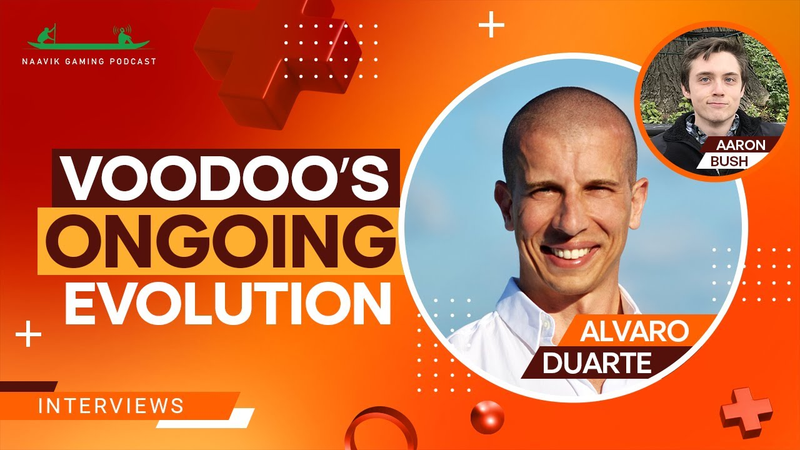
Alvaro Duarte: Voodoo’s Ongoing Evolution
Key insights
6 takeaways- 01Development cycles are moving away from rapid, high-volume prototyping toward longer, resource-intensive iterations that prioritize sustainable monetization and long-term player engagement.
- 02The company now mandates strict performance benchmarks for project viability, requiring a 150% return on ad spend (ROAS) by Day 120 and a minimum 10% Day 30 retention rate.
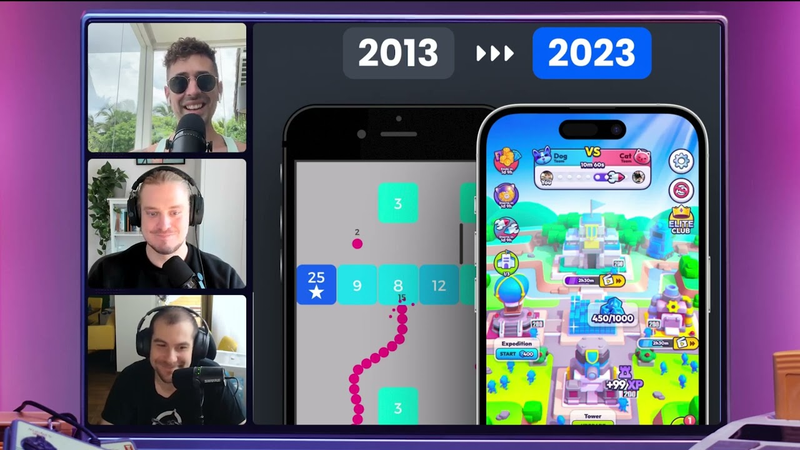
- 03Voodoo is shifting its core business model from hyper-casual to hybrid-casual gaming to counter declining profitability caused by industry-wide privacy changes like Apple’s IDFA updates.
- 04Internal operations have been restructured into an entrepreneurial studio model where game leads operate with autonomy over budgets and strategy, functioning as independent business owners.
- 05The company continues to evaluate emerging technologies, including blockchain and NFTs, to potentially increase the utility of in-game assets while maintaining a lean, data-centric operational framework.
- 06Voodoo is fostering a 'startup at scale' culture by embedding subject matter experts directly into product teams and utilizing strategic acquisitions to bridge the gap into the casual market.
Ask AI about this video
Transcript
foreign [Music] gaming podcast where it is our mission to explore the business and future of video games we bring together the industry's brightest Builders investors and thinkers to keep a full sun current events dissect emerging Trends and games share Lessons Learned and have a great time this podcast is also part of novik's growing ecosystem which ranges from free and premium research to Consulting and advisory services for more information visit www.navic.com now let's jump into the episode hi everyone I'm your host Aaron Bush and I'm excited to be joined by Alvaro dwart today Alvaro who after leading Studios at Gameloft and then serving as VP of r d and head Studio at King is now VP of casual games at Voodoo which is undergoing a bunch of interesting change that we will talk about today Alvaro
thanks for joining the pod thanks a lot thanks a lot for inviting me yes it's going to be a bunch of fun because today we're going to dig into a plethora of topics is hyper casual dead publishing casual games and of course we'll talk just a little bit at a high level about voodoo's entrance into web 3 but first to set the scene Alvaro could you tell us about your time at Voodoo and what you do as the vice president of casual games sure I joined Voodoo for two years now and basically um I joined to start from scratch the Casual games Division and to look after live games and the idea is to help Voodoo to go through the transition from hyper casual to what we call hybrid casual and basically the idea was to to recruit the teams to build these teams prepare the studios and set all the processes
and in order to actually be successful in this area and I'm happy that we are starting to have a very interesting results yeah I know I'm excited to to dig into what's going on there um and obviously recently voodoo's head of publishing Alexander Shea Shea that's right I apologize okay I got it um he stated that hyper casual is dead which is a pretty big controversial statement and so we'll get back to that in in a second um but first just to ensure we set the proper context for listeners could you remind us what voodoo's history with Hyper casual is uh like how did it start and what did it lead to well I think the the hyper casual as a whole is connected to Voodoo Voodoo has always been the leader uh in hyper casual and always I would say set the
trends and long before the that I join and with very very interesting processes and key games and today we are as still um the number one publisher but we as Alexander mentioned for us yeah we think that it's time to turn the page on a hyper casual in the in the old sensor of the turn I would say right and when did Voodoo exactly just start decide to start leaning in more as a publisher because according to Wikipedia and feel free to give any updated numbers correct anything uh Voodoo has now worked with over 2 000 Studios and these partner launches account for 75 of releases so so when did the whole publishing bent here really begin Ah that's an interesting question I I think it has always been there because it's really part of the DNA of voodoo to
create an ecosystem of talent and talent can be inside with Studios that are built within Vudu or with Studios that are working with Voodoo um this is really part on the ways of working before and for example even today for hybrid casual um or well basically any new Venture project we always have this double approach about how we can surround ourselves with the best no matter what are the processes or the setup right and how how is the company as best you can tell I know you've been there two years but how has the company like improved or adapted over time to become better at working with with that pool of talent um that's it that's a neat that's an interesting question I so first I think when you are a leader it has
a few advantages because it creates a brand and it creates a reputation so it means also like people know Voodoo and uh and the word of mouse in the industry is is pretty strong right everybody shares information so I think that's one when when you create when you are operating at scale at some point you can also contact more and more uh Studios right um it has this effect and how we have been improving is we are constantly as well testing new things testing new Partnerships and always investing a lot on our growth capacity and I think one thing that for example the studios that are working with us appreciate is the unique capabilities of voodoo to actually acquire players in the best way and for the cheapest way possible as well like coming uh coming from other companies
like one thing that was really really impressive was the gross capabilities of voodoo it's I would say is really world-class gotcha so let's go ahead and um talk about the whole hyper casual is dead statement uh which I know some people in the industry fully agree with but there are also some some corners of disagreement and maybe it just comes down to to how you look at the context around what what you're really trying to to say here so however um could you just provide some context on what Voodoo is seeing in its own business that led to this kind of statement being said yeah I I don't know if how Alex would face the hype that you would get with this headline it will be very difficult to follow him to have something so attractive well first it's not just a provocative statement
because for us most we are completely shifting for example um uh our teams from hyper casual to actually hybrid casual so this is really something that we are doing internally is not just sending uh signs uh outside and regarding your question is hyper casual dead I still believe that players are still very very interested to test new mechanics and and to and a lot of many many people are really open to to try new things right so the the games still have appeal what what is the limits now is that hyper casual becomes less and less profitable as a business uh now with the changes from Apple it creates a situation that it's less profitable and I think this is why you
see more and more companies that are shifting from hyper casual to hybrid casualties with the rise of cpis you are the companies are really they have no choice than to look for games that have a longer ltvs right um and I have to say for and that's my this is my opinion um I I really believe that the companies all hyper casual companies like the companies that didn't start the shift towards cyber casual hybrid College oh sorry two years ago I really think that we'll be in trouble uh because I uh cracking I read casual is extremely difficult it takes a lot of resources a lot of time um and takes many many iterations and if you are just starting now I read casual when you have your core business that is being heavily challenged I would say it's a little bit too late
what was really impressive he um is and it was before uh before I join is that the CEO our CEO Alex yesd had with Lauren and Gabriel they had this view that even when they were at the top of their game on hyper casual and Hyper casual was Rising the mine already shifted towards we need to diversify now now that it's increasing a lot of companies sometimes that diversify when the companies are reaching a maturity and I think it will be too late uh uh you you need a lot of resources to actually crack uh this new market right it's a very very different game um one one part of the debate that I've seen go on about hyper casual it kind of revolves around like the the new rules around Google's interstitial ads uh around like more like what is or isn't allowed there
um so I'm just kind of curious to hear from you like how how important actually is that um to what changes we're seeing in like the hyper casual market today like is that an overrated or an underrated story neither I think it's business as usual in the sense that hyper casual has been always extremely hard to crack you need to test thousands and thousands of prototypes to actually get one right and yes the platforms are constantly shifting in terms of specs right and this is one of the many and it always puts extreme pressure on the companies to constantly adapt but one thing is true like the the change the idfa change on from Apple yes it has it had a very very strong effect on hyper casual absolutely
yes I uh they have an impact but it's something that we work like all the companies they work with Google and apple to actually adapt and find the best way uh possible uh for the players and the platforms right okay yeah that makes a lot of sense so okay let's go ahead and talk about hybrid casual then and you kind of laid out the context of how Voodoo got a head start and thinking about this and how how you as a team were planning ahead um early to have the best footing in this new um Market could you just talk about maybe like the beginning of that change and I guess the part that I'm most curious on is um is even less kind of like how the team has to change thinking about game design we can hit on that too but I'm also just curious about what it means to turn so refocus an entire organization
of of you know hundreds of people in a pretty pretty big way um what has that looked like over the past two years and how what what have you and the executive team learned about um doing that effectively or or where you've made mistakes along the way just curious to hear hear your thoughts on wow that's a big menu uh so yes mistakes were made absolutely and yes there were big changes totally and in a very short time um I think what we tried to accomplish is really to stay true to our DNA in the that is in the sense that Voodoo I think we are well known for our speed and our capacity to really try things in a fast way and because it's not about also failing fast is also about failing often and what the first approach and it's
still the same today is we had an intuition that we are testing thousands of games every year um and the idea was okay what if if we change a little bit the way we look at the games and the kpis we look at these thousands of prototypes that are being tested what if some games could have a different launch or a different um a different development cycle so that was our intuition that actually confirmed that it works but a lot of mistakes were done along the way um for example in the beginning we thought okay that an hyper casual game could coexist with an hybrid casual game with the with the same gameplay maybe as a sequel Well turns out it doesn't work we also had a lot of iterations on
prediction models on Ros models and trying to find okay what is The Sweet Spot on for example Ros model from an hyper casual to more casual games and trying to find okay where is the needle um that works for us so for example we our our current standards that all our games on they hit a roast of 150 percent on day over 120. these took for example uh time what are the right metrics as well in terms of retention if you any it sounds very easy to say now but it took a lot of exploration and for your question about the reorg um we tried for example in the beginning to have casual games as almost a standalone structure and I think it was very useful in the beginning because we needed to try and to pick up on video games but
after we also understood that at the same time that paper casual for us was less and less interesting we consider okay what if we completely shift the company towards finding new core gameplays that is an expertise on its own and it's really a craft on its own towards also another big team that takes those core gameplays and then launches them and keeps those game relevant for the next five or ten years to come and that's also a different expertise different Talent so for example and this is we came to this conclusion and at the moment this is how we are operating you have the full Voodoo ecosystem publishing that is actually testing now and we are in a run rate of a testing a thousand prototypes for hybrid casual and then we are building Studios that um that take those
those games and to launch them and give them another life so I'm really summarizing in in Broad uh in Broad Strokes what happened but also one thing that we we knew because it's really important and comes back to your first question about working with external Studios we also knew that we needed to surround ourselves with uh experts in this area and we for example put from the beginning a big effort on M A and and I think not very not many companies I think really successfully do Mna in the way they integrate and make the companies grow I'm very happy that for example with the acquisition from a company like Beach Bum that was built really by very very strong experts from politica in Israel and that now have they are the leaders on tabletop games for example
they are bringing us also a lot of expertise around play your segmentation and how you approach uh in-app purchases in specific type of games so this is also another aspect that we were basically having a 360 approach we wanted to crack hybrid casual and we were basically trying many things at the same time well basically two busy years so far yeah it seems like it there's there's a lot going on in that answer uh so let's let's maybe unpack that a little more maybe maybe bit by bit and just get into a bit more more detail of whatever whatever you think is interesting here so I guess maybe um where we can start first is uh I'm curious too I mean obviously talking about a reorg is more more big picture and it's obviously super important for a company to get aligned structurally on how it wants to work in order to get to wherever it it is it wants to go but obviously there are so many layers to
that too um in terms of how people have to change how they work how they kind of have to rethink individual roles and I don't know all the details of voodoo but um where I'm going with this is I'm curious how it changed kind of internally how the team's building games um sort of had to kind of rethink their roles and kind of like rethink their um like their focus on the kinds of mechanics that matter the kinds of metrics that matter um so so what all went into like actually working with the the game developers themselves to to make this change how did that transition happen and what did you what did you learn going through that specific part of it wow that's that's an interesting question like all changes in the company for some people it's actually goes very well and you have really uh many people that are very open to change and I think this is the vast majority I would say it's the DNA of of the
people in Voodoo because hyper casual it's hyper casual is so hard as a genre because you are constantly killing your ideas but to an extent that is it's brutal compared with casual so definitely Voodoo is interestingly a company that is wired towards change and how the developers are are taking it well it's basically by sometimes giving new objectives right as you mentioned for example we are looking as I mentioned at the roas with a different timeline we like games that have a 30-day retention of 10 for example we are looking for games instead of being a hundred percent ads driven we like to have a blend of in-apps and it's about understanding who can transition towards this model and then I'm happy
that we took many people on board what is the expertise that we needed to recruit um and here we surrounded ourselves with I think very very interesting profiles from the best companies that have a long long experience on casual from from platica from from player weeks from from Kings Copley Zynga so we have all all of these when when you blend and you start then to have a new shift and also to be very Frank sometimes you you have people that maybe they they don't find it as fun as before or the and then it's sometimes the time to say uh goodbye or to part ways right it's very important that when you are trying something new that every one pushes towards One Direction
um but I have to say this type of work change to do it so fast uh I'm still uh I'm still I'm very very proud of what the teams uh achieved to be honest many companies sometimes most of the companies when they have their Core Business that goes down they just implode and for us we found a way to grow again which uh which which is very impressive yeah well I guess I'm curious just to double click into that um I mean it's also been apparent to me that Voodoo has been good at moving fast um for quite a while at this point and it being ingrained into the culture is is really interesting and unique compared to a lot of other companies um so first what would your what would your advice be to other to other teams other companies that want to inject more
of a culture of speed or urgency or or testing um in into themselves How would how should they go about becoming more Voodoo like in that sense wow that's that's a tough one um I think it's many elements I think one is not to be afraid of being radical in some decisions it's okay sometimes to make mistakes but it's worse not to trying and and also it's very important when trying something new to get early results fast always question yourself okay what is really the shortest route possible for this project to get early results with clear objectives in order to decide okay going to the next steps and each project as well needs to have very very clear
governance with a clear gating system milestones and each Gates need to have very very clear objectives and the gates need to be there for something right if you are just even when something when something doesn't hit the mark it's important to have the courage to stop and to be radical on that stuff because if you if you just let the things a little bit pass from gate to gates at some point the gates lose a little bit their meaning and you lose a little bit this positive tension that it's necessary in order to go to the most important aspect of what you want to test and um and it's very important to surround it's very important to surround ourselves with people that are into this mindset because it's very hard and small teams we that have a little bit this attitude
can really do wonders in short amount of time yeah no I just think it's hard right um and it's just very hard it's not for everyone but when you like this you'll love it yep and it's one of those things you can't just snap your fingers and suddenly change right like I imagine it's ingrained in voodoo's culture in so many different ways from from the beginning in a lot of sense that's just hard to to replicate if you also don't start that way you are absolutely correct little details right for example uh we don't have we don't have meetings with PowerPoint decks I know that's just anecdotes uh um but that we always trying to cut through and that's the the word that we use internally uh in order to have the the shortest route possible right so we don't want uh people to spend too much time outside the product development uh so all these things the
way you do your meetings the way the decisions are made as you mentioned every little detail counts you cannot just put the role on the team so say be fast and then you have a whole system that is heavy on taking decisions or providing help everything needs to be built for Speed right yeah it's super interesting I could probably spend another another 30 minutes just talking about learning about how you guys move quickly but let's talk about some other stuff so um earlier you also mentioned that um you know Voodoo is building new studios and is you know been been conducting M A but I want to focus on the building new Studios Point could you just unpack for us a bit more like what is going on there and how is voodoo thinking about like how to most effectively build new internal Studios from scratch as I mentioned we really like to verify we'd like to build proof of concepts for
everything that we do and and these hybrids casual game strategy took a took a bit of time well it took a a year I would say to to really take half but right now I'm very happy that if we look at the games made internally we are looking at a run a revenue run rate of 150 million and if you took also the M A's it's another you can double that so when you are at a 300 million run rate you can say okay you are going in the right direction so we are successfully launched already two games one is called mob control another one is collect them all and they are starting to have a very very interesting interesting trajectory so what we are doing now is doubling down on this success and it is and it's the
same strategy you have and you have um many like amazing teams from Voodoo that are trying to find the core games and basically now we are recruiting uh game leaders that have a strong experience in uh casual games or midcore to welcome those games and uh and to build a studio around those games and the beauty uh I think of how we approach this is we we really trying to put these game leads in a situation that they are almost small company owners of their Studios For example they can build the identity of the studio that they want the culture the process they want they have a budget envelope that is assigned so they can take all the decisions regarding recruitment salary increases trainings we're basically avoiding every back and forth question okay can I do this can I go there no it's just okay proceed as long
as you respect uh your Gates and they are they are commented like in the beginning we ask them to surround themselves with a small crew of around six people to work on the core game and then we launched the game and if the the game takes on then we start to hire more and more depending on the game trajectory and then the number of employees is really parallel to the revenue trajectory of the title uh so what we are at the moment we really we are really successful on attracting very top talent but we are still looking for a couple of game leaders uh that if they are very entrepreneur and with a casual strong background yeah I would be happy to have an interview with them awesome and can you remind me how many of these studios are there now within
video our Target is to have certain Studios by the end of this year okay wow that's a good number any any advice or any Lessons Learned on how you manage so many internal Studios effectively I know uh and I guess too I just want to kind of um kind of mix that with um I think it's interesting that of how you manage and provide like certain levels of autonomy that you were kind of talking about to where like the game leads are like really the decision makers um in their own way and how you try to minimize again those gates to continue building speed into organization um so kind of like from that lens um I'm just curious how you've you go about managing so many worlds ensuring that they have autonomy we made a mistake in the beginning we were for example bidding a large Central team uh uh composed by veterans that had the
objective to mentor to coach or even to direct an ecosystem of internal Studios um it's a it was a mistake to do that but a very necessary mistake because at the same time we were also setting all the milestones and the process and the guidelines but what we were actually doing in the wrong way is to trying to shift some studios that maybe didn't had the expertise on casual and trying to Elite to help from the outside and here what we came to the conclusion is that the expertise needs to come from within you cannot compensate lack of expertise or experience from outside the team and life just gets much easier for everyone when you hire a very very strong game leader that really manage the the studio
and is very performance oriented and delivers then you'd need really basically a much less and less work on um on coaching on processes but actually the conversations become much more interesting on strategy and creativity on the on the products on how to make them bigger so that will be I think that will be uh one of our learnings here on managing an ecosystem and I think it applies as well for the m a some companies for example they and it's not a it's not a criticism each company has its own culture some companies for example like to build companies and rebuild them or to convert the companies to the culture or to change the identity and the process and so on and for us for example we have a very different
approach we are looking for companies that are really well managed that are already in a very interesting trajectory on their own and our ideas when they join the team is to Turbo Charge that grows but not to replace the processes the people is to really give full autonomy to the companies that join us and to help them where we feel together where it makes sense for example Beach Bum they are so good at what they do and the help that we are providing is actually on the creatives and managing uh how how to decrease cpis but in no way we are going to tell them okay maybe you should do your feature like this or like that or recruit that person we give them full autonomy on that aspect um and the last aspect is to really really have a strong discipline on milestones and targets and and when you
mix that with talent and expertise then you can scale sounds easier to say than to do but yeah that's a little bit the the idea oh it's easier said than done right um well okay I'm also curious because I know you have a bunch of experience from from Gameloft and then king um as well most recently um one of your what if your lessons or takings from those companies Ben that you've been able to apply at Voodoo uh there is team learning today um but I think there is a lesson that I'm constantly re-learning uh and it's really to have the courage to surround yourself with talented people that push in the same direction and what I mean by that is when you are starting something new that is unknown or never done by anybody else it's extremely hard uh it's
extremely hard when you have an idea and intuition and to go on an Uncharted territories it's stressful at some times and you cannot follow basically it's just you are Paving the route and when you do that a lesson that I constantly learning is it's to be radical around surrounding yourself with people that are pushing in the and make the boat go in the same direction I think um I I think this is a lesson that is I painfully learn from Cycles with different uh uh aspects but when you surround yourself with people that want to make it happen and they are committed to to One Direction it makes these things easier because talented finding finding talented people that just do
things that they agree on it's easy to find I would say the talented people that are willing to do something even if they don't believe but but from a very professional perspective they say okay I don't think this will work but I'm very curious to to test to see the results in order to prove myself wrong that's more difficult to find and these are the type of people that you want to surround yourself people that have these professional distance towards game development because a little bit like Game of Thrones like no matter how many years we we work like we know nothing about some features or some impacts we are constantly taken by surprise right and everything changes all the time so you you never fully up to date anyways um at the company I was at last or our CEO his name was Tom Gardner he he had a really helpful analogy about you know
just everyone kind of working together to push the boat forward and he was he was just saying that he saw I forget the specific numbers but it was basically a study um where it was you in most big companies probably two or three out of every 10 people are are the ones who are actively you know paddling forward really hard are super aligned and um want to you know like really continue to push the company forward and in all the ways they can probably about five out of ten about half the people there just kind of sitting in the boat they're they're not really paddling forwards or backwards they're just um you know they're they're they're there doing kind of what they need to do but not like actively thinking or pushing um uh the company forward in notable ways and then of course there are the detractors and yeah I think most big companies probably um and it and it's hard because companies change over time as you were saying even even Voodoo has has had to evolve a lot and people sometimes not everyone is great at evolving
um with it and so often there are like two or three out of ten like detractors that are like actively paddling backwards um to because they don't like the direction that the company is going in or they're you know they're just nitpicky or or whatever the situation might be and so from like a leader perspective like really really making sure that who is on your boat um that you had is important and making sure that you have as many people paddling forward um as possible however you hire however you promote however you like run the tenets of your culture I just thought that was a really interesting um this is uh and it and it doesn't mean that the people it's wrong people it's just that maybe they are in the wrong structure and they will do great in other companies but it's totally true I this energy is great uh like the impact of a toxic person or kills the productivity of five people um uh there was this book called multipliers that they were talking about
the study across Android companies so when you are starting something new and you have those two detractors like you are really literally decreasing the power of 10 people in it's immense um and when you are starting something new it's difficult sometimes to take the the hard decisions on a timely basis uh scenario it's um it's a hard lesson that we are we as Leaders we need to always relearn that aspect right is there anything else um it's a note that's interesting or unique about voodoo's culture that helps um you um and you know the rest of the leaders in the company keep pushing forward you mention speed is there anything else unique about Voodoo worth worth calling out from a culture perspective this focus on performance makes it's such a good filter for a lot of conversation that can happen right it's
uh so many times you could lose a little bit focus on what matters but because that would do the things are so performance driven that we constant I I think we the teams have this ability to crop to cut through the noise and to go really to what what's really necessary and and something that I love is is the degree of freedom for example we don't care how the game leads in their live Studios operates if they want to work in the office or remote or we don't even talk about that I think that's the beauty is that we don't even talk about this is we really we focus on the game trajectory and the kpis and the road maps and what needs to be the decision that may be taken but I'm really happy that a lot of conversations are not are not taken because it saves a lot of time I think
that's that's pretty unique to have a company of this size I think Voodoo the the it's it's still a startup at scale so it's still like a company that's you you feel you are in a garage but you have the means to do everything from big companies so you have a combo of you have the budget uh for your Ambitions while you can work in a very lean way as if you were just starting your company uh last months and and uh this is for me very very unique yeah that is unique that's that's really interesting uh well I want to switch gears a little bit um and I want to kind of get back to talking about publishing a little bit and um I guess kind of the question to to lead it off is as Voodoo has been changing its focus from hyper casual to hybrid casual how has that had an impact on how the company thinks about
publishing it had the natural impact I think the natural sequence that because we were doing publishing on hyper casual then in my total sense to say okay maybe we should do publishing on casual or even midcore I think we have these amazing machine our growth teams uh um that led by David that are really really strong at scaling um and we thought okay if we are doing that for hyper casual it totally makes sense to do that for Studios that are just being built and most of the time new Studios they don't they they can't have the same maturity and expertise on user acquisition as we do and it's totally normal so I I think it's totally relevant and natural that we try um to help on that aspect as well I I think
really it's a natural conclusion right um and I guess as a as a follow-up has changing focus a bit does it have an impact on how many teams how many games that you're looking to publish uh because I imagine you know hyper casual it's you know you throw a lot out there kind of see what sticks and and then scale up from there to a much more radical degree than other genres so by shifting to more casual mid-core is the publishing team getting pickier and who is choosing to work with or are you still looking to work with as many teams as possible how is that side of the strategy changed now you you are absolutely right we are looking for profiles that are a little bit different um and we are a more picky around the studios that work with us absolutely and also we are more peaky right from the from the start
even something that we for example we did a doniper casual so much that we looked directly on the game ideas and we even tried to K to kill ideas on the spot and say okay this is not a game that can be played in the next years to come not even bothered to test it even if it takes a couple of weeks to test so definitely we we are trying already to identify some games that we feel okay this doesn't have legs for a game for the next 10 years I think this is uh uh a bit different gotcha and anything um about like how Voodoo has changed its way of helping teams like has any anything differently changed in terms of like what Voodoo is building internally to help teams retain in a different way or monetize in a different way like how how has the team kind of thought through
its own shifting to help completely new types of games and game teams well um there is a transition from Pure ads towards in-apps driven games and this is for example this has implications on prediction models and the way we acquire absolutely and this has also achieved on how we look at road maps as well and I think a change that really happened across is this topic we were discussing around the expertise from within Voodoo years ago was really around creating experts that could coach teams from the outside and we are completely reversing that aspect and really putting the expert really down in the product development so these I would say this is something that really shifted but the farm apart from that
it's still the same approach right really trying to get the results fast verified your hypothesis uh very early with clear Targets on that the DNA change I would say it's some of the fine tuning on the process around ideation and talent was updated right okay that makes sense I was just curious to to learn more about how how you all have changed as as your focus has changed um let's go ahead and talk about web3 a little bit as we kind of near wrapping up I know of our you mentioned before we started that you can't say too much that it's still sort of in like a a venture stage within the company so I won't I won't dig into too many too many details of of of how the the team is thinking but I do want to hit edit at a high level and really just kind of the first question just to to ask why this evolution is happening like what about the economics or user experience or
something else of web3 is compelling to kind of like build this extra layer on on kind of on top of these games like why why that Focus first I would say why not uh I think we do we don't really put ourselves too much limits on what we want to try for example we uh we we move from hyper casual to hybrid casual but we are also working on social Social Network apps uh for for the uh we are also on um on working on very very different type of initiatives at the same time so there was something and there is something that is happening around blockchain I think it's totally normal in our mindset and culture and say okay maybe we should have a look and I think here the we are trying a little bit in the in the voodoo way that is we don't have we didn't had expertise
but it's by trying and really building something that you start to acquire um the experience that you need to succeed is that's it's when you give yourselves meaningful projects with clear Ambitions that you can recruit and basically it's just not like talking it's we learn by doing and definitely I think a lot is happening on crypto and games I think a lot of ugly things are happening but if you ask me personally I still think that it can be a very cool value proposition for for players um probably not seen these games that are like more like Ponzi schemes uh these I think probably uh those games uh we would not see them much more in the future but in the thing of if you look at nfts as a new generations of in-apps that is small items that you can own or
can help you on the game that you can trade with uh with the community of players it makes a lot of sense you you we see that for many years ago on I don't know World of Warcraft Diablo when people are training weapons uh armors as long as it is reasonable as long as it doesn't make a doesn't break the game but actually makes the game better and a better player experience I see no reason not to try uh to investigate on that um I think it's going to be when some companies and real gaming companies are going to approach this probably we will see a new generation of nft and crypto based on games that will be very interesting for the players well I have so many questions that I could ask you Alvaro about the the web 3 Dynamics but maybe you know as we we get closer to closing
um one one big question that I think is interesting is why do you think Voodoo can succeed in in casual when so many others have failed it's a crowded Market um you know obviously you're undergoing a lot of change it feels like a big effort so why are you and the team so so confident in your abilities to succeed here I think it's a very legitimate question and the reason I think we will make it and we are making it is I think casual it's a number games I think many companies sometimes we tend to forget that you need to test ideas at scale and at volume and for one game that is released you have thousands of games that failed and very few companies have this capacity internally to test thousands of games per year and our gross capacity to scale games with very aggressive cpis is a very very
strong advantage and when you plug that with the expertise that we have on casual through the teams that we hired or the teams that we acquired if you combine these three aspects it puts Voodoo in a very very unique place to succeed that's what I believe and this is what we are doing and we are and I'm very happy to say that we are starting to see very very interesting results awesome so looking forward for all of us observers from the outside what should we be looking forward to what what should we be watching over the next couple years to see how voodoo's gonna succeed across all of these areas our capacity to release new hybrid casual games every year this is going to be I think a challenge but I'm I will be happy to talk about
these titles next uh next time awesome well that that sounds like a lot of fun um very final parting question for you Alvaro if listeners want to learn more about voodoo's next steps uh whether it be publishing web3 um hybrid casual where should they go to learn more our website has all the contacts and you can contact directly Alex Shea for uh publishing for example if you have some questions but you have also the contacts regarding M A or even myself it's I'm easy to find on LinkedIn if you really have a burning question awesome well Alvaro this has been a lot of fun and informative thanks for joining another gaming podcast thank you so much I really appreciate the invitation if you enjoyed today's episode whether on YouTube or your favorite podcast app make sure to like subscribe comment or give a five star review and if you want
to reach out or provide feedback shoot us a note at podcast navic dot Co or find us on Twitter and Linkedin plus if you want to learn more about what novik has to offer make sure to check out our website www.navik.com there you can sign up for the number one games industry newsletter navic digest level up your insights with our premium research platform novik Pro or contact us to learn about our wide-ranging Consulting and advisory Services again that is www.navic.com thanks for listening and we'll catch you in the next episode
Summary
Voodoo is undergoing a fundamental strategic transition from the hyper-casual gaming model to a hybrid-casual framework. This shift is primarily a response to the declining profitability of hyper-casual titles, accelerated by industry-wide privacy changes such as Apple’s IDFA updates. While the company retains its core competency in rapid prototyping and aggressive user acquisition, it now prioritizes long-term player retention and sustainable monetization over high-volume testing. This evolution requires a more resource-intensive development cycle, moving away from the quick-turnaround nature of its previous business model toward games that demand deeper engagement and iterative refinement.
To facilitate this pivot, the organization has restructured its internal operations to separate the rapid prototyping of new concepts from the long-term management of established titles. By adopting an entrepreneurial studio model, Voodoo empowers game leads to function as independent business owners, granting them autonomy over budgets and team strategy. This decentralization is balanced by rigorous, data-driven performance standards, including a 150% return on ad spend at Day 120 and a 10% Day 30 retention rate. These metrics serve as the primary gating system for continued investment, ensuring that only projects with long-term viability receive sustained support.
The company’s current strategy emphasizes a "startup at scale" culture, prioritizing the recruitment of independent, high-impact talent over centralized bureaucratic control. By embedding subject matter experts directly into product teams and leveraging strategic acquisitions, Voodoo aims to bridge the gap between its hyper-casual roots and the complexities of the casual market. Looking forward, the company continues to explore emerging technologies like blockchain and NFTs as potential avenues for enhancing in-game asset utility, maintaining its commitment to a lean, data-centric operational structure that remains adaptable to shifting market demands.












Comments