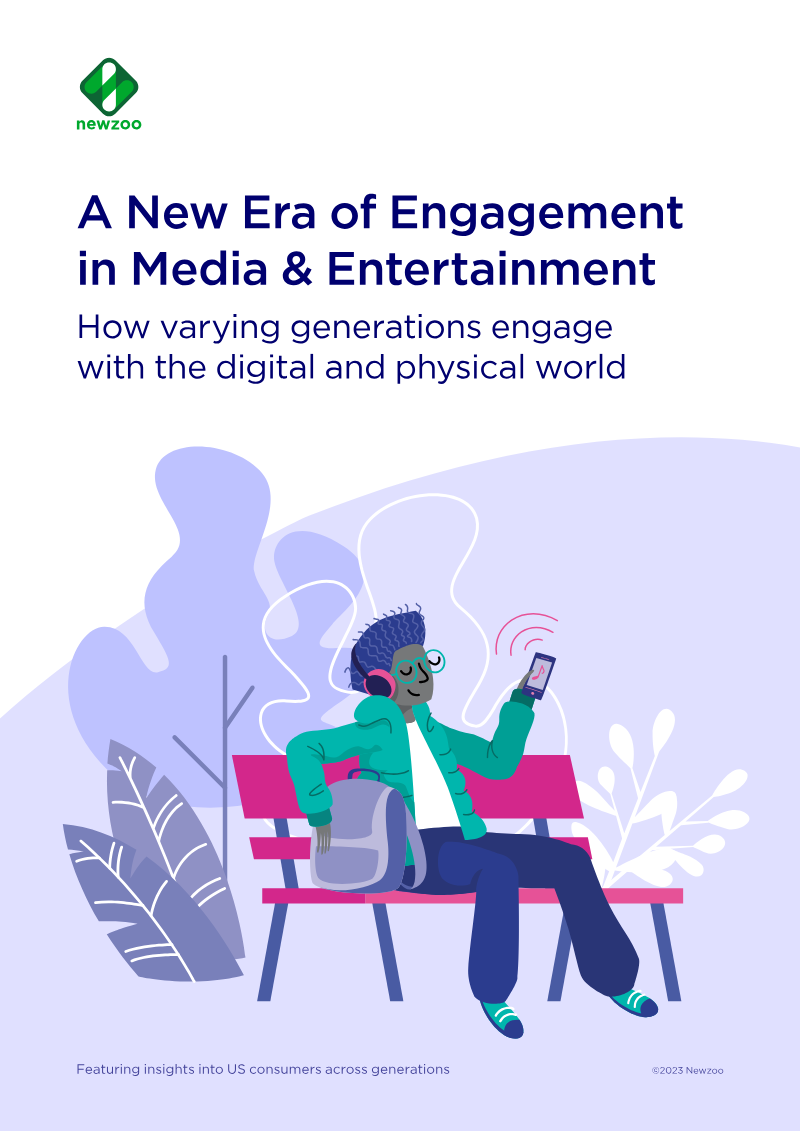
The media and entertainment landscape is undergoing a fundamental generational shift toward active engagement, characterized by a seamless blend of physical and digital activities. Younger audiences, particularly Gen Z, are leading this transition by prioritizing interactive experiences over passive consumption. For the first time, Gen Z spends more time on video games and virtual worlds, averaging 12.2 hours per week, than on traditional broadcast or subscription television. This demographic also demonstrates a high level of creative participation, with 68% identifying as digital creators and spending three times more hours on user-generated content than Gen X.
Video games have emerged as the primary driver of this engagement, commanding a 72% active participation rate among US consumers. While movies and series still lead in total weekly volume at 17 hours, the gap is narrowing as gaming platforms like Fortnite and Roblox evolve into holistic entertainment hubs. These virtual spaces now serve as venues for socializing, attending concerts, and digital commerce, effectively functioning as early iterations of a persistent metaverse. This shift is further evidenced by the success of transmedia franchises and cross-media intellectual property strategies that bridge the gap between gaming, film, and music.
The future of the industry lies in the convergence of physical and digital worlds through interoperable 3D spaces that foster deeper fandom. Brands are increasingly integrating into these ecosystems through digital collectibles and in-game partnerships to capture the attention of younger consumers. High-profile investments in virtual fashion and NFTs underscore the growing economic value of digital assets within these environments. Ultimately, the industry is moving away from a model of passive viewership toward one defined by persistent, interactive, and creator-driven experiences that unify physical and virtual identities.

Google · 2026
Newzoo · 2026

Newzoo · 2026
Newzoo · 2026

Deconstructor of Fun · 2026
Newzoo · 2026
Newzoo · 2026
Newzoo · 2026
Newzoo · 2026

Newzoo · 2026
Newzoo · 2026
Newzoo · 2025
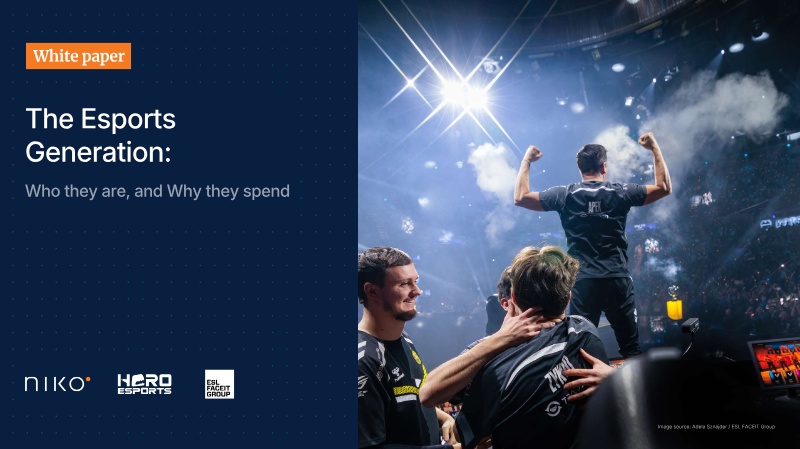
Niko Partners · 2026
Anzu · 2026
Video Games Europe · 2025

Newzoo · 2025
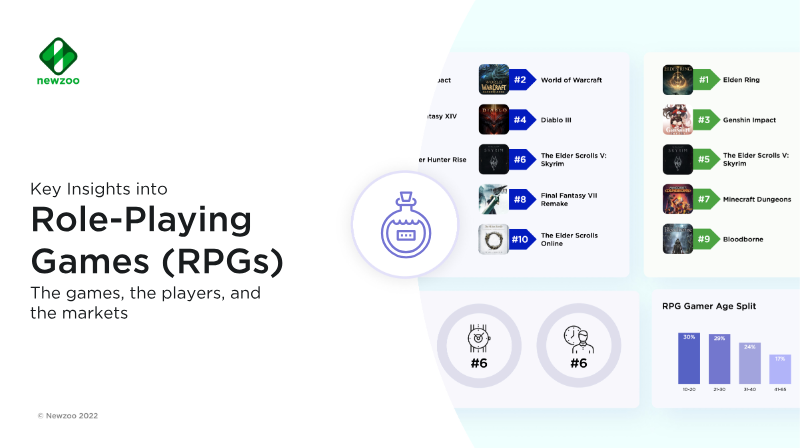
Newzoo · 2025

Newzoo · 2025
Newzoo · 2024
IIDEA – Italian Interactive Digital Entertainment Association · 2023
AEVI · 2023
Newzoo · 2023
Newzoo · 2022

Newzoo · 2022