1 free read left. Create a free account for unlimited reading + AI research.
Create free accountArticle Game World Observer
1 free read left. Create a free account for unlimited reading + AI research.
Create free accountArticleGame World Observer
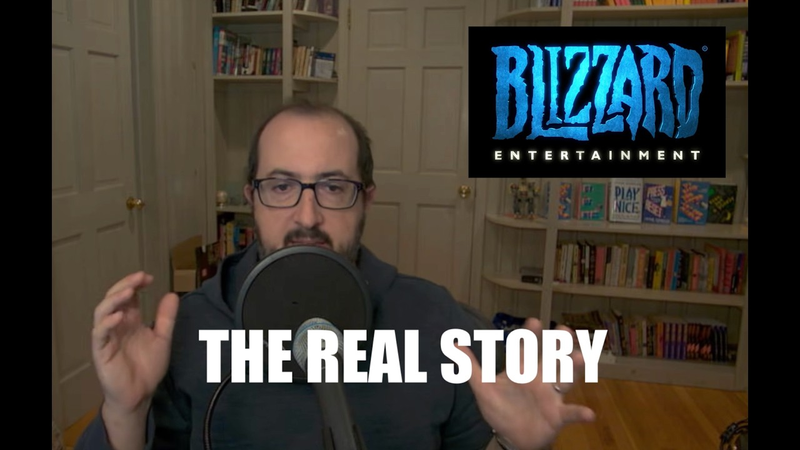
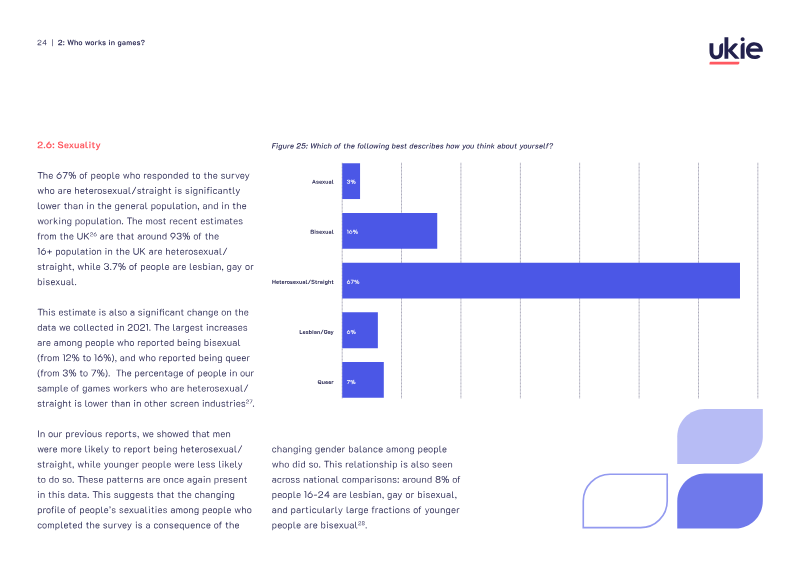
In June 2022, 67% of shareholders voted for a non-binding proposal requiring annual reports on workplace misconduct, including sexual harassment, discrimination, and settlement costs.
Activision Blizzard has faced significant scrutiny regarding its corporate governance and business practices, highlighted by two distinct developments. In June 2022, shareholders voted in favor of a non-binding proposal requiring the company to publish an annual report detailing workplace misconduct, including pending complaints of sexual harassment and discrimination, as well as associated settlement costs. This vote occurred despite explicit opposition from the company’s board, which argued that such reporting would divert resources from direct employee engagement. Although the proposal passed with 67% of the shareholder vote, its non-binding nature meant the company was not strictly obligated to comply.
Separately, in early 2026, the Italian antitrust regulator, Autorità Garante della Concorrenza e del Mercato, initiated an investigation into the company’s mobile titles, specifically Diablo Immortal and Call of Duty Mobile. The inquiry focuses on potential violations of consumer protection laws, with regulators expressing concern over aggressive monetization strategies and the use of dark patterns in user interface design. The investigation specifically examines whether the company misleads users regarding in-game currency costs and the urgency of limited-time offers.
Furthermore, the Italian regulator is scrutinizing the adequacy of parental controls and data privacy consent mechanisms within these mobile games. The investigation suggests that default settings may provide insufficient protection for minors, potentially allowing for unrestricted spending and unsupervised interactions. These events underscore a period of sustained pressure on the publisher, ranging from internal governance challenges regarding workplace culture to external regulatory challenges concerning consumer protection and monetization ethics.
Game World Observer · 2026
Game World Observer · 2026

Game World Observer · 2026
Game World Observer · 2026
Game World Observer · 2026
Game World Observer · 2026
Game World Observer · 2026
Game World Observer · 2026
Game World Observer · 2026
Game World Observer · 2026
Game World Observer · 2026
Game World Observer · 2026
Ukie · 2026