1 free read left. Create a free account for unlimited reading + AI research.
Create free accountArticle Game File
1 free read left. Create a free account for unlimited reading + AI research.
Create free accountArticleGame File
Ubisoft, Sega, and Nintendo have released or announced major titles without disclosing the primary development studios.
It's like watching a blockbuster movie but never knowing who directed it.
Key practice. Major publishers are increasingly obscuring the identity of development teams for high-profile titles.
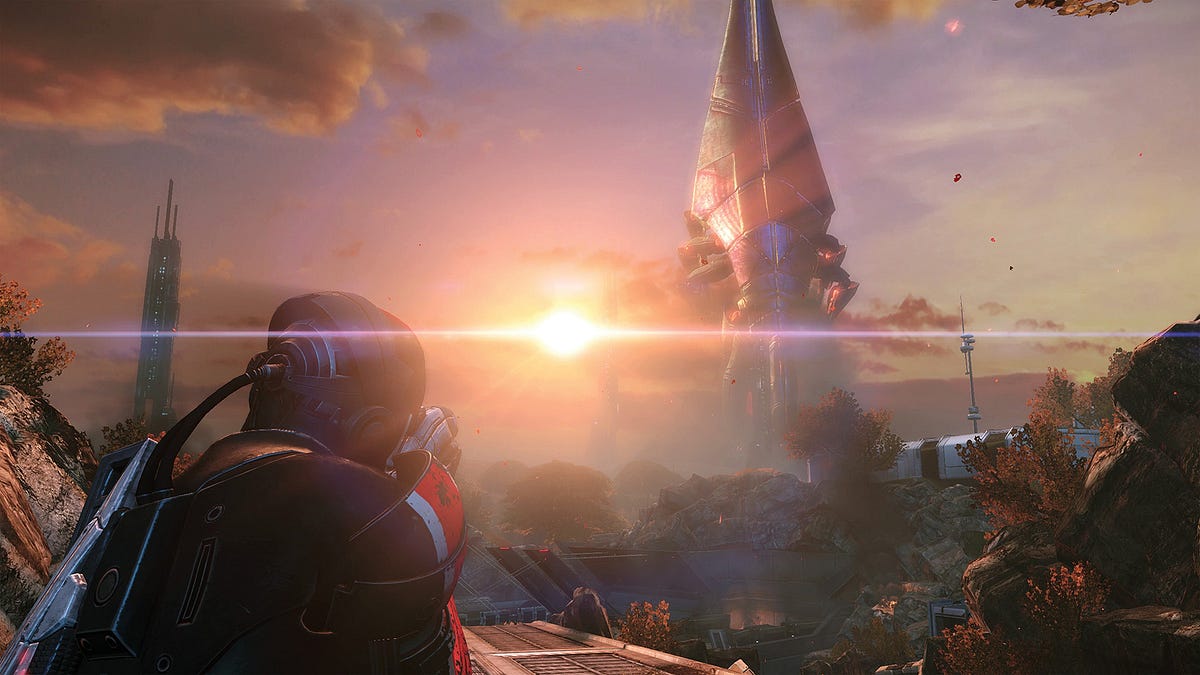
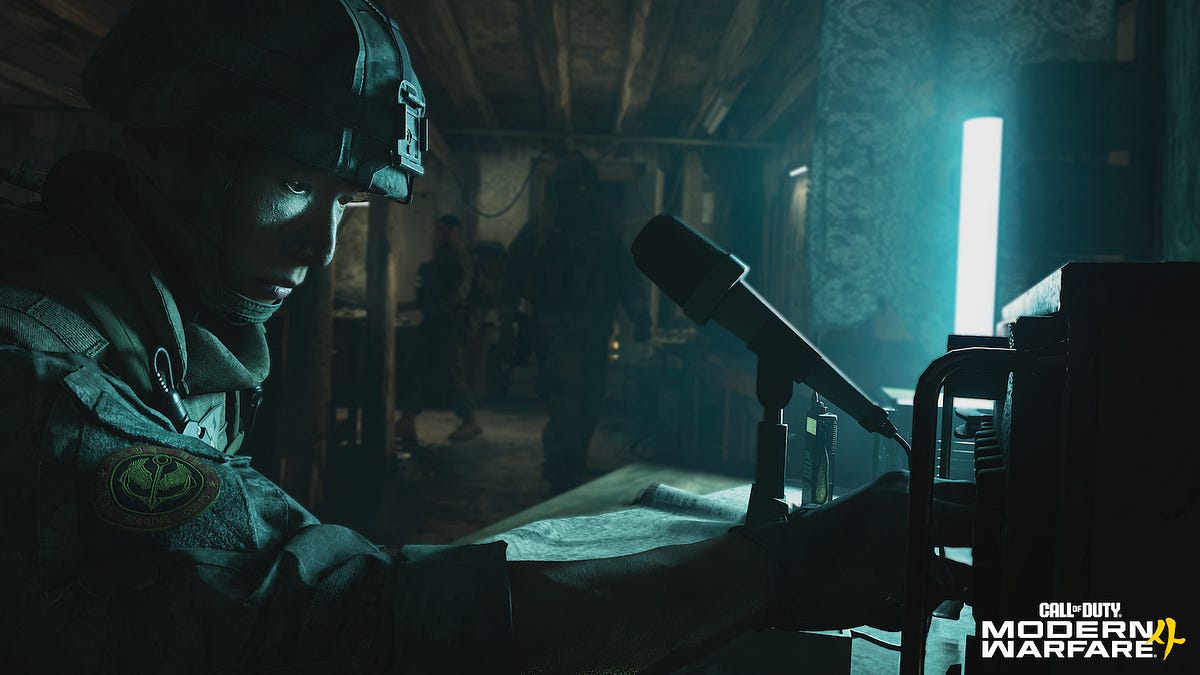
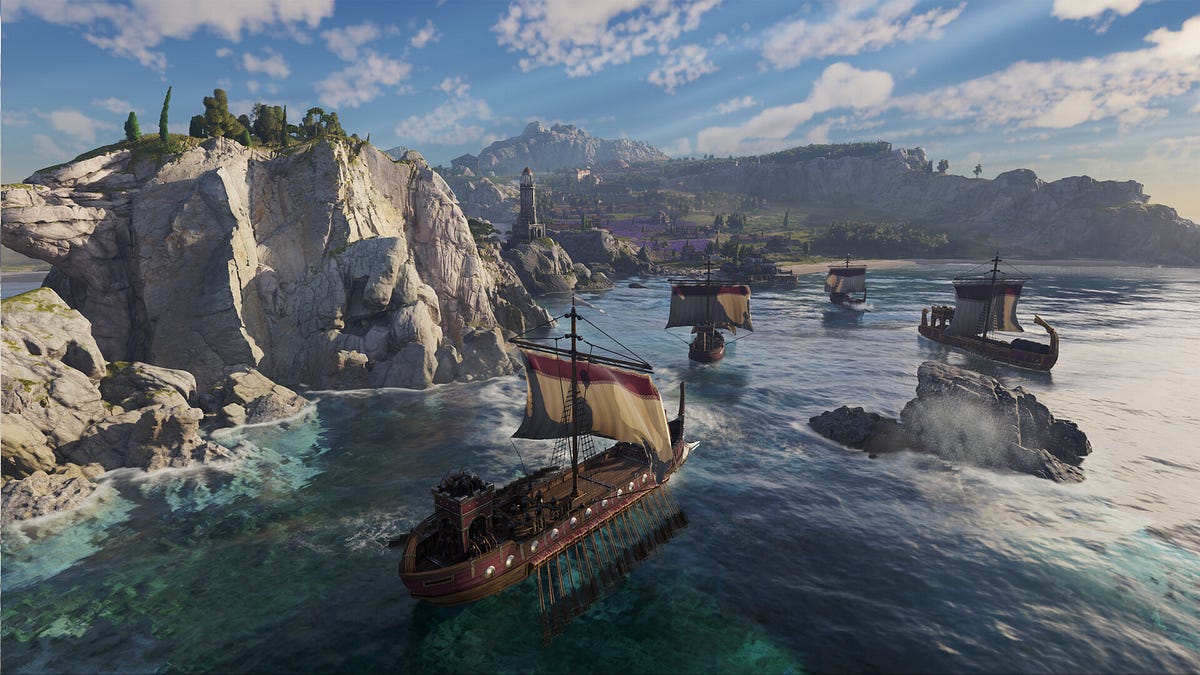
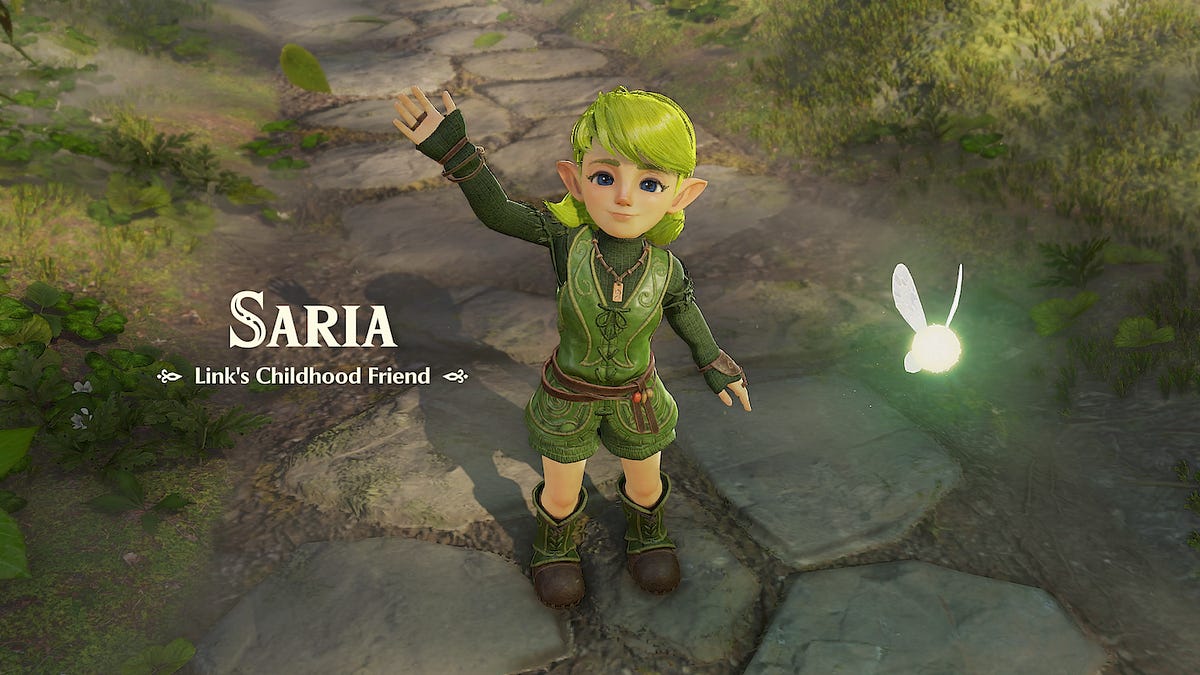
The video game industry frequently obscures the identities of the specific development studios responsible for creating major titles, a practice that complicates consumer efforts to track the talent behind their favorite games. Major publishers, including Ubisoft, Sega, and Nintendo, have recently released or announced high-profile projects—such as Assassin’s Creed Jade, various classic franchise revivals, and the Super Mario RPG remake—without disclosing the primary development teams. While some publishers are transparent, others maintain a publisher-centric marketing strategy that prioritizes brand labels over the individual studios or creators, often withholding this information until after a game’s release or burying it in obscure copyright notices.
Industry observers suggest that this lack of transparency may be driven by concerns over talent poaching or a desire to distance primary companies from outsourced work. This trend stands in contrast to other creative industries where authors, directors, and musicians are prominently credited. The difficulty in identifying developers is particularly pronounced in the mid-to-large-budget sector, whereas independent developers typically maintain clear attribution.
Beyond the issue of studio recognition, the broader industry landscape in early 2024 is marked by significant economic shifts. The mobile gaming market experienced a contraction in 2023, with consumer spending falling 2% to $107 billion and total downloads declining. Simultaneously, the industry is navigating a wave of large-scale layoffs at major firms like Unity and Twitch, as companies adjust their workforce sizes to align with current market realities rather than previous growth projections. These developments underscore a period of volatility and strategic realignment within the global gaming sector.
The games and companies this document names on the inner ring, other documents about them on the outer one. Select a cover to see it up close and open it in a new tab; drag to move, pinch or Ctrl + scroll to zoom.
Game File · 2026
PocketGamer.biz · 2026