1 free read left. Create a free account for unlimited reading + AI research.
Create free accountArticle Hit Points
1 free read left. Create a free account for unlimited reading + AI research.
Create free accountArticleHit Points
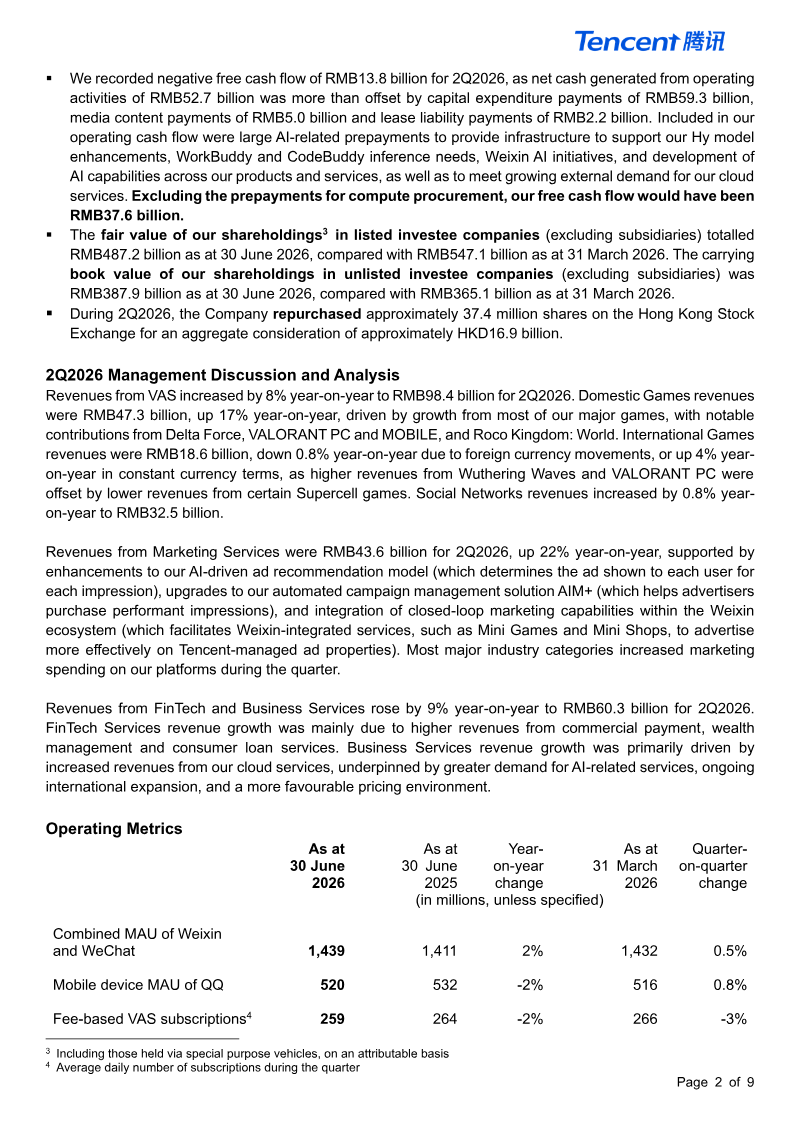
Habby's mobile game achieved significant commercial success through in-app purchases and ad revenue.
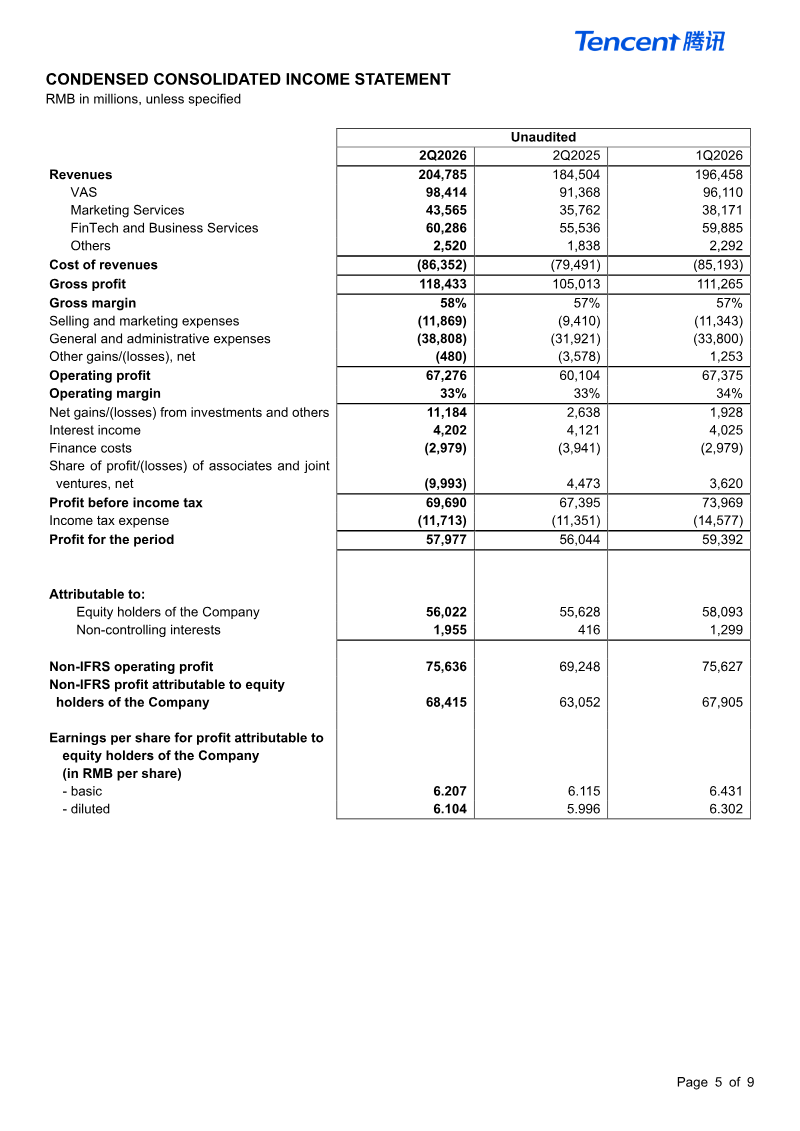
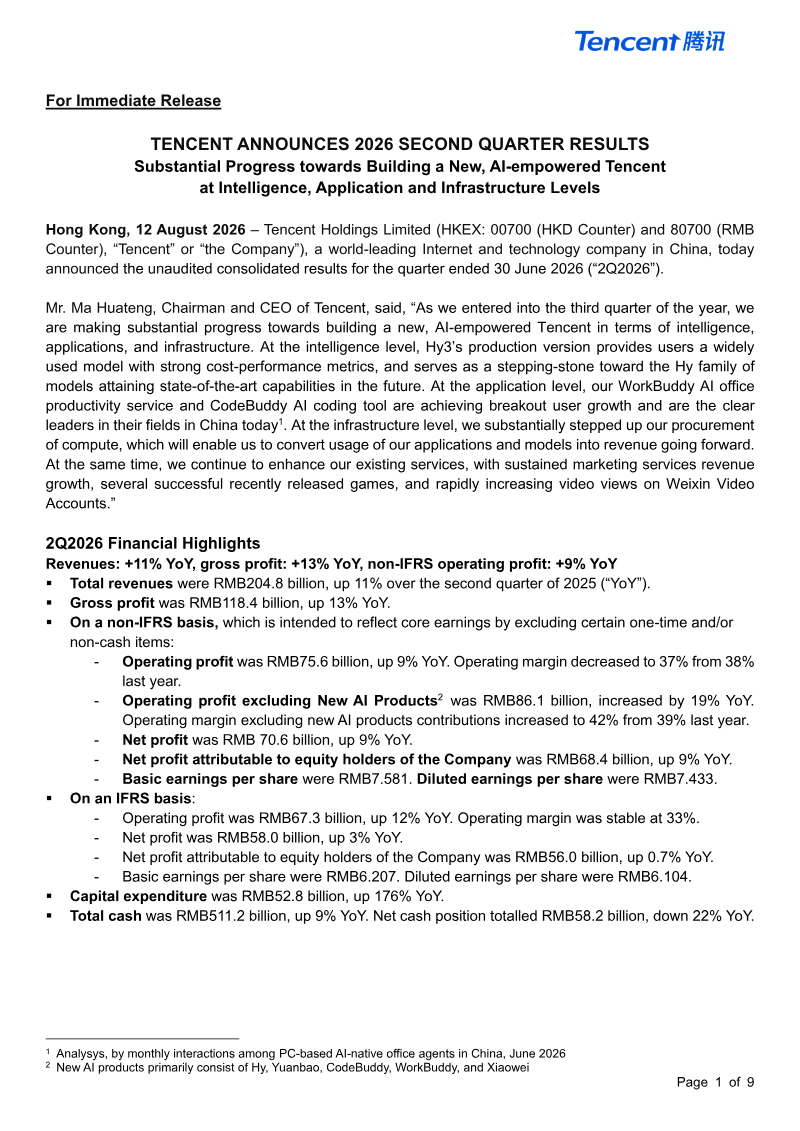
The mobile gaming industry frequently prioritizes rapid replication of successful game mechanics over original innovation, a trend exemplified by the success of the title Survivor.io. Developed by Habby, the game achieved significant commercial success upon its 2022 release, reportedly generating approximately $1.5 million in daily revenue through in-app purchases and advertisements. Despite its financial performance and top-ranking status on major app stores in the United States, Japan, and China, the game is characterized as a direct clone of the indie hit Vampire Survivors.
The analysis highlights a recurring pattern in mobile development where established studios leverage their resources to adapt successful indie concepts into mobile-friendly formats. By integrating aggressive monetization hooks, persistent progression systems, and optimized user acquisition strategies, these companies effectively capture mass-market audiences. This practice underscores a broader industry dynamic where large developers capitalize on the lack of formal game-design copyright protections to quickly iterate on proven, low-complexity gameplay loops.
While the core mechanics of the genre—often referred to as the Vampire Survivors or Magic Survival template—are inherently flexible and ripe for creative expansion, the mobile market often favors formulaic execution. In contrast to the derivative nature of high-budget clones, smaller developers continue to explore the genre’s potential by introducing unique thematic elements and mechanical variations. Ultimately, the success of Survivor.io serves as a case study in how modern mobile gaming success is often driven by the sophistication of monetization and marketing rather than the novelty of the underlying design.
Hit Points · 2026
Hit Points · 2026

Hit Points · 2026
Hit Points · 2026
Hit Points · 2026
Hit Points · 2026

Hit Points · 2026

Hit Points · 2026
Hit Points · 2026
Hit Points · 2026
Hit Points · 2026
Hit Points · 2026
Deconstructor of Fun · 2026