Santa Monica Studio
Company
Documents about Santa Monica Studio
September's Packed Schedule
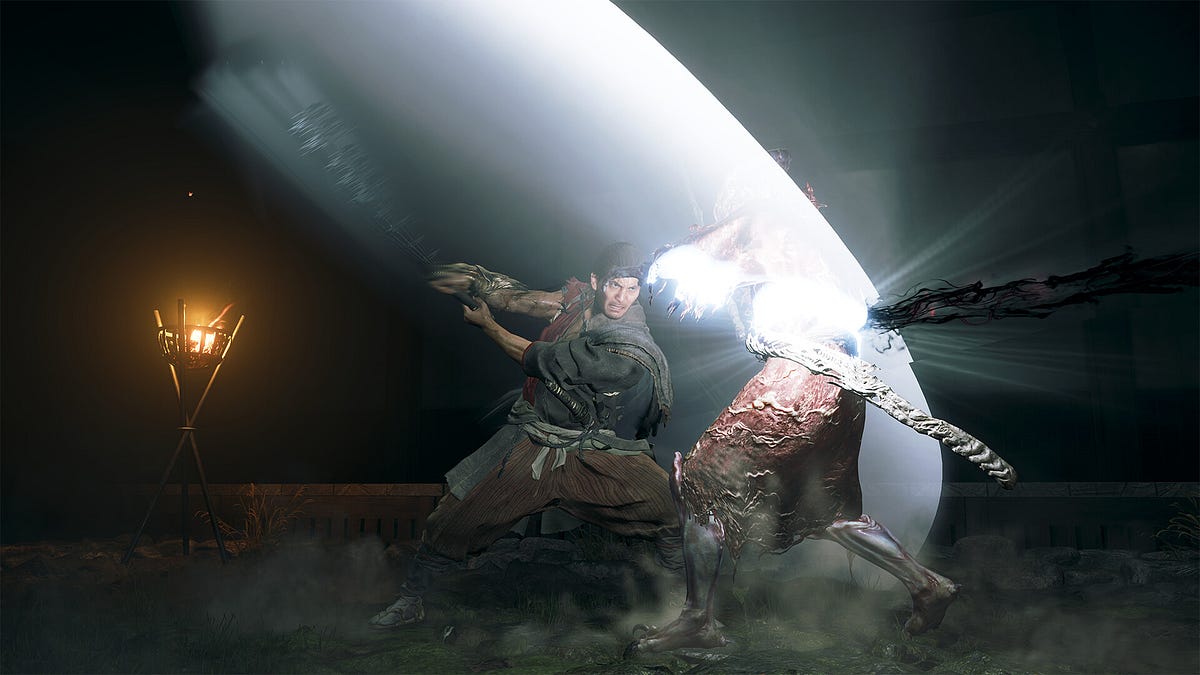
September's game release calendar is becoming unusually crowded, a trend made clear by Sony's latest PlayStation showcase.
- The U.S. gaming market grew to 212.3 million players in 2026, an increase from 205.1 million the previous year.
- September features a highly competitive release calendar, with major titles like Marvel’s Wolverine (Sept 15), Dune Awakening (Sept 22), and a cluster of releases on Sept 24, including Silent Hill Townfall and Dragon Quest XI S, strategically scheduled to avoid the November launch of Grand Theft Auto VI.
- The Tokyo Game Show (Sept 17–22) is driving a surge in Japanese software releases, with multiple titles from publishers like Konami, Capcom, and Square Enix launching immediately following the event.
Making the Grade: First Batch of Quarterly Earnings Yield Mixed Results
The document analyzes the mixed results from the first batch of quarterly earnings reports in the video game industry, highlighting a period of decline despite some individual title successes.
- Sony achieved a 53% year-over-year increase in gaming revenue to $9.7 billion, fueled by an 82% surge in PlayStation 5 hardware sales.
- The industry is undergoing a post-pandemic correction characterized by widespread restructuring, including layoffs at Microsoft and Hasbro and project cancellations at Electronic Arts.
- Microsoft reported a 13% decline in gaming revenue, while Electronic Arts missed earnings expectations due to mobile segment struggles and title delays.
Sony's Obsession with AAA Blockbusters Damages Small Studios and Leads to High Turnover
Sony's strategic concentration on AAA blockbusters from a handful of elite first-party studios is undermining its smaller and less experienced teams, driving staff departures and cancelled projects.
- Sony has shifted its internal strategy to prioritize high-budget AAA blockbusters, effectively abandoning support for smaller games and niche markets like Japan.
- The reorganization of Japan Studio, known for titles like Gravity Rush and Knack, resulted in mass staff departures as Sony moved away from smaller-scale development.
- Sony rejected a pitch for Days Gone 2 from developer Bend Studio in 2019, despite the first game's commercial success, citing lengthy development times and mixed reviews.
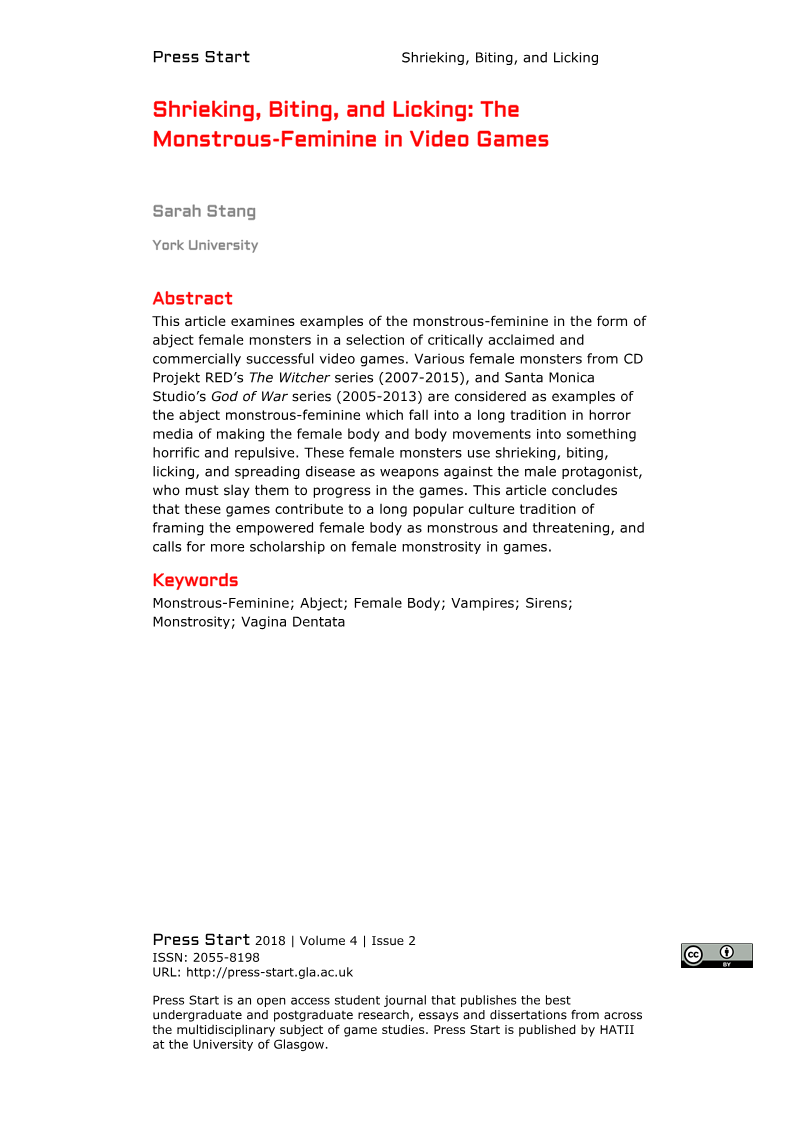
Shrieking, Biting, and Licking: The Monstrous-Feminine in Video Games
Sarah Stang, of York University, examines female monsters in two critically acclaimed and commercially successful game series: CD Projekt RED's The Witcher series (2007-2015) and Santa Monica Studio's God of War series (2005-2013).
- Female monsters in these games use their voices, bodies and bodily fluids as weapons, specifically shrieking, biting, licking and spreading infectious disease. The author argues these monsters must be slain for gameplay to proceed.
- The author identifies a consistent pattern in which Sirens, Bruxae and Banshees use their voice to stun their adversary before attacking with claws, fangs and tails.
- The Plague Maiden, or Pesta, is described as the most abject of the female wraiths because she spreads disease.
