Fortis Games
Company
5 documents in the library are about Fortis Games, from writers such as RGDA – Romanian Game Developers Association, Mobilegamer.biz and Naavik. Each has a summary and key insights with the page they come from.
Connections
Each row is a game or company named alongside Fortis Games, each column a document, oldest first. A mark means that document names it. Select a row to see those documents.
Documents about Fortis Games
Fortis closes, Rovio cuts, Google Play Store woes, PIF x Unity(?), EU proposals slammed, more
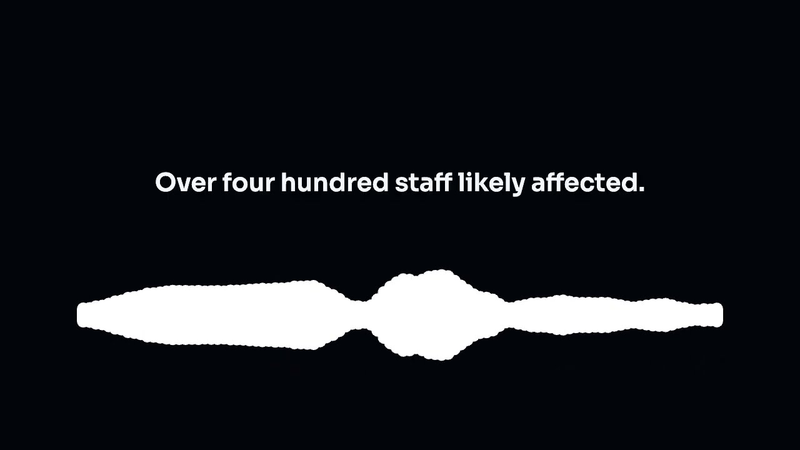
The episode covers a busy week in mobile games, led by the closure of Fortis Games, the Las Vegas Sands-owned studio that launched in 2022 with three acquisitions but never released a game globally.
- Fortis Games is closing and terminating all staff worldwide, affecting over 400 people. The studio launched in 2022 with three acquisitions but never launched a game globally, and its soft-launched Twilight Towers was shut down.
- Take-Two's mobile bookings fell 13% year-on-year, driven by Color Block Jam's double-digit decline from its peak, and further mobile decline is forecast for Q3 and the full year.
- Reuters sources say Saudi Arabia's PIF may bid for Unity, potentially worth up to $25 billion, following PIF and Silver Lake's $55 billion acquisition of EA.

Can Portugal Become Europe’s Next Gaming Powerhouse?
Portugal is rapidly evolving from a traditional exporter of technical talent into a burgeoning hub for original intellectual property.
- Portugal's gaming industry has experienced significant growth, with total turnover for domestic companies rising from approximately 5 million to nearly 100 million between 2018 and 2024.
- The primary challenge for Portugal’s gaming sector is transitioning from a talent exporter to a hub for original intellectual property (IP), which requires local studios to scale their own successful products rather than relying solely on foreign investment.
- Large-scale studio acquisitions often lose value over time due to a failure to align strategic goals post-merger, a trend observed by Jefferson Valadares during his tenure at Fortis Games and his analysis of Electronic Arts' historical M&A activity.
The Romanian Video Games Development Industry
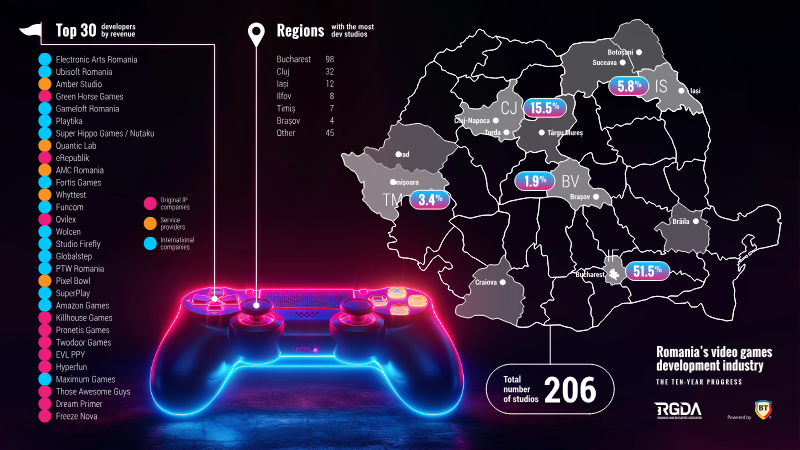
Romania's video game development industry has grown substantially over the past decade, according to a ten-year retrospective covering 2015 through 2024.
- The Romanian video game industry has nearly tripled its turnover in the last decade, growing from approximately €119 million in 2015 to over €340 million in 2024.
- The sector’s workforce has expanded at an annual rate of 12%, with total headcount projected to reach 343,160 employees by 2024.
- Market dominance is held by major multinational publishers like Electronic Arts in Bucharest and Ubisoft in Cluj-Napoca, while mid-size studios such as Amber, Green Horse Games, and Playtika contribute between 5% and 15% of total earnings.
Unlocking Portugal's Game Development Industry
The Portuguese game development industry is experiencing significant growth, marked by a substantial increase in studios, revenue, and workforce.
- Portugal's game development industry experienced significant growth, with its total turnover surging from €5.5 million in 2018 to nearly €39 million in 2022, and the workforce growing by approximately 53% annually since 2018.
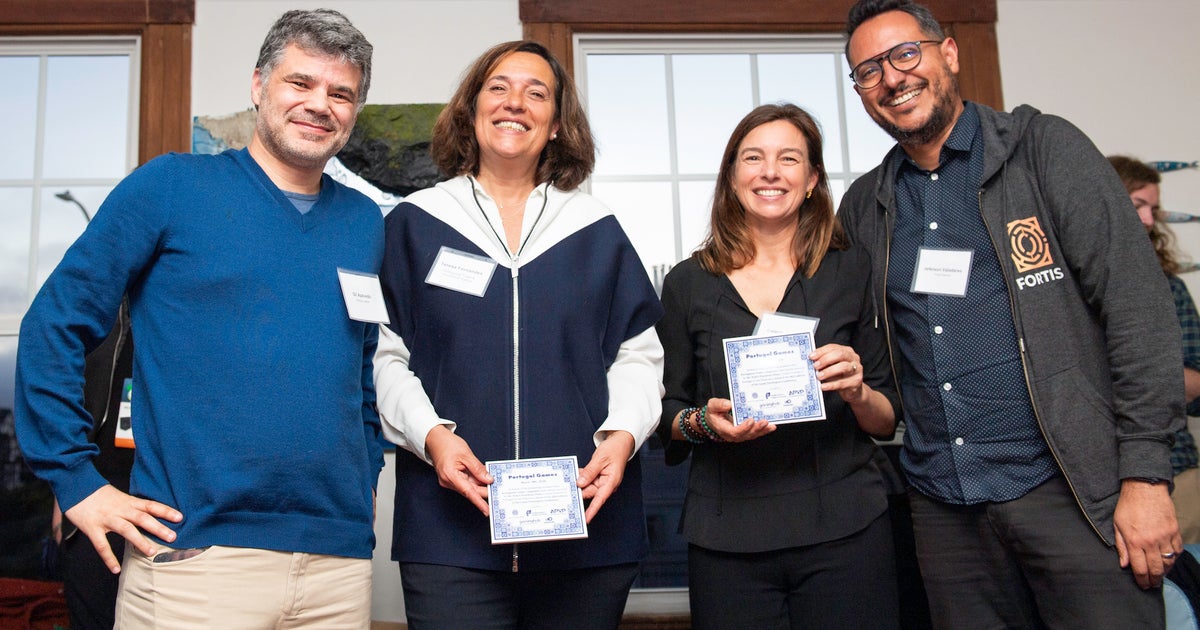
- The Gaming Hub, Portugal's first dedicated space for game startups and studios, has opened in Lisbon, with Fortis Games as an anchor tenant, aiming to foster collaboration and growth within the industry.
- Portugal is establishing itself as an important tech hub due to its high quality of life, strong English proficiency, and a large number of engineering graduates (over 17,000 in 2022), attracting talent and new studios.
Video Games in Romania 2023
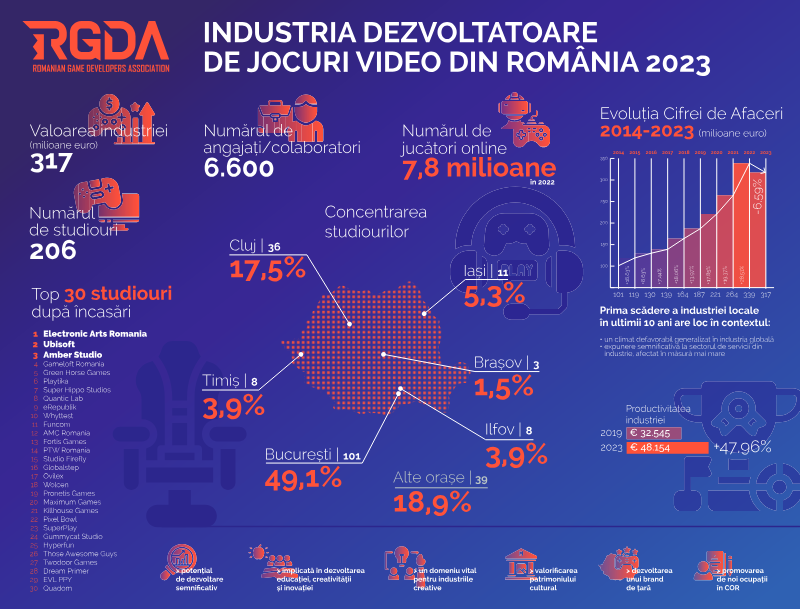
Romania's video game industry posted its first revenue decline in ten years in 2023, with turnover falling 6.59% to 317 million euro from roughly 339 million in 2022.
- The Romanian video game industry reached a turnover of approximately €6.6 billion in 2023, supported by 350 active studios and a workforce of 6,600 employees.
- The sector experienced a 6.6% contraction in 2022, marking the first decline in a decade due to an unfavorable global economic climate and service-sector volatility.
- Industry activity is highly concentrated in key urban hubs, led by Cluj with 36 studios and Iași, which accounts for 17.5% of the total studio count.