
Transcript
[music] Welcome to the Navit Gaming Podcast, where it is our mission to explore the business and future of video games. We bring together the industry's brightest builders, investors, and thinkers to keep a pulse on current events, dissect emerging trends and games, share lessons learned, and have a great time. This podcast is also part of Navik's growing ecosystem which ranges from free and premium research to consulting and advisory services. For more information, visit www.navic.co. This episode is brought to you by Dive. Most game studios have data. They just can't use it. Reports are slow, systems are fragmented, and the insights that should drive revenue stay buried. Dive changes that. Dive is a fully managed analytics and live ops platform built for game studios. No data team required.
An impressive 95% of their clients grow revenue in year 1. You can learn more at dive.game/scale or simply check out the link in the show notes. This episode is brought to you by Appch Charge, the payments platform built specifically for mobile gaming that processes over a billion dollars annually. Their web store and payment links share one gaming tune checkout and merchants of record infrastructure, a 96% order success rate, a 0.1% dispute rate versus the industry's 0.83%. Gaming specific infrastructure means the most net revenue on every sale. Just ask Productm, Triple Dot, and many more worldclass publishers working with Appcharge. Head to appcharge.com to see how the numbers stack up, or simply check out the link in the show notes. Now, let's jump into today's episode.
Welcome to the Navic Gaming Podcast and
your host, Kaylee Moore. When we talk about where games actually get made, the maps in most people's head hasn't changed in 20 years. We have the US, Japan, a handful of European strongholds like Helsinki or Turkey for the mobile industry. But some of the most interesting movement in industry right now is happening in the edges in places that were until recently better known for exporting their talent than for keeping it. Portugal is one example of this movement. Between 2018 and 2024, the turnover of Portuguese games companies went from around 5 million to nearly 100 million. Studios are being bought by the likes of Buncom, Saber, and Foris. Senior developers who left in the 2010s are moving back, and a country that has spent decades as a talent exporter is now trying to do something much harder by becoming a home for original IP. My guest today has lived every layer of this story. Jefferson Valadarz has been the studio GM at
Electronic Arts, an executive producer at Boware and head of mobile at Bandai Namco. He left San Francisco for Lisbon to co-found Dopio, a boy's first game studio backed by Amazon and Google, which was then acquired by Foris Games, where he went on to lead studio acquisitions. Today, he's back to building from scratch. He's the co-founder and CEO of Part Nerd, a veteran studio making original co-op games for the Nintendo Switch 2, and he's president of the Portuguese Game Developer Association, which puts him right at the center of the exact transition that he's been betting his own career on. Today we're going to talk about whether Portugal can become Europe's next gaming powerhouse, what that would really take, and also what the industry keeps getting wrong about emerging platforms, and why Jefferson chooses to keep building early rather than staying safe. Jefferson, welcome to the podcast.
Hey, thanks for having me.
All right, so I already mentioned in the intro, you've really had kind of a seat at every table. uh studio GM at EA, EP
at Boware, head of mobile at Bandai, and you were also on the board of Roio uh before their sale to Sega, then you were a founder, then you were a corporate acquirer, now you're a founder again. I really want to hear what did those AAA years teach you when you're founding your own company and what did you have to unlearn at the beginning of founding your company?
Yeah, I think it's interesting. I when you start I'm originally from Brazil so like when when I started there's no resources no anything right so you you learn how to wing everything I think that's a and a founder you kind of do a little bit of that too right when it gets to the big leagues when you know when I moved to Yay for the first time uh then you get all these resources you get media training you get all this the stuff right that you you don't normally get as like a a founder uh some I mean not everything is good but I would it there's there's a like I think it's helpful to know when it's
when it's time to like cut some corners and like do something cheap and quick and and but sometimes it is worth doing properly. Sometimes it is worth doing like consumer research testing like putting all the effort like hiring a consultant to kind of help you with this thing that you you don't contri you're not an expert in you know
uh so I think a lot of the startups they're they're trapped into like the winging it mode which is good but they should probably be really good at a couple of things right and I think the big corporates are in kind of the other way around like they're they're trying to do everything at like super crazy level but really they should be winging a things, you know. I think so I think for me what I learned is like now that I have this palette like I can kind of pick like okay this thing no this is not worth like spending a lot of money like let's just do this thing or no no this guys we got to stop this and do this properly because this is important you know.
Do you have an specific example of something that you either brought in extra help for or you did something properly maybe either Adopio or your
current company that before your AAA days you would have been like no no no let's keep this in house. Um I I actually give an example at like the the AAA because I think that that's like the example I like to give to people like how transformative getting the right help can be like I we acquired when I was at at Bware we acquired a studio in Sacramento like in California they were really like they were startups so they were like really you know they they would do everything etc. But they I mean they were not great at like game making like they they made like stuff at Flash and PHP. They like they had like some very basic like tech and and the design was like had a lot of good instincts but not a lot of like theory or quality, right? But they had something the team had something and we recognized that and then we when we acquired them we kind of changed like their tech and improved like a lot of the things on the design side. They were making like trading card games, right? And then we're like, okay, how do we teach? But they never made these games before. Like, how do we get them better? So, we said, okay, who's really good at this? And then we looked at Richard
Garfield, a guy who created Magic. And then we called him like, "Hey,
can you come and do some consulting for us?" And then he came like, so his company came. Like, so we he came to the office, he met the guys, he kind of played the game, gave some feedback, and then explained how the stuff should work, and then he disappeared for a couple months, and then he came back and played again. So like and that team war game was like was acquired and didn't weren't particularly good. Eventually they made like a top five mobile game like uh Star Wars Galaxy of Heroes like a really popular game but but that was a story that was built over a few games but it started with us bootstrapping the studio like okay we got to bring some help because you know they they need this specific help right I mean if if you think about dollars consulting dollars that we spent I mean in the long run is was nothing like a drop in water you know like but but a drop in the ocean but like obviously as a startup you probably look at that amount like I'm not going to pay that guy like this much money, but it can be
get that guy too, right?
That's right. Yeah, he he probably took the call because it was Yeah, that's
that. Yeah,
but uh but yeah, I mean sometimes you can get these things, right? And I think it it's not always worth it because like you you got to as a as a with limited cash, like you got to figure out what's worth it,
but with the right thing, it really can be transformative. Yeah.
And what about on the other side of that? I think you'd mentioned that a lot of AAA studios should do things maybe scrappier and I think we've seen a lot of that also just with AI and who's moving faster, who isn't, who's cutting corners. Do you have any specific examples from your more maybe more corporate days that you that you can speak to where you wish things would have moved at a startup pace? Yeah, I would say the games games are a strange thing cuz like you you you can't just like write something on paper and then it's going to be amazing, right? Like there's a lot of work like between the idea and the the concept and sometimes you just can't make it work. Like stuff that sounds good in your head doesn't work in software. And I think and and I think a lot of big companies fail at I mean if you talk to people
they know it but the the process and the way the company is architected does not respect that right so a lot of games that probably should have been killed early because you already know it's not going to work people like no no no we can fix it and they kind of keep working on it and then it becomes a big thing and because there's so much money attached to it then people want to like put some more money and I'm not saying everything should be given up early but but there are some things that like okay you try a couple times, it's not working like you should stop. And a big companies quite often people might try and then eventually they might even ship the game because they had a commitment someone had a committed to somewhere like and then but if you ship a bad game like it like what's the point? I mean there's I think there's an error before you know maybe PS2 was like the last time where like you could almost anything you could make with the right brand and the right gameplay like you would sell some but with freeto play that that that became zero. like if you make a bad game, you make zero dollars, right? So I think so the the the risk of
like not recognizing this early enough. Um but there's a lot of pressure like in shipping.
Yeah.
Uh a lot of people talk about failure and like failure is okay and part of the process, but a lot of people don't like it in practice. So like you just say like, "Hey, we're going to cancel this game." Like people say, "Oh my god, it's a big failure. Like who's going to get fired for this?" I'm like, "Dude, this is game development." Like it's going to happen. Like
some things don't work.
Yeah. And and I think that's one of the things that companies like Supercell did really well is because they they really celebrate this, right? And they kind of showed I mean a lot of people knew this, but like they somebody else needs to be successful doing it so people can actually like feel comfortable doing it, you know? But uh
yeah, the the it's okay to fail. It's actually part of the and it's better to fail and stop soon than to like fail expensively like so I think yeah this this is one of the I'd say probably the biggest thing that large companies should learn. I want to jump to another part of your career. So at Fortis you spent a stretch of time on the other side of the table actually acquiring studios which must have been so interesting after building in that
entire process. I would love to hear a little bit about that vantage point and what did it show you about why teams succeeded or failed that you might not have had from the operator perspective?
Yeah, it's interesting. I've I've uh I think you you mentioned I'm really lucky with my experience because I I have definitely seen many sides of stuff right and I think one of the I was at a company that got acquired by Playfish which is like a studio in London when I was there at the time like and because I had just come from EA like I kind of helped like some of the acquisition stuff so I kind of already had seen like okay what happens when you're acquired uh and then when I was at um in the US at Bware when we acquired the student in Sacramento we had to integrate them, right? So I I I wasn't part of the deal, but I was part of the integration team, right? So trying to figure out, okay, what do we do with this? So I kind of had already seen from a couple of angles how these how this happened. And so when when I was actually in charge of like, okay, finding the studios, I mean, honestly, the first thing I think most of the acquisitions fail because there's
lack of alignment into what the companies want, right? So I think
part of the problem is the acquirer doesn't know what they want. And I think sometimes like what do you what do you want to buy? Like do you want to buy IP? Do you want to buy like revenue? Do you want to buy like a team?
Yeah.
Uh do you want to buy like a skill set that they don't have? Do you want to buy tech that they don't have? Like you you really got to think about that.
In our case, what we wanted to do was like at Ford is we wanted to acquire teams that could create new games. So what we're looking for is like design talent, teams that work well with each other. We were not looking for games that had a game that was making money or we're not looking for IP or tech, you know? And we're definitely not looking for founders who wanted to exit and go on holidays, right? because like we're trying to buy a team to use them like in in as part of our studio, right?
When when I went out, I was uh spending a lot of my time trying to figure out the game. What do you want to do? Like do you want to do you want the resources to make better games? Like do you are you excited by the type of games we're making? Great. This is a conversation we should have.
No, you just want to sell because you you have a game that's making some money
and some people are trying to buy it. Like okay, good. But it's not for us. we don't need just a little bit more money on our on our like we we're looking for new teams you know and I think that's again that's I've seen I mean EA in particular did a lot of acquisitions and you know famously a lot of them didn't work out and I think part of that is that I think they usually end up buying something but then they fail to align like what what the feature is going to be like and then they end up losing some of the value like uh I don't know maybe five years later some a lot of the value is already gone right So, I mean, you don't want to do that. I think if you're if you're going to spend the money and acquiring companies is like super complicated.
Mhm.
Uh, I guess the other thing that helped was like because I I had just been acquired by Ford is I had just gone through the process, right? So, like I we did due diligence and all that stuff and it's like brutal
and I'm used to the investment due diligence, but that's like another level, right? To kind of go dig under everything and and we did that process. Uh so I was also looking for you know I guess it helped on our conversations
because I could honestly tell the guys on the other side like hey I just went through this like uh so I can you know I can tell you is there anything you like or like I mean I can kind of help you figure out what's going to look like. Uh so I think those were the the fact that I had gone through a few and including like directly being acquired myself I think put me in a place where I could have empathy and let me be able to kind of go and check like okay what you're what do you want really and try to get guys out of the sell self sell mode and like dude like okay what do you really want to do in 5 years cuz like if you just say something that you think is what I want to hear like maybe we're both going to be disappointed in a couple years you know so I think let's let's be honest
that sounds like honestly an incredible job. I'm a little bit surpris I shouldn't be surprised. I think we're actually seeing a lot of this particularly in the venture capital world of VCs going back and becoming operators again.
Yeah,
but that just seems like such a big jump. I'd love to hear I just want to hear your thought process of of leaving that sounds like incredible job to go
build again.
Yeah, it's funny. I never thought I would be doing this kind of acquisition type stuff. one of the the 40s like founders, he was the one who told me like, "Hey, you'd be perfect at this." And whatever, dude. Like, uh, I don't think so. Uh, and and eventually they kind of convinced me to kind of move and do that. And I started doing it and I'm like, "Oh, I get it now." Like, yeah, I mean, I kind of have like a lot of the positives like for this stuff, right? I don't have the deal. I didn't have at the time the deal making like, "Oh, you know, how how many X on this stuff, but you know, this is easy to kind of, right?" Yeah. So I I was kind of a little bit uncomfortable not knowing that part of the job, but that was honestly like easy to kind of pick up, you know, afterwards. So I think the the hardest thing is like being able to tell what a good team is, which I had done a lot of
when I was at EA. There's a couple of years where they sent me to trouble teams to kind of make them better. Like I did a lot of that work of like coming in everything's on fire and you're like the the guy who came for HQ so everybody hates you from day one and you kind of like have to kind of win their confidence and then
so I kind of did a lot of that. Uh that kind of stuff helped, right? Because you can kind of tell a good team a team that has good dynamics very quickly
which a deal guy would never know.
Yeah.
They they just go in and you know whatever like they they go have drinks with the guy and maybe that's enough, you know? But like in my case like I I could tell more from the team. So yes, it was great. I was having a lot of conversations really co-founders and a lot of people doing cutting edge stuff. So I think that was also good because when you're talking to the the the founders and the startups you're looking at the next wave, right? You're not looking at old old stuff because we weren't looking to buy money or like we're just looking to the future like new teams, new teams. That was also great. But I think at the end like I'm Yeah. I I just felt I guess there's a little bit of like a midlife crisis environment part of it. So, I was just turning 15, like I was about to turn 50. And I like my father just turned 80. I was looking at him like at his college buddies at a dinner like, "Oh man, I should probably soon be me. I'm going to be done." Like,
am I happy? Like, have I done everything that I wanted?
And I think this is like one of the things I wanted to do is like, okay, I really want to go back and make a game cuz when I started making an indig and and to really do it, you needed a publisher and all other things. like now the world has moved on to the place where like it's the best time to be an indie. I mean problematic that there's a lot of them. So it kind of it's hard to get to be spotted attention economy we're kind of speaking about early but like
but uh it is the best time to make like with a small team you can make something cool and you can kind of put it on out there for people to to play you know and I've worked on a lot of like IP games. I worked on a lot of like big company games, right? Like Simpsons, Harry Potter, FIFA, Need for Speed, like but but I never had like a game that I made like people like be excited about, you know? So that was kind of like I think the one of the hills I hadn't done and I was like, okay, I got to I was kind of looking for like I need to do that. And he was very comfortable when I was at 40s, but like he and you know, I love the guys and stuff, but like it was just
like, okay, I got to I got to I need to do this for me, you know?
Yeah. I'm going to jump around a little bit because I do actually really want to talk about partnered which is your your new company and I also want to go back to what you were saying of um building teams right so actually first why don't you tell me a little bit about partnered and I also want to hear particularly of you're building games just for Nintendo Switch 2 correct so I want to hear a little bit about the company why the company but then also why Nintendo Switch 2
yeah there there's a reason behind all that so I think like so when we when I was when I decided to leave I was like okay I took a bit of time and I'm terrible at taking time to think about this stuff. I think this is like one of the things that like people in the US are very good at and like I've always jumped from job to job like I can't have any breaks and
but you know I I mean the point in my career where I can afford a little bit more so I I I I told it's going to be a month but it ended up being like three or four like you know it was it was good. So I was starting to think, okay,
what do I want to do? And for me, it was something about I want to work with like a small group of people that I enjoy like working with but also hanging out like so this is like one of the bars for me.
And the second part is I want to make games that like we all enjoy playing.
And then as a professional game developer, you can always do this. Like many times I had to work on games that like I wasn't connected personally, right? I mean this just happens. But like
and it's fine, right? It's a job. But like in in in our case, we're in this place where like okay, when I have a small team, people were like
why now? Why why with the switch, right? I mean, I think in my case, I feel the games industry got a little bit too greedy in general like and it's all about money like at some point. I mean, money is always part of it, right? But I think and it's a business. And I'm not like poo pooing on that like I've obviously worked at big companies and stuff but it's um I felt when I was
seeing executive conversations or green light meetings or stuff like people are talking less and less about the game and just talking about like oh ad spend and all these things and and nobody questions like is is this game fun like like what is it like is is anything here worth building and people just trying to optimize for these other things you know so they kind of lost a little bit I think of that magic that makes games like what what they So when I was looking for like, you know, what I want to do, do I want to work on mobile? I'm like, no. I mean, it's this it's kind of gone, right?
And you know, I worked I made a lot of mobile games. So I'm not again I'm not but I think at this moment in time I'm like I'm not interested in doing like freeto play or mobile. Uh, and then on the console business, I I I I think Nintendo is one of the in my mind the best company at trying to juggle these kind of being a little bit innovative, being a little bit about the fun, but still making money. So, of course, they're a business and they sell stuff like expensively sometimes and, you know, they but I think they kind of balance these three things in a really
well way. So, I think in in my case, in I guess in our company's case, we we thought, okay,
let's just work with them.
Yeah. Yeah,
cuz I was also trying to like limit where's multi we don't have bandwidth to handle like let's do a crossplatform game for like multiple like dead launch. I mean technically it's easy to make the game that runs everywhere but like then you got to sell it everywhere and like and it's work and in our mind it's just like okay what can we make can we spend all of our energy making the best game we can. So you know people ask me like how many meetings I have at games and I'm like I just I'm just meeting Nintendo. I mean that's the only meetings I have right like everything else is like well some work on the association and then uh some meeting friends but like business-wise it's just I'm not seeing our publishers I'm not talking to other platforms I'm not
so it kind of simplified our lives because we're like okay we know what we're doing it's very focused
so we and and we can spend all of our energy making a game that hopefully people like cuz if if you have something that people like then everything else is
easy after that you know but like building that first thing it's really hard and we just wanted to focus.
And do you think that will change? Like so let's say you build the hit game, it's super popular on Nintendo Switch 2. Do you see yourself expanding to platforms once you kind of have that first down or do you just want to solely focus on one?
It's a good question. I think spiritually we would like to focus, but I mean it's a business, right? So if we get to a place where we have opportunities,
then we would look at it for sure cuz I think there's been case in the game in in the past where like somebody releases a game, it's really popular but then they don't kind of go to the other platforms and then clones come and take the space, right? Right. So this happens a lot and I think I'm not saying that we are corporate be corporate want to be everywhere or whatever but like we would look into like can we can we make the most of what we built and I think that so yeah we would look at different things but but
it wouldn't take away our focus from we probably still want to have most of our focus on with Nintendo I think but we would look at our stuff also. And then
the game you're building, you're you're building a co-op game, right? Okay. And and we know co-op is having a very commercial moment right now, but it's really it's enormously hard to design and monetize. So what's your thesis there? What can you tell us about the game?
Yeah. So we again like we we're building games for ourselves and we as friends. So like we're four. So like we and we play games ourselves. So we play a lot of games together like four people. So I think it's a little bit of like our okay we're friends that want to hang out. So every weekend we play, you know, a couple of hours get, you know, so this is kind of what we're trying to build. Like can we build a game that people like us can play? So it's like a game where you want to hang out with your friends or family. It's not a game, it's not a game where you go and search for people to play with. It's a game where you bring your friends. So it's all about that. So I think I mean there's different types of co-op experiences like ours is about spending a fun time with your friends and family. This this is the focus that we have.
It's online but also on the couch. So, and and I think that's another thing that we love about the Switch is because the Switch is the only console that
comes with two controllers, right? Like like every other console when you buy it, there's only one. So, like the Switch is already kind of like a family kind of friendly thing, right? And a lot of people have multiple of them at home and you can kind of so you can kind of play the games. So, that's that's what we're going for. We're trying to figure out, okay, games that you can kind of hang out. It's not a game that I play every day. It's not about DAU. It's not about like, you know, buying the skins every couple minutes. It's like a premium game. So you're going to pay X and you get the game. I mean the Switch 2 has a feature called game share that one person playing the game like the other people can join without having the copy of the game.
Mhm.
So we obviously building with that in mind because we want people to be able to as long as somebody has a game four people can play and that's fine. Like we're happy with that you know and of course if they want the game too to kind of play with their friends great they can buy the game but like we're not going to force people to buy multiple copies.
We're trying to really think like
what's the kind of thing that would make us happy,
right? And then we're trying to do that. And it's funny because you're talking about learning and learning. Uh this is a bit different angle of that
conversation, but like we've been trained. All of us are veteran game developers, right? We all worked for in many companies and stuff.
It's very hard to unlearn like these things about like oh but like was the demographic this is for or like what's the should we go test this thing? And I'm like I mean you can ask everyone like a lot of the things I do is like at least a couple times in every meeting is like no. What do we want to do?
Yeah,
because it's and you know, of course, we do like some commercial stuff. You gota at some point you got to do marketing. So, you got to like do some assets and stuff. I mean, there's stuff you got to do, you know, like like um sometimes you're just going to make your Tik Tok content, you know, like but uh but [laughter]
in our case like we when we're creating the product, we're really trying to protect it from those things because they're like, "Oh, what would Nintendo like?" I'm like, "Don't care. Like, let's let's like what do you like in the graphics, right? Like, what do you want it to look like?" But our instinct is like, "Oh, we got to go look at all the other games on the platform and see what they look like." And I'm like, "No, because then we're going to end up look like releasing the same thing. We don't want to do that."
I think the world is in a place where so much stuff that people are looking for
like genuine things, right? They're not cuz there's definitely I mean, if you're just going to make a generic thing, like, who cares? Like, there's so much stuff out there. There's so many games. I mean, why? And for us, it's the same. Like, why would we make another game if it's just going to be a game that already exists? So, we're actually pretty proud of our game. Like, it's it's a strange concept. It's it took me months to come up with a way to describe it because it's a little bit different. Uh when I showed people, people are like, "Oh, I never seen something like this." So like So it's still possible to do these things, right? Even though it's 2026 and technically everything has been done. But I think you can still find new things,
but you got to try. If you're just like going to follow best practice or do other things, you're not going to get there.
I think it's amazing to be at the point in your career where you you know that, but can also trust your gut, too. That's
That's true. I think a lot of it is the comfort of like having experience. Yeah. And knowing like
we obviously use a lot of best practice in the point of view of like okay we don't want to like we need to decide these things now otherwise we're going to be screwed later in production so we
got to finish proper pre-production all the stuff. So we use a lot of like our experience. It's really more about understanding that the the consumers have changed and they want like new things. They want they don't want like I mean at some point tr is a game you had to have like at least 40 hours or like you know there's all these stuff all these rules that they're not true anymore. The the word is more fragmented so there is an audience for almost everything.
You got to find it.
Yeah.
And in our case yeah it's like we we just got to be if you're going to be true to something let's be true to ourselves and then hopefully there's more people like us and of course it's going to be a well done game because we're like professionals right? We're not going to that's different from like being like a indie startup like who never built anything. So we're not going to make the basic mistakes. We're going to make some mistakes but
more advanced mistakes I suppose. But
but yeah the it's we're really I think those few months when I was trying to think about I was trying to capture like okay where is the world and right now? What do people want? Where do they want to get it? Uh what
what partners do we want to have? Because you know like I remember fundraising fundraising like I don't know man like I guess some people really love fundraising but like for me it was terrible like I I don't I'm not like a natural sales guy and like I can do the work but like I'm not it's not my natural state and this this stress of like having a call with like a VC and then going to bed and waking up at 2 a.m. looking at their phone to see have they replied yet cuz a lot of the people are on the west coast or whatever, right? I was already here my last fundrais have they replied already go back like looking at the phone in the middle of the night. So like
was really trying to like limit this and because also as a co like if you you in a startup you got to fund raise and you it's a lot of the time so so you can't be connected to the the product, right?
But now because we're not doing all that stuff he actually allows me time to be in the product. So like we play the game every day like we have we're going to play the game in a couple of hours like as you know our usual meeting. So yeah. Yeah. This is great. We love it.
I want to go back to one thing that you said though like and just touch on it a little bit more is in 2026 what do gamers want?
It's a good question. I It's a bit different to I think depending on the group of people.
So how did you answer it when you were designing your game? So, what do what do gamers who we know play Nintendo Switch 2, who like co-op games, what do they want and what's something new that you can give them in that that genre on that?
Good question. Yeah. So, for us was like, okay, if we want to entertain friends and family who want to have like a good time like game night, right, type stuff once every weekend. It's not a so we're trying to think, okay, it's not a game that you got to come back every day. It's like a thing where you can just get together and play. We one of the things that we worry a lot about is like this this concept of like asymmetric skill levels. So like we want to enable like somebody who's really good and people who never play the game cuz we want parents to play with kids and with you know the maybe the the
spouses who don't play video games they can kind of come in and play stuff as well right so we want to make the game in a way that
even if you're not a gamer it's fun and I think like that's this is like uh a lot of the things we're trying to think about is like we're always trying and you know as game developers sometimes it try we over complicate stuff because we're so used to like having a lot of these mechanics and and and we're trying to do a lot of effort in like no keep it simple, keep it light, keep it fun. Uh but uh our our game is like a little bit physics based so it's it's natural.
Okay.
And it's different like when when people play for the first time, they don't really they got to play for like a few seconds until they get oh now I get it. And I think once they get it then the concept is because it's just throwing things around, people get it, right? And I think anybody can relate to that because it's like real world stuff. It's not like a
there's no like crazy story or like super weird concept. It's a it's approachable and again it's a game we're
not supposed to play by yourself. It's you're supposed to play with other people, you know, so you can help out. A lot of the play tests we do like we see people talking like, "Oh, you go that way. You go this here. Oh, but I don't know what to do. No, I hit why did you go for that guy?" And then like so so people are always chatting.
Yeah. Yeah.
And that's how we measure that we're doing a good job cuz I think we want to be that kind of entertainment that gets people together, right? And then they hang up, you know, like
um Okay. I one last question about your current studio. You mentioned you have four people on the team.
Yes.
You said a quote upstairs that I really liked. Do you want to share it? Do you know what you're talking about?
Four. Four is the new 20. Yeah.
Four is the new 20. Yes. Um, so it sounds like had you worked with your the three other people on the team before? Have you all worked together?
We've been working together since 2012. Yeah.
Okay. And you know, back to what you were saying at the beginning of this conversation, how you were brought in to uh to help I don't know if this is your phrasing, but this is in my head of of kind of fixing problematic teams,
figuring it out. You said in the beginning, you know, if a team is going to work together immediately or not. taking that knowledge, how are you going to continue to build your team? Are you just always going to work with people that you've worked with before because you're at that point in your career where you can do that? I'd love to just hear your overall take on team building.
Yeah. So, I think there's something good about working with people you already worked with in the past, obviously. So, I think that's good. So, we we are actively like collaborating with some of the people we worked in the past. That that's definitely a thing. And it does does make it easier because you kind of have a short hand with them already. Like I kind of have that trust which is really hard when you when you kind of you know just give somebody people to do like you got to trust that they're going to do it right. If if somebody already know then you feel more comfortable. That said I have learned in my career that it doesn't work 100%. So like sometimes somebody who used to work with you well 10 years ago it's no guarantee it's going to work now cuz people move on with their lives. people want different interests and you
know life changes. People have kids, they want to do this, they want to do I mean the it's no guarantee but it's good. It's a good thing to have. That said, I think it's very easy for you to keep it stale and like just focus on the people you already know. So like every company I've had like there was always a little bit of comfort but like my previous startup for example like was me and my co-founder but we hired like a lot of people that we didn't know because we wanted we're trying to do something new and innovative. So we wanted like young people who who haven't made games in in a long time like like us as part of the mix because we wanted that point of view.
Uh and I think with this is the same. I I we're already collaborating with some people that I never worked with before. Uh, obviously the the the caveat is like they worked with friends so I kind of become recommended and to me it's like a little bit of risk but but I like this idea too of like mixing up the the established trust and and things but you got to add some new
new perspective like I don't think you
should stick to like um just the even though it's comfortable and it's powerful. I mean it's very different if if I was just starting a team with four people I didn't know. I mean, there's no way we would ship a game in a year. Like, it would take years, right? Because it's like a or it would be we would fight and like some something bad would happen or odds are something bad would happen, right? Because we already know each other, we know that's not as much of a risk, but then the risk is like, yeah, we're just going to get stay. So, I think, you know, I'm trying to balance it out with new collaborators.
Yeah. All right. I may shift gears a little bit because we are, as I mentioned at the top of this call. Um, we are filming today in Lisbon in Portugal. I I live in Berlin most of the time, but I have to say I feel like I've lost half of my Berlin community to Portugal over the years. I know it is this booming industry. And so, one of the reasons I was so excited to talk to you is to talk about the Portugal because you are uh you are leading the Portuguese video game producers
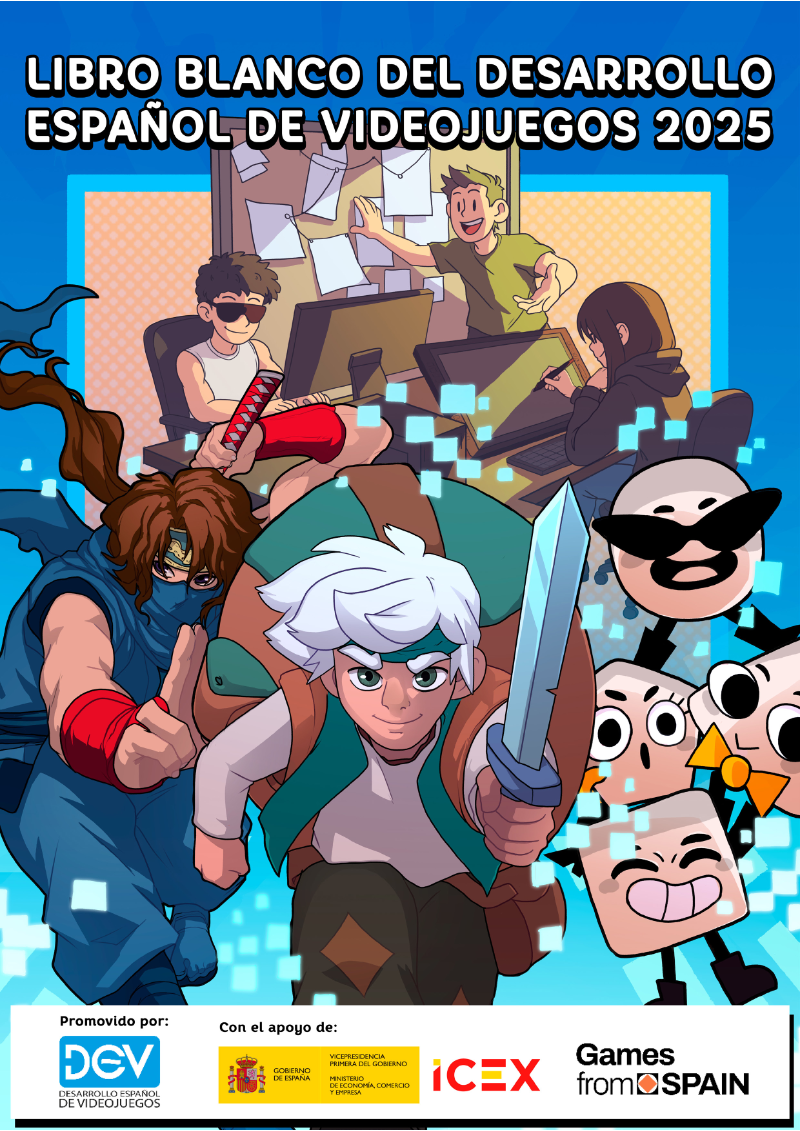
association. Is that correct? Right. So, let's talk a little bit about the numbers, which I know I showed at the top, but just to recap, between 2018 and 2024, the turnover of Portuguese game companies went from 5 million to nearly 100 million. And that headline is striking, but growth from a small base usually is. Um, if you strip out the multinationals who are operating in Portugal, how big is the Portuguese owned industry and does that metric matter? Yeah, I mean I I think in like ecosystems go through waves, right? And I think uh when I moved here, so you know I was in 18 in San Francisco, I I was uh deciding what I wanted to do next with my life. And then I was like, okay, maybe I want to start a new company again. Uh where you know being SF is good because you have the money and have all the connections, but I thought it was not a good place to spend the money and to build a team because people also move very quickly, right? So I think so I want to kind of build a team and and not
have the pressure of having to make something quick because the investor is all I can around you know uh and if you have a high burn then you kind of have to do something quick. So I I I looked into Europe again I had moved to do I mean I lived in Finland and UK before so I looked into those places like Helsinki, London. I also looked at like Stockholm, Berlin, Paris and Barcelona.
Lisbon was not on my list originally. There was a friend of mine in London who has a studio there who mentioned like hey you should check out Portugal it's really good now and I'm like whatever cuz you know in Brazil as when growing up Portugal was seen as like a backward place because you know like the like I never thought about Portugal like there's not not a thing that I would come to my mind but in 18 he mentioned and I we were me and my wife were like in Europe visiting all these cities to see which one we're going to be at and then when we came to Lisbon I was like oh I really like the vibe here because you know stuff's happening like you can see there's excitement
I I've worked I knew Portuguese talent was good cuz pretty much every place I worked there was always like somebody from Portugal like in Finland in UK
there's always like some Portuguese guys in the office right so I have a lot of Portuguese friends from from here but from who are not living here I knew them but um so I kind of knew that was good but I didn't realize you know the ecosystem is going through this revival and a lot of energy the startup scene and like I met I went to start at the time which you know in Unicorn factory now I went to visit them and I was like oh this this is cool and And it's not fully built up cuz I think if I wanted to
be somewhere where things were more evolved and like obviously London, Stockholm, these are like fully developed ecosystems, right?
Berlin had a bit of the the new thing, but it was already way further and and I think even Barcelona to me felt already like
and I felt Portugal is a bit easier as well to be an expert compared to like some of these other places. Berlin is good, but I think you know Barcelona is a very local place. like if you're not Catalan like things are a bit harder, you know, like even the Spanish people have a hard time there, but like if you're not from from Catalunia. So I thought, okay, Portugal and I I kind of obviously speak the language because I'm from Brazil, so I felt okay.
And it kind of has emotional like I'm from Rio and you know this one has like a real vibe, you know, like I mean
Rio is a little bit prettier, but you know, like this is um but you know, the the cobblestones and all these things like it's things that I grew up with as well, right? So I was like, "Okay, okay, I can see this. There's something here and then maybe this works. But I didn't know like it was going to work, right? It was a bet. Uh and I think I I made that bet a little bit earlier than most people as a lot of people here now. But I came in 18 when I wasn't that clear. Of course, the pandemic like opened up a lot more the stuff, but
was this pre- pandemic too. But so I came and I started meeting the ecosystem and a lot of the ecosystem at the time were really small companies like three four guys maybe there's a few studios which are maybe like 15 but like there's a lot of like really small teams and then there's like mini clip which is you know one of the the these companies who came to build a studio here and they built up a really big studio there over a few hundred people now.
Okay. Wow.
Um and they were definitely like the biggest everything else was like a little bit small. Maybe some teams are like 40. This reminded me a little bit
when I was in the closest comparison I have was Helsinki cuz when I went to Helsinki, Helsinki was not what it is today.
Yeah.
Right. And and I tell people like when I when I was when I lived in Helsinki wasn't cool. It was just cold. [laughter]
That's what now it's a cold still cold but it's cool too. Right. And it was not like at the time this is like I moved to Helsinki in 2005. So this like oh 20 years ago
but it was already there. You could see like there are a lot of companies and they were in a stage where like the local companies were doing well and then they were getting acquired by American companies right so Sumea which is the place where I work became like digital chocolate uh THQ artists became like or came and bought universal like um Rio Networks bought Mr. good living. So like there's like a few studios that were starting to do well and then like they were acquired, right?
Which I guess the story that happens everywhere.
But then so that grew the ecosystem a bit more. But the real change happened after that, right? Because these guys who the Fins are really good at like
engineering and like being practical and like they're they were horrible at marketing or like selling stuff, right? And but I think when you get acquired by an American company, suddenly you start learning how to sell stuff, right? because this is one thing the Americans are really good at is like how do I position this thing and like all other things and so you could see the guys learning oh yeah we can do you know like this is what people want this is how I can do it this and then the next generation the people who were acquired when they started their new companies then you see like supercell ro I mean these are like companies that became huge but these are like founders who had had some success they got acquired they leveled up and then they tried again and then it happened right and I think Portugal is in a stage where a few years ago a lot like a lot of the more promising studios got acquired including mine. So like uh ZPX here in Lis got acquired by Funkcom uh Big Moon in Porto got acquired by Saber
Mhm.
and like my company got got acquired by for so I think we're in that stage where
these founders are still working for the acquired com. I'm not anymore, but like all the other guys are. Um, and and moreover, the talent before if you're a talented person here and you wanted to work with games, the only place to learn was abroad.
Yeah.
Now that's not true anymore. You can you can be here and work for like a world-class company, right? Like Saber Man like So you're learning really good practices and you don't have to leave your country anymore. So I think that's a change and and that kind of volume of and quality intensity of like talent I think that's what's going to generate like the the next wave and and I I don't think Portugal is like prime time now but I think the prime time will come the next I don't know maybe five years there's going to be these companies that can change the the world you know because games is crazy like if you release a game like Superstar is a good example right like this small company they try little things and then suddenly they're like billions right
I think if you can take one hit, it really can change the country. I mean like the the the like games changed film
like the
when I lived there a third of their GDP was Nokia,
right? Like now it's nothing looks nothing like that and I think the the super is like the biggest taxpayer in Finland or something you know like I think so there's all these really changed the DNA of the country and I think uh that can happen here too but we need it's not enough in that sense. I mean it's good to have these these multinationals here because they level up the talent and you know there's more experience that goes around etc. But that doesn't change the country. What what changed the country is like local companies like making games and then becoming huge. This is this so this is like eventually what I think will change the environment here
and I want to talk about that prime time moment because I I think I read an interview of you one of the reasons one of the many reasons I wanted to talk to you was because of this interview and you you frame the goal as moving from talent exporter to a powerhouse of original IP
and those are really different economies so I I think when you say prime time we're talking about that original IP
moment right
exactly
what's the hardest transition to make that happen or is it simply time when the founders who have been acquired are going to start their own thing? This happens this happens a lot with like new you're talking about like how game development moved from like you know Germany, Japan, US like to to the fridges right and I noticed I I kind of noticed that when I was in the US like 10 years ago like cuz I was already seeing as an executive like decisions being made about like ah no this too this studio is too expensive SF is too expensive LA is too expensive like people are talking about these things so we can't grow we can do this oh let's buy this team in Australia let's buy this other thing and I'm already seeing if I wanted to make games that that was part of my guess motivation to leave San Francisco was like
if I just want to be an executive SF is fine
but like or LA right but like or New York but I think but if I wanted to actually be doing the thing like this stuff is going to be done more and more elsewhere
y
30 years ago like nobody knew how to make games it was Japan US UK right there's very few people knew but like
now like the knowledge is out there the tools are out there like anybody can make games so there's tal and there's talent everywhere
I think the a lot of these new ecosystems, they start they become technically good first or art good. Uh but it's very hard for them to create their own game. And I think that that product part is the hardest part like and I think because if you're just like a whole dev studio or an outsourcing studio, you're never leading the product
and that's one of the problems. I mean I have a lot of experience to in Romania. I never lived there. Bucharest is the city that I've never lived in that I've visited the most. I've been to Bucharest like know 70 times in my life like um because I worked there at EA but then uncle and for this like all of them had offices in Bucharest because the talent there is great but the the the teams there were always like helping out teams in other in the US or UK or whatever right so they were never leading the product so they have a lot of like talent but every time a studio that tries to make a game it's not that good
and I think that's kind of well that changed obviously but I think I'm
talking more about like maybe 10 years ago but like now you can see finally good studio studios there. But it's because some of these guys like the product guys had to leave and come back
or they actually worked in a company that gave them the product like Foris for example lets the product be developed there which is not common with like EA or Ubisoft or whatever like that that that tends to be more centralized. So those guys have have higher odds of being successful, right? And I think so that's what I think Portugal is missing. It's not the programming, it's not the art, it's like what games to make like how what for whom like how do we do this well and and that talent either you you learn in a big company doing it there or you make your own games but there's going to be a lot of failure that way, right? So I think so those I think as public policy this is one of the things we try to do with the government iss like how can we incentivize more small studios to release their things so they can learn without having to leave but also like how can we bring bigger companies here so they can kind of teach these things to people right
that's exactly what my next question was going to be about your work with the
Portuguese Video Association what the overall goals are can you tell me a little bit more about like what the work that you guys are doing to bring larger studios in here like what does that work what does that look like
yeah so we don't I mean we our main thing is representing the studios that are in Portugal right so like we these are our members and and this is mostly who we represent so we're trying to make life easier for them and this includes like talent like making sure that it's easy to hire people from abroad or to keep the talent here tax how to operate there's a lot of things that we try to do to help the ecosystem here be good now we do this but we always keep an eye on like how do we make the whole pie bigger?
Yeah.
And I think this is one of the areas where
we don't lead this work but you know the government has an agency called ISAP which is the like import export kind of helping him and they sometimes come to us and say like hey we have this big company who wants to come to Portugal. Can you guys talk to them and explain what it's like? So we always do that. So we we don't push we're not like you know
attracting people but we're we're trying to make sure people understand what's good and what's bad cuz you know that's also the thing I've when after I move here as you can guess like in 2020 or 2021 there's a time like every week I had the friend calling me like hey you're in Lisbon right like how is it over there like is it and you know I was trying so I was trying to explain it's really good if you want to do this kind of things but you know you're trying to make a PlayStation 5 game that's going to need 100 3D animators like don't come here because like they're they don't exist here right? Like, but if you're trying to do something new or try and feel different. So, this is kind of the conversation we do. We we work with the government when when there's interest, we try to say, "Hey, Portuguese is really good for this stuff, maybe not as good for this stuff." And then we let them decide. But, yeah, we try to help connect them with the ecosystem like, "Hey, here's we're going to have a meet up. So, if you want to meet some new talent, like here's the place to come." Mhm.
So, we try to like integrate them in the community and and obviously paint like an accurate and positive picture of the location before they come
to see if they come.
But yeah, that's kind of the extent of it, I think.
I want to talk a little bit about your previous game that we've uh blown over. So, Dopio, it was an early bet on voice as gaming as a platform, which man, you were early. How do you look back on that bet now?
Yeah, it's funny. Like I think when we started uh me and Chris my co like we we wanted to do something different
and I think at a time we looked around actually like if I go back a little bit further like there's been times in my career that I wanted to do something I think 14 was I was in between EA and at the time I was thinking like should I do a company around that year VR was everything. Everyone's like VR VR VR VR and I'm like I'm not that excited about VR. Um, so I set that one out and you know just stayed like with the job job. But I think in in 171 18 like Alexa all this stuff is kind of starting and I'm like oh there's something cool about like being able to talk with a game cuz like we have done a lot of games like this but we haven't done a lot of stuff
like this right there being a couple games but like
and I thought this could be there's an opportunity here to make like a an Angry Birds type thing because Angry Birds was a game that was possible with a touchcreen like before it was kind of hard to make that kind of experience but when the iPhone came and people figured that out
it felt native to the thing but it was a new experience right and that's Why I think it exploded and in our case like okay we can probably do it's a new platform it's exploding at the time like everybody was getting like voice assistants at home was like the their their adoption curve was crazy at the time like was faster than internet faster than everything and so we're like okay this is becoming really popular
if we can find a game that's played in a way that nobody ever has ever done like this this this could be something really cool here
so that's kind of the the motivation for us to do that now we're definitely building on top of other people's platforms right which is always a bit of a risk and and new platforms too. So I think Alexa, we started on Alexa cuz they're the first one who had monetization. Google didn't at the time nor Bixby or some of the other ones. I remember Samsung calling us. I'm like, "Hey, you guys should really like your
games. You guys should come to our platform." I'm like, "Can we make money?" And they're like, "No." And I'm like, "Okay, so there's your answer. [laughter] I'm not going to make games for free." Um, but and as soon as Google opened like on Google Assistant, the monetization, we went to Google as well. But yeah, they we kind of noticed that they weren't really investing. I mean, we still think at the time like if they kept the investment, maybe it would have become something, but we kind of noticed like, okay, they're not. So, we we got to figure out like what do we do? So, we pivoted a bit into Zoom because this is already like, you know, 1920.
Oh, yeah.
And Zoom was releasing in the Zoom apps. And we made actually one of the Zoom app launches. There's like a chat a game that you play over chat, but it's voice. So, as you're saying a word, the game is listening and if you say the right word, you get a point. If you say the wrong word, you get dinged, you know. So it was like it was honestly it was one of the best part types I've ever made. It was a bit of magic like people were playing and the game was just keeping score and like and and it was hands-off game like you're just talking to your friends and the game was like moving you know so it was really cool. Uh so I felt okay there's
something here too but then Zoom like never they promised like some stuff that never came out and then they never monet monetized that super strongly
and then of course the the tail of the pandemic came.
Yeah. And I think a lot of people still use it for work, but not necessarily for like personal stuff. And I think so I think which is what we're trying to do. We're trying to do like not there's a lot of like B2B content stuff like you know oh game you can play with your co-workers whatever but we didn't want to do that. We wanted to make consumers but you know that that uh we so we kind of said okay let's go build our own platform. And then we kind of made a plan because we think there's something here. Uh and then we were fundraising. We actually had a term sheet with like a Silicon Valley. We're kind of like negotiating the paperwork. Going forward is decided to like make an acquisition bidden and then I had to so I had to like stop and think, okay, do do I want to keep going or do I want to sell?
Yeah.
And knowing I mean the acquisition closed in November of 21. So like I'm clearly a genius because I made the right call cuz if I I sold at the peak of the market because the market went to
like into disaster mode 3 months later. But like I didn't notice, right? But it was just like the feeling of like I think I'm more aligned with the games company and and they kind of like what we're doing. They said we're going to give you the resources then if I just go into the VC world and then who knows right like
guess I'll raise just enough money to not just roll the clock for another 12 months and then you know so I was like you know what like I think it's it's better to do this but clearly was like I'm a genius. So
I love it when timing works out. Okay. So, you've said that the next G decade of gaming won't resemble the last. What's the specific shift that you think most of the industry is really underestimating right now? I I think we took for granted because for a long time games were being led by the same group of people because games didn't exist until like you know 70s ' 80s and then suddenly the games were so it was just basically the same group of people making the games like bigger and better and more better
graphics and all the things right and then there's generations who grew up with that so they kind of just follow that influence
but I think what's happening now is like
the younger generation like they're not growing up but like by playing GTA or or those things. They're growing up with like Roblox and Minecraft and and and it's really a different gaming experience cuz they're they're playing with their friends. They're kind of making their own content a little bit.
Uh the graphics are terrible and they don't care because they're there to have fun, right? So I think what that happened is like actually enabled a little bit I think the indolution because now for the longest time if you if you want to make a game the graphics need to be amazing and all these things. These are not true anymore. actually like the more money you put in the game, the probably the more trouble you're going to be like to kind of get it back, right? The audience doesn't care about graphics. They care about fun. They care about something new. They care about like, can I can I do this with my friend, right? Can I see somebody playing on a video? I think they're like the the way they interact with games is like I remember in the beginning people
saying like, "Oh, influencers like YouTube. We got to make a game that people can kind of make a video of and like a lot of people work with. They're like, "Oh my god, I really want to do this." Like but I think I mean I'm not saying that you got to do it but these things are happening. So I think the the yeah there will be weird shape games compared to the traditional stuff coming out both because the consumers are more open to random stuff but also because again games used to be made by like three countries for a long time right it's like US UK Japan like and then Germany and then now every like there's games from everywhere like a lot of the games that people play these days they don't realize they were made in Indonesia or Thailand or like in Brazil right
uh and these these people are coming up with new games like that were not what we used to play 30 years ago. So I think that's that's the difference is like everybody already plays games. So that happened like let's say maybe 10 years ago like it got to a point where like pretty much everybody had played a game like this is so so games had already gone to that place so like everybody knows what the game is and they kind of
everybody plays even if they say no I never play any games.
Well what do you do when you're on the subway? Oh yeah I play some kenny crush but it's not a game. I'm just like okay fine you don't play games. I asked every one of my women friends. I was doing research for something and everyone said, "I'm not a gamer." And I'm like, "No, no, tell me like what every single person have played like at least an hour and they're like, "Oh, no, no, it's it's just matching colors. It's it's a game. They don't think it's game." Yeah. It's so wild.
Which is, you know, it's fine, but like but but yeah, everybody's used to playing. So this this happened. We kind of crossed that barrier. But I think that we're in a place now where like
games that were made by people that we never had a chance to enjoy are going to be available. So people are going to be new type. I'm really excited actually because I think I'm tired. I mean when I go back to I look at Steam or whatever and I see the same pixel art style like with the with the people jumping like oh my god in like 40 years like can we get something new please? You know and I know people like it. It's fine. But me is I'm kind of excited about the new this kind of new angles of stuff.
What's the last game that you played that you were really either excited by
or impressed by or had that moment of like oh man I wish I would have made that. Uh, that's a good question. I mean, there's been a few of these in my care. We're actually having this conversation like with some friends recently because people ask like what what kind of games we're talking about like there's a game called Portal and a game called there's a second version of it called Portal 2 which is basically like Portto was a game that it's very short,
okay,
but it has like a massive twist in it. You're kind of playing it and it's kind of fun and then at some point like it goes off the rails and you're like, "Oh my god, what just happened?" And then you're kind of like and then over and you're like wow I did not expect this right so I think this is one examp
and then you know I ask my friends I'm like oh I really like Portto 2 and Port 2 I mean it's it's a better graphics better voice actors more things but it it's not I mean and it has the same mechanics and but it's not doesn't have the same twist of the first one
or at least you know by then you kind of already lost the novelty but I think
that's that's one things that stay with me usually is like when something happens that I was not expecting and I'm like
wow I did not expect this and that stays with you you know.
Yeah. And I think those are the games that then the other like example I have is like I was playing this game with you know it's like a narrative one of those kind of life strange games and then there was um I was feeling really attached to the people like uh I mean you kind of connect to the people on movies and stuff but like I remember like playing the game and then going to bed and I'm like really thinking like as if they were my friend and like
and I was like dude this game really sunk
you know. [snorts]
What was that game called? Like it's one of the Life Strange games. Okay.
The whole series has this things and I don't know that they did anything specific in the game. Maybe it's just the writing or something,
but there was that that thing that got you.
Yeah. I was like, "Oh my god, this is a real I mean I know it's not like my my I'm having the reaction of like this is a friend." Like it was strange, [snorts]
but I and I think these are the things that stay with me. Um but again like and
that's why I think I'm attracted to new stuff. I've always been in my career. Like I I worked in mobile games in 2005 when like nobody was doing them and then I worked on Facebook games like before in beginning too and then so I I voice as you can see. So because I'm excited about that like can we scratch some new it you know like can we can we do something different like this this a and that's kind of why I'm proud of the game we're making right now because it has some of that.
Well I can't wait to play that game once it's out and ready. Um I think we just have time for one more question. So you've been the executive, the founder, the acquirer, and now the association president, and you keep choosing Portugal, and you keep choosing to build something unique, new, early, 10 years from now, if all of this works, what does the Portugal games industry look like? And what do you hope your fingerprints are on the most, whether it's the policy studio or the game you're building right now?
Yeah, it's a good question. I mean, I'm hoping that there will be like 10 years
from now when people say like, "Oh, that game. I remember the Portuguese game that was amazing." I think because I think, you know, people know like Claire Obscur, they know it's French, you know, like, "Oh my god, the game is so French." Like, I think so. I think being able to do something that people recognize like, "Oh, yeah, this I remember that game came from Portugal." I think that would be cool
for that to happen. Obviously, we need enough companies that are creating their own content at a quality level that they can kind of break through. So, yeah, I think my dream would be 10 years from now, there's at least been one game that everybody knows that's being made here. I think that's kind of the the dream.
What about with your your current studio or game? What do you hope?
Yeah, I mean, it's the same, but like I don't I don't need my game to be world recognized, but I definitely want to build like an audience that connects with what we're doing. that I can kind of continue making games for. I think that's kind of my my goal. Like I don't need it to be like $1 billion business or whatever, right? Like I'm as long as
it's enough money that me and my friends can be me and my you know friends, co-founders [laughter] can be we can as long as we can keep working with people we like and making games that we genuinely think are good. That's what I want to do. And and of course you do need some money for that, right? So I I can't just like make art that nobody buys. like I'm so we're we're putting a lot of our heart into this cuz we think this it's a moment in the world where people are looking for that kind of stuff. Hopefully we can kind of build an audience cuz once you already have an audience things are easier if you kind of like uh cater to them more and and different things. Uh but yeah, my goal would be to make one game that allows us to do that. Whether that's the first one or or I mean you always think it's this one, but you know, maybe it's the next one. Who knows? But
well, those are great KPIs to have. Jefferson, thank you so much for joining us on the network podcast.
Thank you.
If you enjoyed today's episode, whether on YouTube or your favorite podcast app, make sure to like, subscribe, comment,
or give a fivestar review. And if you want to reach out or provide feedback, shoot us a note at [email protected] or find us on Twitter and LinkedIn. Plus, if you want to learn more about what Navic has to offer, make sure to check out our website, www.navic. navic.co. There you can sign up for the number one games industry newsletter, Navic Digest, or contact us to learn about our wide ranging consulting and advisory services. Again, that is www.navic.co. Thanks for listening and we'll catch you in the next episode.
Auto-generated captions from YouTube — names and numbers may be misheard.













Comments