Europe
National and regional reports on the European games industry.
328 documents
Modern Times Group · 2008
ReportMTG Corporate Responsibility Report 2008
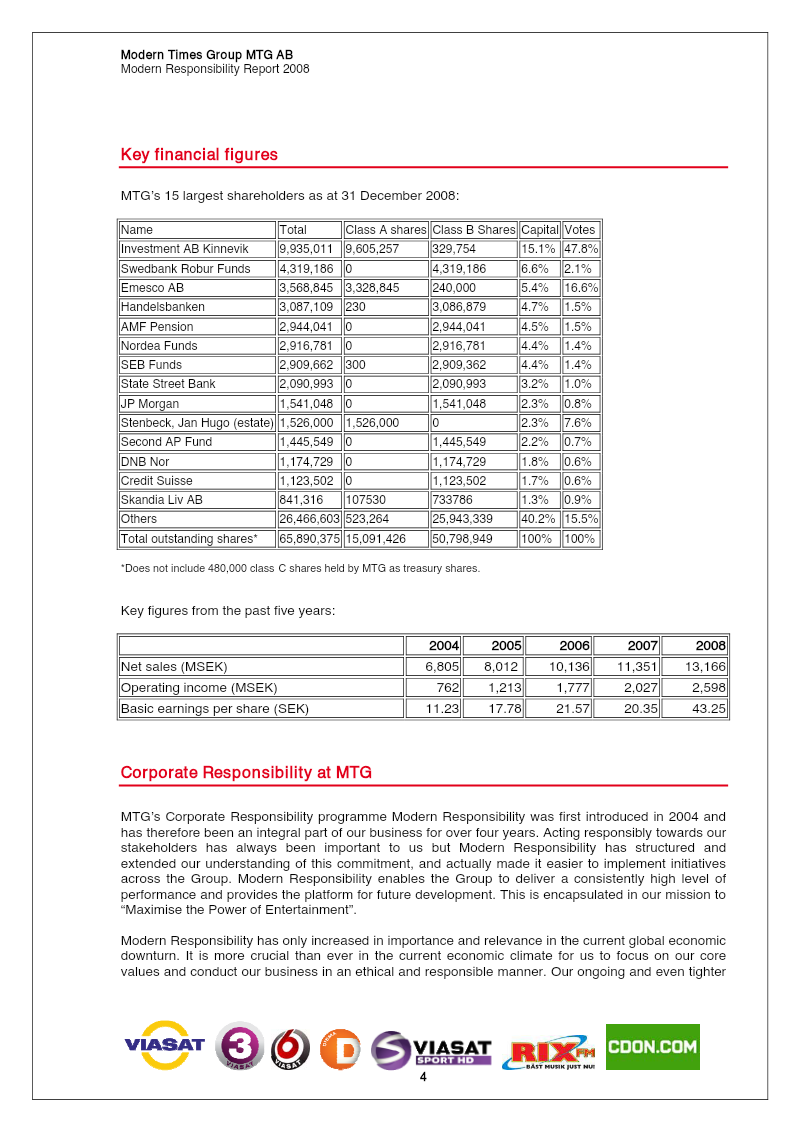
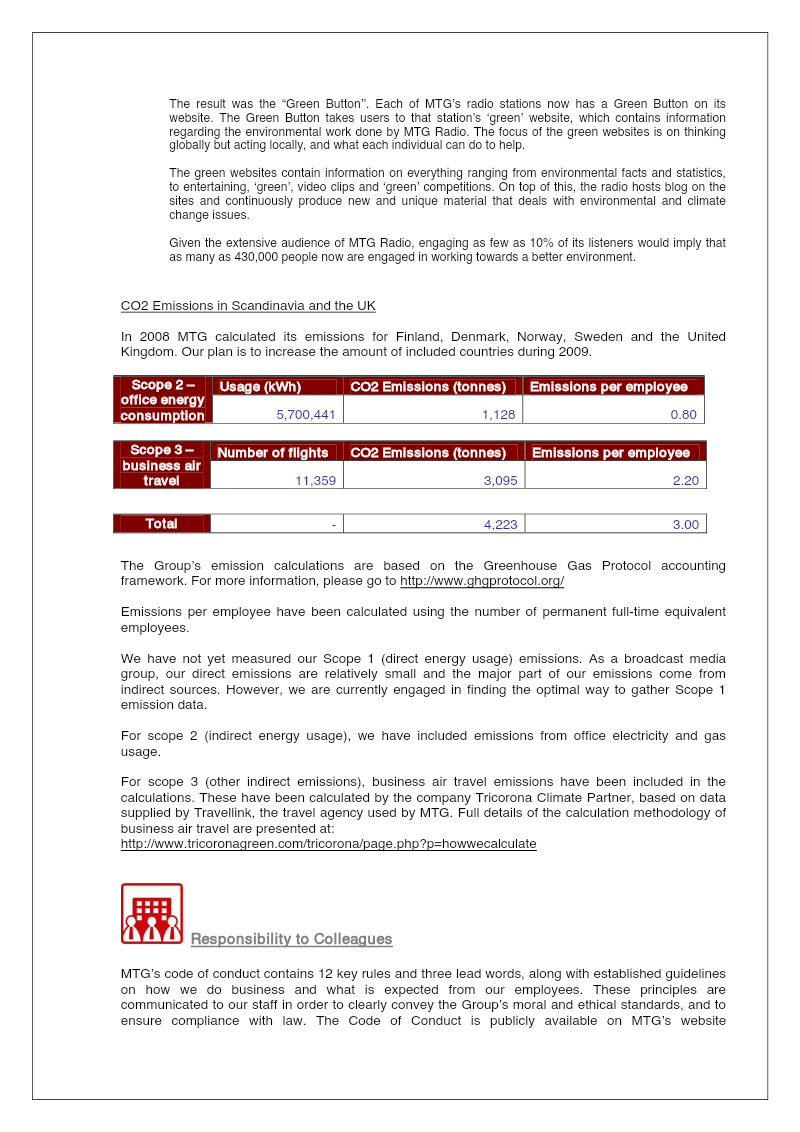
Modern Times Group’s Modern Responsibility programme, launched in 2004, is presented as a strategic framework for leveraging entertainment to create social and environmental value across the company’s global operations. The initiative is positioned as core to MTG’s mission to “maximise the power of entertainment,” with responsibility articulated through five measurable pillars: community, environment, colleagues, broadcasting standards, and marketing. In 2008 the group reached 125 million viewers in 30 countries, operating 70 brands across television, radio, online retail and production. Financial performance showed net sales rising to SEK 13.2 billion and operating income to SEK 2.6 billion, while basic earnings per share more than doubled to SEK 43.25. Employee data indicate an average workforce of 2 810, with 35% female representation, a 22% turnover rate and 461 training days delivered to 46% of staff. Community engagement generated 78 million SEK of donated airtime and raised 56 million SEK for charities, while environmental actions reduced office energy use by 28% relative to national standards and produced a total carbon footprint of 4 223 tonnes CO₂ (3.0 t per employee), calculated under the Greenhouse Gas Protocol with external verification. Stakeholder governance is overseen by senior management, a dedicated coordinator and a Modern Responsibility Committee, supported by local ambassadors in each market. Reporting draws on internal data, carbon accounting from Tricorona Climate Partner, and regular stakeholder feedback through surveys and focus groups. The 2008 snapshot underscores MTG’s expanding footprint, its commitment to ethical broadcasting, and its ambition to deepen responsibility reporting in subsequent years.
European Games Developer Federation
ReportEuropean Video Games Industry Insight Report: 2024
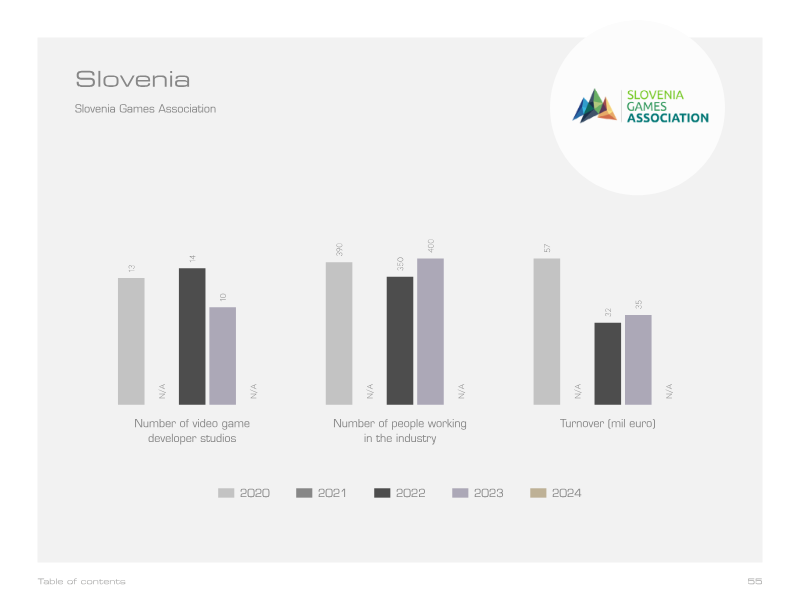
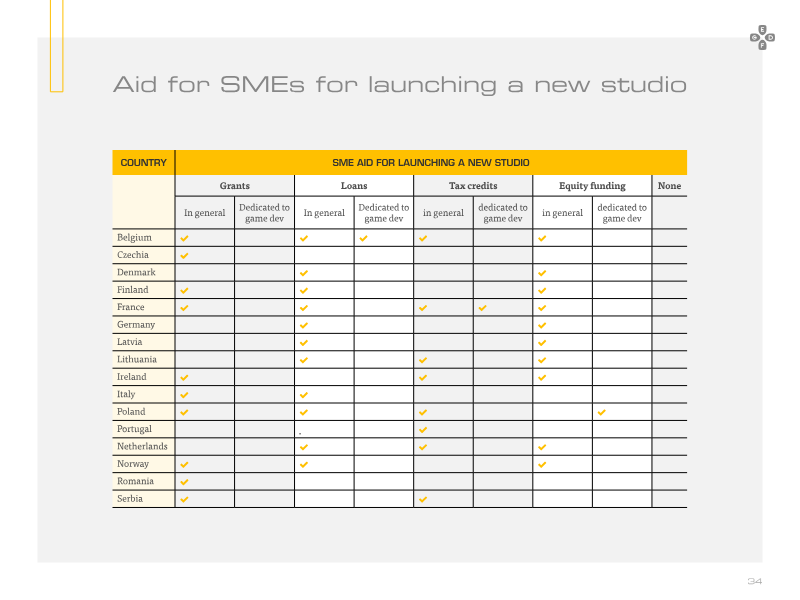
The European video games industry demonstrated notable resilience in 2024, achieving an estimated 6% growth in combined turnover despite a challenging macroeconomic climate marked by inflationary pressures and cautious investment strategies. Comprising approximately 6,600 studios and 95,000 employees, the sector generated a total turnover of €24 billion. While the number of studios continues to rise, employment growth has stalled or slightly declined, reflecting broader global trends of market consolidation and workforce restructuring. Sustained industry stability and future competitiveness depend heavily on the availability of predictable public funding and the development of robust intellectual property. The industry landscape across Europe is characterized by significant geographic diversity in both economic output and educational infrastructure. Nations such as Germany, France, Finland, Sweden, Spain, and Serbia have emerged as key hubs of expansion, though data collection methodologies remain inconsistent across borders. To address this, standardized frameworks have been established to track industry participants, revenue, and new game releases more effectively. Furthermore, the region benefits from an extensive educational network, with hundreds of formal universities and specialized academies across 18 countries—led by the United Kingdom, Poland, and Spain—providing the necessary talent pipeline for continued development. State-sponsored financial support remains a cornerstone of the European ecosystem, with various grants, loans, and tax credits designed to foster production, research and development, and the growth of small and medium-sized enterprises. The European Games Developer Federation, representing 26 national trade associations across 23 countries, continues to play a vital role in advocating for these instruments. As the industry looks toward 2025 and 2026, the integration of these support mechanisms with a skilled workforce will be essential for maintaining the continent's position in the global gaming market.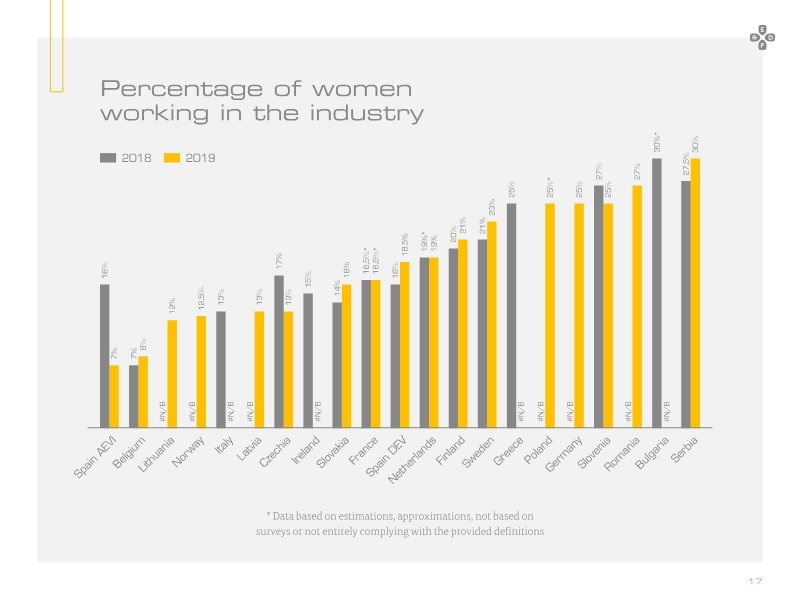
European Games Developer Federation
ReportEuropean Video Games Industry Insights Report: 2019
The European video games industry generated approximately €12 billion in combined developer and publisher revenue during 2019, reflecting a robust and expanding economic landscape. France, Sweden, and Finland emerged as the primary revenue drivers, though significant growth potential remains untapped across Eastern European markets. While the sector benefits from a sophisticated ecosystem of public funding mechanisms—including grants, loans, and tax credits—it continues to grapple with systemic challenges regarding workforce demographics. Specifically, gender diversity remains a persistent issue, as no European nation reported a female workforce participation rate exceeding 30 percent. Development activity is concentrated in France, the United Kingdom, and Germany, which lead the continent in the volume of new titles produced annually. This output is supported by an extensive educational infrastructure, with Germany, Poland, and Spain hosting particularly dense networks of academic and vocational institutions dedicated to game development. These programs serve as a critical pipeline for talent, ensuring that the industry maintains a steady supply of skilled professionals to fuel ongoing research, development, and innovation. Data collection for this analysis relied on a rigorous methodology involving direct industry surveys, national business registers, and collaborative partnerships with regional trade associations. By establishing standardized definitions for key performance indicators such as industry turnover, workforce size, and public aid availability, the findings provide a comprehensive overview of the European market’s structural health. Ultimately, the industry remains characterized by a strong reliance on institutional support and a clear geographic concentration of production, even as it seeks to address internal disparities in workforce representation and broaden its developmental footprint across the continent.
Ukie
ReportAnnual Review 2022: Ukie
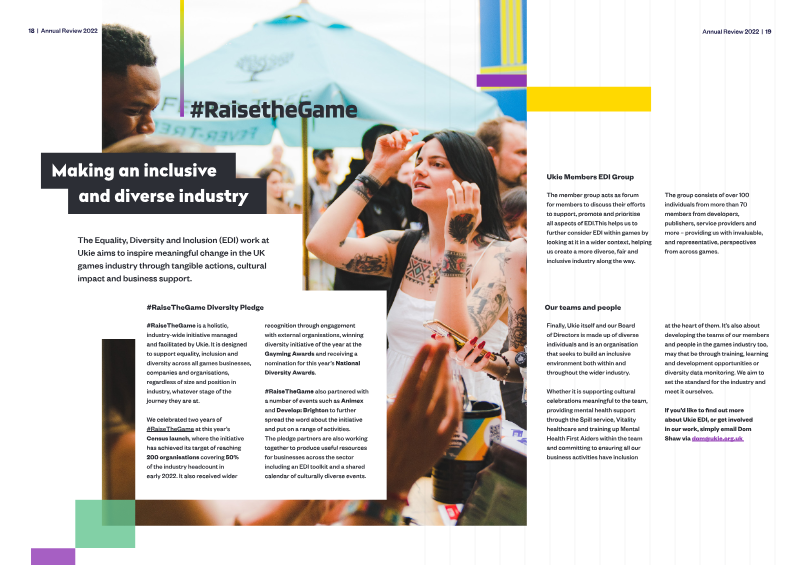
The UK games industry demonstrated significant economic resilience throughout 2022, achieving a record market valuation of £7.16 billion and contributing £5.26 billion in gross value added to the national economy. This performance occurred against a backdrop of broader economic instability and industry consolidation, yet the sector maintained robust growth through strategic advocacy, international trade initiatives, and a focus on long-term talent development. The ecosystem, which spans developers, publishers, educational institutions, and service providers, remains a vital pillar of the UK’s creative economy. Organizational efforts centered on navigating complex regulatory landscapes, including the Online Safety Bill and ongoing discussions regarding loot box legislation. Beyond policy, a primary objective involved addressing structural challenges such as the recruitment crisis and the lingering impacts of Brexit. To mitigate these pressures, industry initiatives prioritized diversity and inclusion, with the #RaiseTheGame pledge now encompassing half of the industry’s total headcount. Furthermore, the expansion of the Digital Schoolhouse network by 47% and the support of over 3,350 students underscore a commitment to building a sustainable pipeline of domestic talent. Sustainability and global connectivity also emerged as key operational pillars. The introduction of the Green Games Guide and the inaugural Green Games Summit signaled a shift toward environmental responsibility, while the hybrid London Games Festival facilitated essential international investment and networking. With a record membership of nearly 600 companies, the sector continues to leverage specialized groups focused on esports, equity, and policy to foster innovation. Moving forward, the industry remains focused on securing sustained investment and refining its infrastructure to ensure continued competitiveness in an evolving global market.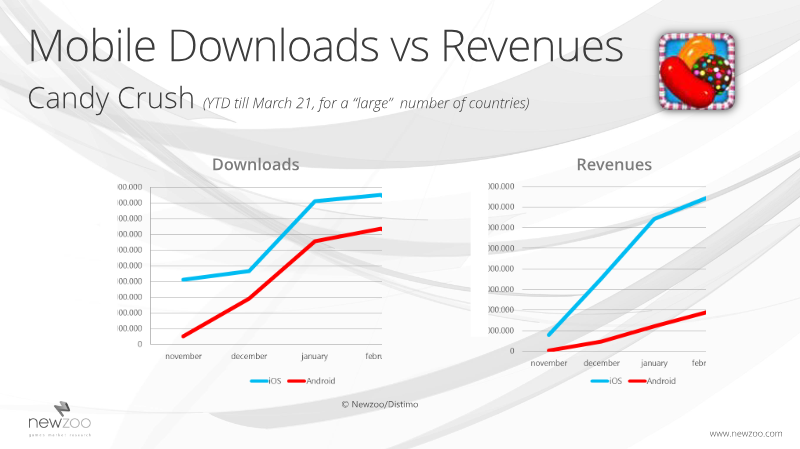

Newzoo
ReportGlobal Monetization of Games: Emerging Markets as Drivers of Growth
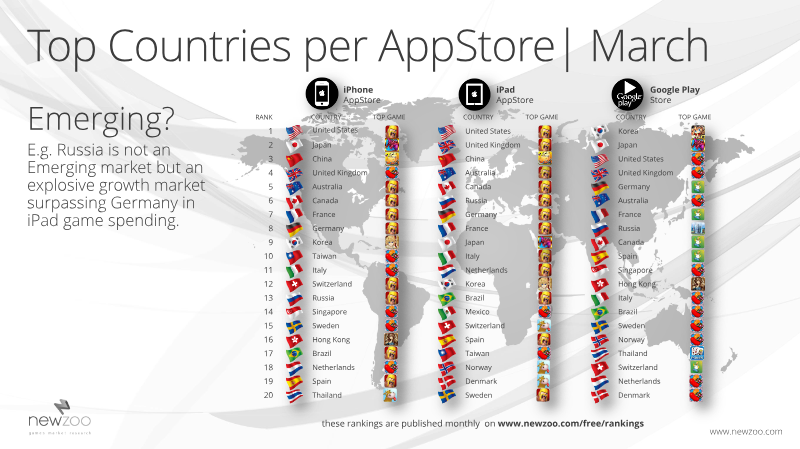
The global gaming industry is undergoing a significant transformation, with total market value projected to reach $70.4 billion. Mobile gaming serves as the primary catalyst for this expansion, currently experiencing a 35% year-over-year growth rate. This surge is fundamentally altering how companies approach revenue generation, necessitating a move away from traditional platform-centric metrics toward a more nuanced screen segmentation model. By tracking player behavior, time investment, and conversion rates across various devices, organizations can better align their monetization strategies with actual consumer engagement patterns. Emerging markets, particularly Russia, are identified as critical engines for this industry-wide growth. To capitalize on these regions, companies must transition toward a Games as a Service operational framework. This shift requires internal organizational restructuring to prioritize live operations, sophisticated data analytics, and proactive community management. These competencies are no longer optional but are essential for maintaining long-term player retention and maximizing lifetime value in an increasingly competitive global landscape. Success in this evolving environment depends on the integration of granular consumer data and localized market insights. As the industry moves toward a service-oriented model, the ability to synthesize platform-specific trends with regional demographic behaviors becomes the primary differentiator for stakeholders. By adopting these data-driven methodologies, firms can navigate the complexities of the 2013 market landscape and secure sustainable growth across both established and developing territories.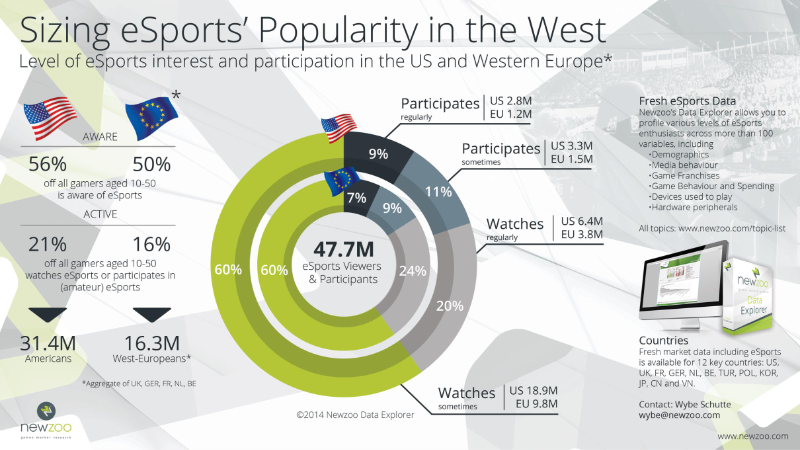

Newzoo
ReportSizing & Profiling eSports' Popularity: The West
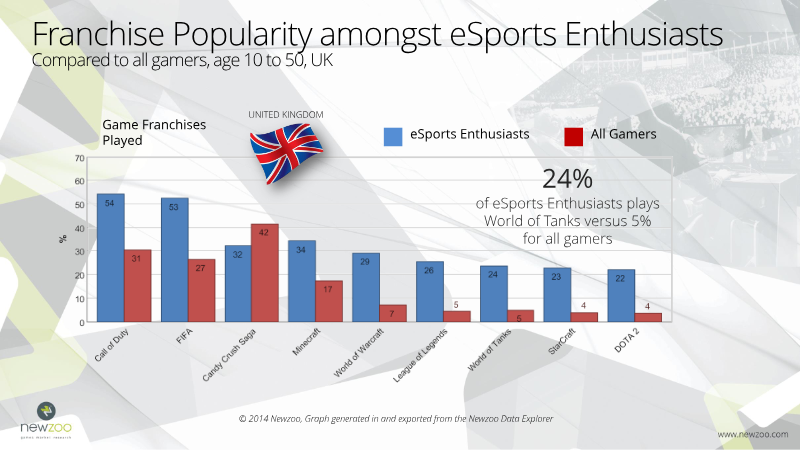
The rapid expansion of eSports in Western markets represents a significant shift in the gaming industry, driven by the rise of free-to-play titles such as League of Legends, Dota 2, and World of Tanks. This growth is characterized by a transition where time spent engaging with game franchises has become a critical key performance indicator, often serving as a precursor to increased monetary spending. As eSports viewership continues to double year-over-year, major publishers and global brands are increasingly utilizing competitive gaming as a primary marketing vehicle to reach affluent young males aged 18 to 34. Data indicates that eSports enthusiasts are highly dedicated, with average viewers watching over ten times per month for sessions lasting approximately 2.2 hours. The demographic profile of these participants is notably valuable to advertisers; for instance, 22% of eSports enthusiasts are identified as big spenders on games, compared to only 8% of the general gaming population. Furthermore, these enthusiasts demonstrate higher professional stability and engagement across multiple platforms, including console and mobile gaming, than the average gamer. The scope of this analysis covers the United States and Western Europe, utilizing primary consumer research to profile engagement levels across various demographics and media behaviors. The findings highlight that eSports has evolved from a niche interest into a mainstream phenomenon, with major tournament prize pools reaching millions of dollars and concurrent viewership figures rivaling traditional sports events. This research underscores the strategic importance of competitive gaming for companies seeking to maximize user retention and monetization in an increasingly crowded digital entertainment landscape.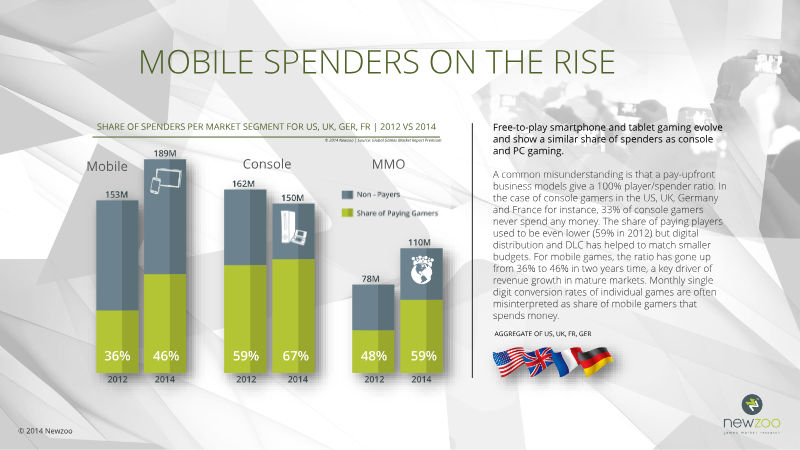
Newzoo
ReportSpotting the Mobile Spenders: An Analysis of Paying Smartphone and Tablet Gamers
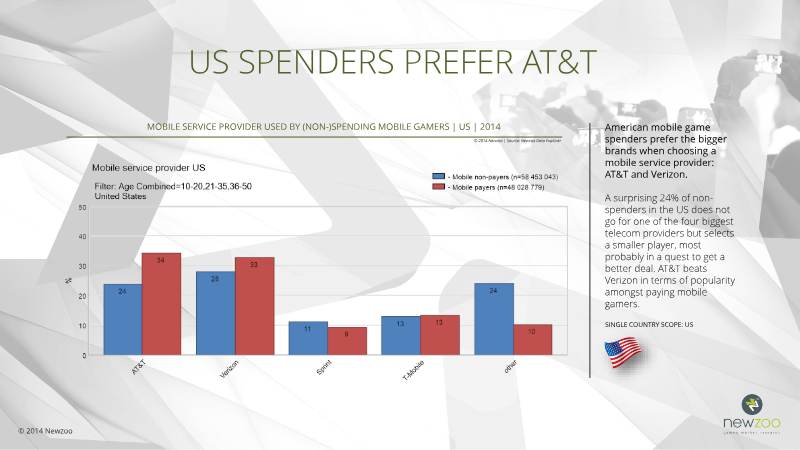
The mobile gaming industry is experiencing significant expansion, with global revenues projected to reach $25 billion in 2014. This growth is driven by a rising share of paying users, which has increased from 36% to 46% in Western Europe and the United States over the past two years. Contrary to the perception that mobile markets are saturated, the industry continues to see strong year-over-year growth, particularly in mature regions where increased conversion rates and higher average monthly spending per user are fueling revenue gains. Data indicates that mobile gaming is increasingly comparable to console and PC gaming in terms of monetization. While the free-to-play model dominates, the demographic profile of mobile spenders is distinct: they are predominantly male, often hold full-time employment, and frequently have children. These users exhibit higher engagement levels, not only within games but also across social media and retail platforms, suggesting that mobile spenders represent a high-value consumer segment beyond their gaming habits. The analysis highlights the Amazon Appstore as an undervalued channel, noting that its users are the most likely to spend money compared to those on Google Play or Apple platforms. Furthermore, tablet users—specifically those on iPad, Windows Surface, and Amazon Fire devices—tend to have higher incomes and a greater propensity for spending. While recommendations from friends and family remain the primary driver for game discovery, big spenders are uniquely motivated by competitive advantages, whereas minor spenders prioritize entertainment value. As mobile gaming continues to capture a larger share of the global entertainment market, it is projected to account for up to 50% of total game revenues by 2017, supported by a combination of primary consumer research, transactional data, and financial market analysis across 25 countries.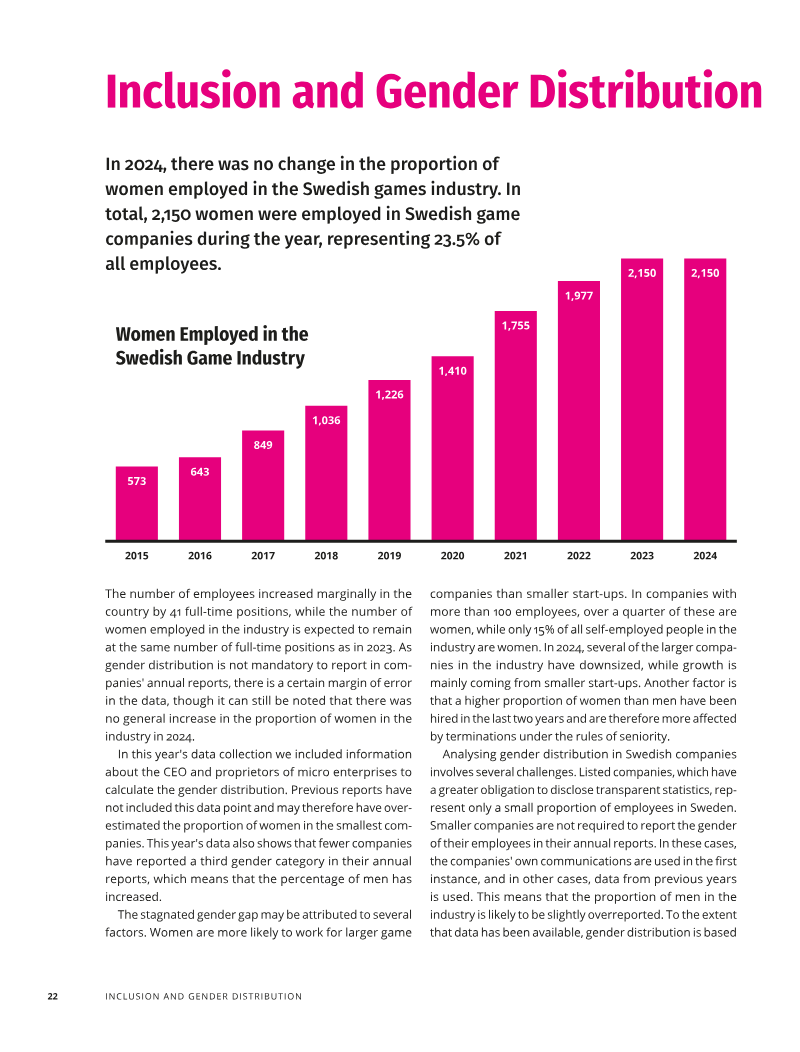
Dataspelsbranschen
ReportGame Developer Index: Sweden 2025
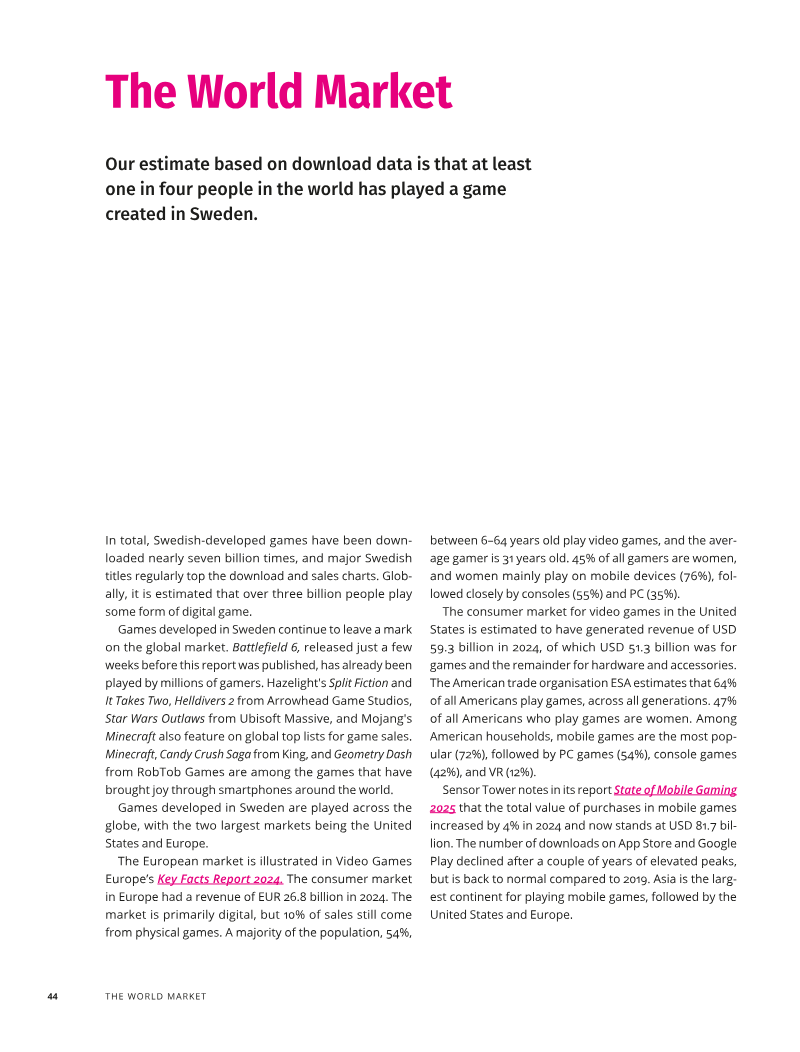
The Swedish games industry remains a cornerstone of the national economy, demonstrating significant resilience throughout 2024 despite a challenging global financial climate. With total domestic revenue reaching SEK 37 billion and global revenue climbing to nearly SEK 73 billion, the sector accounts for 3% of Sweden’s total service exports. The industry’s footprint is extensive, comprising 1,101 companies and employing over 9,000 domestic staff. While large corporations like Embracer Group, Stillfront, and Modern Times Group generate 90% of international net sales, the ecosystem is fundamentally entrepreneurial, with 93% of firms operating as small businesses with fewer than ten employees. The industry is currently navigating a period of structural adjustment characterized by corporate divestments, studio closures, and approximately 400 to 500 redundancies. Despite these pressures, the sector maintains a dominant global position, with Swedish-developed titles reaching an estimated one in four people worldwide. This success is supported by a robust infrastructure of regional incubators, academic partnerships, and vocational programs designed to address long-term skills shortages. However, the industry faces ongoing hurdles, including restricted access to capital, regulatory uncertainty regarding artificial intelligence, and a stagnation in gender diversity, with women currently representing 23.5% of the workforce. Looking forward, the Swedish games sector is prioritizing sustainability and digital safety, reporting a 14% reduction in emissions while actively researching the social benefits of gaming. By leveraging data from the Swedish Companies Registration Office and Statistics Sweden, the industry continues to professionalize its operations. Despite recent volatility and the complexities of a shifting global market, the Swedish gaming ecosystem remains a highly productive, innovative, and essential contributor to both the national economy and the international digital landscape.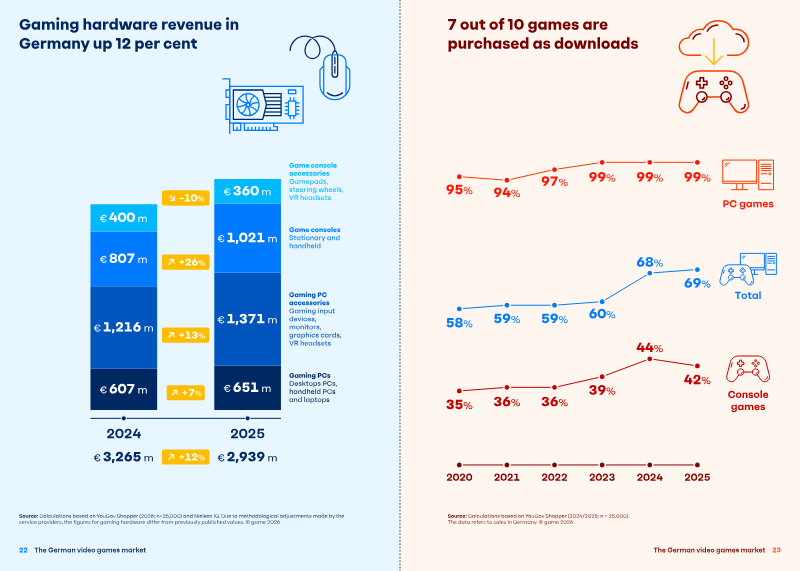
game – Verband der deutschen Games-Branche e. V.
ReportReport of the German Games Industry: 2026
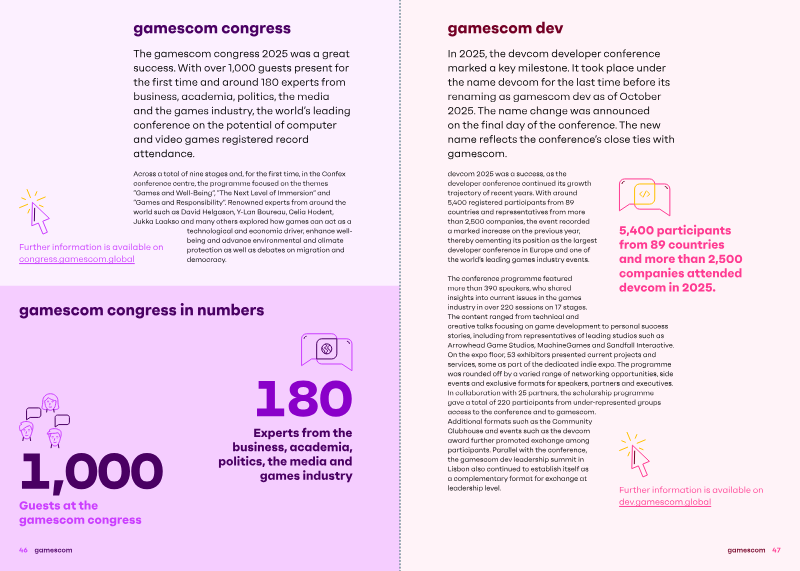
The German video games market solidified its status as Europe’s largest in 2025, achieving a total revenue of 9.4 billion euros. This four percent growth was primarily fueled by a 12 percent surge in hardware sales and the milestone achievement of online gaming services exceeding one billion euros in revenue. Despite these gains, the sector faces a complex transition, marked by a 13 percent decline in one-off game purchases and a slight three percent contraction in the workforce, even as the total number of industry companies grew to 956. Domestic production remains a critical area for development, as local companies currently capture only 5.50 euros of every 100 euros spent within the German market. To address this, the industry is leveraging increased federal funding, which is set to reach 125 million euros annually by 2026, alongside new tax-based incentive proposals and infrastructure projects like the House of Games Berlin. These initiatives aim to provide the long-term planning certainty required to improve international competitiveness and foster a more robust ecosystem for developers, publishers, and academic institutions. Beyond economic metrics, the industry is undergoing significant professionalization and cultural integration. Regulatory frameworks, such as the USK’s expanded youth protection measures, and the formal recognition of esports clubs as charitable organizations reflect a maturing sector. With the average gamer age now at 38.2 years and major events like gamescom maintaining record attendance, Germany continues to serve as a central global hub for innovation. Industry associations are further driving progress through standardized diversity initiatives and environmental sustainability programs, ensuring that the sector remains aligned with modern social and economic expectations.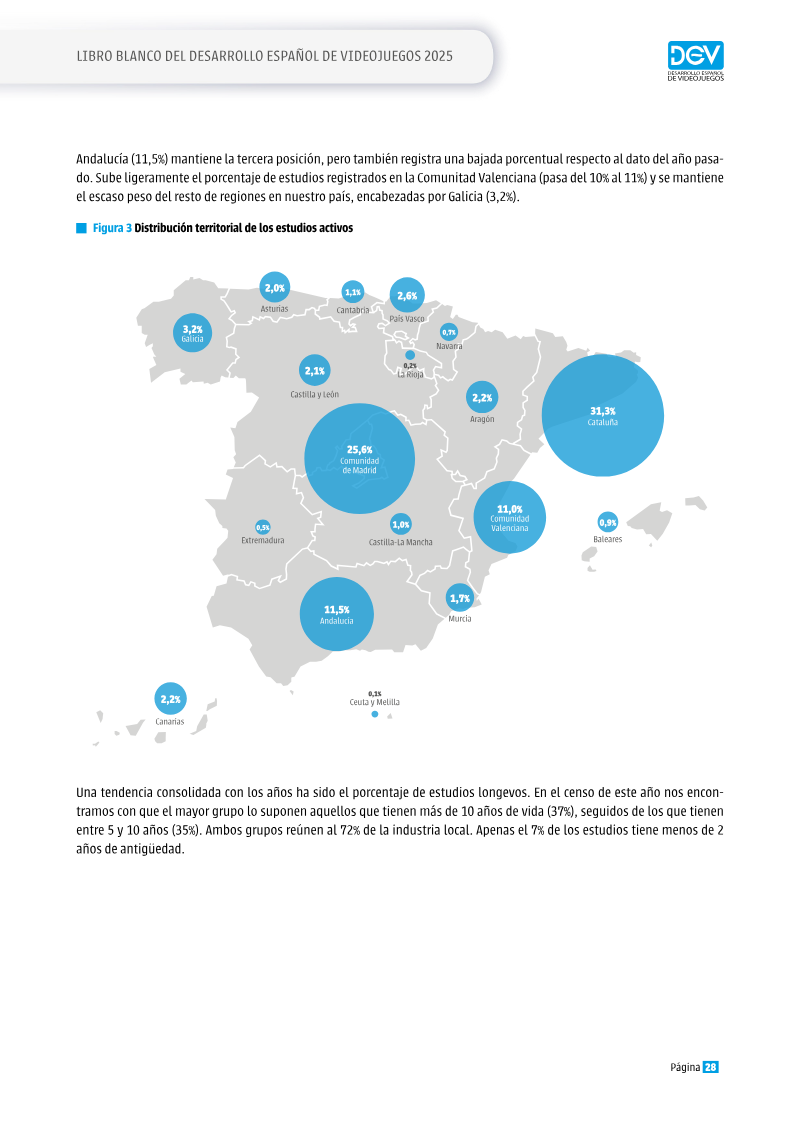

DEV – Asociacion Espanola de Empresas Productoras y Desarrolladoras de Videojuegos
ReportLibro Blanco del Desarrollo Español de Videojuegos 2025
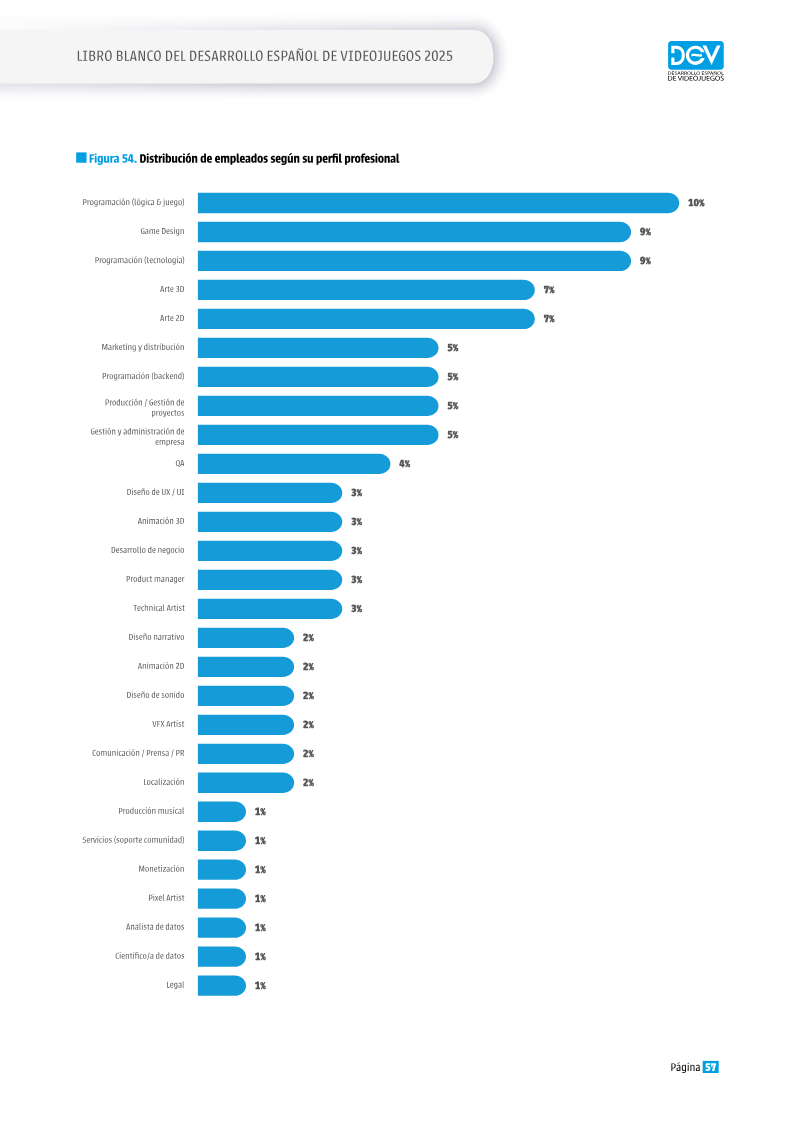
The Spanish video game industry stands at a critical juncture, characterized by resilience and creative output despite a global climate of economic instability. As of 2024, the sector generated €1,464 million in turnover and sustained over 10,500 direct jobs, with Catalonia and Madrid serving as the primary hubs for development. While the industry maintains a stable core—with 72% of studios operating for over five years—it faces a notable slowdown in growth. Currently, 820 active studios operate within the country, yet approximately 200 of these entities remain at risk of closure due to project cancellations and workforce reductions, reflecting a broader vulnerability to international market volatility. Structural challenges persist, particularly regarding the industry's reliance on self-financing and self-publishing models. Most studios operate on a small scale, often managing only one project at a time, which complicates the transition toward complex "games as a service" models. While 53% of companies have begun integrating generative artificial intelligence into their workflows, adoption remains cautious and technically experimental. Furthermore, the industry continues to depend heavily on international sales, which account for 52% of revenue, highlighting a need for stronger domestic investment ecosystems and more robust collaboration with international platforms to retain intellectual property within Spain. To ensure long-term competitiveness, the sector requires a strategic shift toward institutional support. Key priorities include the implementation of targeted tax incentives, the consolidation of public funding, and improved professional training programs to address the persistent shortage of experienced talent in programming and design. By fostering a more sustainable financial environment and bridging the gap between small-scale production and global market demands, the industry aims to transition from a fragmented landscape of small studios to a more scalable, technologically advanced, and strategically recognized pillar of the Spanish economy.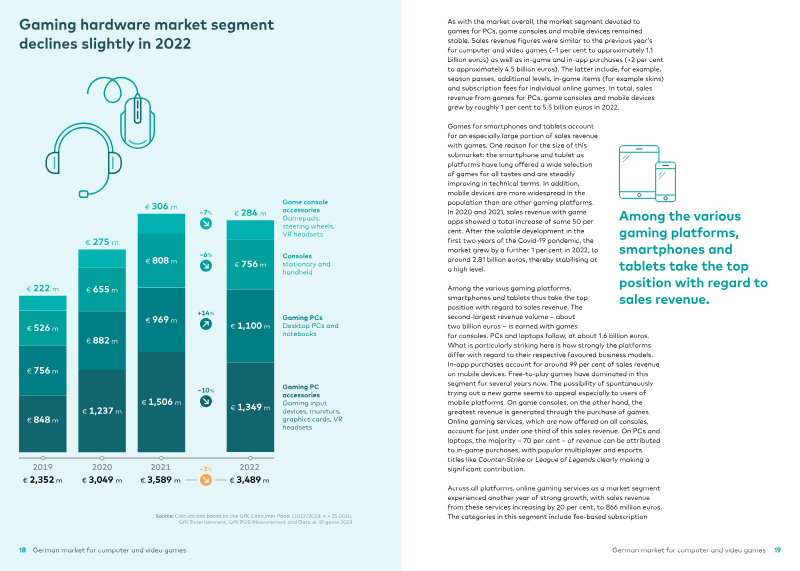
game – Verband der deutschen Games-Branche e. V.
ReportAnnual Report of the German Games Industry 2023
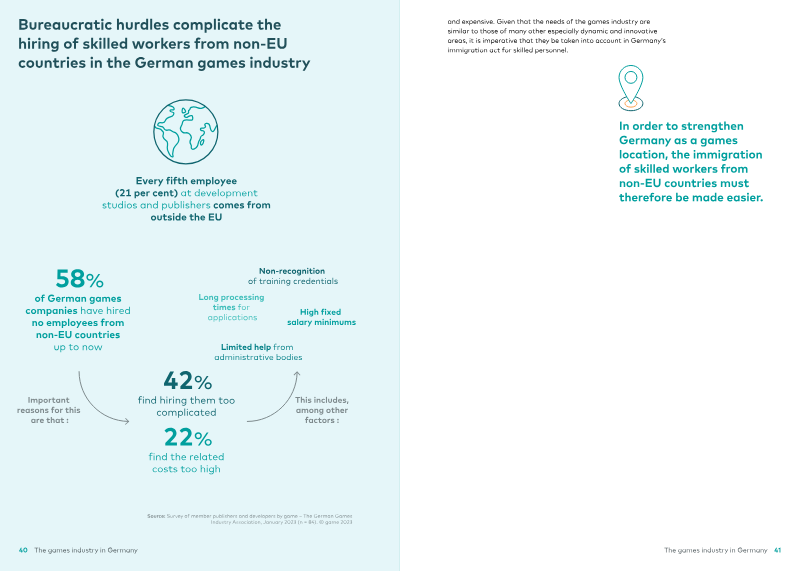
The German games industry demonstrated remarkable resilience throughout 2022, maintaining a stable market valuation of 9.87 billion euros despite global economic headwinds, inflationary pressures, and hardware supply constraints. This performance represents a 1% growth rate, bucking international trends of market decline. The sector’s expansion is further evidenced by a 15.5% increase in the number of companies and a 7% rise in the workforce over the past year. Mobile gaming continues to dominate revenue streams, while digital distribution has solidified its position as the primary purchasing method for PC users and younger demographics. Despite this growth, the industry faces structural challenges that threaten its long-term international competitiveness. A critical shortage of skilled labor in programming, technical art, and production persists, exacerbated by bureaucratic hurdles that impede the recruitment of international talent. Furthermore, the intermittent availability of federal funding has created an environment of instability, hindering strategic planning. To address these issues, the industry is advocating for a transition toward tax-based incentives, improved educational standards, and the establishment of specialized academic institutions to foster domestic expertise. Beyond economic metrics, the sector is increasingly focused on professionalizing its ecosystem and enhancing its global footprint. Events such as Gamescom and the devcom Developer Conference have reinforced Germany’s status as a central hub for digital innovation, attracting significant international attention and political engagement. Simultaneously, the industry is prioritizing sustainability through climate-neutral initiatives and strengthening youth protection frameworks to ensure a safe gaming environment. By aligning advocacy efforts with a commitment to diversity and educational outreach, the German games sector aims to secure its position as a leading global player in the digital economy.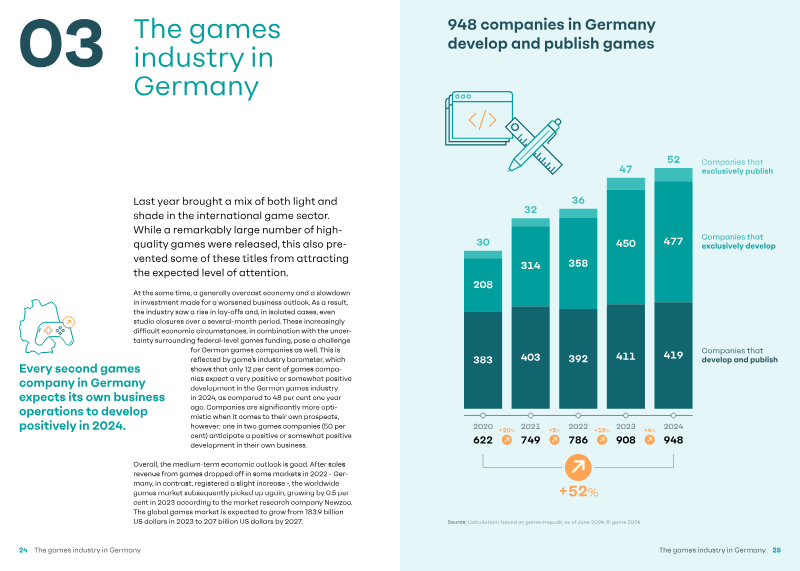
game – Verband der deutschen Games-Branche e. V.
Report