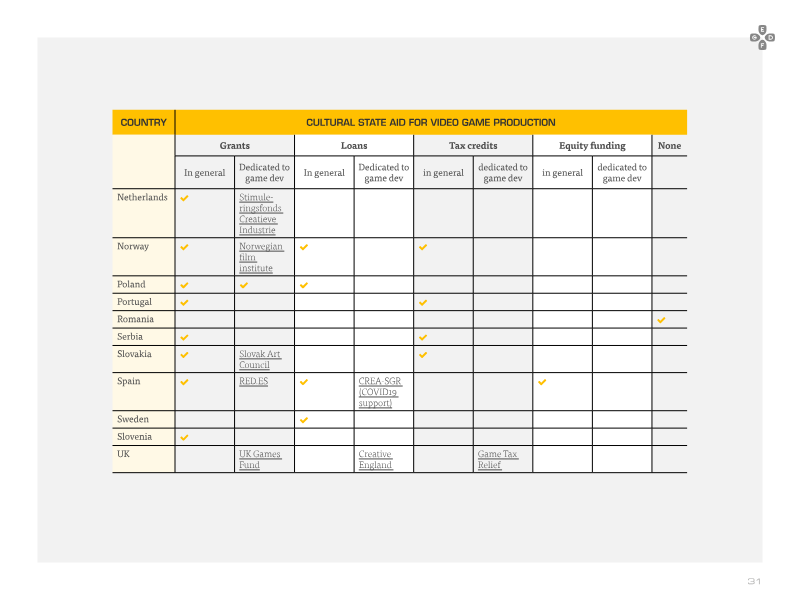
The European video games industry generated approximately €12 billion in combined developer and publisher revenue during 2019, reflecting a robust and expanding economic landscape. France, Sweden, and Finland emerged as the primary revenue drivers, though significant growth potential remains untapped across Eastern European markets. While the sector benefits from a sophisticated ecosystem of public funding mechanisms—including grants, loans, and tax credits—it continues to grapple with systemic challenges regarding workforce demographics. Specifically, gender diversity remains a persistent issue, as no European nation reported a female workforce participation rate exceeding 30 percent.
Development activity is concentrated in France, the United Kingdom, and Germany, which lead the continent in the volume of new titles produced annually. This output is supported by an extensive educational infrastructure, with Germany, Poland, and Spain hosting particularly dense networks of academic and vocational institutions dedicated to game development. These programs serve as a critical pipeline for talent, ensuring that the industry maintains a steady supply of skilled professionals to fuel ongoing research, development, and innovation.
Data collection for this analysis relied on a rigorous methodology involving direct industry surveys, national business registers, and collaborative partnerships with regional trade associations. By establishing standardized definitions for key performance indicators such as industry turnover, workforce size, and public aid availability, the findings provide a comprehensive overview of the European market’s structural health. Ultimately, the industry remains characterized by a strong reliance on institutional support and a clear geographic concentration of production, even as it seeks to address internal disparities in workforce representation and broaden its developmental footprint across the continent.