
International Journal of Serious Games
Open-access peer-reviewed journal of the Serious Games Society on the design, use and assessment of serious games.
Documents
Validation of Games for Behavioral Change: Connecting the Playful and Serious
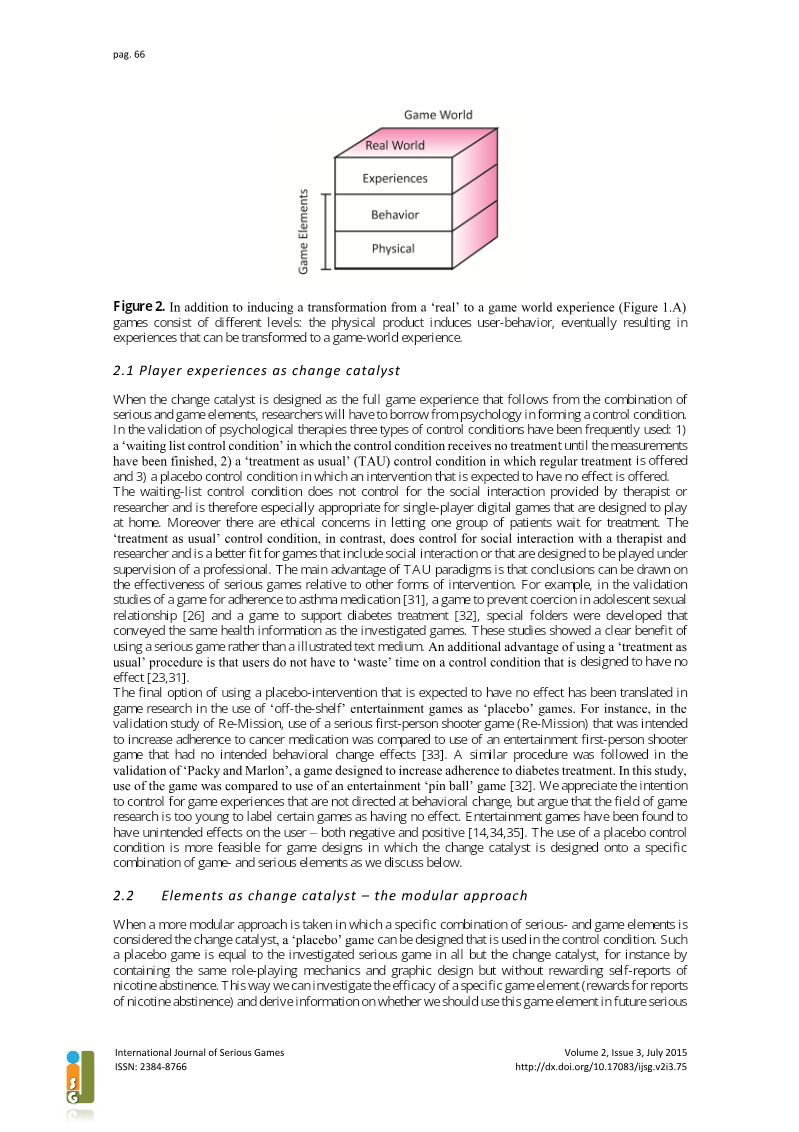
Serious games intended for behavioral change often face a disconnect between anecdotal success and inconclusive quantitative results.
- Serious games require a shift from traditional randomized controlled trials to dynamic, iterative evaluation models that account for the non-linear nature of human interaction.
- Validation must move beyond generic benchmarks by utilizing modular control conditions and placebo games specifically designed to isolate individual catalysts for behavioral change.
- Effective assessment requires a dual-focus strategy that captures immediate, fine-grained data during gameplay while simultaneously tracking long-term transfer effects in real-world settings.
Measuring Effectiveness of Persuasive Games Using an Informative Control Condition
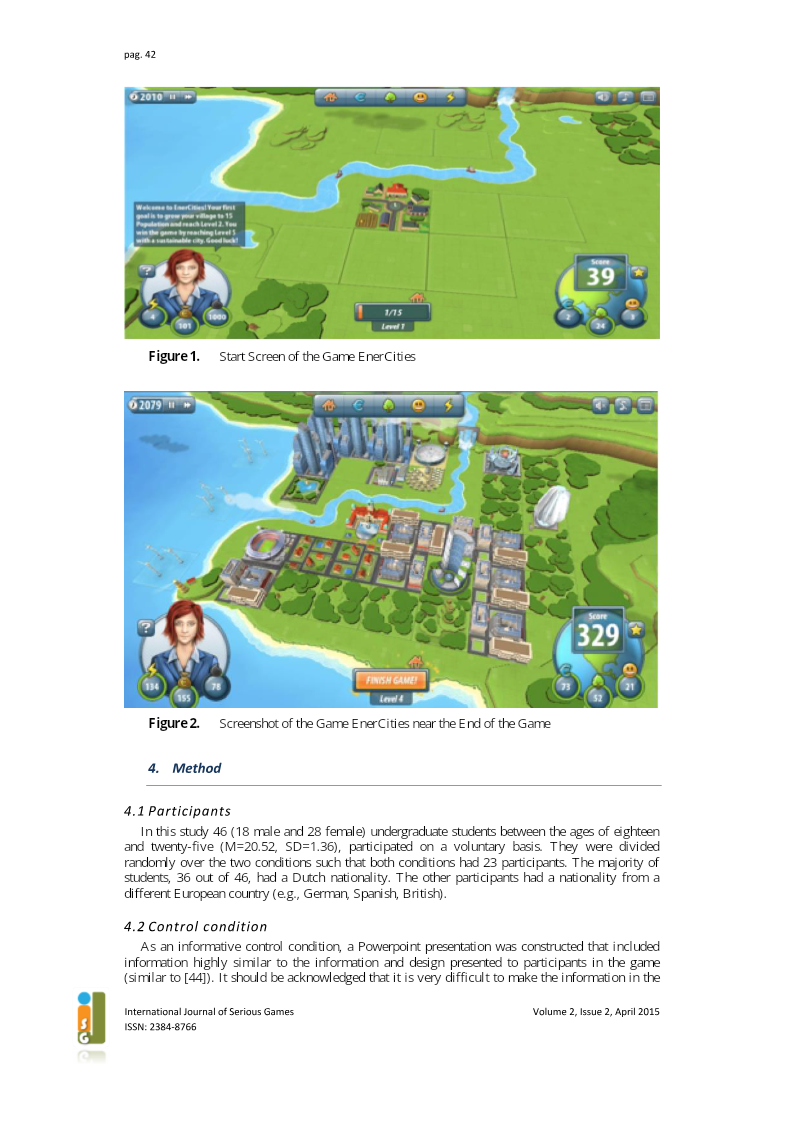
Persuasive games are frequently promoted as superior tools for fostering attitude change and knowledge acquisition, yet empirical evidence often fails to substantiate these claims when compared to traditional media.
- A study of 46 university students comparing the game EnerCities to a PowerPoint presentation found no statistically significant difference in knowledge gain or attitude shifts between the two formats.
- Participants reported higher levels of credibility and learning outcomes when using traditional presentation materials compared to the interactive game.
- Interactive game features may introduce extraneous cognitive processing that distracts users from core educational content, negating the assumed persuasive advantage of the medium.
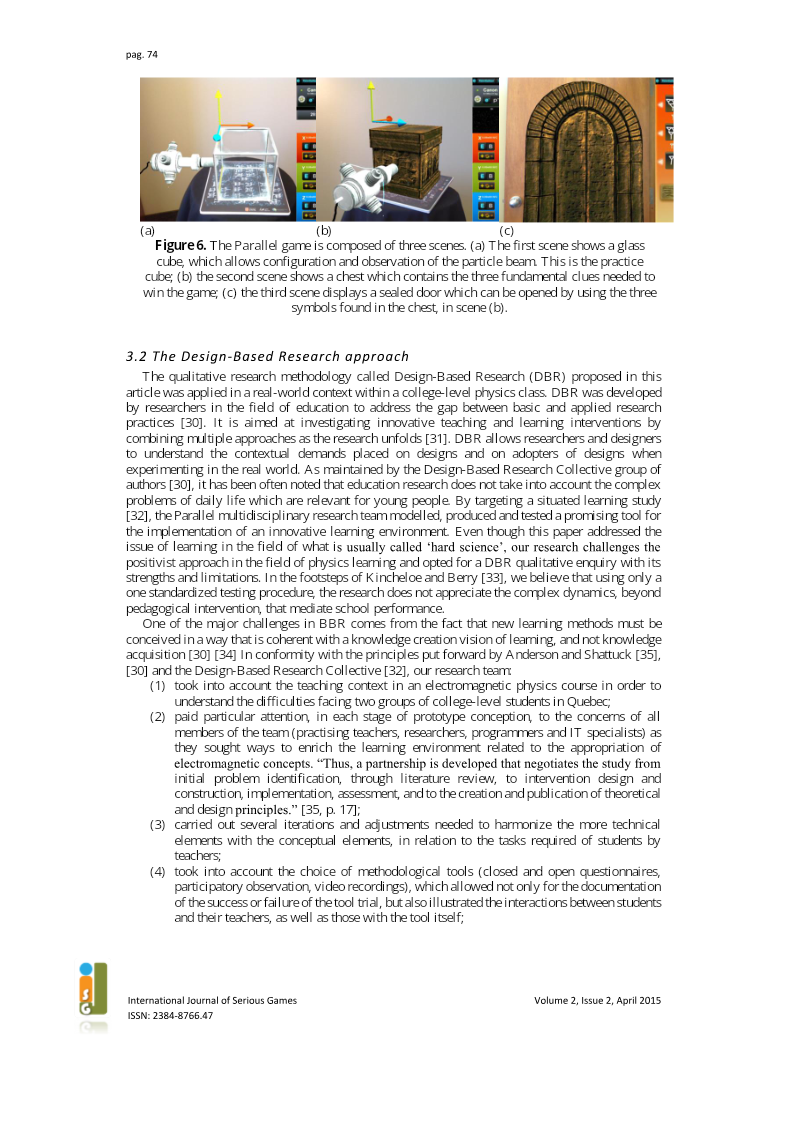

Observation and Analysis of a Classroom Teaching and Learning Practice Based on Augmented Reality and Serious Games on Mobile Platforms
The integration of mobile augmented reality and serious games into higher education serves as a transformative pedagogical tool for teaching complex, abstract subjects such as electromagnetism.
- Mobile-based serious games significantly outperform traditional lecture-based instruction in improving conceptual understanding of complex subjects like electromagnetism.
- The mobile game 'Parallel' demonstrated a clear academic advantage, with users showing significantly higher average improvements on conceptual assessments compared to control groups.
- The core pedagogical value of augmented reality in education is its ability to render invisible, abstract phenomena into observable, three-dimensional models.
Games Are Motivating, Aren't They? Disputing the Arguments for Digital Game-Based Learning
Digital game-based learning is frequently promoted as a transformative educational panacea, yet these claims often lack the rigorous empirical foundation necessary to support such widespread adoption.
- Digital game-based learning currently lacks a rigorous empirical foundation, relying heavily on anecdotal evidence and speculative hypotheses rather than verifiable scientific data.
- The assumption that high player engagement inherently leads to effective learning is flawed, as game design often prioritizes rapid performance and immersion over the deep, metacognitive reflection required for knowledge acquisition.
- Game mechanics frequently lack the necessary instructional scaffolding, meaning that the freedom of movement in digital environments can hinder rather than facilitate learning.

Teaching Pre-Service Teachers to Integrate Serious Games in the Primary Education Curriculum
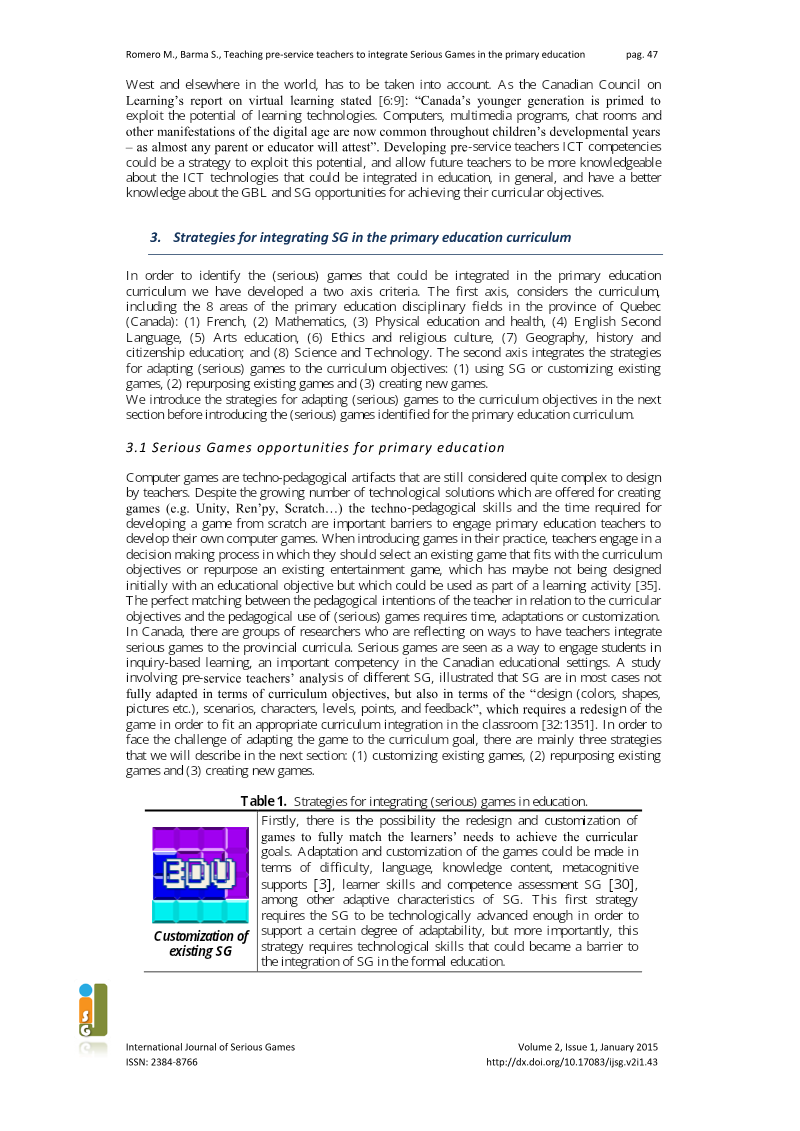
Integrating serious games into primary education curricula serves as a vital pedagogical strategy for enhancing student engagement, particularly within mathematics, science, and history.
- Successful integration of serious games in primary education relies on teachers acting as facilitators in a community of learners rather than as developers of original content.
- A study of 51 pre-service teachers in Quebec confirms that technical proficiency and time constraints are the primary barriers to creating bespoke educational games.
- Educators prefer repurposing existing entertainment titles or utilizing established serious games over developing original software due to the high preparation time required.
Learning Analytics Architecture to Scaffold Learning Experience through Technology-based Methods
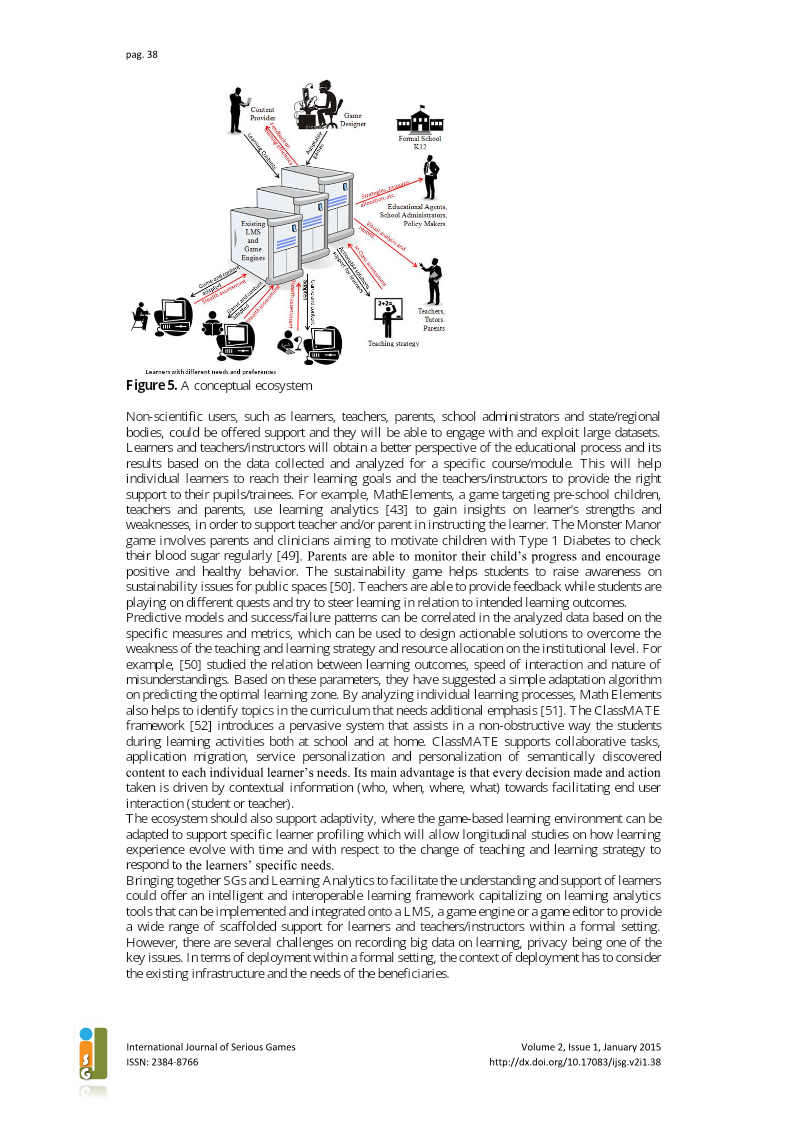
Integrating learning analytics into serious games offers a transformative approach to personalized education by bridging the gap between immersive digital engagement and formal pedagogical assessment.
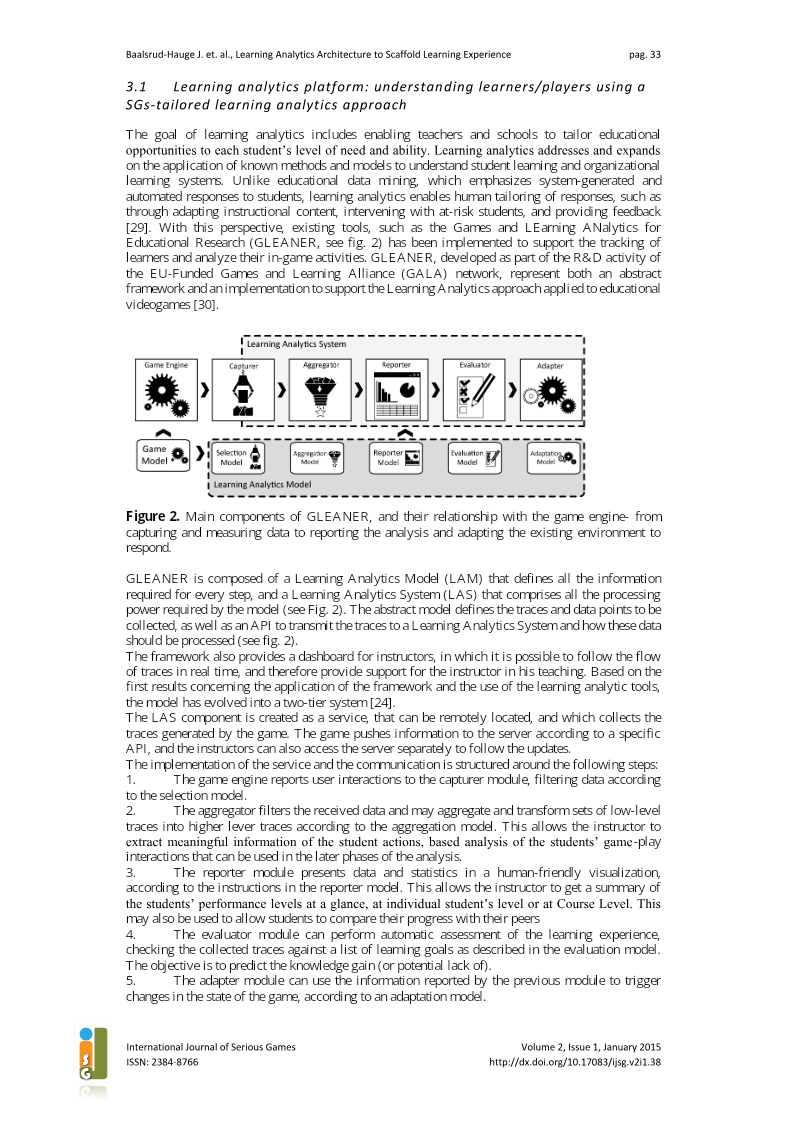
- The GLEANER framework provides a multi-tier architecture that maps in-game mechanics to specific learning objectives, enabling real-time, adaptive scaffolding for students.
- Integrating stealth assessment and automated data collection allows educators to shift from static instruction to responsive, personalized learning environments.
- Centralized dashboards aggregate both generic and game-specific data traces to provide instructors with actionable insights at individual, classroom, and regional levels.
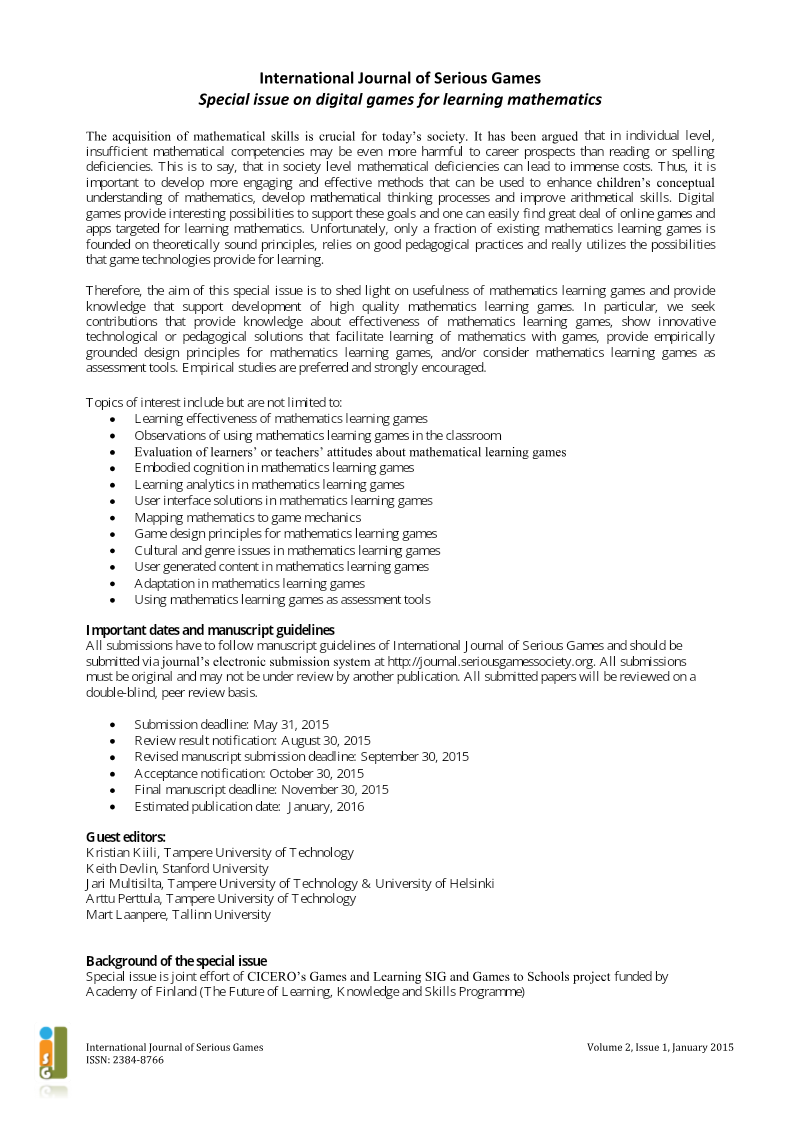
Special Issue on Digital Games for Learning Mathematics
Mathematical proficiency serves as a critical foundation for individual career success and broader societal economic stability.
- A significant gap exists between the volume of available mathematics software and the application of theoretically sound, pedagogically effective design principles.
- The initiative aims to establish a rigorous, empirical evidence base for mathematics learning games to move beyond superficial engagement.
- Key research areas include the integration of learning analytics, mapping mathematical concepts to core game mechanics, embodied cognition, and adaptive difficulty.
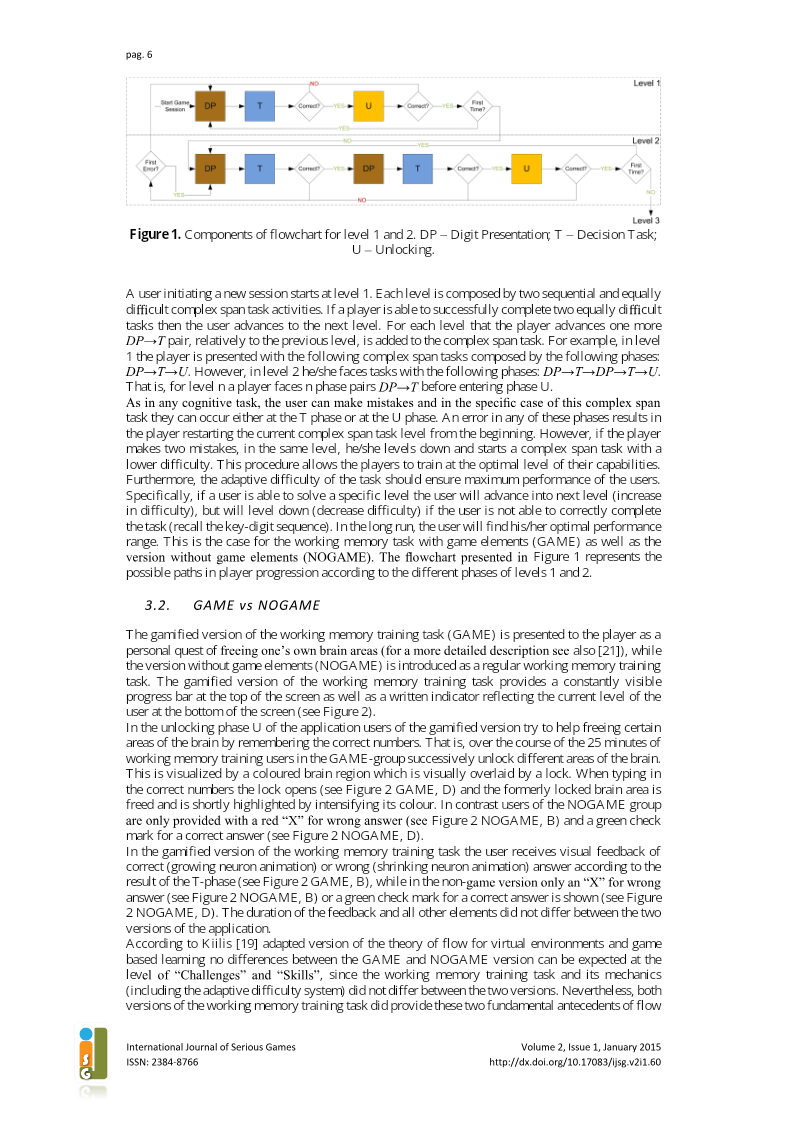
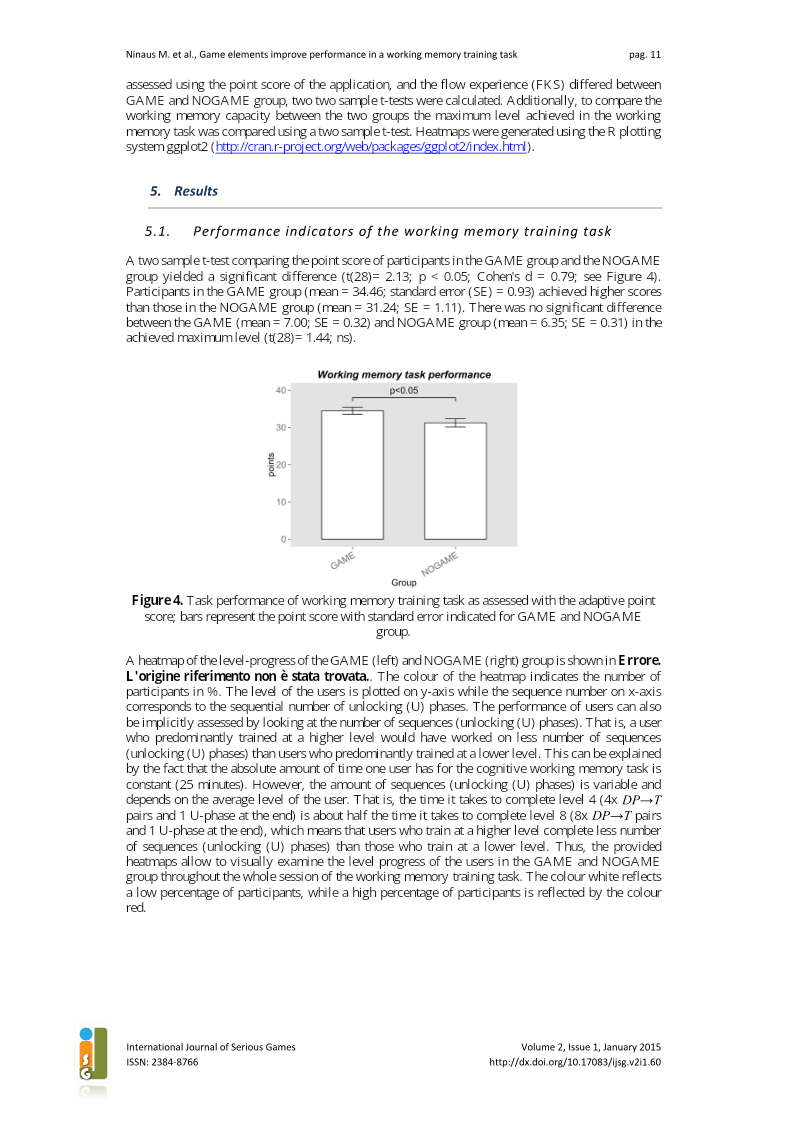
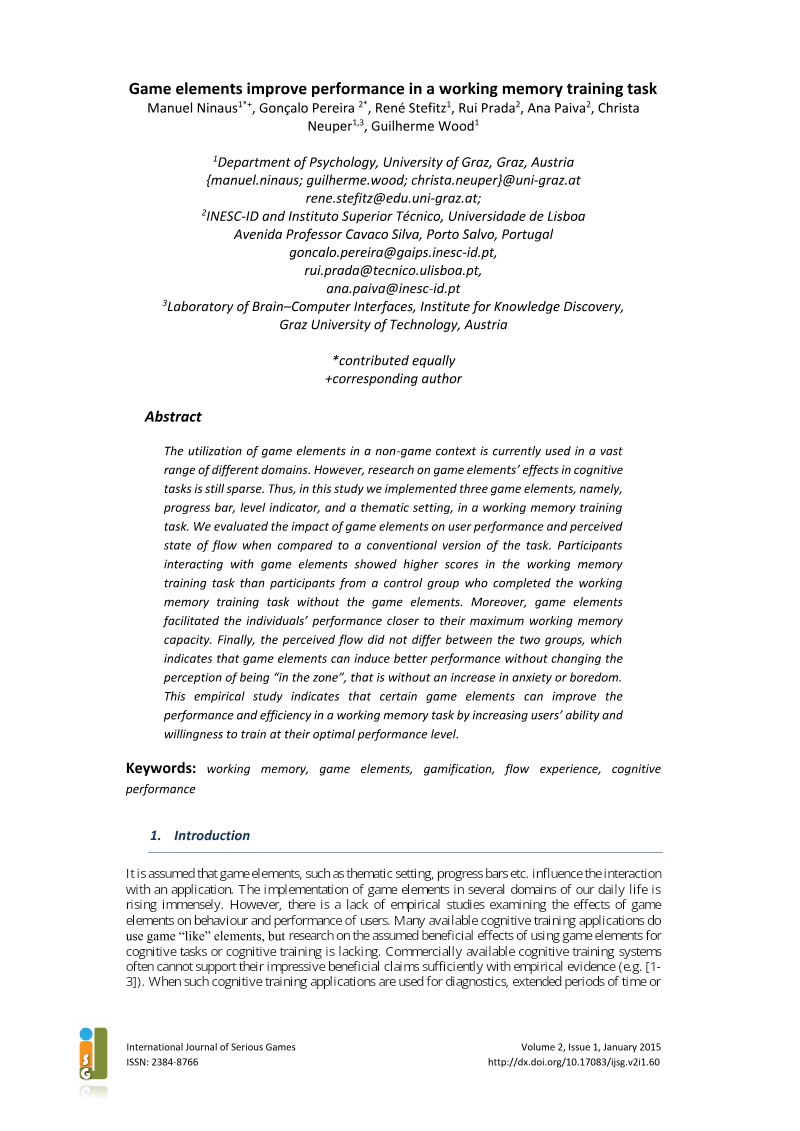
Game Elements Improve Performance in a Working Memory Training Task
Integrating game elements into cognitive training tasks significantly enhances user performance and operational efficiency.
- Gamification elements such as progress bars and level indicators significantly increase user performance and operational efficiency in working memory training tasks.
- The integration of game mechanics encourages participants to utilize their maximum working memory capacity more effectively than conventional, non-gamified training methods.
- Gamification acts as a performance catalyst for objective output without fundamentally altering a user’s maximum cognitive capacity.
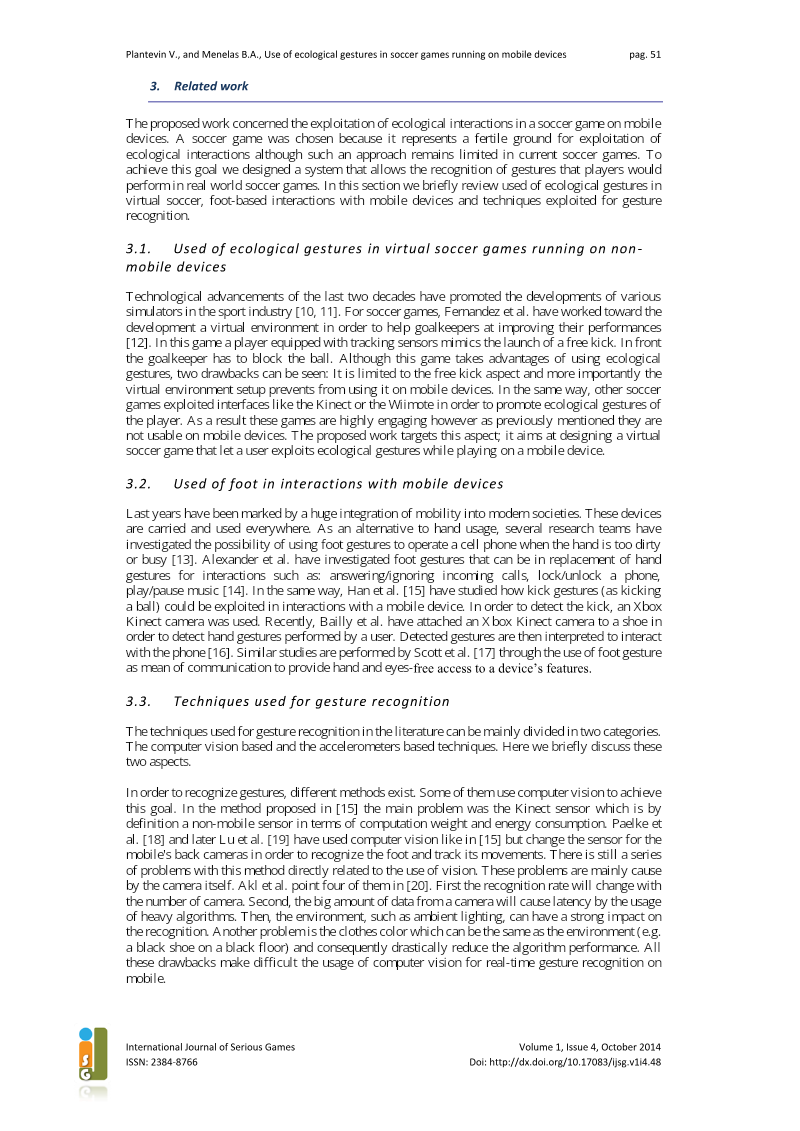
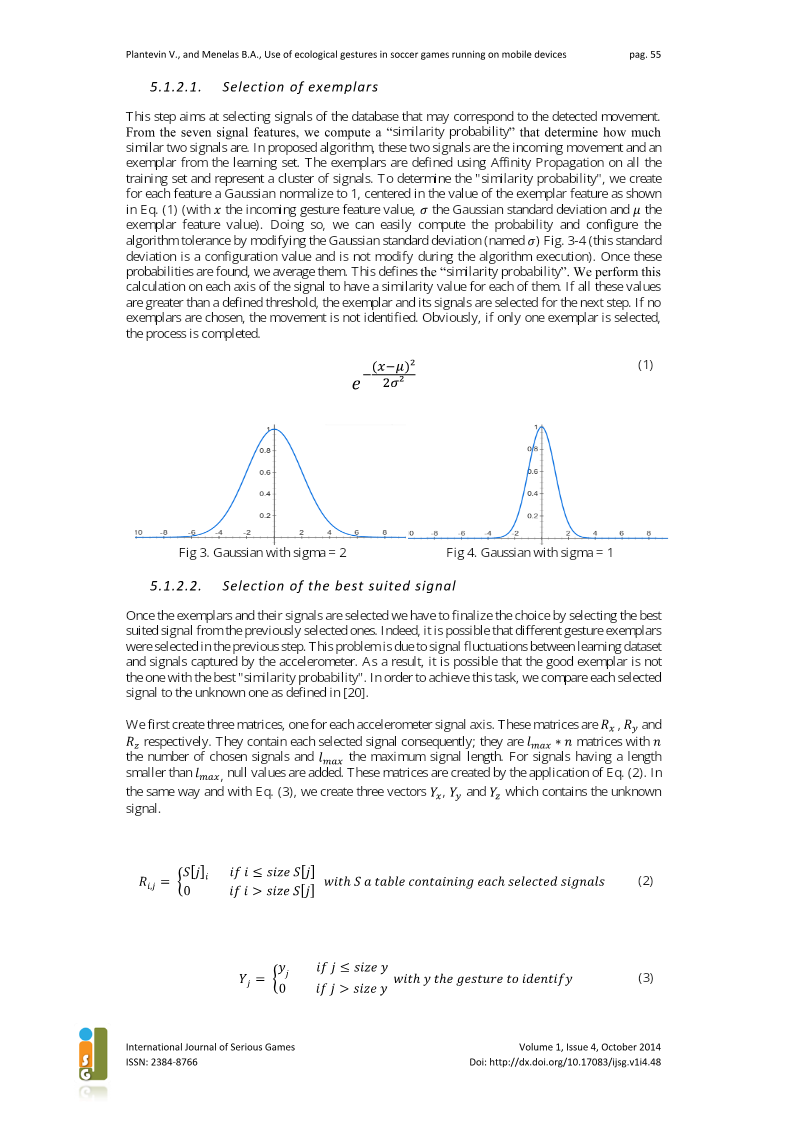
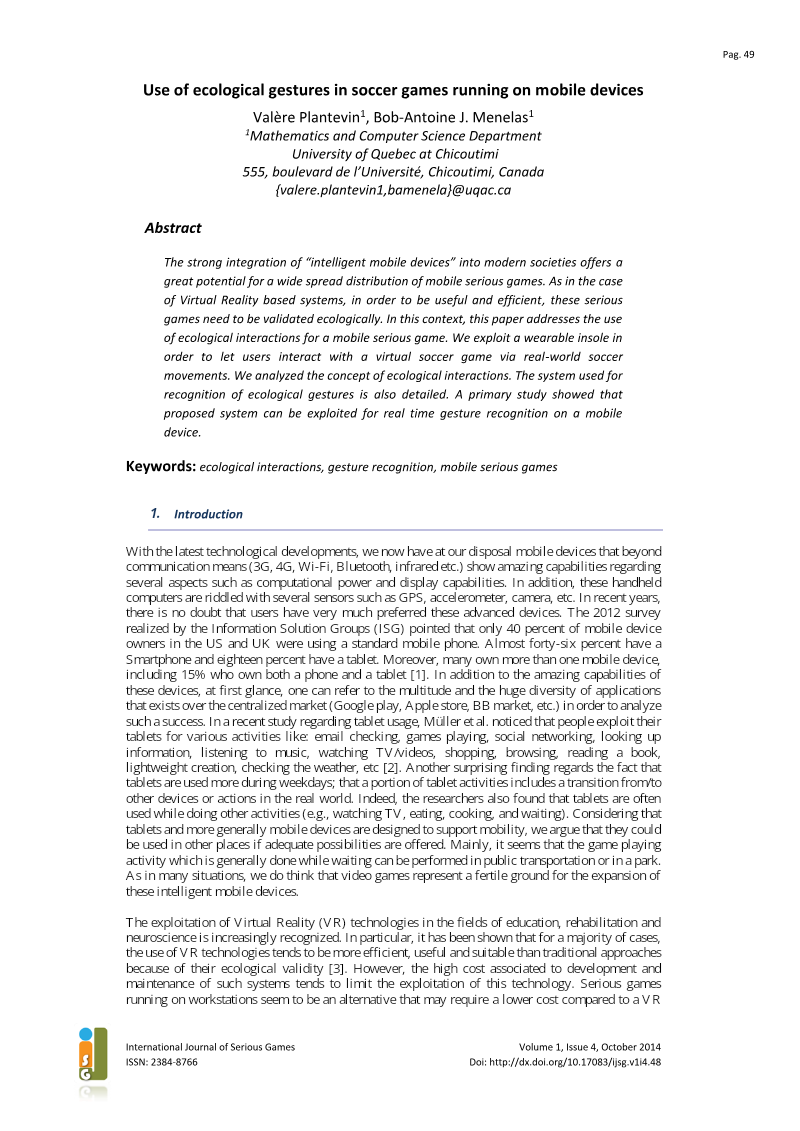
Use of Ecological Gestures in Soccer Games Running on Mobile Devices
Mobile soccer gaming often suffers from the limitations of traditional touchscreen controls, which frequently lack the tactile feedback and immersion required for authentic sports simulation.
- Wearable insole sensors enable mobile soccer games to mirror real-world physical movements, overcoming the tactile and immersion limitations of traditional touchscreen controls.
- A new lightweight gesture recognition algorithm achieves a 1.5kHz processing speed, significantly outperforming traditional Dynamic Time Warping (DTW) and FastDTW methods on mobile hardware.
- The system demonstrates a 100% success rate in filtering out noise, ensuring that only intentional physical actions trigger in-game responses.
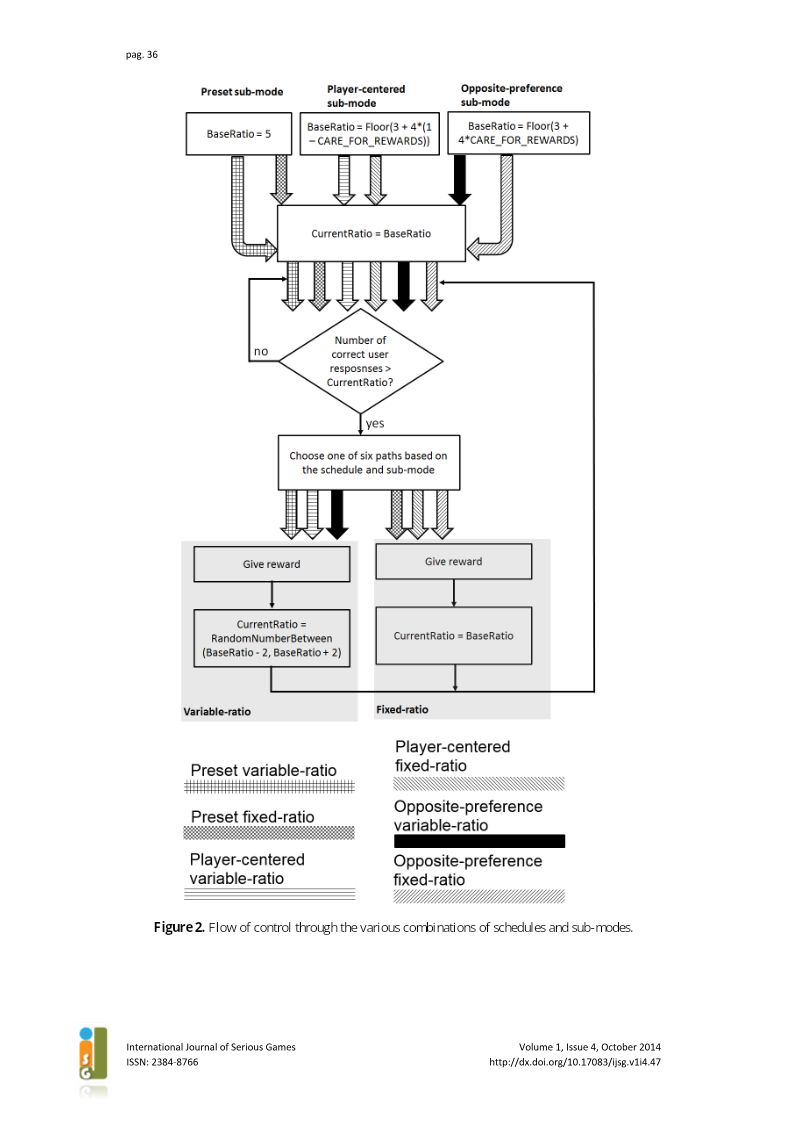
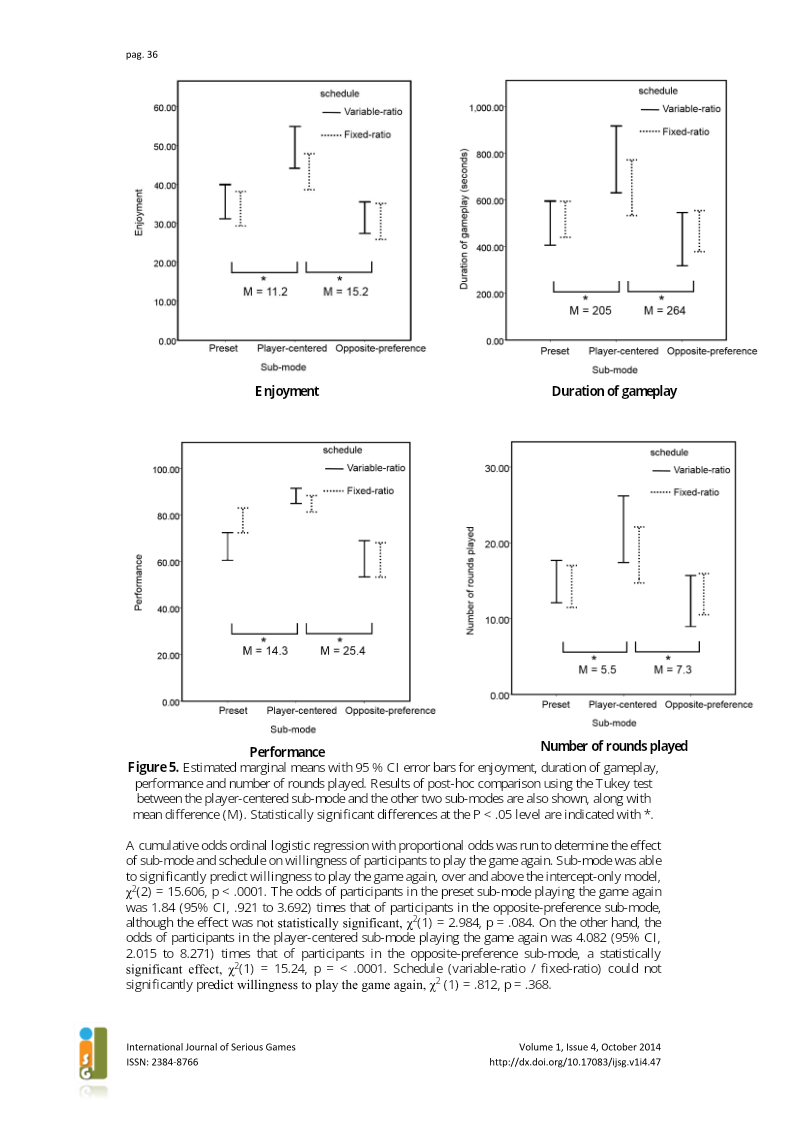
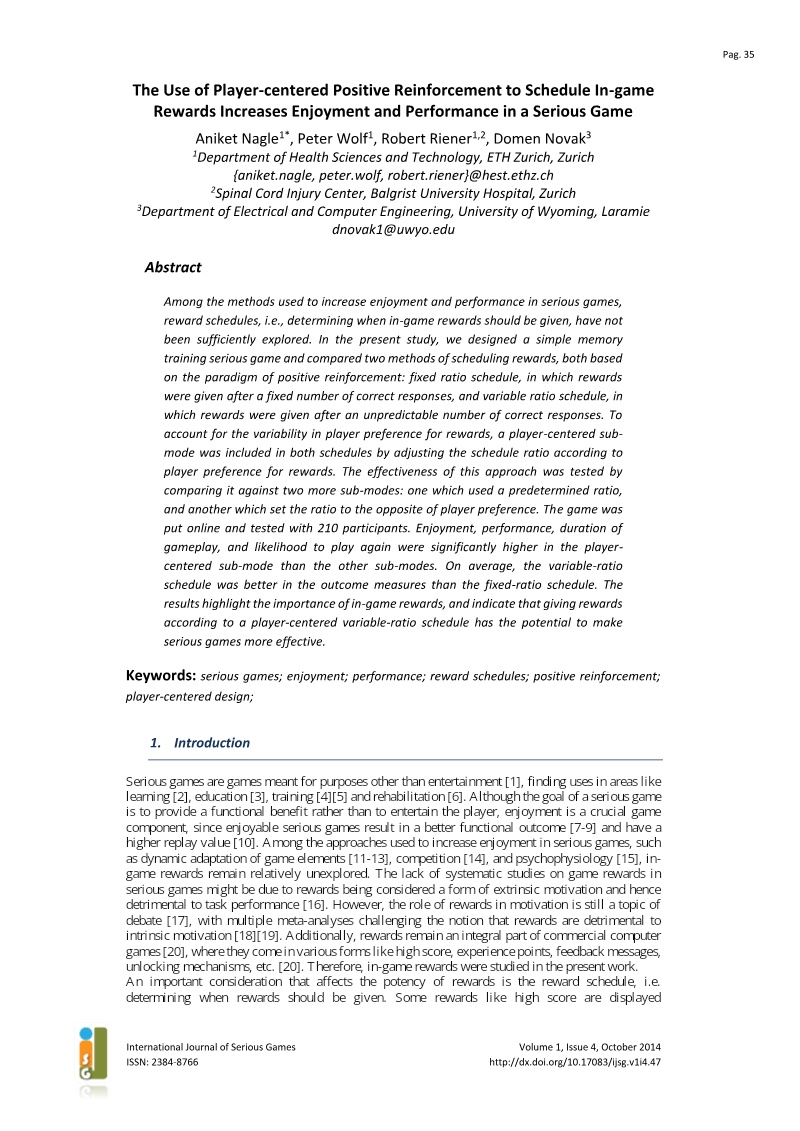
The Use of Player-centered Positive Reinforcement to Schedule In-game Rewards Increases Enjoyment and Performance in a Serious Game
Serious games designed for cognitive training often struggle to maintain long-term user engagement, a challenge addressed by optimizing the delivery of in-game rewards.
- Customizing reward schedules to align with individual player preferences is the primary driver for increasing both cognitive performance and user satisfaction in serious games.
- Research involving 210 participants confirms that adaptive, player-centered reward systems consistently outperform standardized, non-adaptive reward models.
- Tailoring the frequency and nature of in-game feedback significantly boosts both gameplay duration and long-term replay intent.
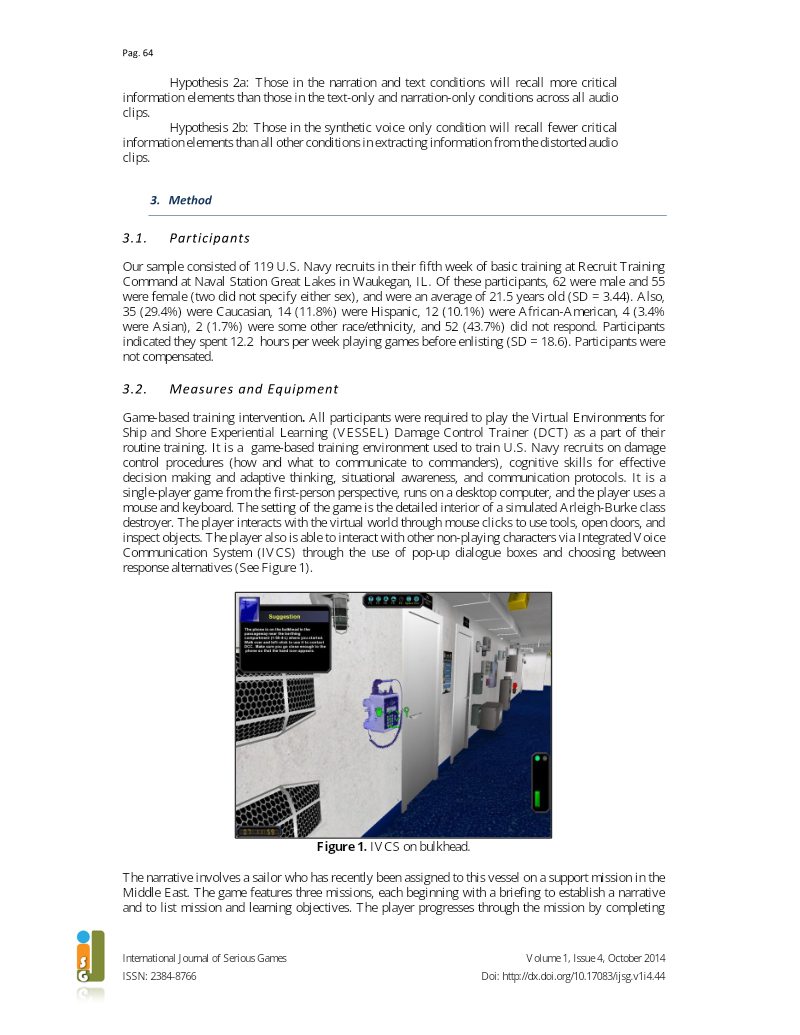

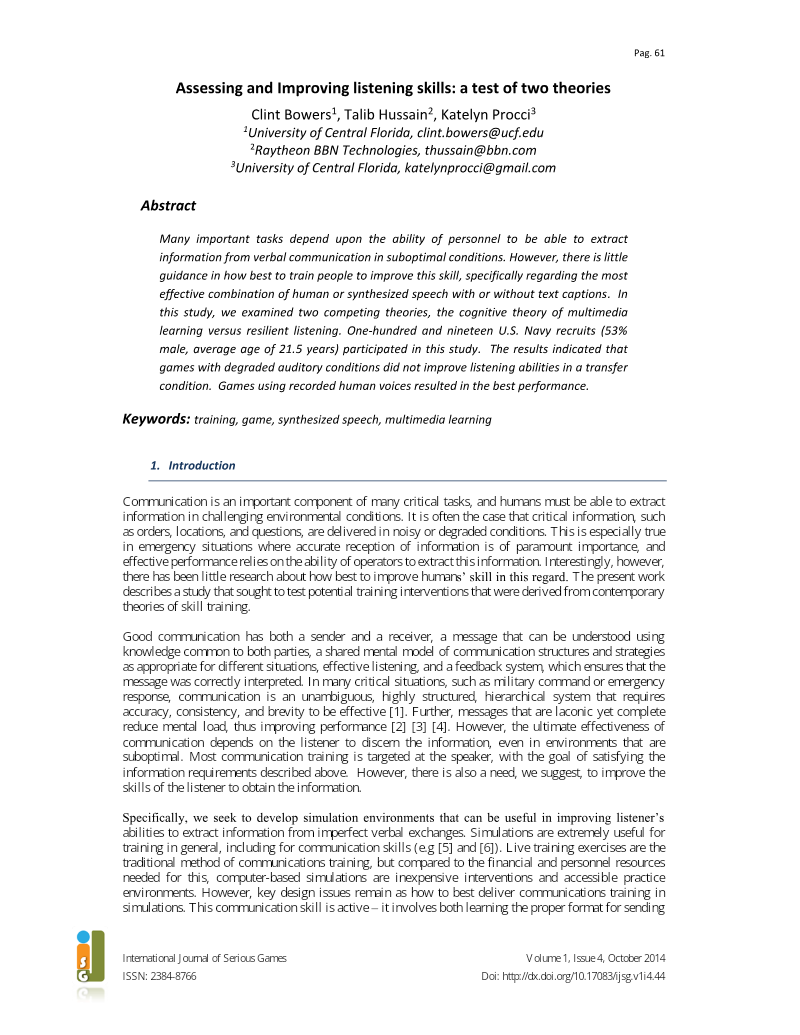
Assessing and Improving Listening Skills: A Test of Two Theories
Effective training for U.S. Navy recruits in high-stakes, suboptimal environments relies heavily on the quality of auditory communication within simulation-based learning.
- Human-recorded audio significantly outperforms synthetic speech in skill acquisition for novice trainees within high-stakes simulation environments.
- High-fidelity audio is the primary driver of successful information extraction, proving more critical to instructional design than cognitive load management strategies.
- Previous iterations of the Damage Control Trainer achieved an 80 percent reduction in communication errors, establishing a baseline for current optimization efforts.
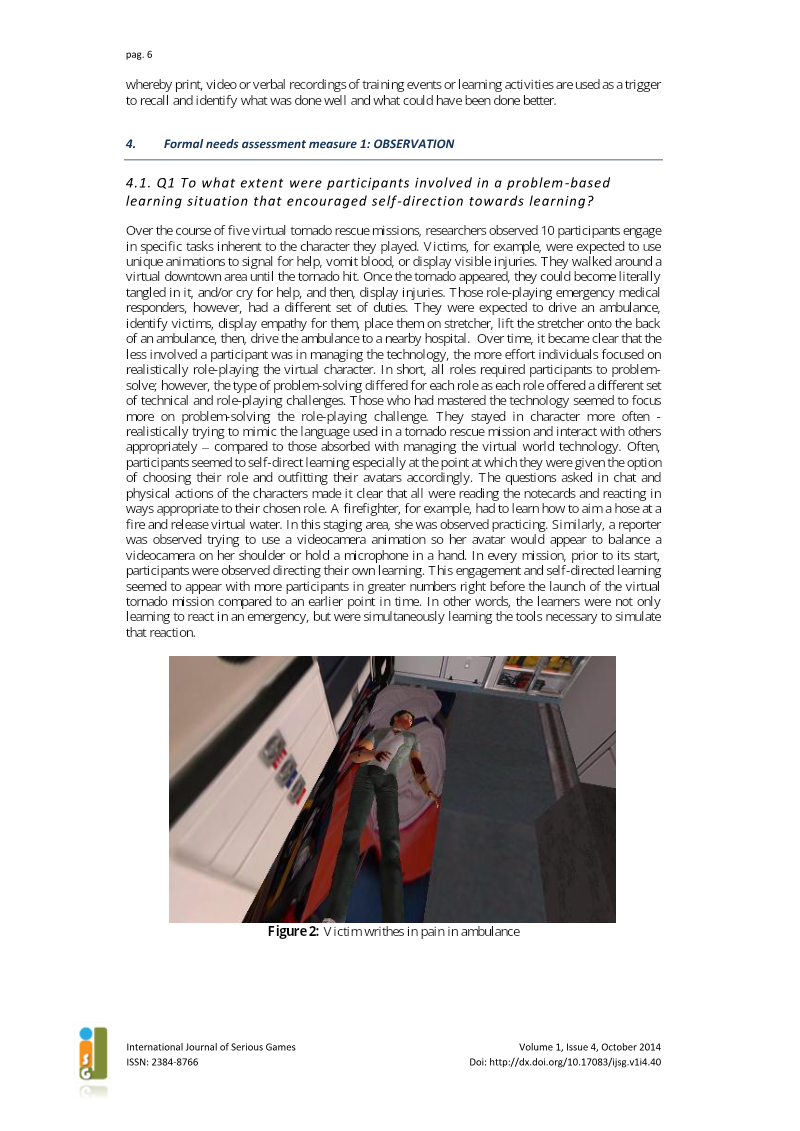
Assessing 3D Virtual World Disaster Training Through Adult Learning Theory
Three-dimensional virtual world simulations serve as a highly effective, cost-efficient alternative to traditional face-to-face emergency preparedness training.
- 3D virtual world simulations function as a cost-efficient, high-fidelity alternative to traditional face-to-face emergency preparedness training.
- Virtual platforms effectively bridge the gap between simulated practice and real-world application by fostering cognitive flexibility and emotional investment in high-stakes scenarios.
- The pedagogical efficacy of these environments is driven by constructivist adult learning principles, specifically problem-based learning, self-direction, and collaborative engagement.