1 free read left. Create a free account for unlimited reading + AI research.
Create free accountWhitepaper International Journal of Serious Games
1 free read left. Create a free account for unlimited reading + AI research.
Create free accountWhitepaperInternational Journal of Serious Games
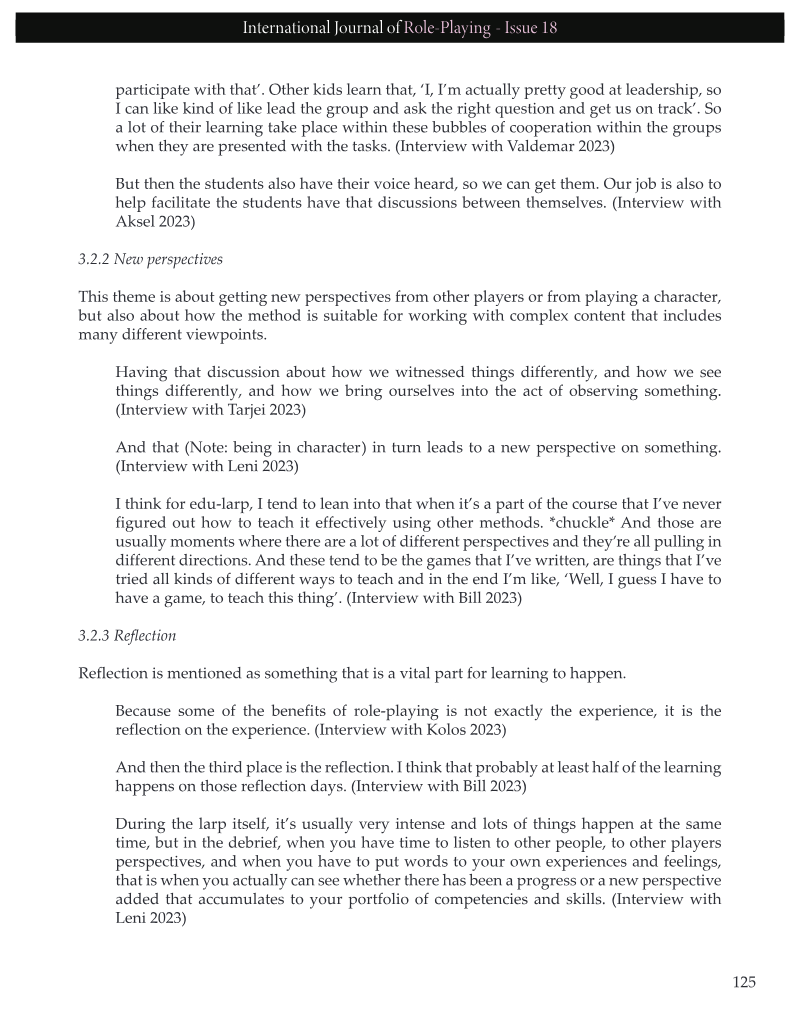
Persuasive games are frequently promoted as superior tools for fostering attitude change and knowledge acquisition, yet empirical evidence often fails to substantiate these claims when compared to traditional media. By evaluating the game EnerCities against an informative control condition—a PowerPoint presentation—researchers have demonstrated that the medium itself does not inherently outperform conventional educational materials. In a study involving 46 university students, both the game-based and text-based groups achieved comparable levels of knowledge gain, with neither method producing statistically significant shifts in attitudes.
The findings suggest that the perceived efficacy of persuasive games may be overstated, as participants actually reported higher levels of credibility and learning outcomes when exposed to the traditional presentation. This discrepancy indicates that the interactive features of games may introduce extraneous cognitive processing, potentially distracting users from the core educational content. Consequently, the assumption that game-based mechanics provide a unique persuasive advantage remains unsupported by current data, which instead points toward a parity between digital games and standard informative formats.
Future research must prioritize more rigorous experimental designs that incorporate informative control conditions to isolate the specific impact of game mechanics from the content provided. While some studies indicate short-term improvements in knowledge or behavior, these effects are rarely sustained over time. To advance the field, investigators should shift their focus toward longitudinal studies and measurable behavioral outcomes rather than relying on the assumption that the game format is an inherently more effective vehicle for persuasion. This shift is essential for determining whether specific game features offer genuine value beyond the information they convey.

International Journal of Serious Games · 2023
International Journal of Serious Games · 2022

International Journal of Serious Games · 2020
International Journal of Serious Games · 2020
International Journal of Serious Games · 2020
International Journal of Serious Games · 2020
International Journal of Serious Games · 2020
International Journal of Serious Games · 2020
International Journal of Serious Games · 2020
International Journal of Serious Games · 2020

International Journal of Serious Games · 2020
Air Force Institute of Technology · 2020
DiGRA · 2026