Association for Computing Machinery
50 reports, presentations and talks by Association for Computing Machinery in the Game Industry Library, the newest “Mapperoni: A Tool for Teaching the Basics of Level Design” (2026).
Documents
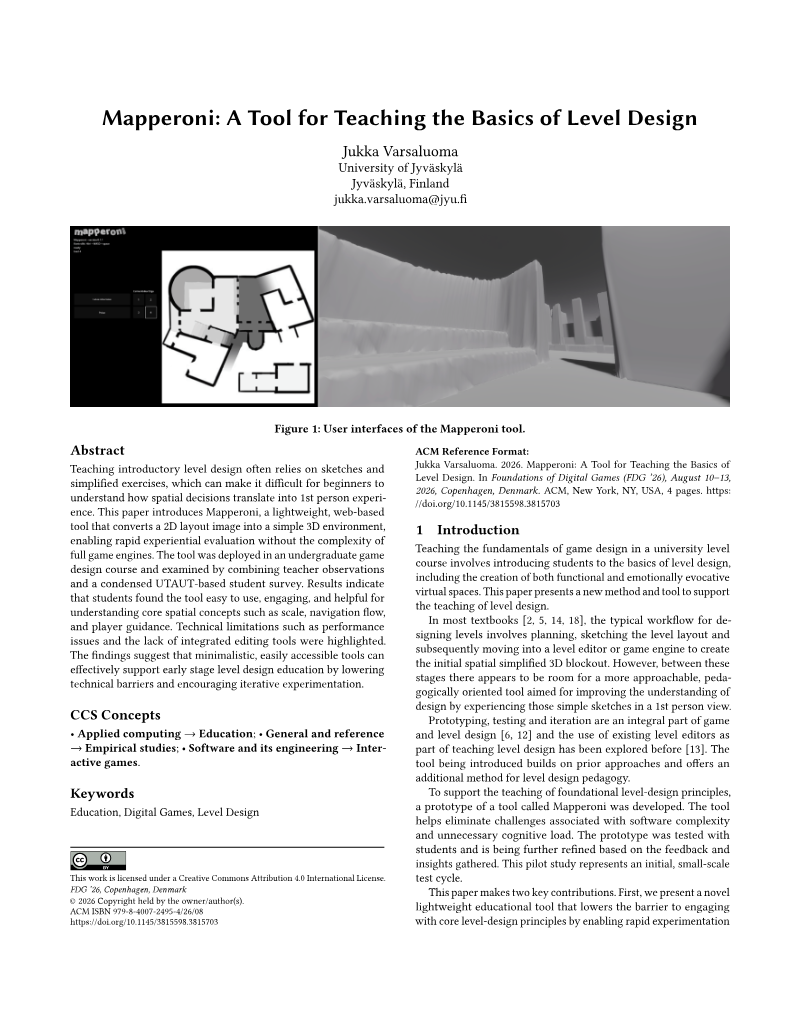
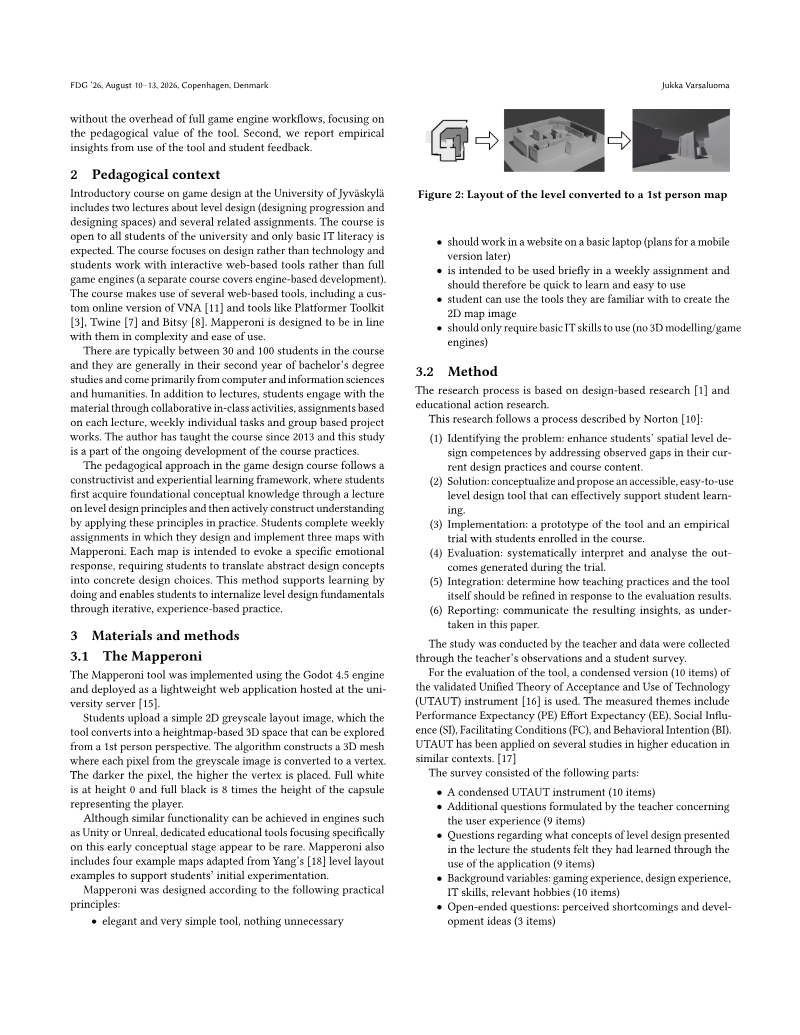
Mapperoni: A Tool for Teaching the Basics of Level Design
This is a self-archived version of an original article. This version may differ from the original in pagination and typographic details.
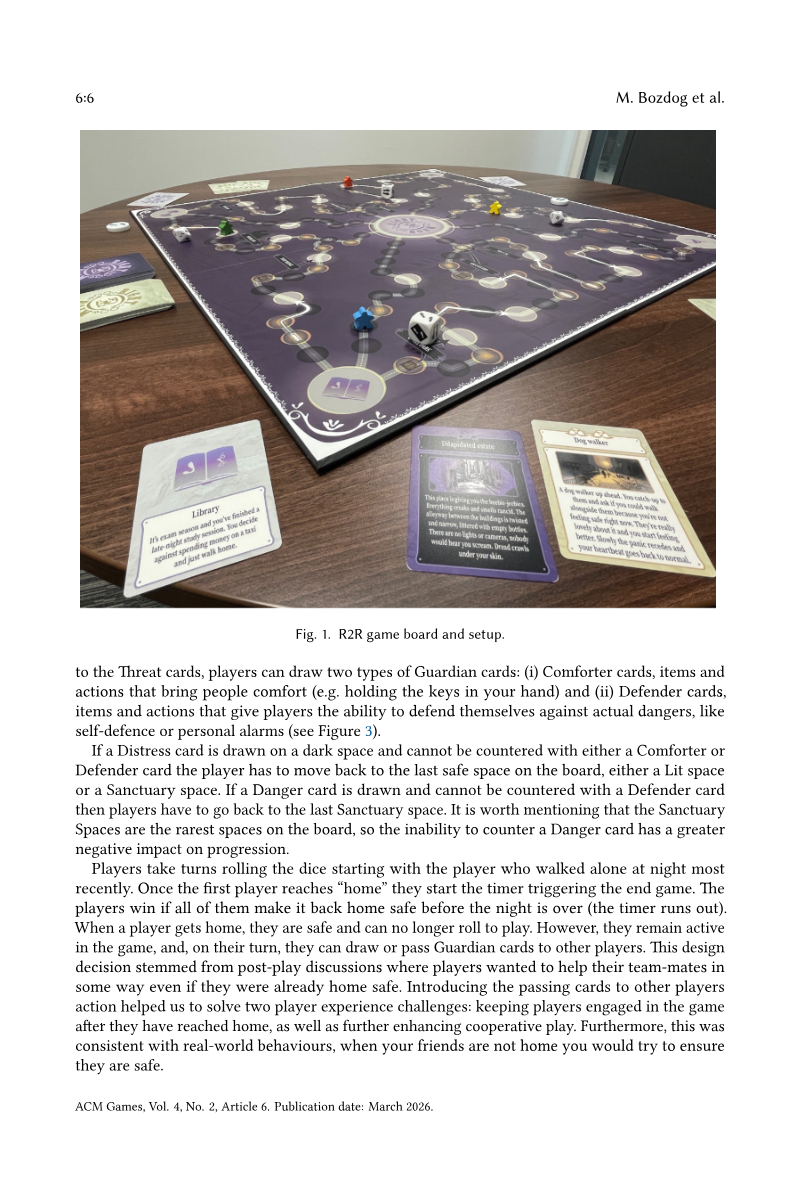
‘That’s What Girls Have to Think About All the Time’: Board Games for Civic Engagement and Perspective-Taking
Board games serve as potent instruments for fostering civic engagement and empathy when designed to mirror the systemic inequities of the real world.

Exploring Player Experience Factors for Designing Persuasive Recruitment Games
Persuasive recruitment games serve as a strategic tool for attracting candidates to the teaching profession, functioning as interactive interventions that shape career interest and self-efficacy.
- Mastery is the strongest predictor of increased self-efficacy and person-vocation (PV) fit, making it the most critical experience factor for recruitment games where players must feel capable of performing a target role.
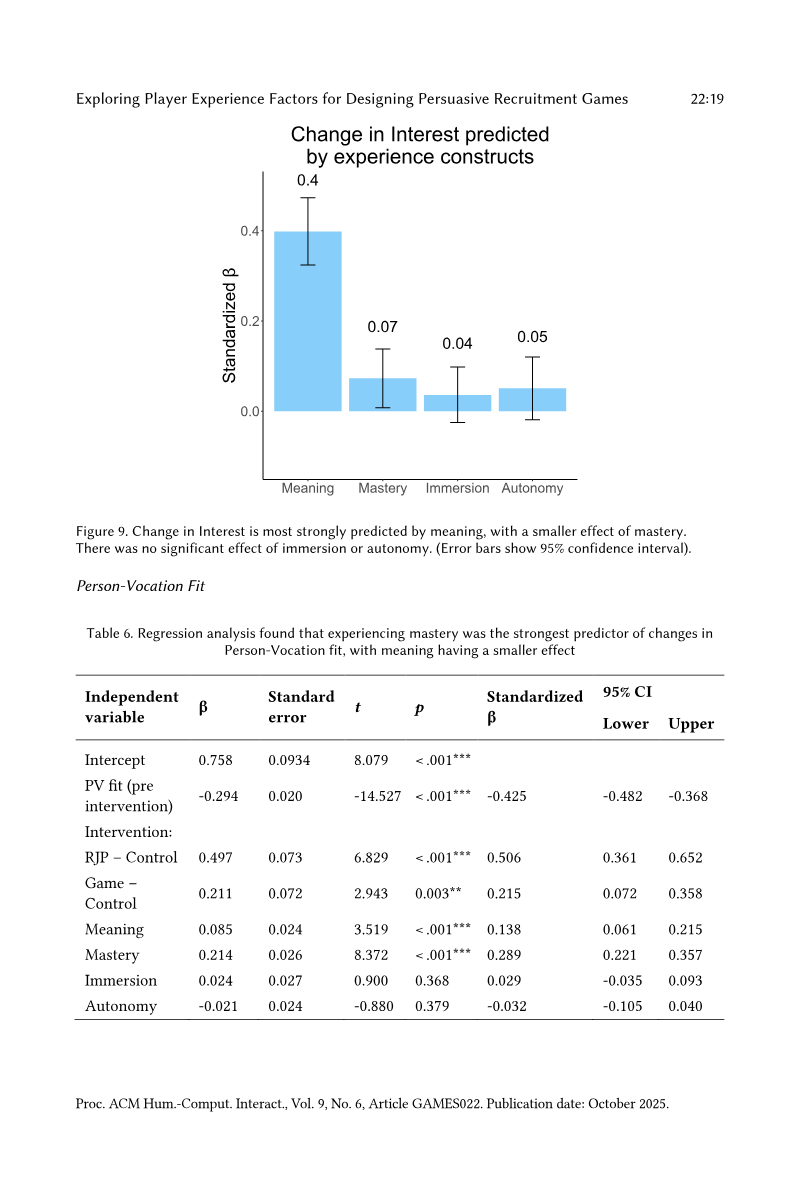
- Meaning—defined as the perceived relevance and value of the game—is the primary driver for increasing player interest, outperforming immersion and autonomy in persuasive impact.
- Immersion and autonomy, while common design goals, showed no significant effect on persuasion measures (Interest, PV fit, or Self-efficacy) in the context of recruitment simulations.
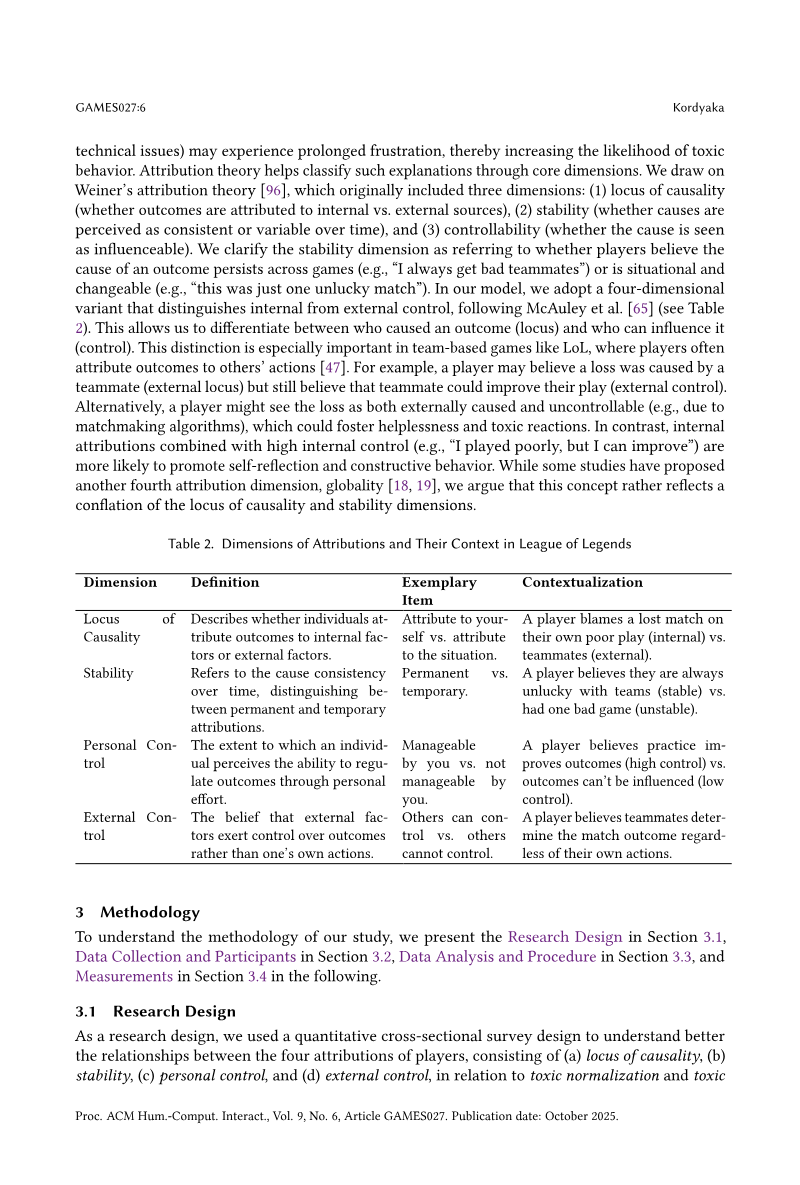
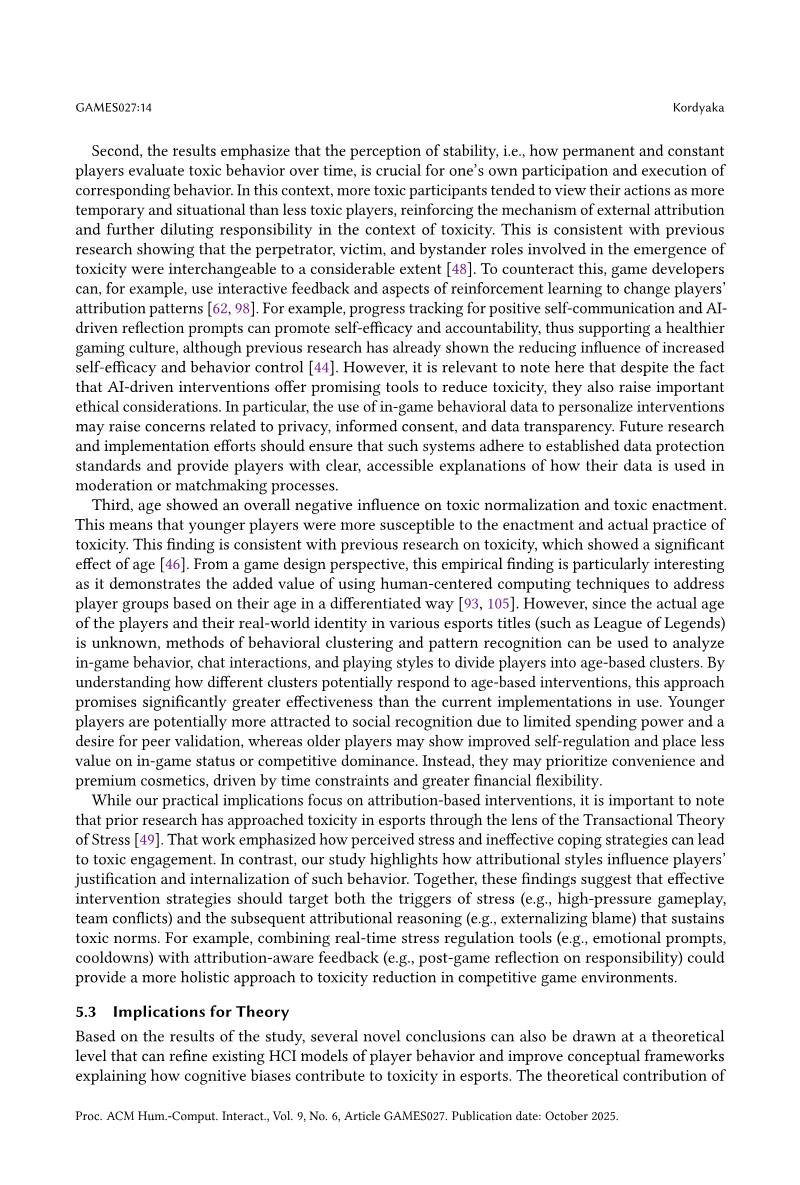
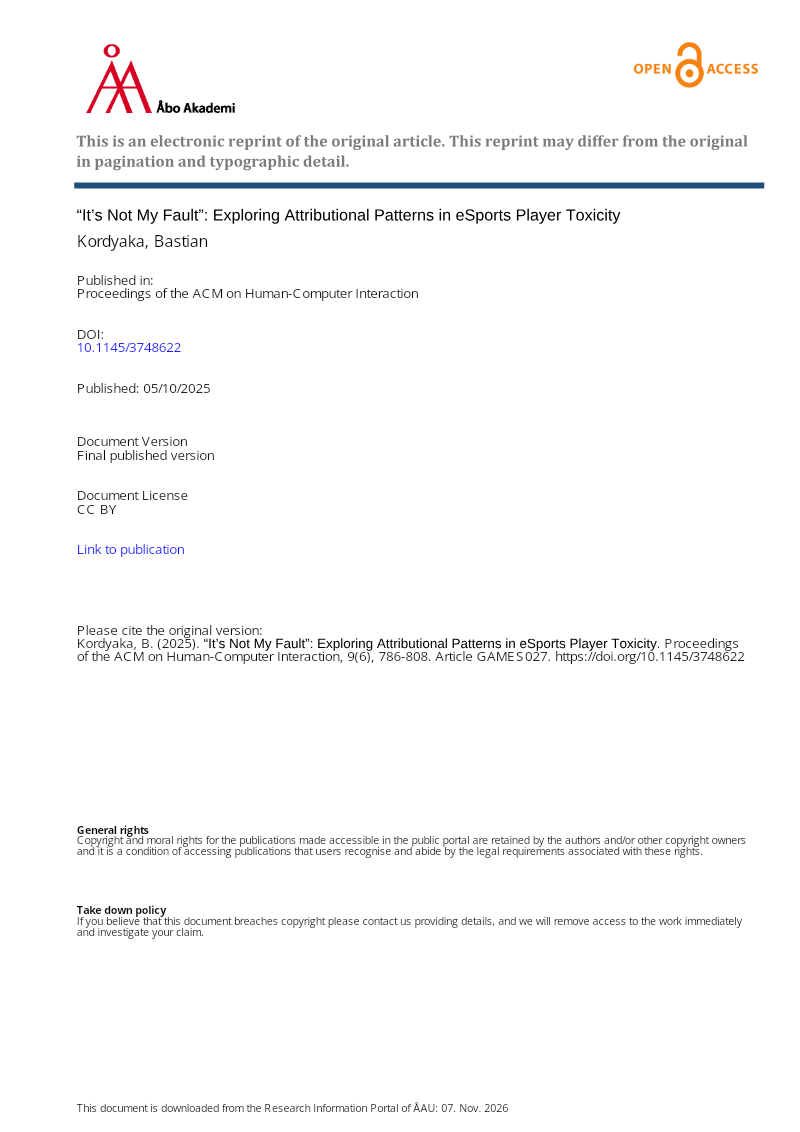
“It’s Not My Fault”: Exploring Attributional Patterns in eSports Player Toxicity
Toxic behavior in competitive esports, specifically within the League of Legends ecosystem, is fundamentally driven by cognitive attributional biases.
- Toxic behavior in competitive games like League of Legends is driven by two primary psychological mechanisms: toxic normalization (the general acceptance of harmful behavior) and toxic perpetration (the active engagement in such behavior).
- Younger players are statistically more likely to engage in toxic perpetration, suggesting that age-based intervention strategies may be more effective than uniform moderation policies.
- Players who perceive toxic behavior as less stable (temporary rather than permanent) and those who feel a higher sense of personal control are more likely to actively engage in toxic acts.
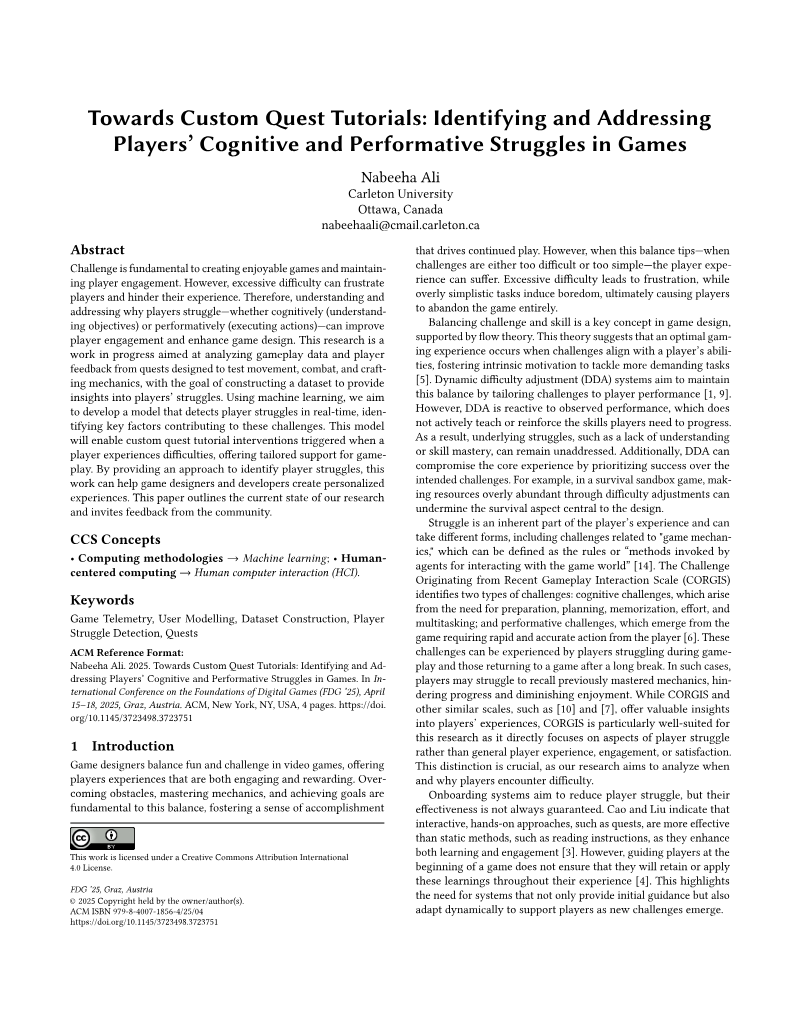

Towards Custom Quest Tutorials: Identifying and Addressing Players' Cognitive and Performative Struggles in Games
DIGITAL acm open> PDF Download ACM Aocio osoery 3723498.3723751.pdf LIBRARY 16 March 2026 updates Total Citations: 1 Latest updates: hps://dl.acm.org/doi/10.1145/3723498.3723751 Published: 09 May 2025 SHORT-PAPER Citation in BibTeX...
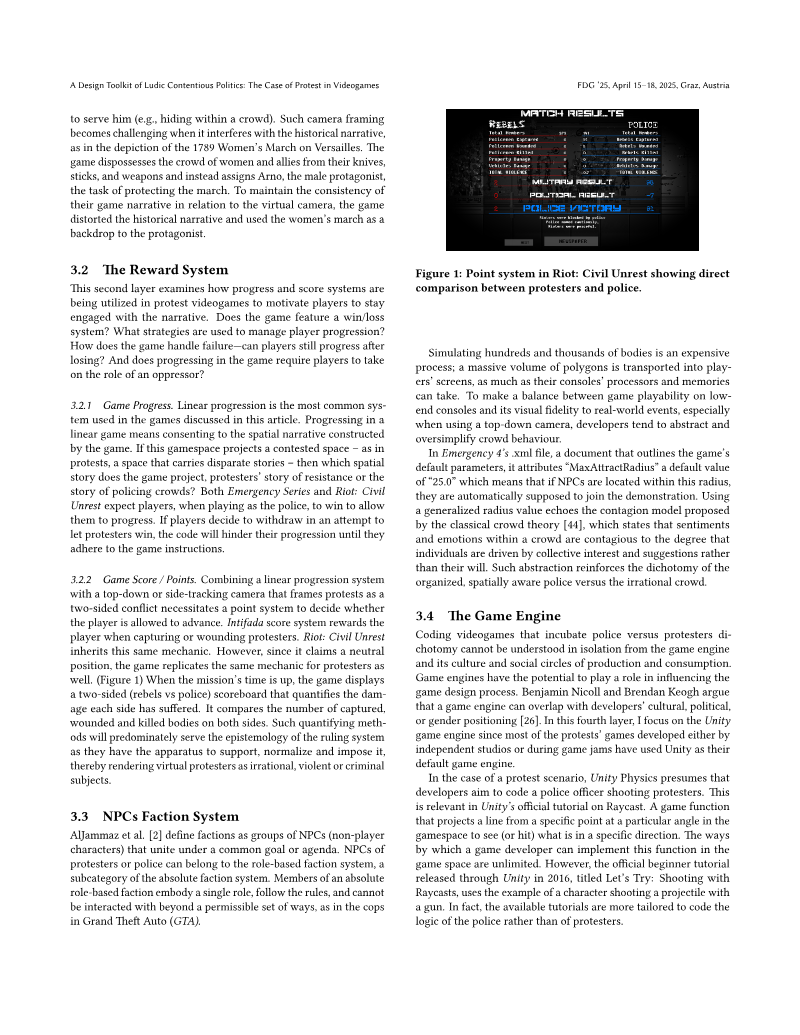

A Design Toolkit of Ludic Contentious Politics: The Case of Protest in Videogames
DIGITAL acm open> PDF Download ACM 3723498.3723733.pdf LIBRARY 16 March 2026 updates Total Citations: 0 Latest updates: hps://dl.acm.org/doi/10.1145/3723498.3723733 Published: 09 May 2025 RESEARCH-ARTICLE ...
Serious Gaming Meets Audiology: Developing a Video Game for Auditory Testing
Serious Gaming Meets Audiology Wittrock, Wieger; Zalewska-Kurek, Kasia; Zekveld, Adriana A.; Kramer, Sophia E.; Gómez- Proceedings of the 20th International Conference on the Foundations of Digital Games, FDG 2025 Publisher's PDF, also known as Version of record Citation for pulished version (APA): Wittrock, W., Zalewska-Kurek…
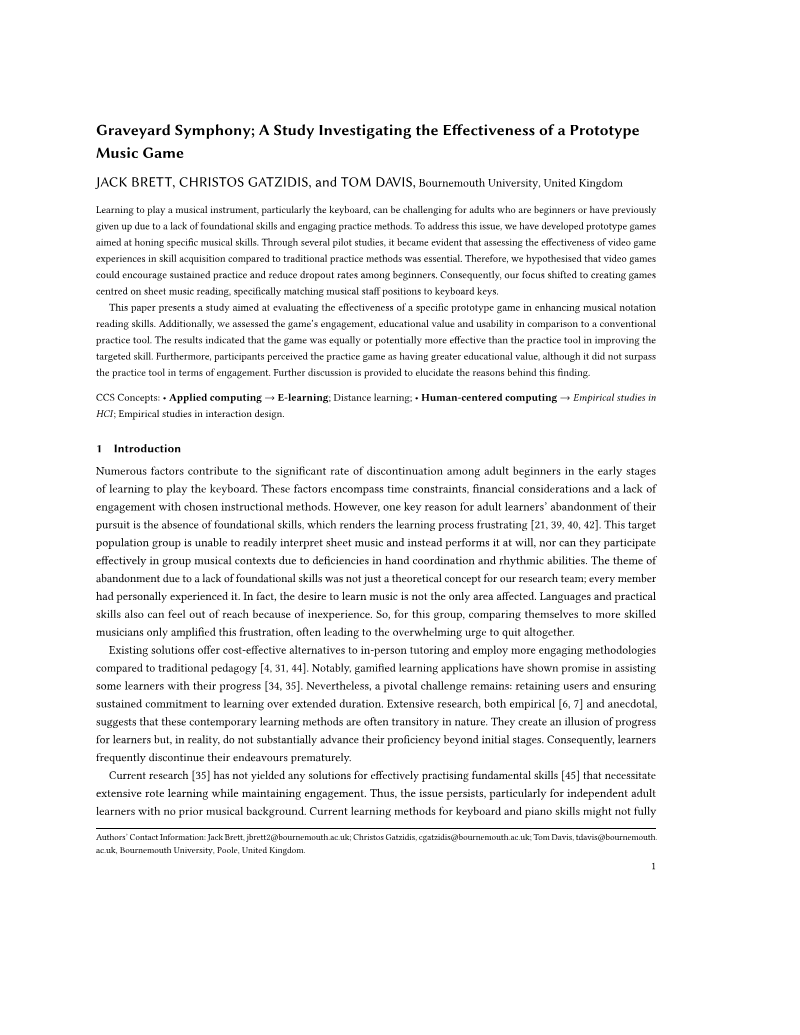
Graveyard Symphony: A Study Investigating the Effectiveness of a Prototype Music Game
Graveyard Symphony serves as a pedagogical intervention designed to facilitate music literacy among adult beginners by mapping staff notation to keyboard inputs.
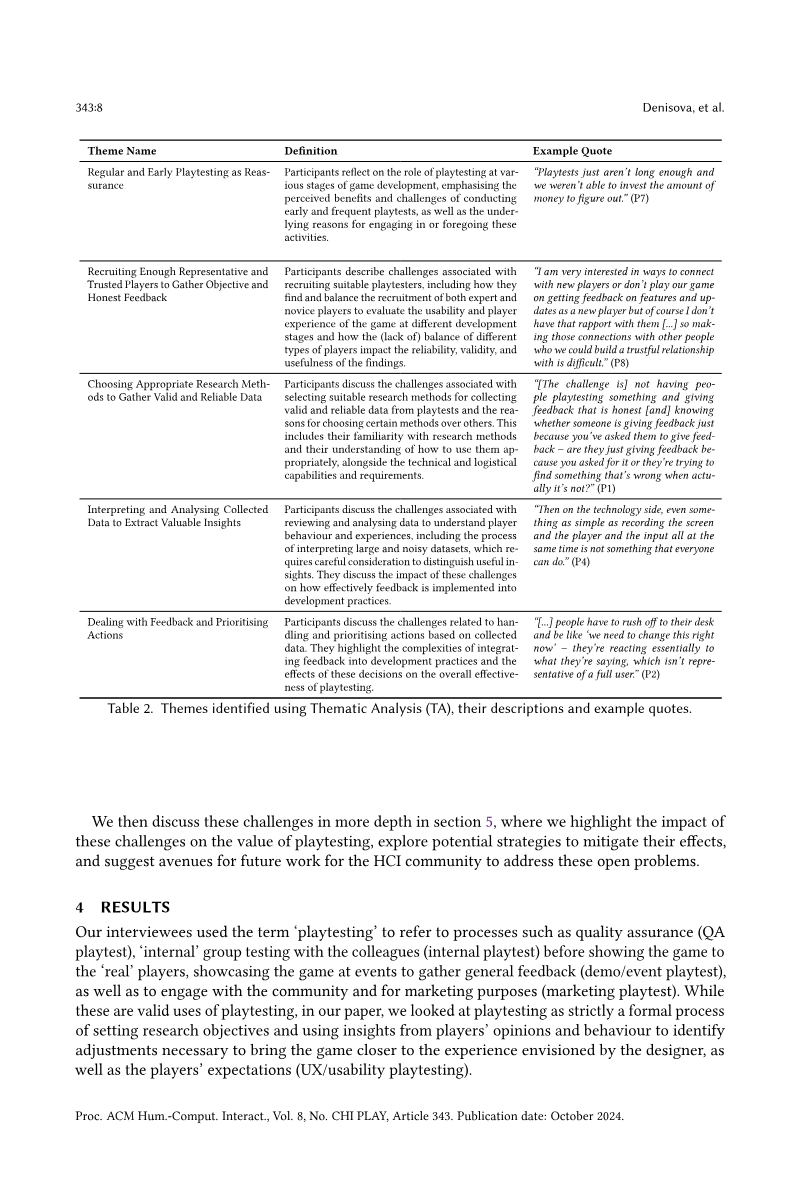
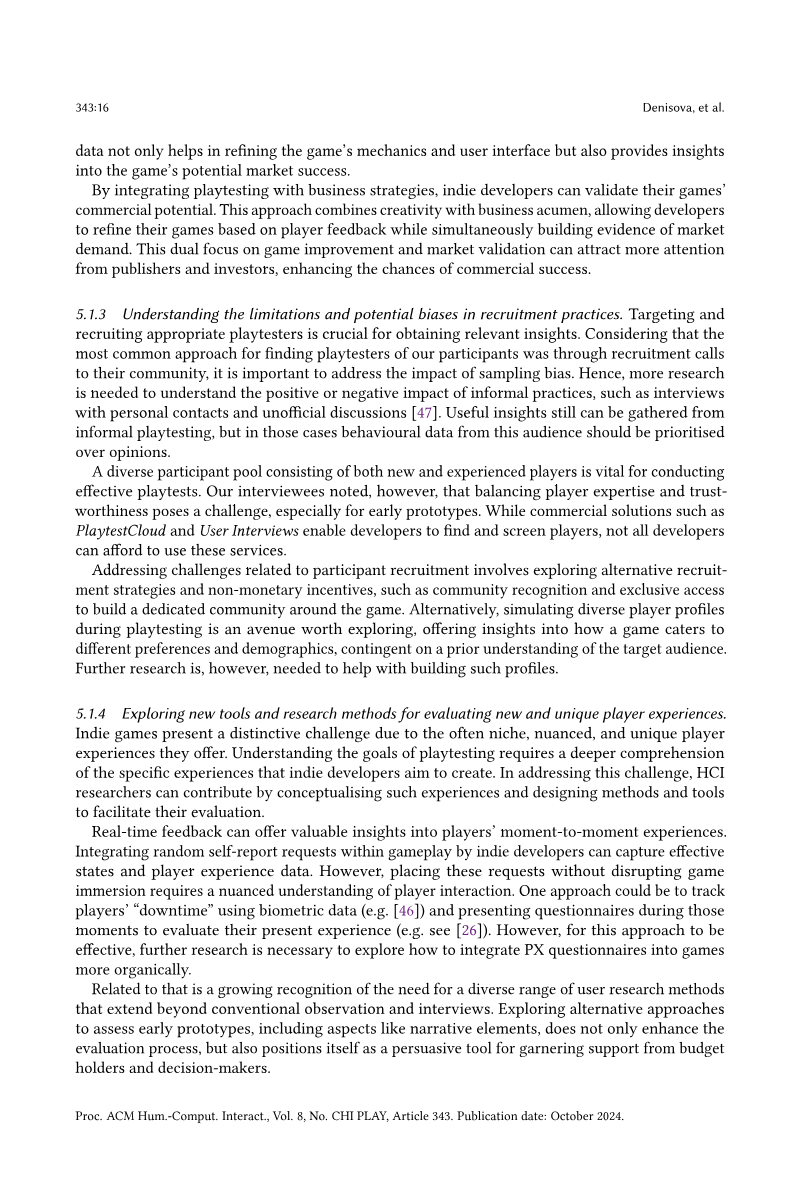
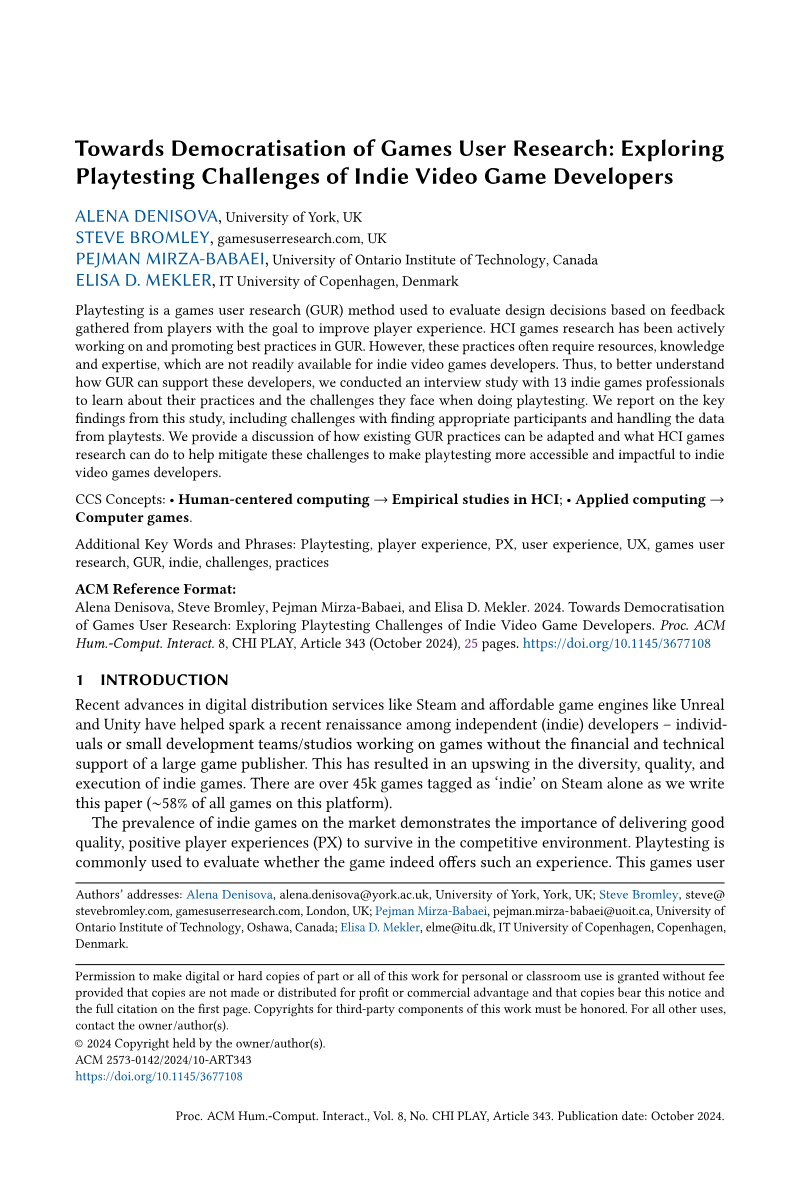
Towards Democratisation of Games User Research: Exploring Playtesting Challenges of Indie Video Game Developers
Independent game developers face a significant disconnect between the formal principles of Games User Research and the practical realities of resource-constrained production environments.
- Indie developers lack dedicated physical spaces for playtesting, forcing them to rely on suboptimal environments like office desks or public events, which compromises data reliability and introduces observer bias.
- The absence of formal Games User Research (GUR) training leads developers to react impulsively to isolated player feedback rather than using structured, objective-based evaluation methods.
- Recruitment for playtests is predominantly limited to existing community members, creating significant sampling bias that can skew results and misrepresent the experiences of broader, non-expert player audiences.

Storytelling Games for General Anxiety: Clinician Perspectives on Walking Simulator Games as Intervention
Walking simulator games serve as a promising, accessible digital intervention for individuals managing Generalized Anxiety Disorder.
- Clinicians identified 'walking simulator' games like 'What Remains of Edith Finch' and 'Dear Esther' as potential digital therapeutics for General Anxiety Disorder (GAD) due to their immersive, naturalistic environments.
- To effectively reduce emotional arousal, games should incorporate active, repetitive tasks—such as counting digital wildlife or interactive breathing exercises—to provide sufficient cognitive distraction for anxious minds.
- Designers should implement a 'ladder of exposure' by sequencing safe, nature-based environments with more challenging, anxiety-provoking spaces to help users practice graduated exposure therapy.

Behavioral Design in Video Games
Behavioral design in video games refers to design decisions that elicit specific player behaviors, whether those behaviors are self-beneficial or self-negative.
Jumping Out from the Pressure of Work and into the Game: Curating Immersive Digital Game Experiences for Post-Work Recovery
Digital games serve as a sophisticated tool for post-work recovery, functioning as a mechanism for healthy escapism that allows individuals to transition away from professional stressors.
Do you work at Association for Computing Machinery? Get a free report of how these documents are read and cited here.