Association for Computing Machinery
50 reports, presentations and talks by Association for Computing Machinery in the Game Industry Library, the newest “Actuating Myself: Designing Hand-Games Incorporating Electrical Muscle Stimulation” (2021).
Documents


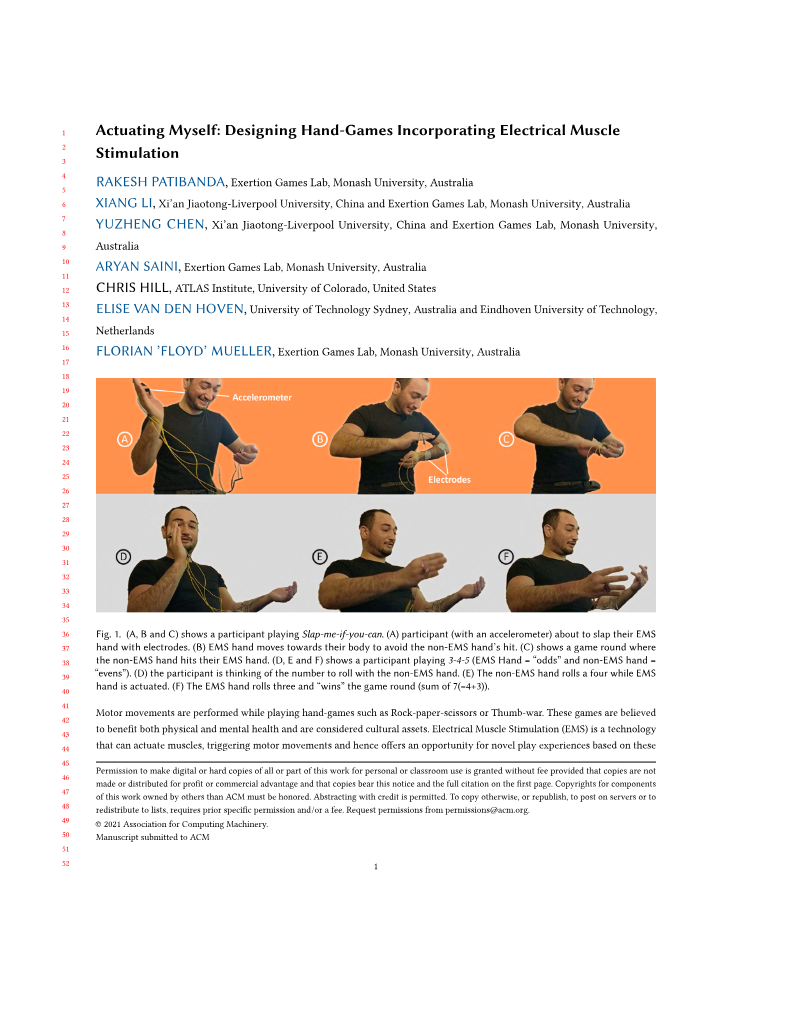
Actuating Myself: Designing Hand-Games Incorporating Electrical Muscle Stimulation
Electrical muscle stimulation (EMS) offers a transformative approach to game design by enabling single-player experiences that simulate the competitive dynamics of traditional two-player hand games.
- Electrical Muscle Stimulation (EMS) can transform traditional two-player hand games into single-player experiences by allowing users to share control of their bodily movements with a machine.
- The study developed two prototype games, 'Slap-me-if-you-can' and '3-4-5', which use an accelerometer in the non-EMS hand and electrodes on the forearm to actuate wrist and finger movements.
- The calibration process for EMS serves as a form of playful learning, helping users understand the biological relationship between specific forearm muscles and resulting hand movements.
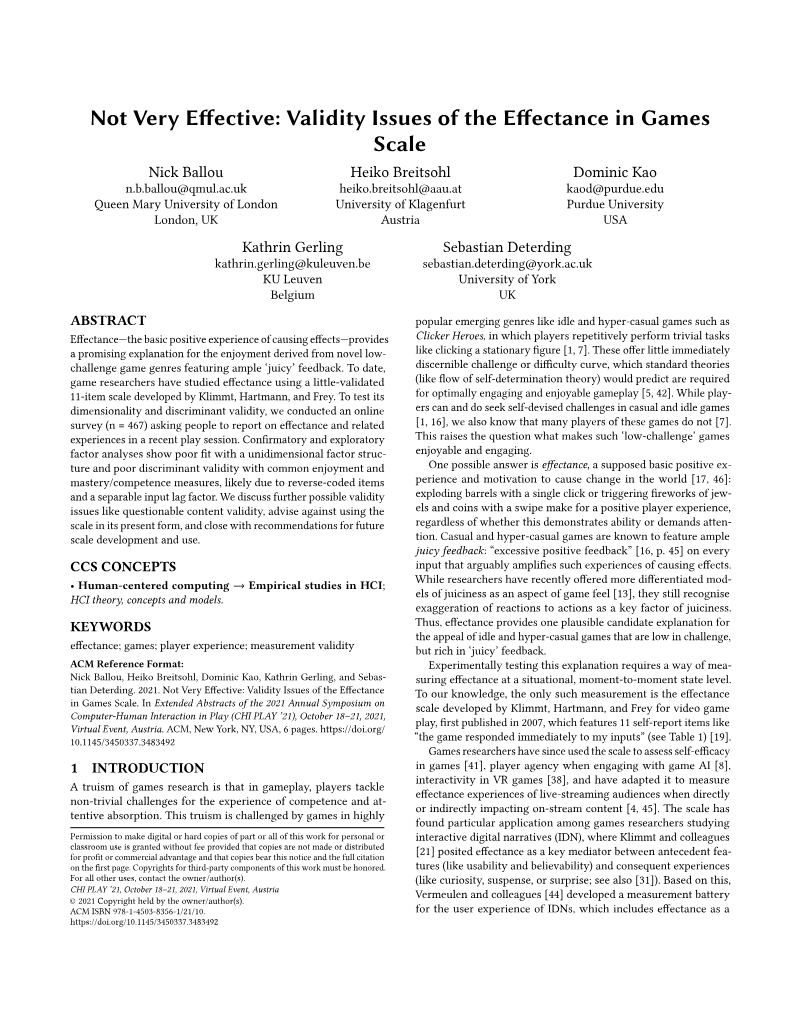
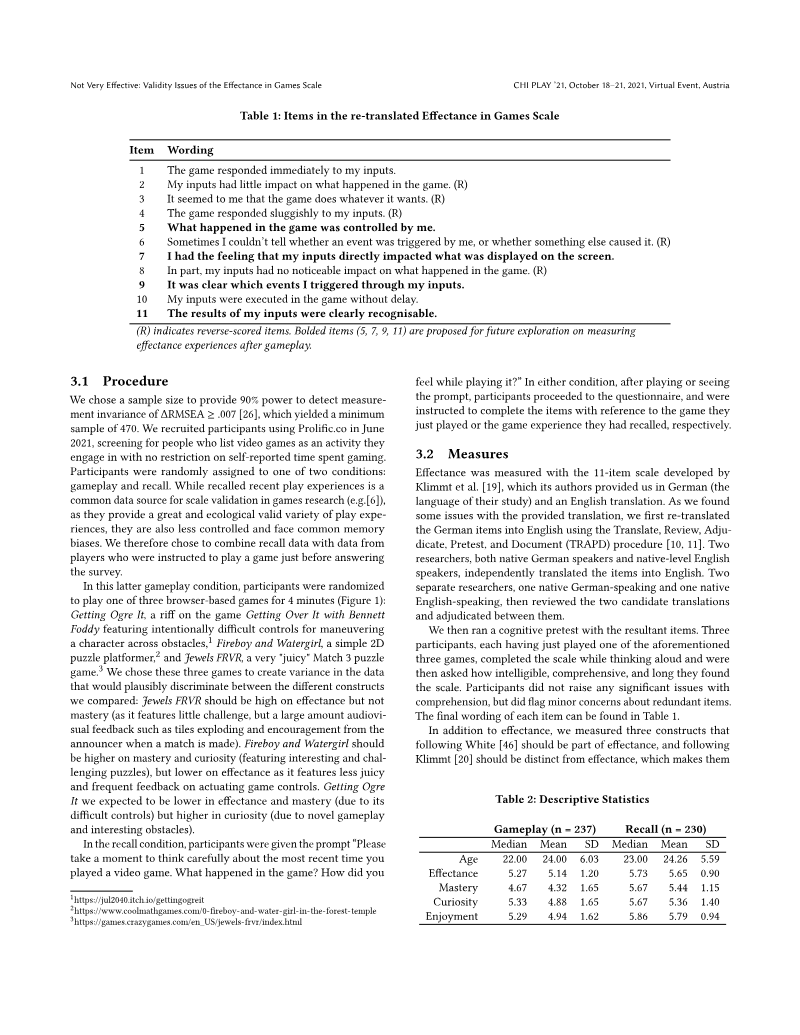
Not Very Effective: Validity Issues of the Effectance in Games Scale
The Effectance in Games Scale, a tool frequently employed to quantify the enjoyment players derive from exerting influence within digital environments, fails to meet rigorous psychometric standards.
- The 'Effectance in Games Scale' is unsuitable for current use because it fails to demonstrate a valid unidimensional factor structure and lacks sufficient discriminant validity from existing measures of mastery and enjoyment.
- In a study of 467 participants, the scale showed poor statistical fit (CFI = .831, RMSEA = .118) and failed to clearly distinguish the construct of effectance from competence or general enjoyment.
- The scale's validity is compromised by the inclusion of reverse-coded items, which formed their own separate factor during analysis, and a distinct 'input lag' factor that measures system responsiveness rather than the psychological experience of effectance.
Who Willed It?: Decreasing Frustration by Manipulating Perceived Control in BCI Games
Brain-Computer Interface (BCI) technology often suffers from low signal recognition rates, which frequently lead to user frustration and a diminished sense of agency during gameplay.
- Integrating fabricated system-generated inputs at rates between 15% and 30% significantly reduces user frustration and increases perceived agency in BCI games.
- Perceived control is driven primarily by the frequency of user input attempts rather than the ratio of genuine to fabricated successes.
- Fabricated input serves as a viable design framework to maintain user engagement and motivation in BCI applications despite low hardware signal recognition rates.
Intuitive Interaction with Motion Controls in a Tennis Video Game
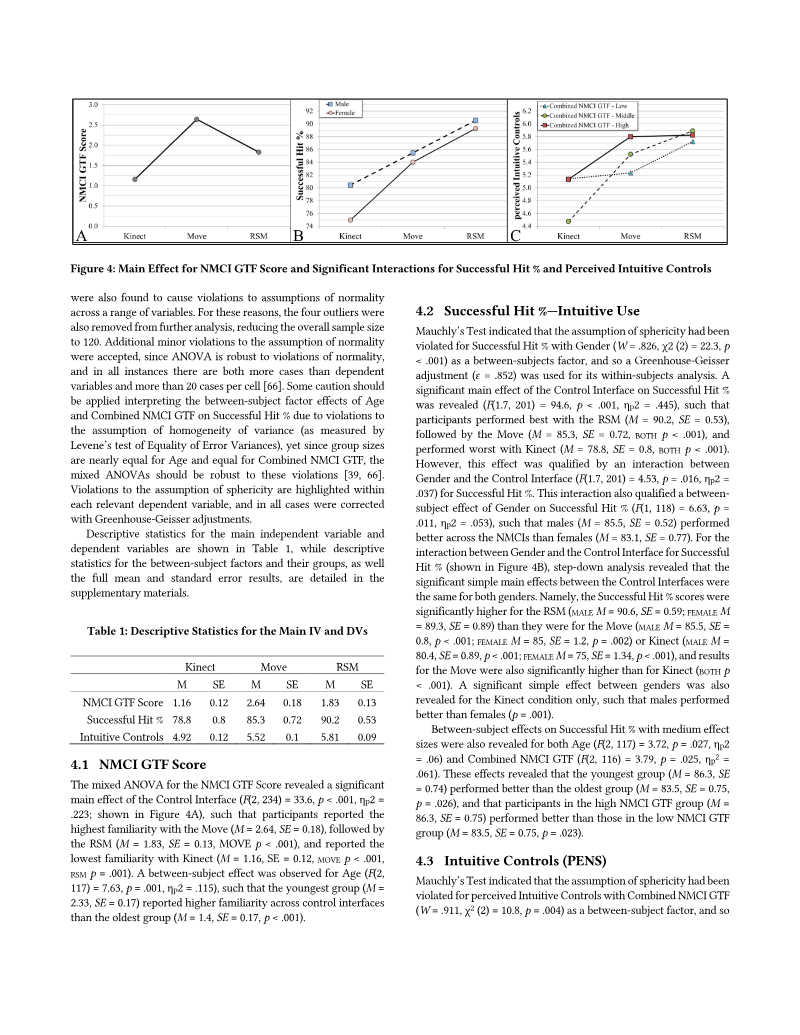
Natural mapping in motion control interfaces serves as a critical determinant for intuitive interaction within sports-themed video games.

A Grounded Analysis of Player-Described Board Game Immersion
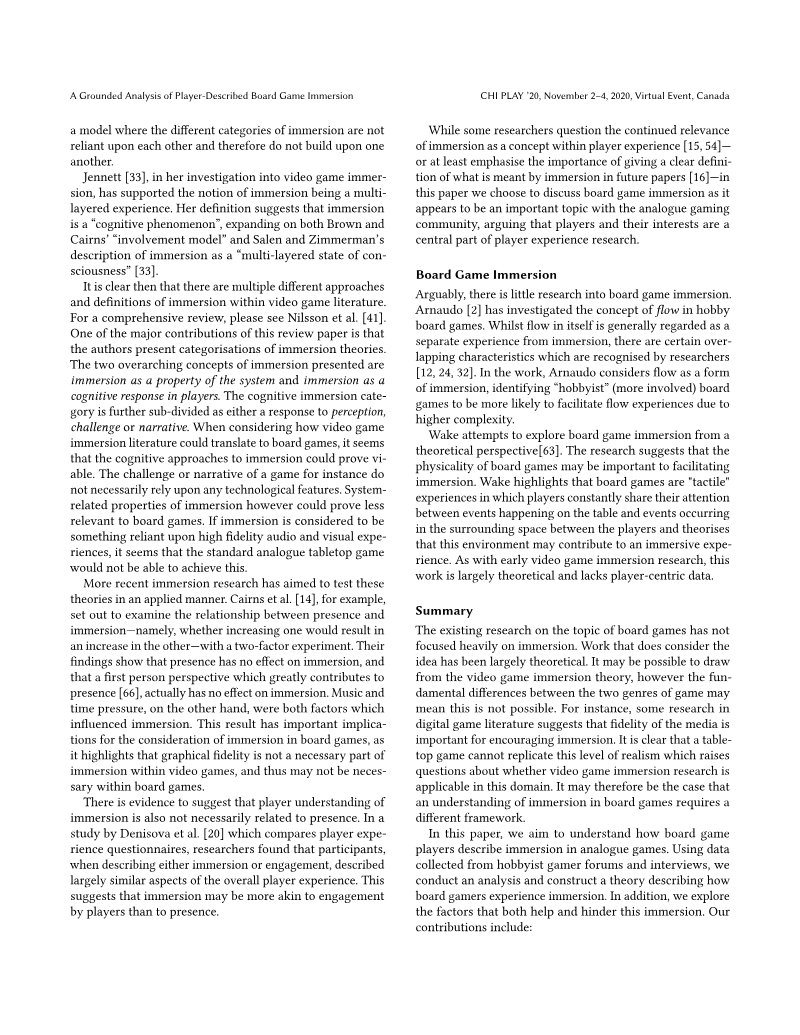
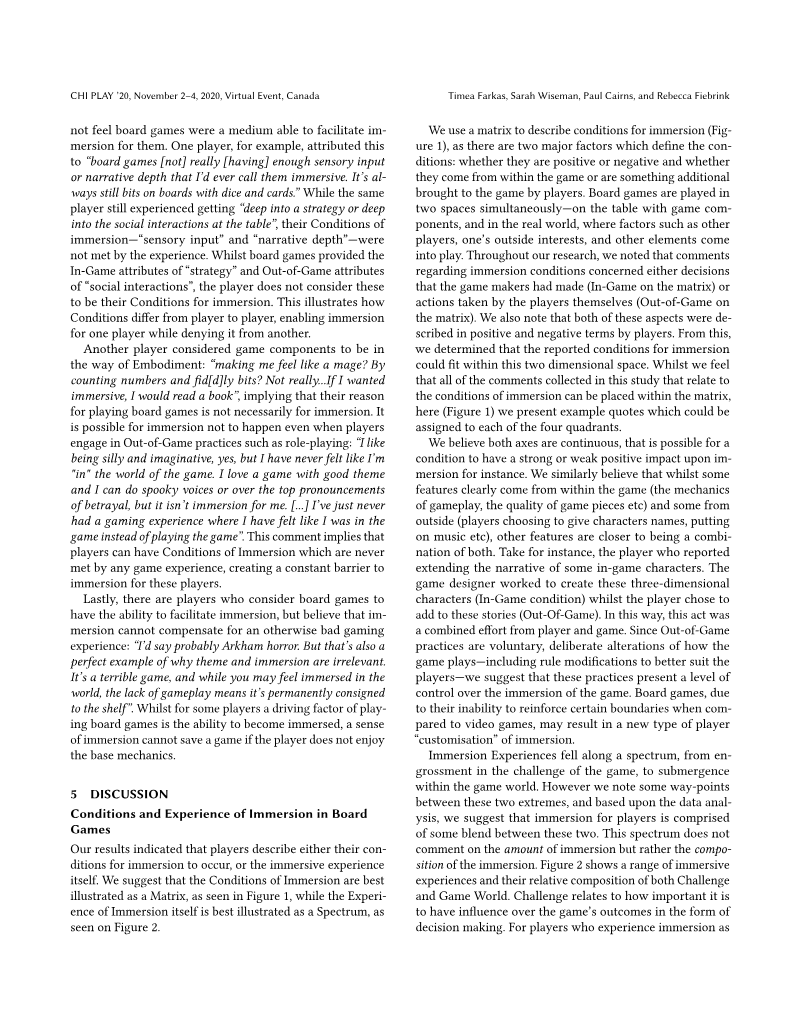
Board game immersion functions as a dynamic, collaborative phenomenon rather than a static attribute of game design or individual player psychology.
- Board game immersion is a dual-space experience, shaped by both 'In-Game' design decisions made by developers and 'Out-of-Game' factors controlled by players, such as social dynamics and physical environment.
- Players categorize their immersive experiences along a spectrum ranging from 'Engrossment' (focus on game mechanics and challenges) to 'Submergence' (feeling part of the game's fictional world), with 'Embodiment' representing a hybrid of both.
- Out-of-Game conditions, including role-playing, thematic music, and costumes, are significant drivers of immersion that can either enhance or, if ignored by a group, actively hinder the experience for others.
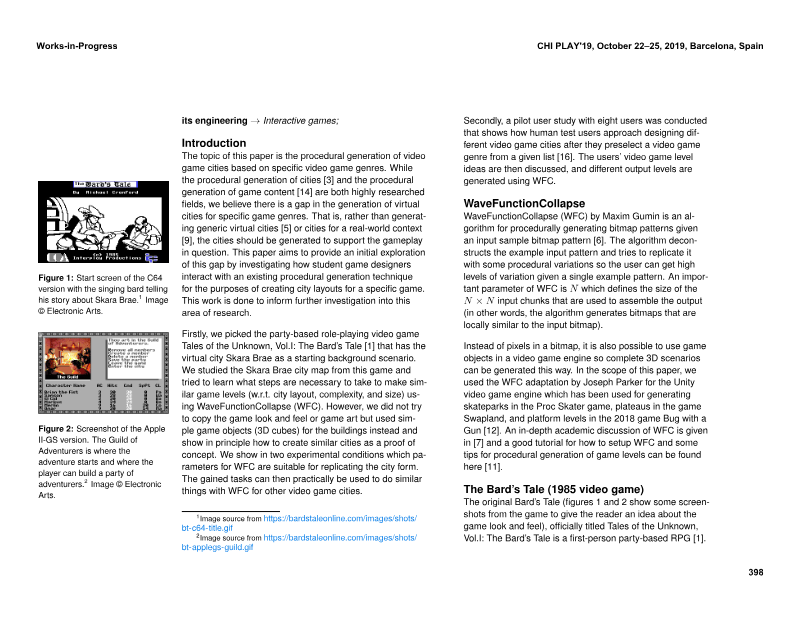
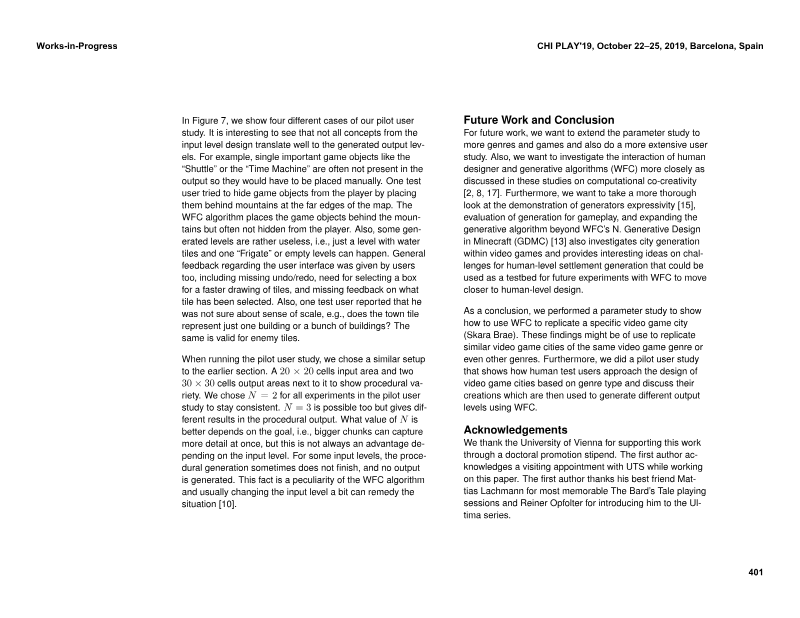
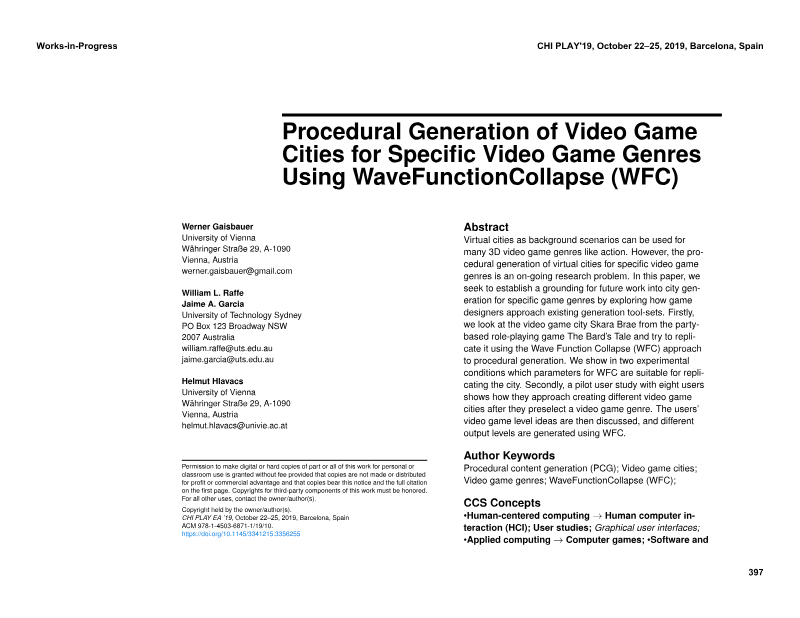
Procedural Generation of Video Game Cities for Specific Video Game Genres Using WaveFunctionCollapse
This research explores the application of the WaveFunctionCollapse (WFC) algorithm for the procedural generation of virtual cities tailored to specific video game genres.
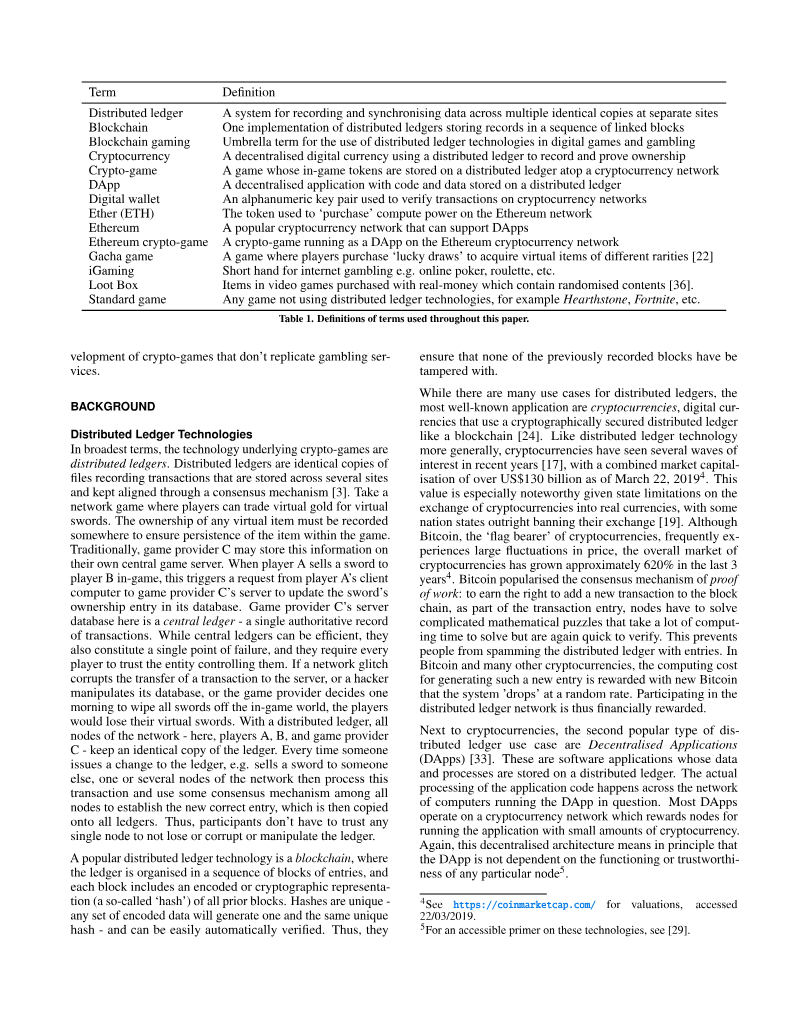

Ethereum Crypto-Games: Mechanics, Prevalence, and Gambling Similarities
Ethereum-based crypto-games represent a significant evolution in digital entertainment, functioning as decentralized applications where virtual assets are recorded on a distributed ledger and possess tangible real-world value.

One of the Baddies All Along: Moments That Challenge a Player's Perspective
Video games possess a unique capacity to prompt critical reflection by subverting player expectations and challenging established perspectives.

Augmenting Co-Located Social Play with Biofeedback: An Interactional Approach
The integration of biofeedback into co-located social gaming transforms physiological data from a clinical metric into a dynamic tool for interpersonal interaction.

A Game that Makes You Question...: Exploring the Role of Reflection for the Player Experience
Digital games serve as significant catalysts for cognitive engagement, extending the player experience well beyond the period of active play.

Evaluating the Onboarding Phase of Free-to-Play Mobile Games: A Mixed-Method Approach
High player churn during the initial onboarding phase represents a significant barrier to long-term retention and revenue generation within the free-to-play mobile gaming sector.
- The onboarding phase—defined as the period from first interaction until the completion of core game mechanics—is a critical determinant of player retention in free-to-play (F2P) mobile games due to high initial attrition rates.
- Physiological measures, specifically Galvanic Skin Response (GSR) and Heart Rate Variability (HRV) via photoplethysmogram (PPG) sensors, are effective tools for evaluating mobile game UX, providing objective data that correlates with player-reported experiences.
- Comparing designer-intended experience graphs against composite player-reported graphs reveals significant discrepancies, highlighting specific pain points such as lack of autonomy, excessive wait times, and challenging control schemes.

The Impact of Agency and Familiarity in Cooperative Multiplayer Games
Cooperative multiplayer gaming experiences are fundamentally shaped by the perceived agency of teammates and the existing social relationship between players.
Do you work at Association for Computing Machinery? Get a free report of how these documents are read and cited here.