ACM CHI PLAY
ACM SIGCHI's annual symposium on computer-human interaction in play, the main venue for player experience and games user research. Since 2021 its full papers appear in the CHI PLAY issue of Proceedings of the ACM on Human-Computer Interaction.
Documents
Understanding Adolescent Emotional Experiences During Gameplay: Insights from Participatory Design Workshops
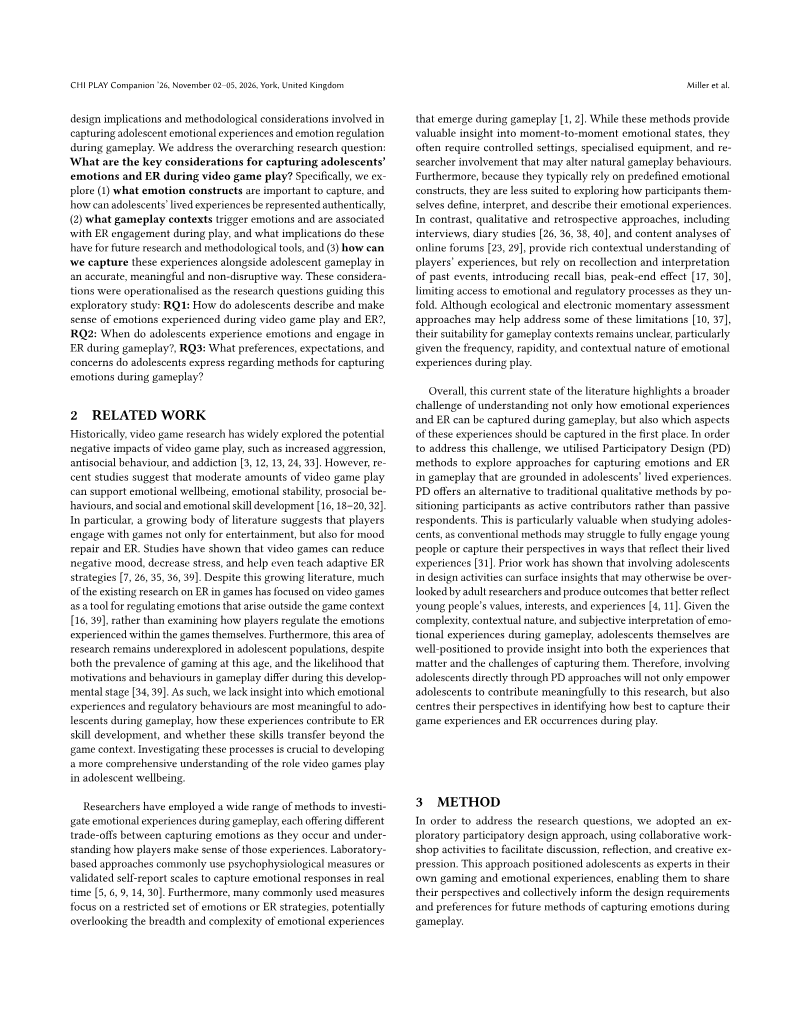
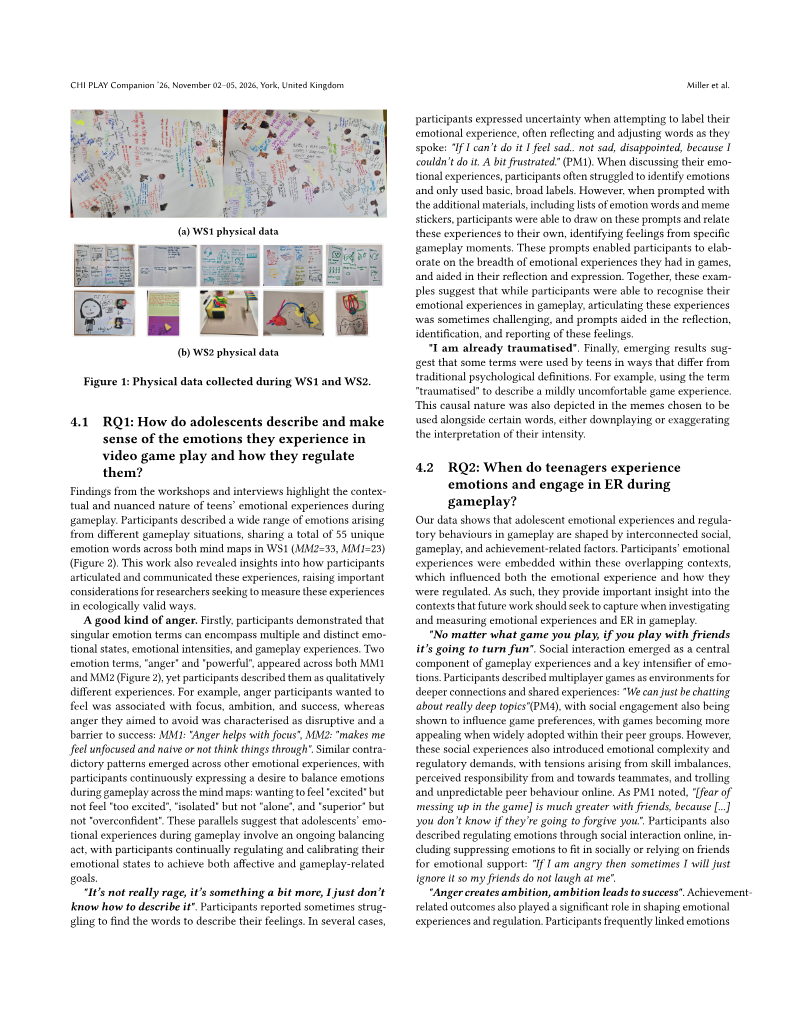
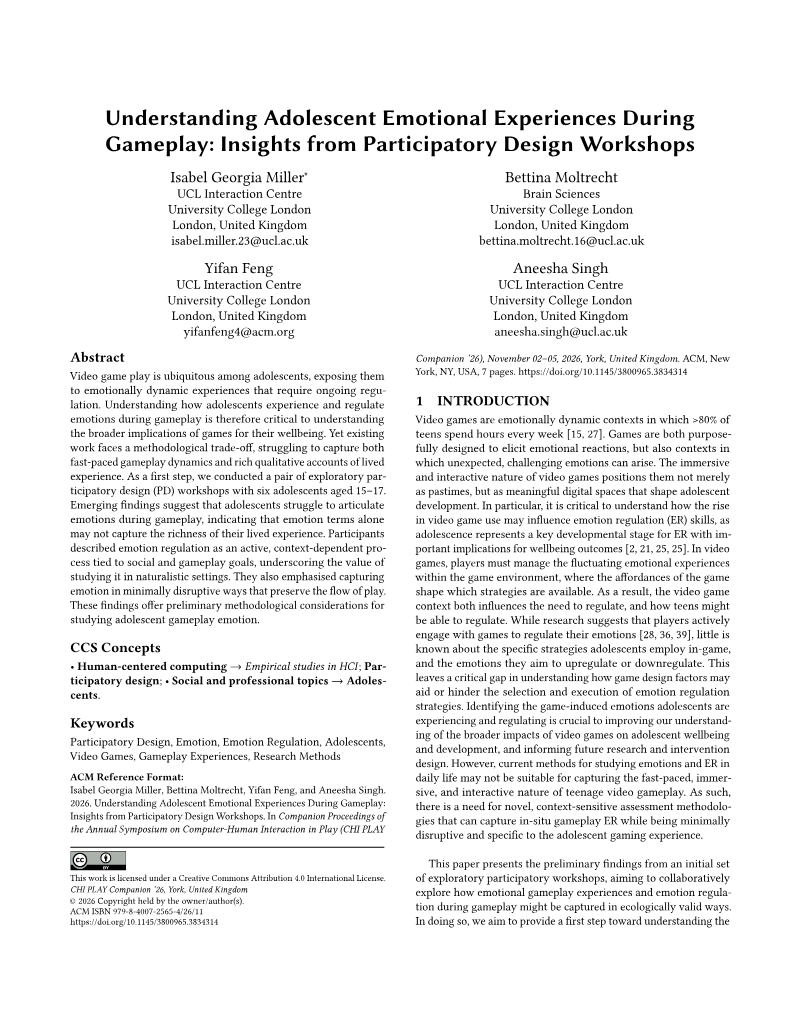
Adolescent emotional experiences during video gameplay are multifaceted, dynamic, and deeply integrated into the broader social and achievement-oriented goals of the player.
- Adolescents view gameplay as an emotionally dynamic environment where they actively perform a 'balancing act,' such as seeking excitement while avoiding overstimulation or using anger to fuel focus.
- Social gaming introduces complex emotional regulatory demands, with players often suppressing their true feelings to maintain peer standing or managing anxiety regarding their performance in front of friends.
- Traditional emotion-tracking methods are often inadequate for teens, as participants struggle to label complex feelings without visual prompts like emoji or meme stickers to help articulate their experiences.
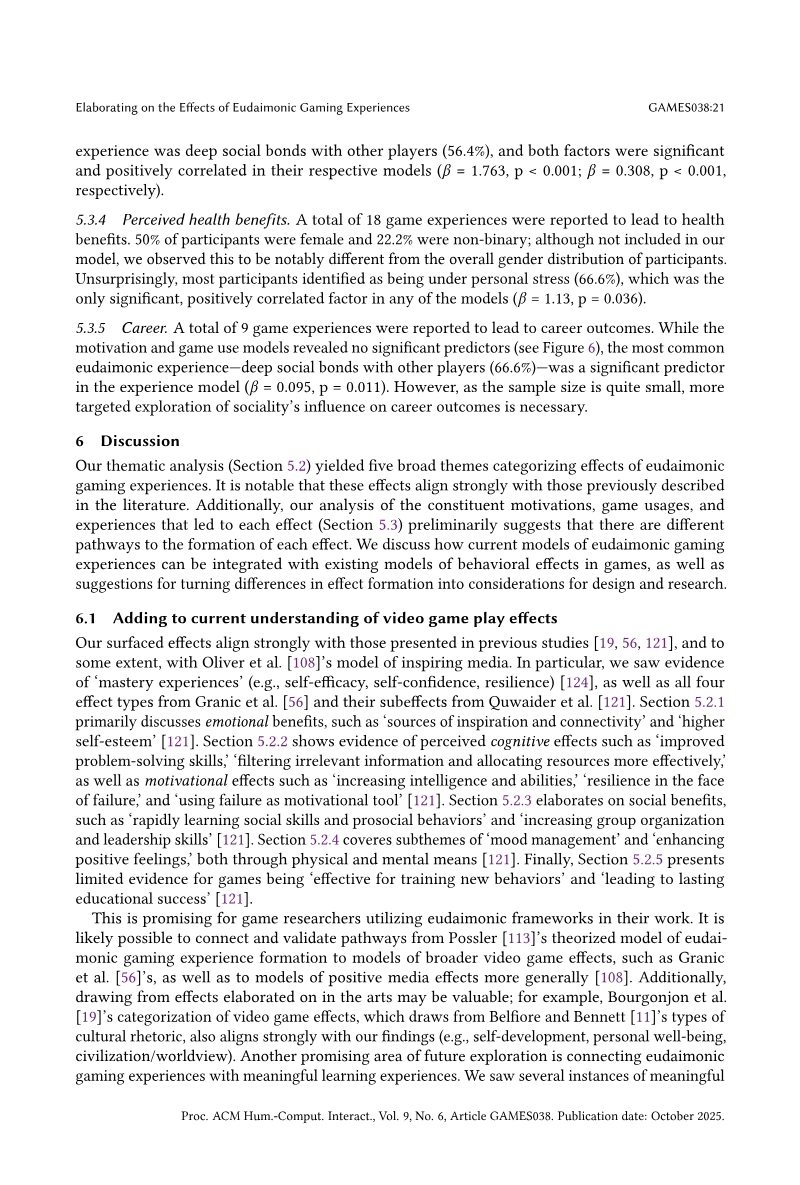
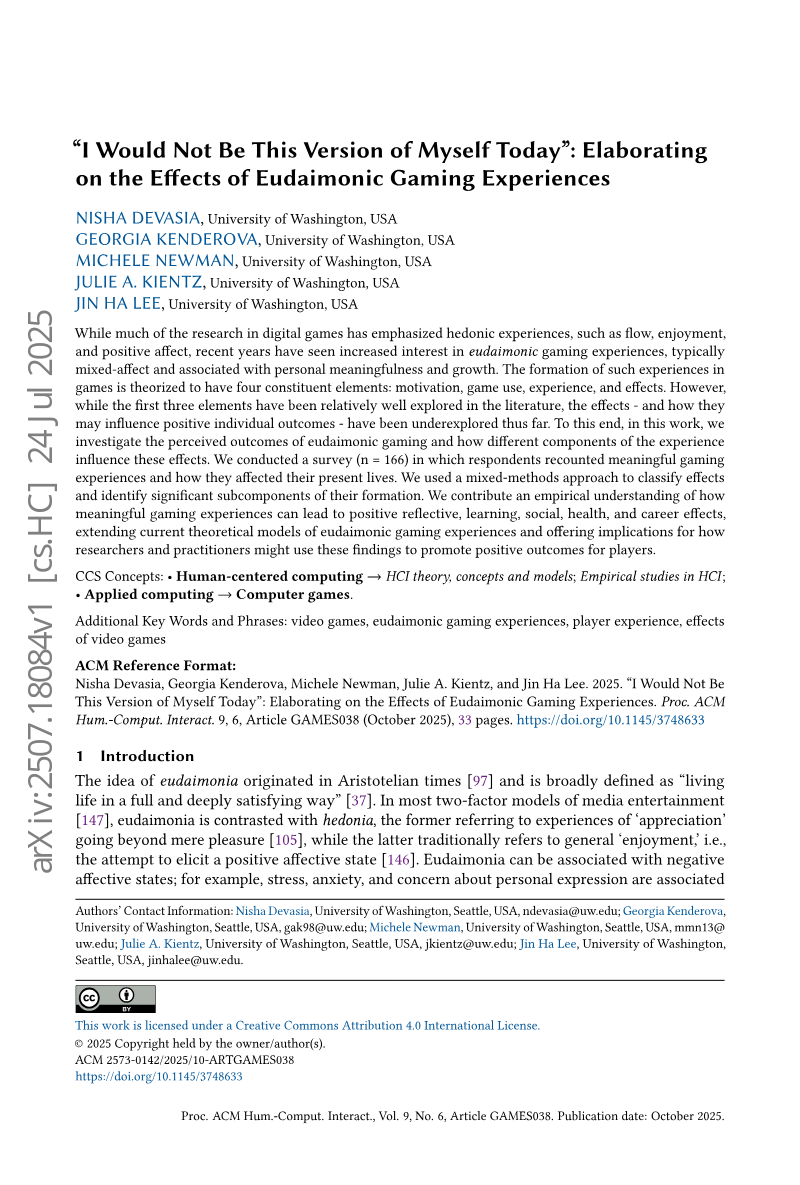
“I Would Not Be This Version of Myself Today”: Elaborating on the Effects of Eudaimonic Gaming Experiences
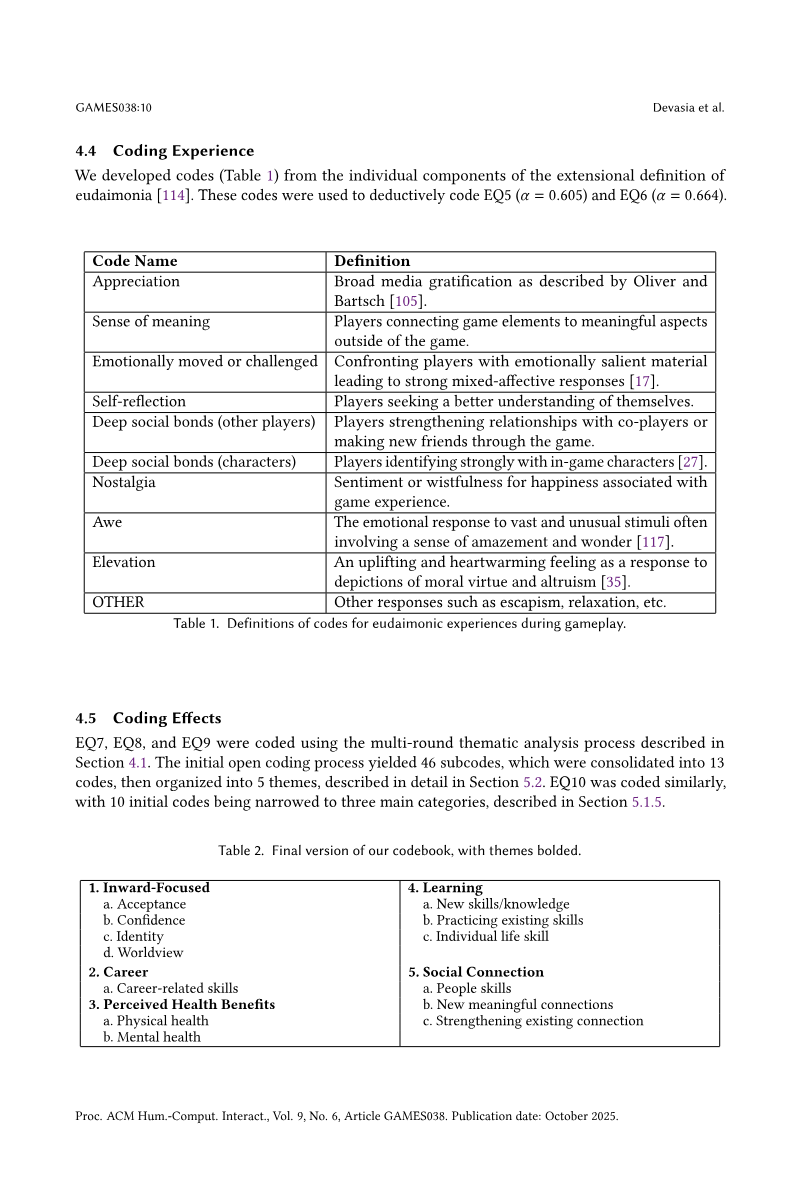
Eudaimonic gaming experiences serve as a significant catalyst for long-term personal growth, identity formation, and psychological well-being.
- Eudaimonic gaming—experiences centered on personal growth and meaningfulness rather than simple enjoyment—acts as a significant tool for self-expansive coping, helping players transition from avoidant escapism to active problem-solving during stressful life periods.
- A survey of 166 players revealed that 36.7% were undergoing significant life stressors, such as social isolation or mental health challenges, at the time of their most meaningful gaming experiences.
- Meaningful gaming experiences often lead to tangible real-world outcomes, including shifts in personal worldviews, increased self-confidence, and improved social skills, such as greater courage in interacting with strangers.
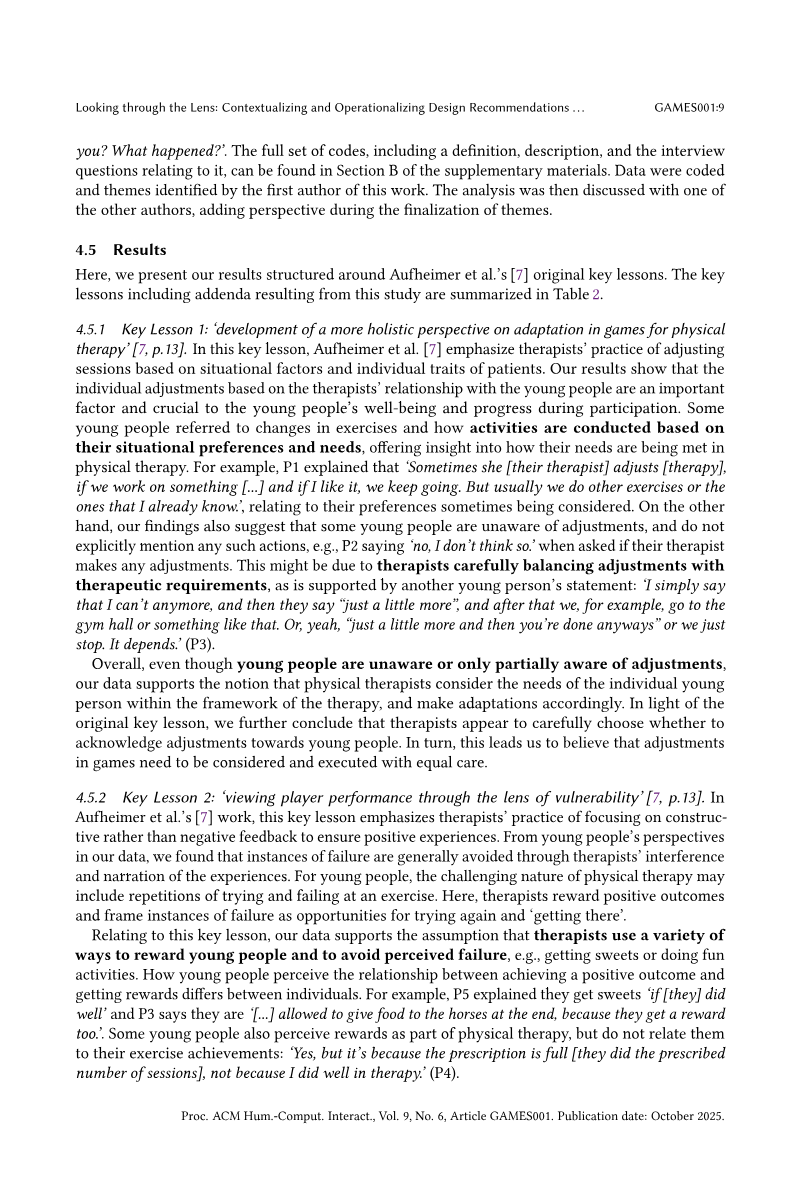
Looking through the Lens: Contextualizing and Operationalizing Design Recommendations
Bridging the divide between abstract design theory and clinical practice is essential for the effective development of rehabilitation games.
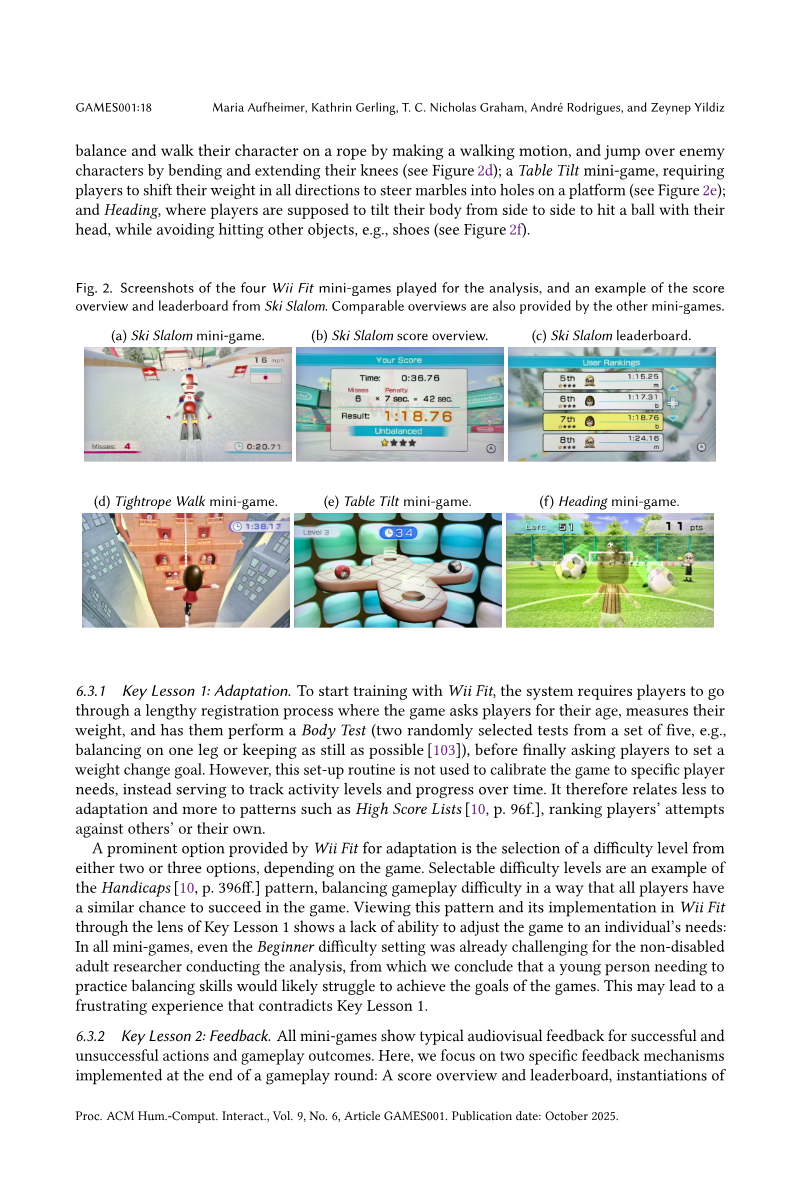
- High-level design recommendations for rehabilitation games often lack practical application; they can be made actionable by mapping them to established game design patterns, such as those defined in the 623-pattern collection by Bjork and Holopainen.
- Therapists play a critical role in physical therapy by subtly adjusting exercises and reframing failure as a learning opportunity, a nuance that game designers should replicate through careful, non-punitive feedback mechanisms.
- Games for physical therapy cannot replace human-led sessions, as the trusting relationship between young patients, parents, and therapists provides essential agency and context that software currently cannot replicate.
A Qualitative Exploration of How Children and Parents Experience and Structure Disengagement from Games
The transition out of digital gaming sessions represents a significant source of domestic friction for families with children aged four to nine.
- Disengagement from games is a source of significant emotional friction, as children often resist parental time limits to complete in-game tasks or reach checkpoints that are not supported by the game's save architecture.
- Children rarely initiate voluntary disengagement unless they experience boredom or frustration, and even then, they often pivot to a different game rather than ending their overall screen time.
- Parents frequently use games as 'pacifiers' to manage children's behavior or gain personal time, creating a paradoxical tension where they rely on the technology while simultaneously feeling anxiety about the duration of play.

Playing Through Tough Times: Exploring the Relationship between Game Aspects and Coping Strategies
Video games serve as a multifaceted tool for individuals navigating personal adversity, functioning as a primary mechanism for emotional regulation, stress recovery, and meaning-making.
- Video games serve as a functional tool for emotional regulation and coping, with players utilizing game challenges to build psychological resources and a sense of competence during difficult life events.
- Players frequently employ 'avoidance coping' as a form of healthy escapism, using games to disconnect from reality and gain necessary respite from stress without necessarily developing problematic gaming behaviors.
- Game elements such as progression, goals, and challenging tasks are highly valued by players because they provide a sense of control and achievement that may be lacking in their real-life circumstances.
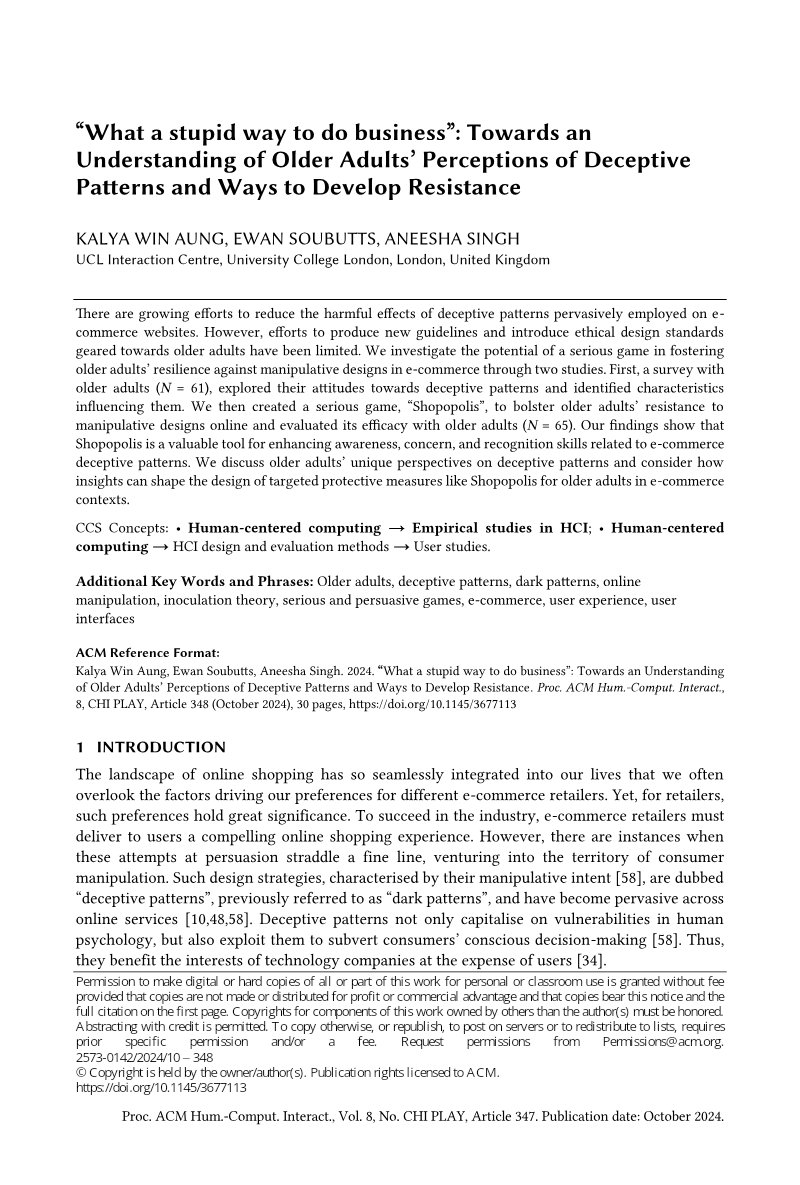
What a Stupid Way to Do Business: Older Adults' Perceptions of Deceptive Patterns
Older adults face significant challenges when navigating e-commerce environments, where deceptive design patterns—often termed dark patterns—frequently exploit their decision-making processes.
- A serious game called 'Shopopolis' significantly improved older adults' ability to recognize e-commerce deceptive patterns, with the inoculation group showing a statistically significant increase in detection scores (pre-intervention M=3.78, post-intervention M=5.42) compared to a control group.
- Older adults are not universally susceptible to all deceptive patterns; their vulnerability is highly contingent on the specific technique, such as 'Sneaking' or 'Misdirection', and their personal cognitive biases.
- Survey data from 61 older adults revealed that 91% encounter deceptive patterns on shopping websites either 'often' (66%) or 'sometimes' (25%), indicating high exposure to manipulative interface designs.
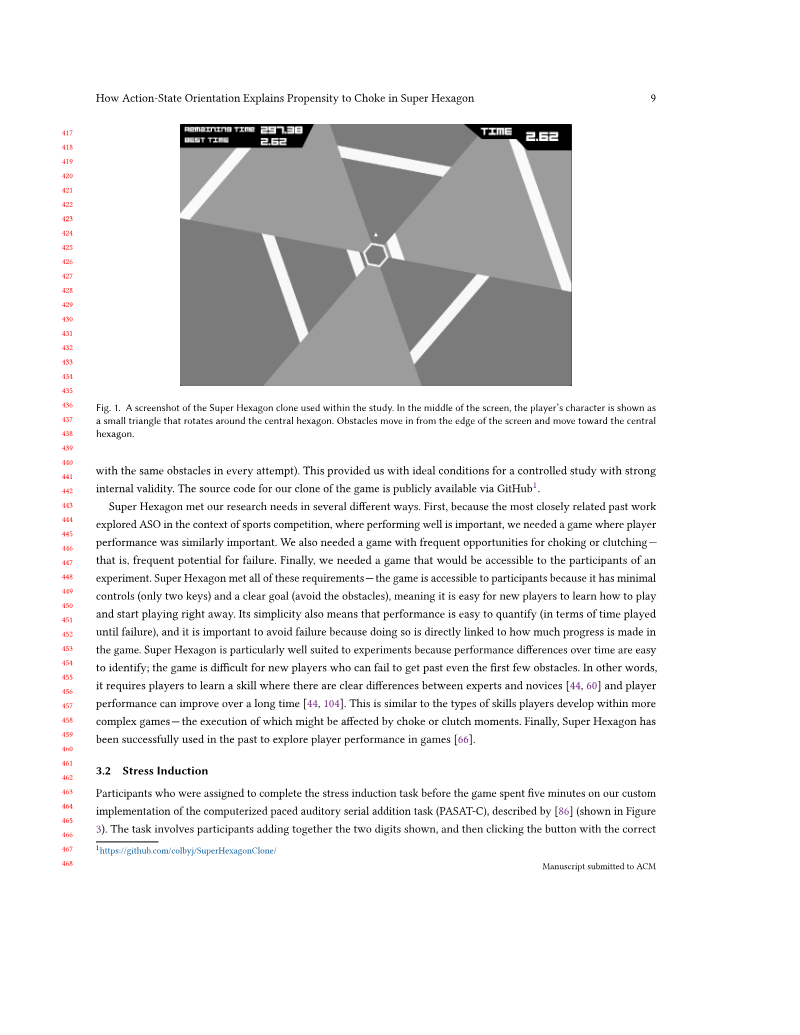

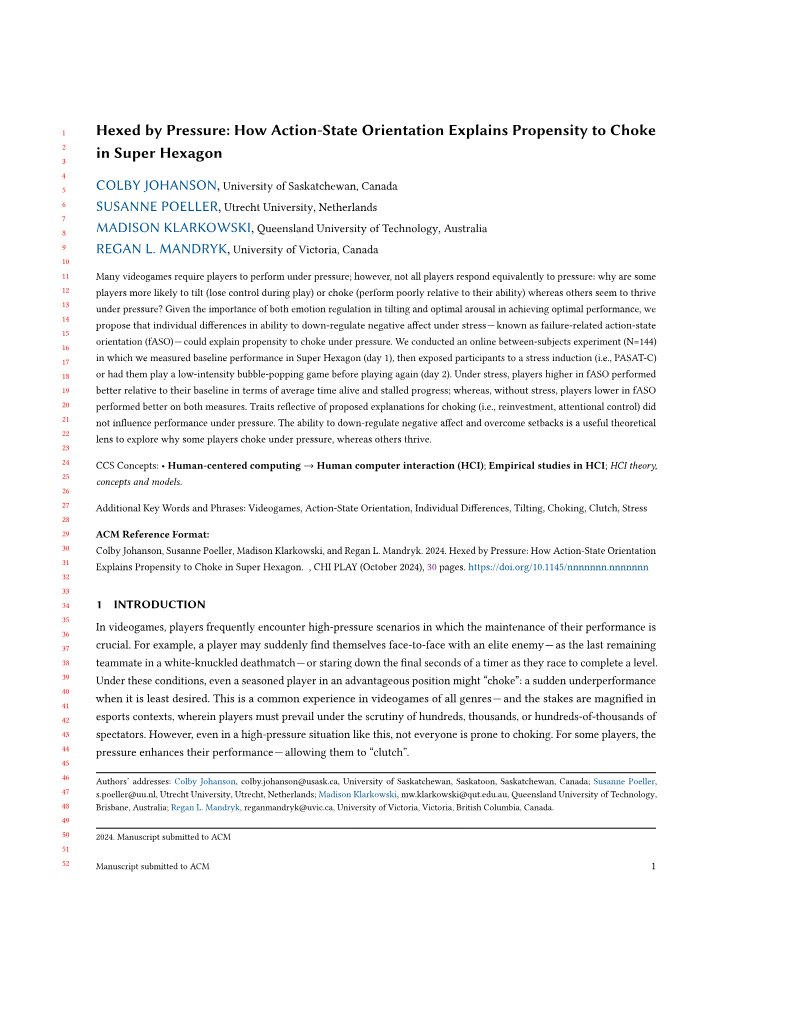
Hexed by Pressure: How Action-State Orientation Explains Propensity to Choke in Super Hexagon
Individual differences in self-regulation, specifically failure-related action-state orientation (fASO), serve as a primary determinant for a player’s propensity to choke under pressure in high-demand gaming environments.
- Failure-related action-state orientation (fASO)—the ability to down-regulate negative affect under stress—is a primary predictor of whether a player will 'choke' or perform well under pressure.
- In an experiment with 144 participants, players with high fASO scores performed better than their baseline when subjected to stress, while players with low fASO scores performed better in low-stress conditions.
- Commonly cited factors for performance failure in games, such as reinvestment (overthinking mechanics) and attentional control, showed no significant influence on performance under pressure in the study.
Advancing Mixed Reality Game Development: An Evaluation of a Visual Game Analytics Tool in Action-Adventure and FPS Genres
Mixed Reality (MR) game development presents unique challenges in tracking player behavior and spatial interaction, necessitating specialized analytical frameworks.
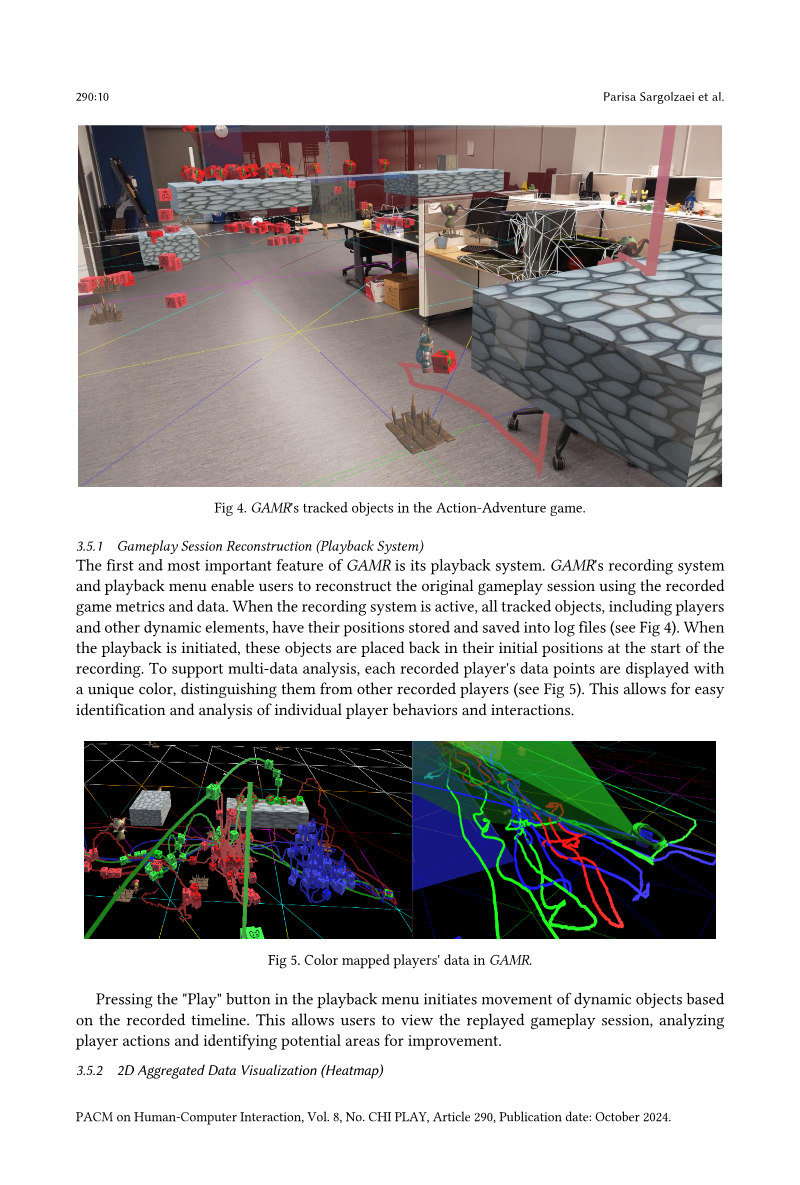
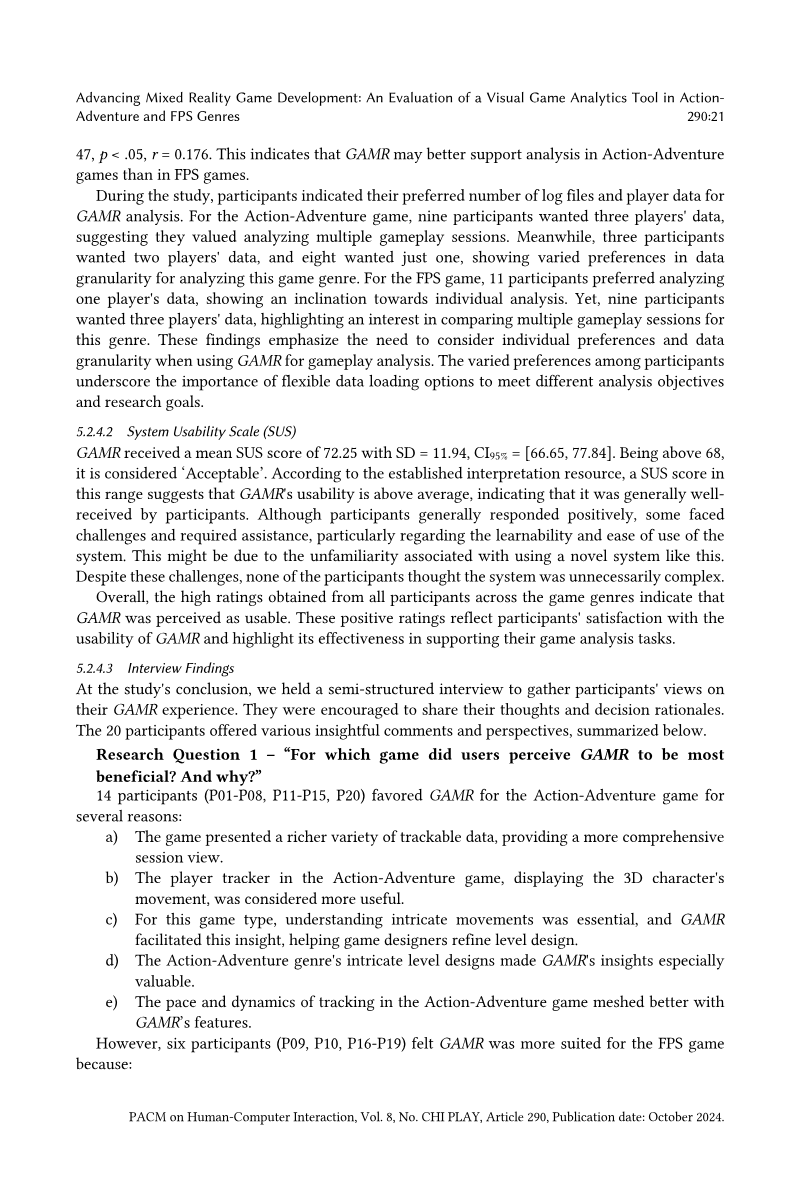
- GAMR (Game Analytics - Mixed Reality) is a specialized tool designed to address MR-specific development challenges by providing reconstructed gameplay sessions, heatmaps, and tracking for hands, camera, input, and audio.
- Experimental evaluations with game development students demonstrated that GAMR significantly improves the ability to identify and resolve gameplay anomalies, with particularly strong performance in action-adventure genres.
- The tool's playback system allows developers to visualize player movement trajectories and toggle specific game objects, providing actionable insights into level design efficiency and player strategy.
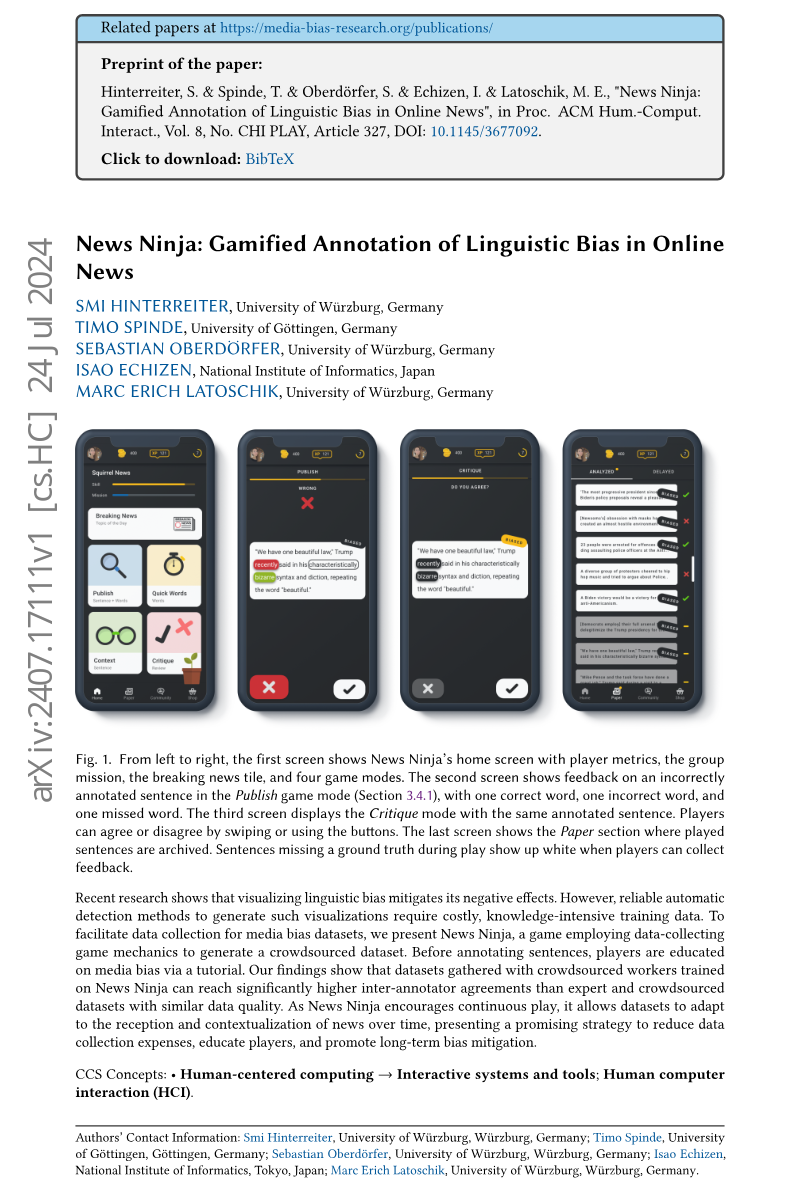
News Ninja: Gamified Annotation of Linguistic Bias in Online News
News Ninja functions as a Game with a Purpose (GWAP) designed to address the dual challenge of identifying linguistic bias in online news media while crowdsourcing high-quality annotation data for natural language processing.
- News Ninja is a gamified web-based application designed to crowdsource the annotation of linguistic bias in online news, addressing the high costs associated with expert-only data labeling.
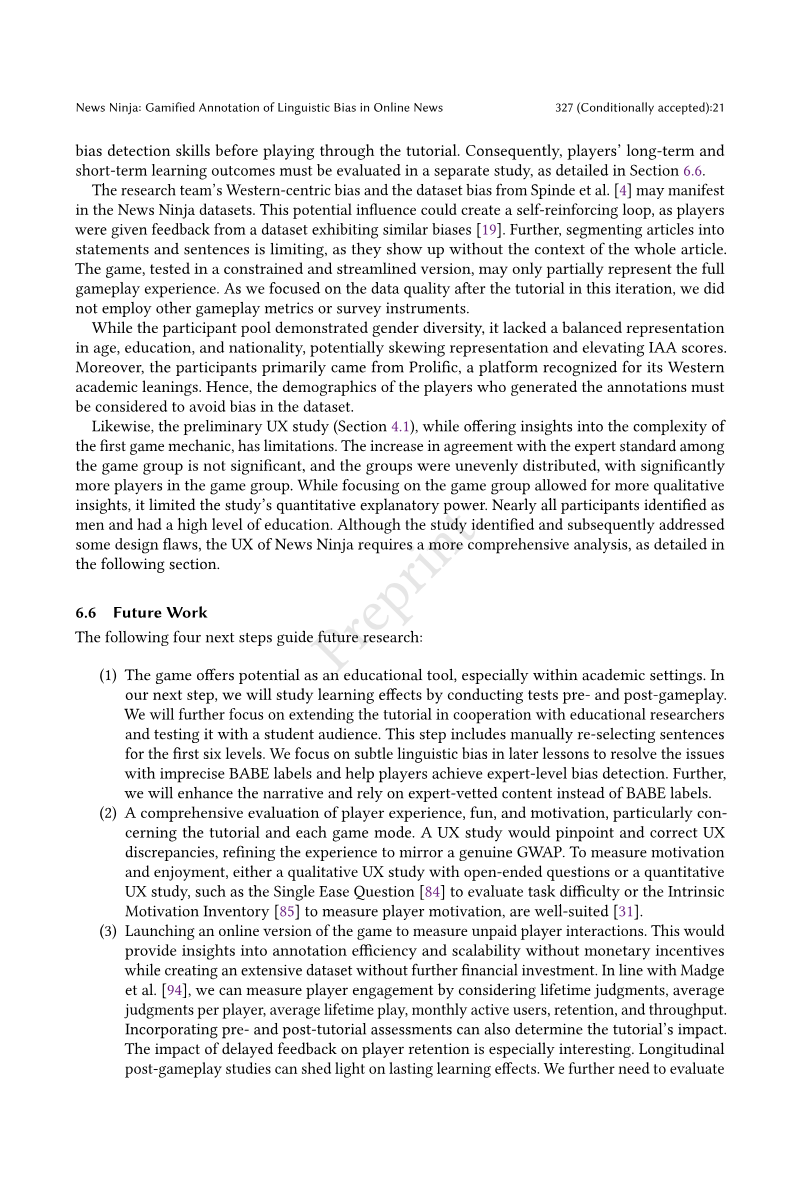
- In a validation study using 370 sentences from the BABE dataset, the game achieved a 78.11% agreement rate with expert labels, demonstrating the viability of using non-experts for complex linguistic tasks.
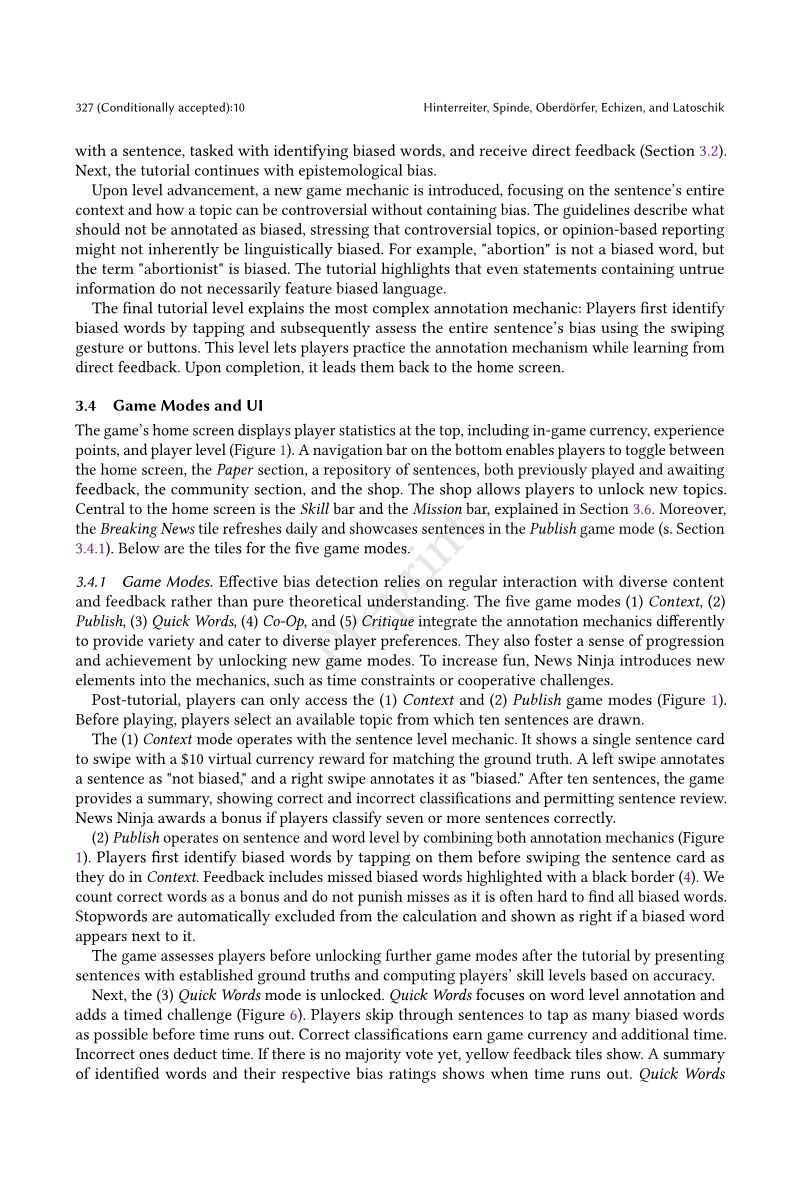
- The game utilizes five distinct modes—Context, Publish, Quick Words, Co-Op, and Critique—to maintain engagement and provide a structured progression for players to learn bias detection without explicit scientific terminology.
From Imagination to Innovation: Using Participatory Design Fiction to Envision the Future of Accessible Gaming Wearables
The gaming industry frequently overlooks the needs of players with upper limb motor disabilities, often prioritizing medical rehabilitation over entertainment and personal agency.
- Gamers with upper limb motor disabilities prioritize flexibility and independence in wearable design, specifically seeking devices that allow them to use larger muscle groups rather than relying on fine motor skills for joysticks and keys.
- Participants identified significant barriers to current wearable adoption, including high costs, limited game compatibility, and a concern that devices are often marketed exclusively for exergames rather than general gaming.
- The study utilized 'participatory design fiction' to create a diegetic prototype—a fictional YouTube-style tech review video—to help researchers and users envision and critique future accessible gaming wearable concepts.
Juicy Audio: Audio Designers' Conceptualization of the Term in Video Games
The concept of juicy audio serves as a vital, albeit subjective, design framework for enhancing player feedback and immersion within video games.
- Juicy audio is defined by industry professionals as a deliberate design choice used to emphasize significant game events, provide meaningful player feedback, and enhance the visceral, emotional impact of the gaming experience.
- The core conceptual foundation of juicy audio rests on three pillars: emphasis and augmentation, cohesion and coherence, and synesthesia.
- Designers emphasize that 'juiciness' must be used sparingly; overusing these effects diminishes their impact, making it essential to reserve them for high-stakes or rewarding moments rather than constant application.
How Boardgame Players Imagine Interacting With Technology
The integration of technology into tabletop gaming is evolving beyond simple mobile application companions toward deeply embedded, invisible systems that prioritize thematic immersion.
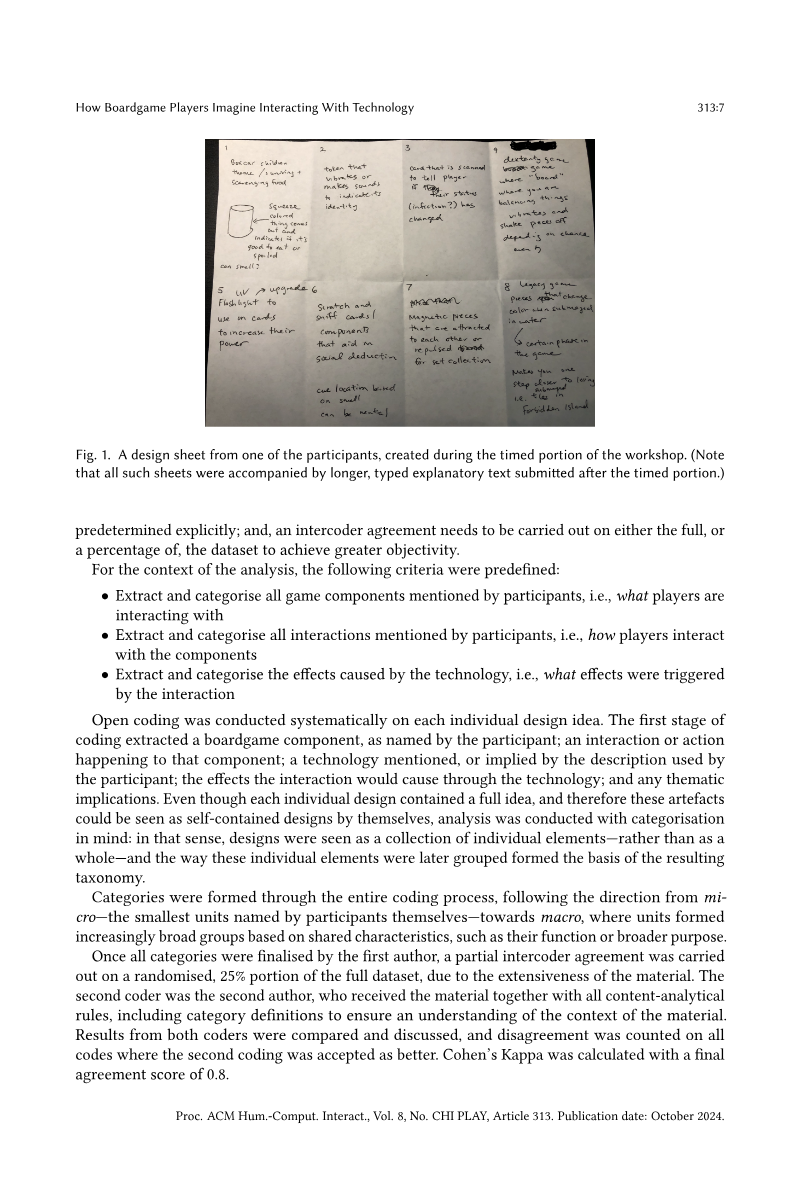
- Hobbyist boardgame players envision a shift away from screen-reliant mobile apps toward integrated technology, such as sensors and actuators, that preserves the tactile nature of traditional components.
- A taxonomy of 31 participants' ideas identified game pieces (96 mentions) and play areas (75 mentions) as the most common components envisioned for technological integration, followed by cards (46) and dice (26).
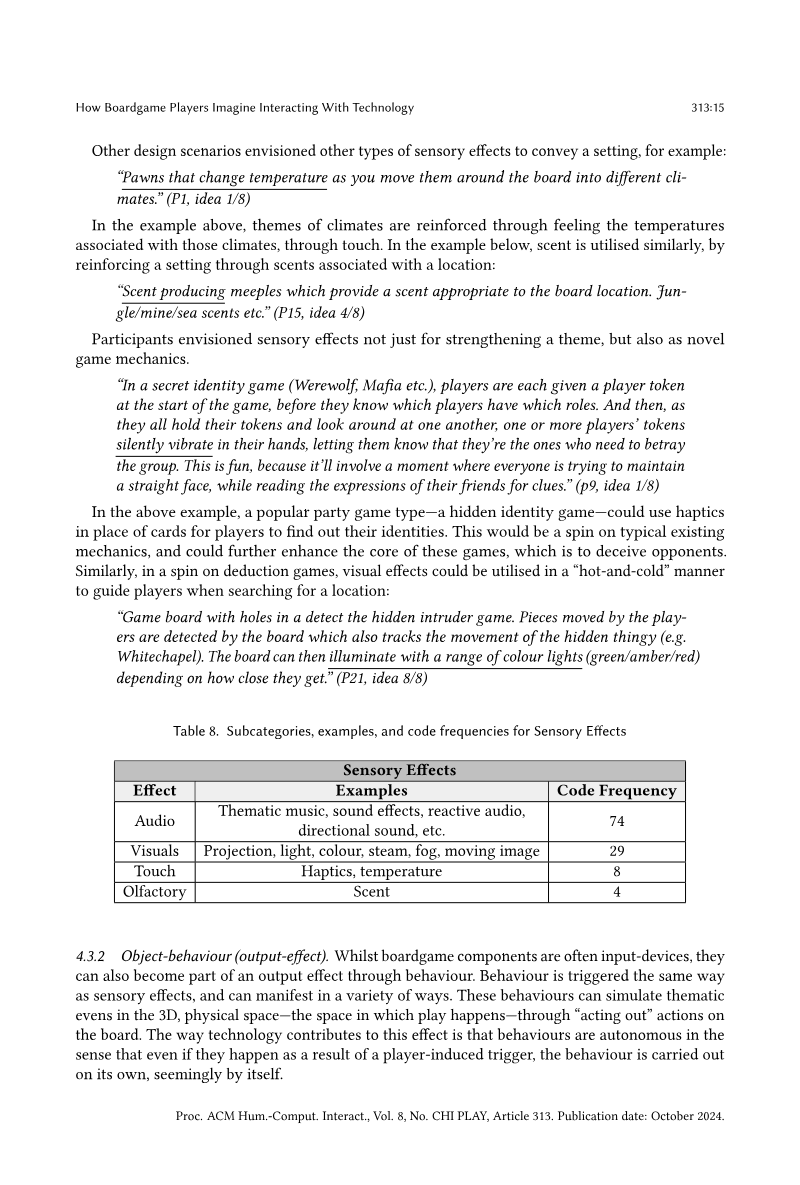
- Players prioritize 'thematicness'—the degree to which a game world feels realized—suggesting that technology should be used to provide sensory feedback like audio (74 mentions) and visual effects (29 mentions) rather than just automating housekeeping tasks.
Do you work at ACM CHI PLAY? Get a free report of how these documents are read and cited here.