1 free read left. Create a free account for unlimited reading + AI research.
Create free accountWhitepaperACM CHI PLAY
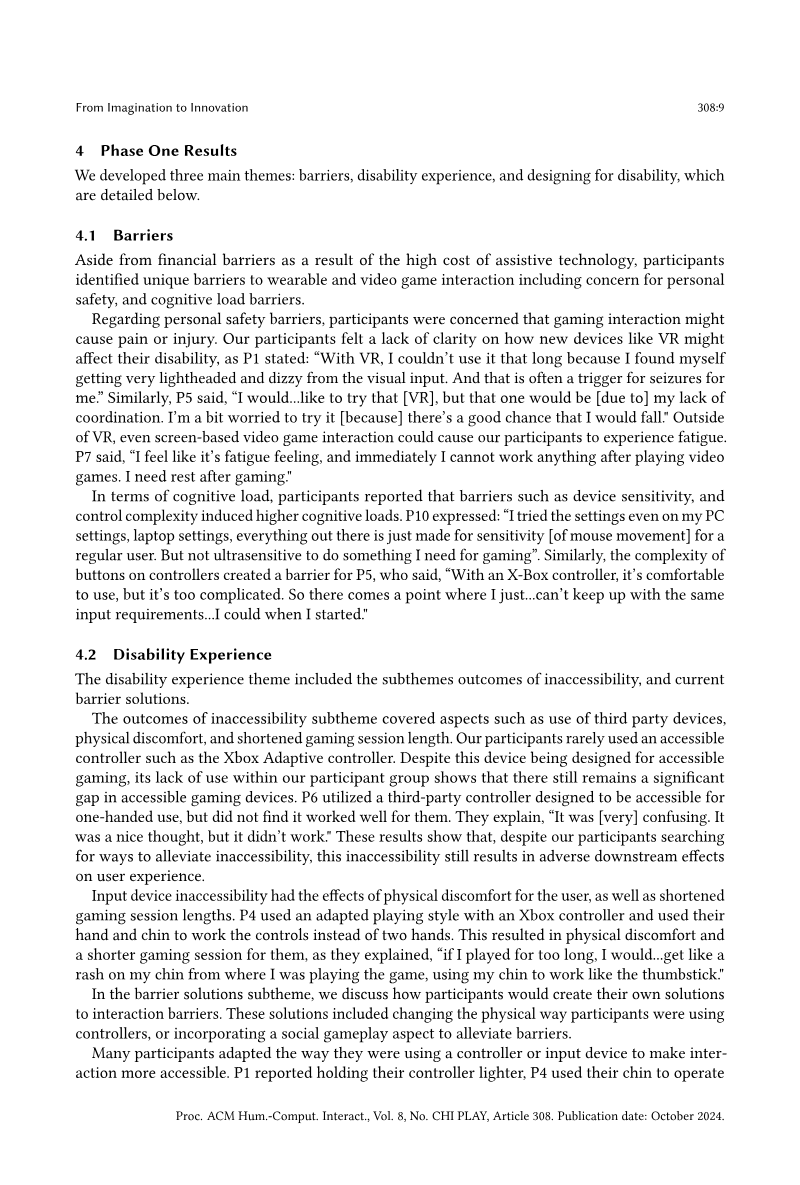
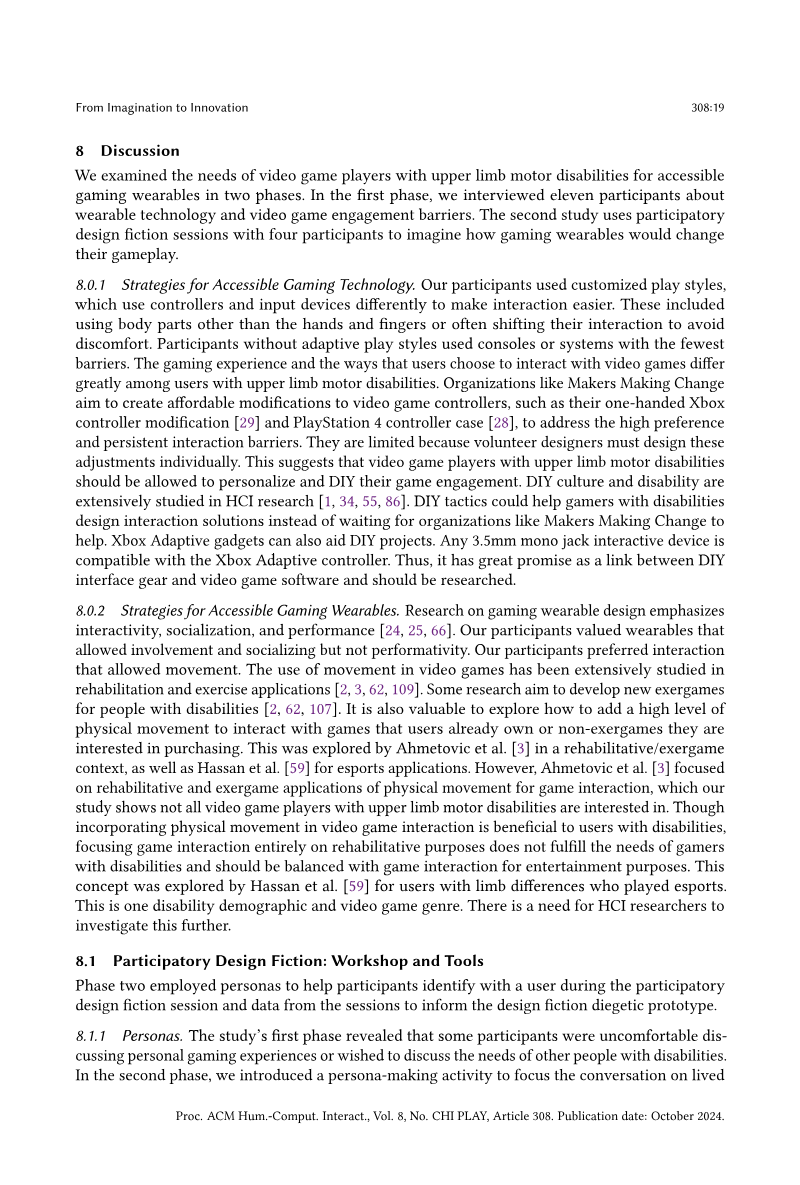
The gaming industry frequently overlooks the needs of players with upper limb motor disabilities, often prioritizing medical rehabilitation over entertainment and personal agency. By utilizing participatory design fiction and narrative inquiry, researchers have established a framework for developing inclusive, non-rehabilitative wearable technology. This approach shifts the focus from traditional medicalized hardware to modular, flexible devices that prioritize user comfort, immersion, and independence. By engaging directly with disabled gamers, the research identifies a clear preference for systems that leverage gross motor movements and haptic feedback to mitigate physical fatigue and the limitations of existing input devices.
The findings reveal that while modular wearables offer significant potential for reducing physical strain, they also introduce complex challenges, including cognitive load, setup difficulties, and integration concerns. Through the creation of a diegetic prototype—a simulated tech review video—the study demonstrates how narrative-driven design can effectively communicate the nuanced requirements of disabled users. This methodology, which employs dialogic and performance analysis, proves superior to traditional thematic analysis in preserving the context of lived experiences. It highlights that accessibility must be integrated at the inception of technology development rather than treated as an afterthought.
Ultimately, the research advocates for a transition toward personalized, DIY-friendly gaming solutions that empower users rather than merely assisting them. While the current scope is limited by participant diversity, the study provides a robust methodological foundation for future human-computer interaction research. By bridging the gap between speculative design and practical user needs, this work establishes a roadmap for creating gaming wearables that foster genuine inclusion, ensuring that the future of interactive entertainment is accessible to a broader spectrum of players.
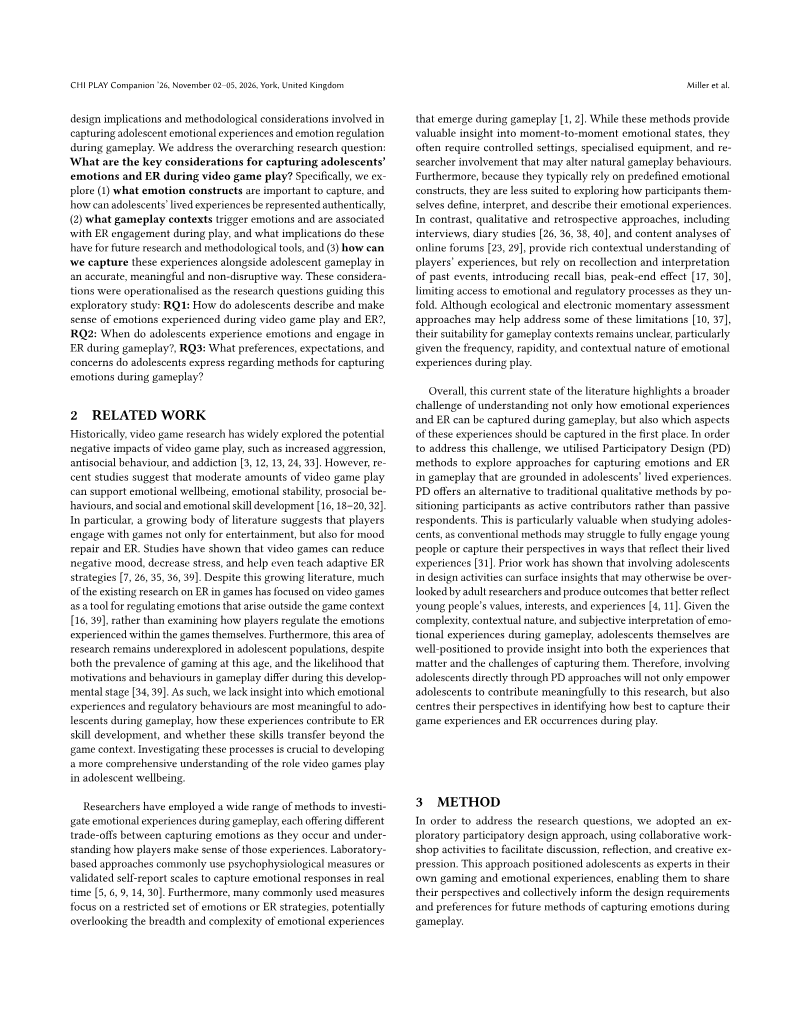
University College London · 2026
ACM CHI PLAY · 2025
ACM CHI PLAY · 2025
ACM CHI PLAY · 2025
ACM CHI PLAY · 2024
ACM CHI PLAY · 2024
ACM CHI PLAY · 2024
ACM CHI PLAY · 2024
ACM CHI PLAY · 2024
ACM CHI PLAY · 2024
ACM CHI PLAY · 2024
ACM CHI PLAY · 2024
DiGRA · 2022











Comments