Market Analysis reports and market data
Documents

S07, E27: Applying AI to human intimacy (with Offer Yehudai)
The integration of artificial intelligence into the wellness sector is transforming relationship coaching by prioritizing emotional depth and long-term behavioral change over simple automated responses.
- Successful AI-driven consumer products in sensitive domains like intimacy require a hybrid model that combines automated coaching with human oversight to maintain user trust and provide nuanced guidance.
- Building sustainable consumer apps requires moving beyond content-only subscriptions toward integrating commerce and physical products, as users increasingly demand tangible solutions to their problems rather than just digital information.
- Long-term retention in the intimacy and wellness space is driven by acting as an 'accountability partner' that helps couples break routines and manage the mental load through personalized, actionable recommendations.
Too many 'compulsion loops' in PC games?
Vertical video has emerged as a critical driver for game discovery, fundamentally altering how developers approach marketing and audience acquisition.
- Influencers are currently the primary source of traffic for Steam games, particularly for strategy, tactics, and roguelike titles, making them essential partners for developers.
- Vertical video has surpassed horizontal video in internet consumption, necessitating that developers consider how their game visuals appear when cropped for platforms like TikTok and Instagram.
- Technical performance on mid-level PC hardware is critical for launch success, as evidenced by the negative reception of the Marvel Tokon: Fighting Souls open beta due to poor optimization.
Google's Tobias Knoke: The Era of Growth at All Costs is Over
The mobile gaming and application industry has reached a growth plateau, signaling the end of the era defined by growth at all costs.
- The mobile gaming and app industry has reached a growth plateau, signaling the end of the 'growth at all costs' era and a shift toward predictive lifetime value (LTV) and long-term user retention.
- With approximately 700,000 new apps and games entering the Google Play Store monthly, developers must prioritize unique value propositions and high-quality user experiences to avoid being ignored by users.
- While AI is a powerful tool for rapid prototyping and eliminating repetitive development tasks, user research indicates that players across all generations demand authentic, human-designed experiences that AI cannot replicate.
The $12B+ Mobile Ad Market: Sensor Tower's First-Ever Deep Dive
The mobile advertising market is projected to reach a valuation of at least $12 billion by 2025 across 19 key global territories.
- The global mobile advertising market is projected to reach at least $12 billion by 2025 across 19 key territories.
- Market consolidation is high, with AppLovin and Google collectively controlling approximately 65% of the total market share.
- Gaming accounts for 72% of ad demand, while non-gaming sectors—led by e-commerce giants like Temu and Shein—now capture 28% of total revenue.
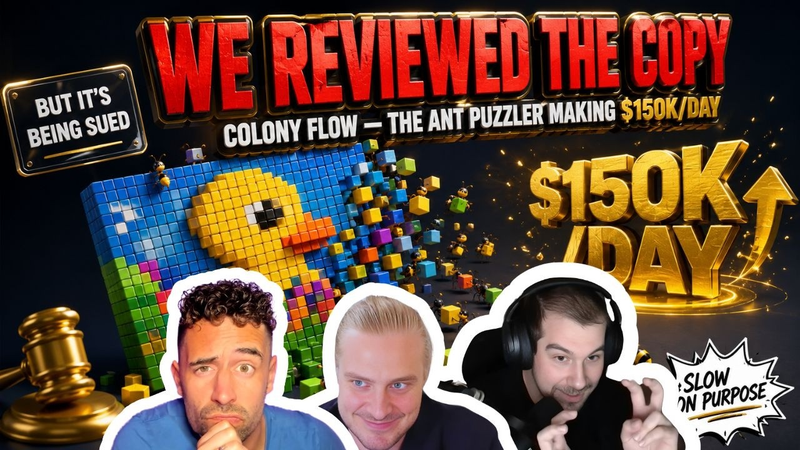
🐜 Colony Flow Breakdown: The Ant Puzzler getting sued & already taken DOWN from Android!
Colony Flow, a mobile puzzle game developed by ABI Games, represents a significant case study in the high-stakes, high-volume landscape of the casual gaming market.
- ABI Games' title Colony Flow was removed from the Android marketplace following a lawsuit from Famfinity, which alleges the game is a direct clone of its title, Food Hunt Pixel Puzzle.
- Colony Flow achieved rapid scale after its June launch, reaching 150,000 daily installs within two months.
- The game generated approximately $150,000 in daily in-app purchase revenue, supplemented by additional income from advertisements.

🚨📢 BREAKING NEWS: Google's Antitrust Blow, AppLovin's Hidden Strength & Smash Fest's Copycat Army
The mobile gaming industry is currently navigating a period of significant regulatory and competitive shifts, characterized by the ongoing erosion of the 30% app store commission model and the rapid proliferation of copycat development strategies.
- The European Commission has fined Google €890 million for Digital Markets Act violations, mandating that developers be allowed to promote alternative payment methods outside the Google Play Store.
- Google faces a 60-day compliance window to reform its payment policies, with potential ongoing penalties reaching up to 5% of its total worldwide turnover.
- AppLovin maintains a structural advantage in mobile app discovery and monetization through its AppLovin Max mediation platform, despite recent stock volatility and market pressure.
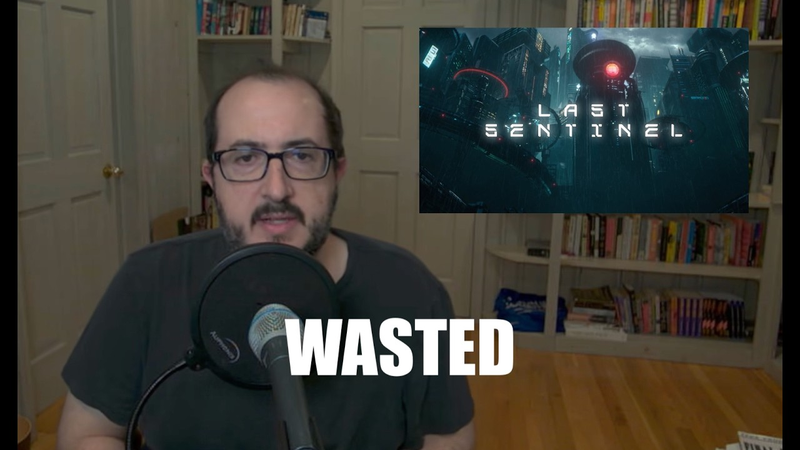
How One Game Studio Wasted Six Years Trying To Beat Grand Theft Auto
The collapse of Lightspeed LA’s ambitious project, Last Sentinel, serves as a cautionary tale regarding the challenges of replicating the success of established industry giants.
- Lightspeed LA, founded in 2020 by former Rockstar San Diego head Steve Martin and backed by Tencent, failed to deliver its open-world cyberpunk game 'Last Sentinel' after six years of development.
- The project was cancelled and 80 staff members were laid off following a failed 2026 playtest that resulted in an unmet ultimatum from Tencent.
- The studio struggled to bridge the production gap between its team of a few hundred employees and the 2,000-person workforce typically required to build high-fidelity, open-world titles like Grand Theft Auto.
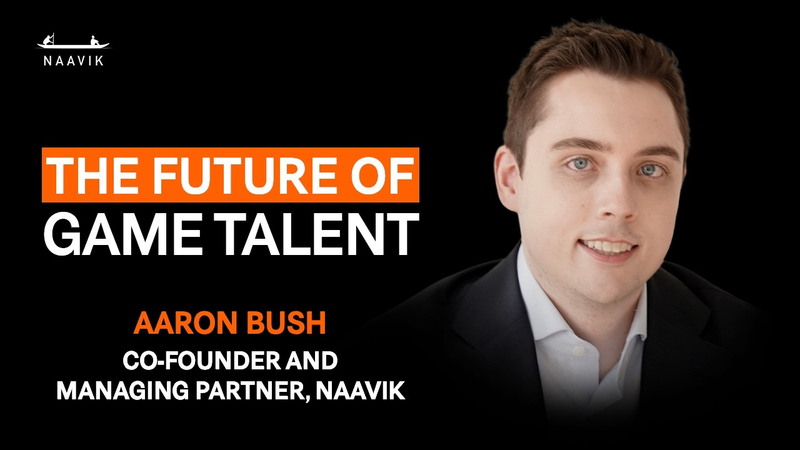
Fractional Talent’s Growing Role in Game Development
The game development industry is undergoing a structural shift toward leaner, more agile operations by increasingly integrating fractional talent into core development cycles.
- Fractional talent serves as a strategic middle ground between full-time hiring and traditional consulting, allowing studios to access senior expertise for specific, flexible engagements without the overhead of permanent headcount.
- The model is increasingly used by studios to maintain leaner, more efficient core teams, helping mitigate the high per-employee costs and management complexity often associated with scaling large AAA development teams in the West.
- To prevent knowledge loss when fractional experts depart, studios must prioritize rigorous documentation and process-oriented handoffs, ensuring that the expert's decision-making logic remains accessible to the permanent team.

TWIG #394: Playtika's Solitaire Meltdown, the AppLovin-AdMob Duopoly and Why Nobody Wants New Games
The mobile gaming industry is currently navigating a period of significant contraction and structural instability, characterized by a shift in consumer preference toward established titles over new releases.
- AppLovin and Google’s AdMob now control 65% of global gaming ad revenue, creating a market duopoly that contributes to rising user acquisition costs and CPI inflation.
- Global mobile game downloads have declined by 12% as consumer preference shifts away from new releases toward established, high-retention titles.
- Playtika’s portfolio is experiencing a 35% year-over-year revenue decline, exacerbated by internal cannibalization from the launch of Disney Solitaire and ongoing legal challenges.
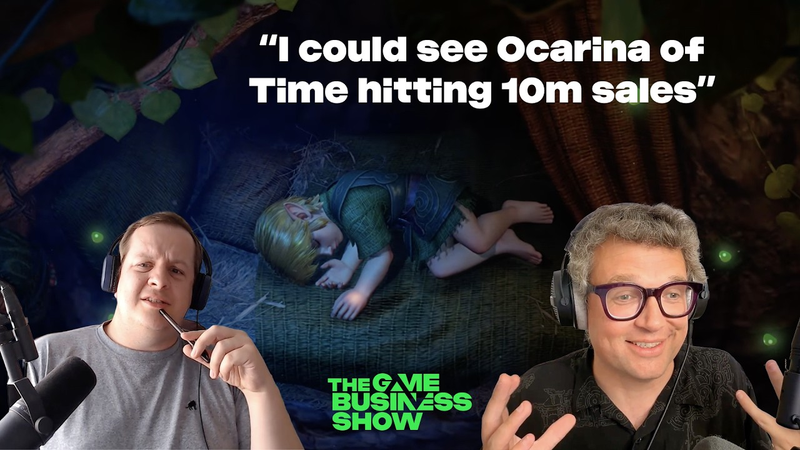
The Legend of Zelda: Ocarina of Time remake is the most anticipated game of 2026 (that isn’t GTA)
The 2026 gaming landscape is defined by a tension between the enduring appeal of legacy intellectual property and the evolving expectations of modern players.
- The remake of The Legend of Zelda: Ocarina of Time is the most anticipated non-GTA title of 2026, with projected sales of approximately 10 million units.
- The industry is experiencing structural instability, evidenced by inconsistent financial performance where some publishers report growth while others face year-over-year declines and workforce reductions.
- Long-term engagement remains a viable commercial strategy, highlighted by Human: Fall Flat reaching 60 million units sold a decade after its initial release.

🧊 Cube Land: How RotateLab went from idea to $300K/Day in Just 6 Months
RotateLab has achieved significant commercial success with the 3D voxel blast puzzler Cube Land, scaling the title to approximately $300,000 in daily revenue within six months of its early 2026 launch.
- RotateLab scaled Cube Land to $300,000 in daily revenue within six months of its early 2026 launch.
- The studio achieved this success by testing approximately 20 prototypes before identifying the viable hit, validating a high-volume, iterative development philosophy.
- RotateLab allocates 90% to 95% of its advertising budget to AppLovin, citing a lack of necessary attribution infrastructure on alternative platforms like Meta for their hybrid monetization model.

2026's top games so far, Raid's new rival plus nuggets from Google, Ubisoft, Stillfront and more
The mobile gaming industry in the first half of 2026 reflects a landscape defined by the dominance of Chinese-developed titles, significant regulatory pressure on platform holders, and the emergence of community-driven development models.
- The European Commission has fined Google $1 billion for antitrust violations, specifically for hindering developers from steering users to external web stores and prioritizing its own search products.
- In the first half of 2026, the top three grossing mobile games were Honor of Kings ($1 billion), Whiteout Survival ($723 million), and Last War: Survival, all of which are Chinese-produced titles.
- Skillz won a legal battle against rival competitive gaming firm Papaya Gaming, resulting in a court-ordered damage award that increased from $420 million to $719 million.