Game Publishing reports and market data
Documents

Vietnam Mobile Gaming Report 2025: Vietnam Gaming on Rise
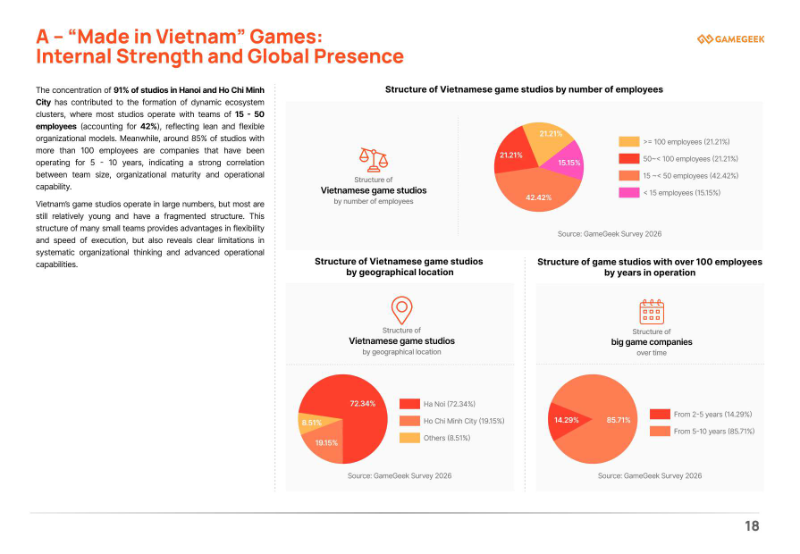
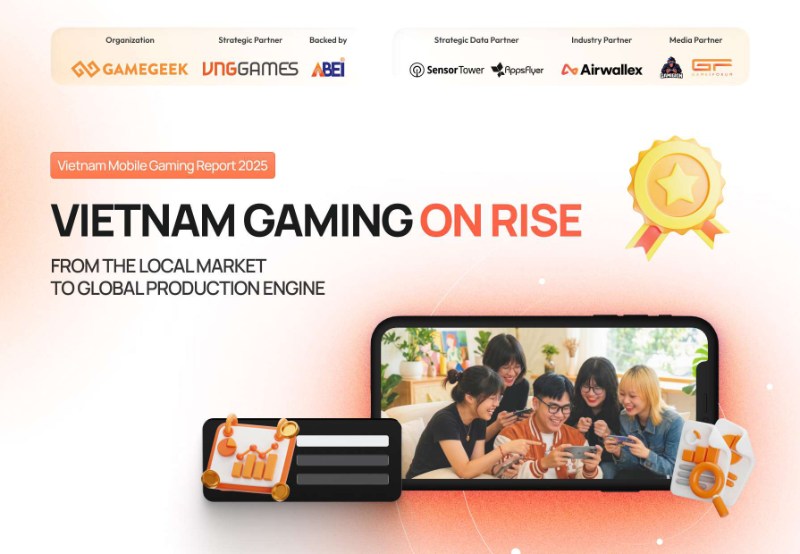
Vietnam has solidified its position as a premier global hub for mobile game production, evidenced by a staggering 4.9 billion downloads in 2025.
- Vietnam’s mobile gaming sector recorded 4.9 billion downloads in 2025, signaling its status as a premier global production hub.
- The industry is pivoting from a hyper-casual outsourcing model toward quality-focused development, with in-app purchase revenue projected to surge by 83%.
- The number of active publishers in Vietnam has increased by 27%, reflecting a strategic shift toward hybrid monetization and complex gameplay in genres like simulation and puzzle.
Defining "Indie" in 2026 | Extra Credits Gaming
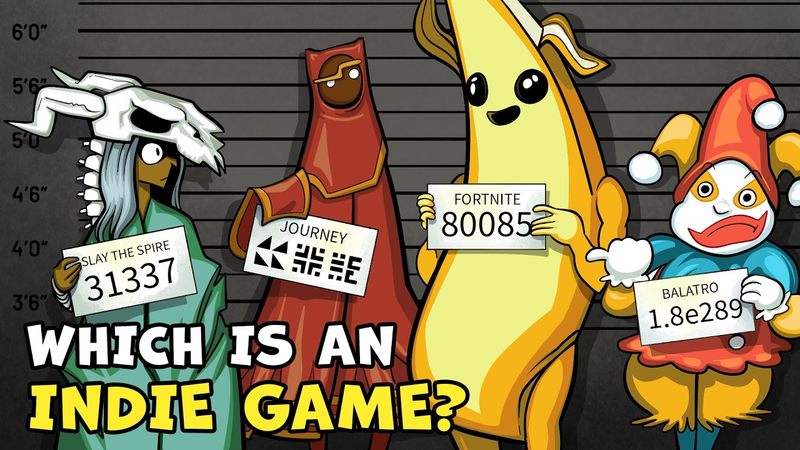
The term indie in the video game industry has evolved from a clear descriptor of independent production into a complex, contested, and often contradictory label.
- The term 'indie' has evolved from a descriptor of self-funded, hobbyist-led development in the 1980s to a nebulous marketing label that no longer reliably distinguishes between studio size, funding models, or creative independence.
- Modern industry giants like Epic Games, which was founded in 1991 and maintains self-publishing status for Fortnite despite a 40% ownership stake by Tencent, demonstrate that self-publishing does not inherently equate to the 'indie' identity.
- The historical distinction between AAA and indie games—defined by 3D hyperrealism versus unique art styles and corporate versus 'punk rock' culture—has blurred as AAA studios increasingly adopt stylized aesthetics and indie developers rely on external publishers like Devolver Digital or Humble Bundle.
TWIG #381: Xbox Loses the Plot, Ubisoft on Life Support & Western Gaming's Darkest Take
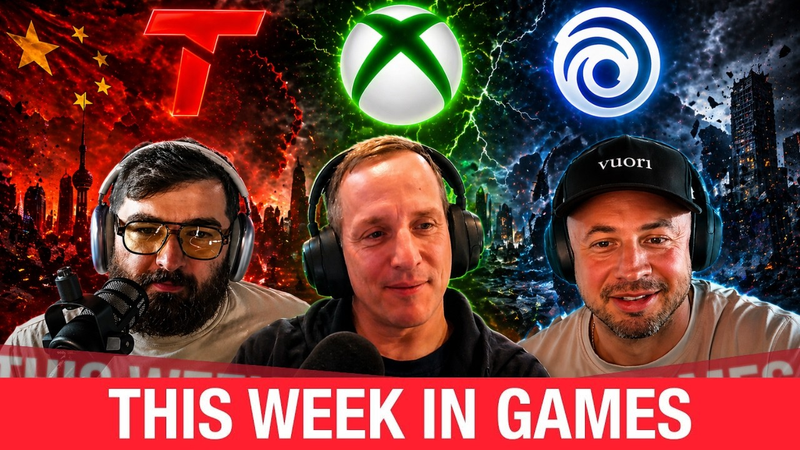
The gaming industry is currently navigating a period of profound structural instability, characterized by a shift in strategic priorities and a widening performance gap between Western and Chinese developers.
- Western developers are losing significant market share to Chinese competitors, who benefit from lower labor costs, larger talent pools, and a higher capacity for rapid organizational restructuring.
- Xbox has shifted its primary performance metric to Daily Active Users, a strategy criticized for prioritizing vanity metrics over the development of high-quality exclusive content.
- Ubisoft is facing severe instability due to leadership turnover and aging franchises, leading to speculation that a Tencent acquisition may be necessary for the company's survival.
Should PlayStation and Xbox change their plans on exclusive games?
Exclusive titles remain the primary catalyst for console adoption, though their strategic value is currently being re-evaluated across the industry.
- Exclusive titles remain the primary driver for console adoption, though PlayStation's strategy of porting single-player games to Steam shows these titles often underperform compared to their original console debuts.
- Xbox is facing a critical inflection point where declining hardware sales are forcing a strategic pivot toward potentially releasing exclusive titles on competing consoles to maximize revenue.
- Marketing budgets are shifting away from high-cost celebrity influencers toward mid-sized creators who provide higher authenticity and niche relevance.
Xbox's weird 'North Star', Sybo and Subway Surfers, App Store emulators, Peridot's death, more
The mobile games industry is currently navigating a period of strategic realignment, marked by shifting corporate priorities and evolving platform dynamics.
- Xbox has adopted 'daily active players' as its new core metric, yet the company's recent strategic communications largely ignore its mobile gaming division despite mobile likely representing the majority of its active player base.
- Subway Surfers developer Sybo is shifting its revenue strategy for the new title Subway Surfers City, aiming for a higher ratio of in-app purchases compared to the original game, which currently relies on ad revenue for 80% to 85% of its income.
- Apple's App Store has seen over 60 million downloads of game emulators, but developers report that Apple's backend tools remain dated and fail to provide a developer experience commensurate with the high commission fees Apple collects.
Skybound cuts back indie publishing to focus on Invincible VS and The Walking Dead
Skybound is fundamentally restructuring its business model to prioritize the internal development of its core intellectual properties, specifically Invincible and The Walking Dead, over the publishing of third-party indie titles.
- Skybound is pivoting its business model away from third-party indie publishing to focus exclusively on internal development of its core intellectual properties, specifically Invincible and The Walking Dead.
- The company has established an internal studio, Quarter Up, to maintain direct creative control and ensure video game adaptations align with the quality and tone of its existing comic and television franchises.
- This strategic shift aims to mitigate the risks associated with licensed game development and prevent the brand dilution often caused by low-quality, third-party titles.
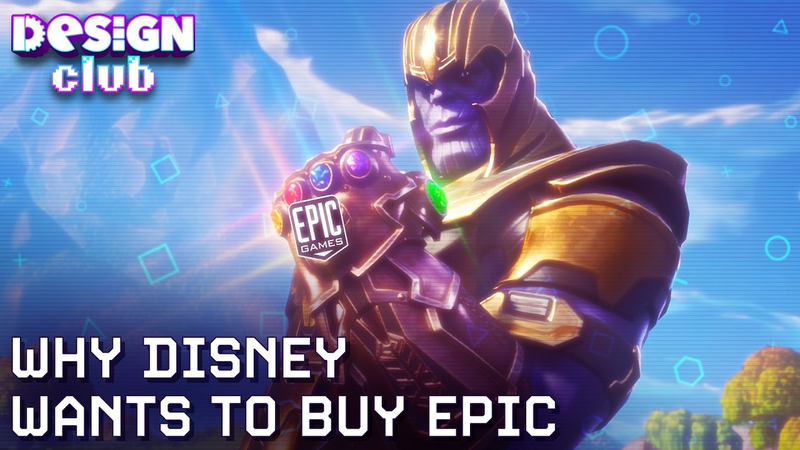
Why Disney Wants To Buy Epic | Design Club
Disney is actively pursuing a strategic acquisition of Epic Games to address a critical deficiency in its corporate portfolio: the lack of a robust, internal first-party gaming infrastructure.
- Disney lacks strong internal game development capabilities, making the acquisition of Epic Games a strategic move to gain control over high-value gaming assets and infrastructure.
- Epic Games provides three critical pillars for Disney: the Unreal Engine for content creation, the Fortnite platform for user engagement, and the Epic Games Store as a distribution channel.
- Integrating Epic into Disney's ecosystem would allow for massive content bundling, such as offering legacy Disney, Marvel, and Star Wars game titles as part of a Disney+ subscription.

How He Sold 100,000 Copies of His Games… Completely Alone (w/ Michael Cosio) — Ep 65
Solo game development thrives when creators prioritize a distinct, authentic creative voice over the pursuit of technical perfection or industry-standard polish.
- Solo developers can maintain a sustainable career by releasing games consistently, with a typical production cycle of six to eight months per title.
- Building an audience through free game releases before launching paid titles helps establish credibility and trust, reducing the risk of being perceived as an 'asset flip' developer.
- Adopting a low-fidelity aesthetic—such as PSX-style graphics with 512x512 textures and limited color palettes—allows solo developers to cut production corners while creating a distinct, marketable visual identity.

Unity copies the AppLovin playbook with Vector | Week in Mobile Games podcast
This analysis covers recent developments in the mobile games industry, focusing on strategic shifts by major technology firms, legal challenges, and performance trends for specific titles.
- Unity is shifting its business model to mirror AppLovin by divesting its game publishing division, Supersonic, to focus exclusively on its 'Vector' growth strategy.
- The Ninth Circuit Court of Appeals has denied Apple’s request for a rehearing in the Epic Games App Store dispute, maintaining the current legal pressure regarding external transaction fees.
- Supercell’s Brawl Stars has seen a revenue resurgence, recording $33 million in February, a 9.2% increase since November 2024.

Unity streamlines, PlayStation cuts, The Division, Elder Scrolls Blades, Coffee Stain, more
The mobile gaming industry is currently undergoing a period of significant structural realignment, characterized by corporate downsizing, the divestment of non-core assets, and a shift in strategic focus toward long-term sustainability.
- Unity is divesting its Supersonic publishing arm and closing the ironSource Ad Network as part of a strategic turnaround, with Q1 2026 revenue projected at $505–$508 million, significantly outperforming previous guidance.
- PlayStation Studios Mobile has undergone workforce reductions affecting approximately 50 staff, signaling a potential shift toward a licensing-focused model rather than internal mobile game development.
- Ubisoft has launched The Division Resurgence, a mobile shooter developed across multiple global studios, entering a highly competitive market dominated by titles like Call of Duty Mobile and PUBG Mobile.
Interview with Dispatch developer: We were told comedy games don't sell
The interactive narrative game Dispatch serves as a compelling case study in challenging industry orthodoxy regarding the commercial viability of comedy and narrative-driven titles.
- Dispatch achieved commercial and critical success with over four million sales and nine BAFTA nominations, despite industry skepticism regarding the viability of comedy-focused narrative games.
- The studio successfully utilized an episodic release model to maintain high player engagement and completion rates throughout the product's lifecycle.
- After losing an initial publishing partner, the studio pivoted to self-publishing, using a high-impact trailer at The Game Awards to secure investor confidence and retain creative control.

Scopely talks M&A, new publisher Arcade, yet more Epic news, Moonton, China and more
The mobile games industry is currently defined by aggressive consolidation, the rise of hybrid-casual publishing, and a strategic pivot toward direct-to-consumer monetization.
- Savvy Games Group, the Saudi-backed parent company of Scopely, is reportedly in talks to acquire Moonton for $6 billion.
- Scopely’s M&A strategy focuses on long-term investment rather than genre-specific portfolio filling, and the company has not ruled out future acquisitions of major assets like King despite declining to comment on specific speculation.
- Arcade, a new Dubai-backed hybrid-casual publisher with nine staff, is positioning itself to solve distribution and user acquisition bottlenecks as AI-assisted game development becomes increasingly commoditized.