Europe reports and market data
Documents
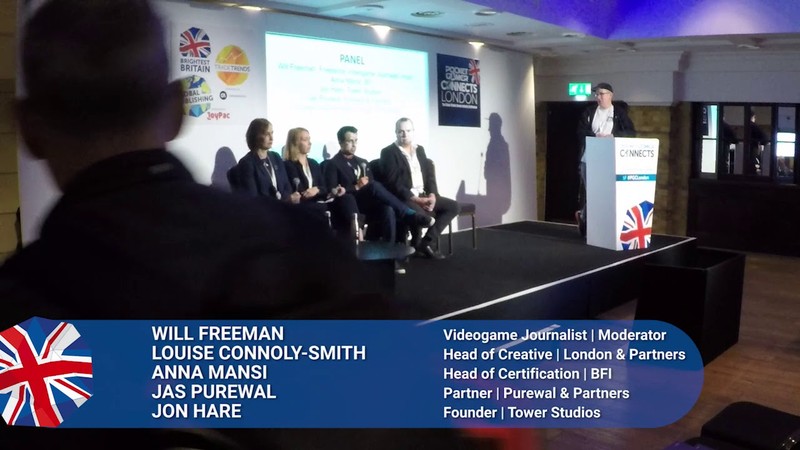
Britain After Brexit - The Challenges & Opportunities
The British video games industry maintains a resilient posture in the post-Brexit landscape, anchored by the continued stability of the Video Games Tax Relief.
- The UK games industry remains resilient due to the stability of the Video Games Tax Relief, which continues to anchor the sector despite post-Brexit regulatory and funding challenges.
- Operational friction has increased due to non-tariff barriers, VAT complications, and restricted talent mobility, forcing many studios to establish EU-based subsidiaries to maintain regional access.
- A shortage of domestic publishers has driven an increased reliance on capital from the US and China, leading to concerns regarding the potential assimilation of British studios into foreign conglomerates.
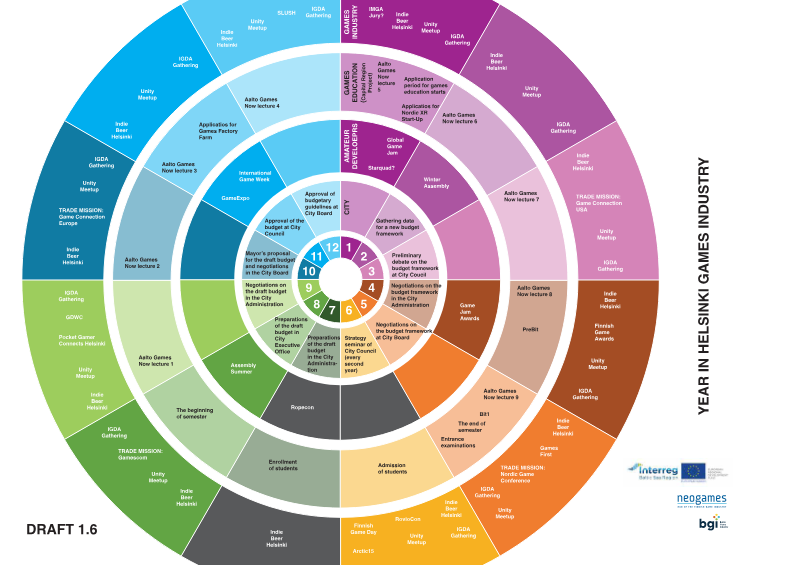
Finland Games Industry: 2018 Year in Review
The Helsinki games industry ecosystem in 2018 functioned through a dense, highly integrated network of academic institutions, professional organizations, and municipal governance.
- The Helsinki games industry in 2018 operated through a highly integrated ecosystem connecting municipal governance, academic institutions, and professional organizations.
- Municipal support was a primary driver of stability, with the Helsinki City Council and City Board aligning budgetary cycles and long-term planning with industry needs.
- Aalto University and specialized Unity-focused programs served as the primary talent pipeline, with the industry's professional rhythm dictated by the academic calendar.


Europe and Esports: High Engagement and Even Higher Potential
The study demonstrates that European esports audiences are expanding rapidly, with a projected 92 million viewers by the end of 2020 and a year-over-year growth of 7.4%.
- The European esports market is projected to reach 92 million viewers by the end of 2020, with a 7.4% year-over-year growth rate.
- Global esports revenue is forecasted to climb from €974 million in 2020 to €1.6 billion by 2023, with Europe following a similar growth trajectory.
- Esports engagement is not limited to the youngest demographic, as the 21–25 age group currently leads in enthusiast participation compared to the 18–20 cohort.
Model Scheme and Manual for Game Incubation Programming and Financing: Baltic Games Industry
The Baltic Sea region is currently undergoing a strategic transformation aimed at establishing itself as a globally competitive hub for game development.
- Most game incubators in Europe, especially those for game creators, are primarily funded by public sources, with private initiatives being a minority.
- Establishing a sustainable game incubator often takes over 5 years to break even, with only 40.8% of business incubators aiming to break even as part of their business plan.
- Game incubation programs can be structured in various ways, including long-term incubation (1 year+ for medium-maturity startups) and short-term acceleration (3-4 months for high-maturity startups, often involving equity exchange for funding).
Guideline for Set-Up and Maintenance of a Mentoring System for Game Business Incubation
Establishing and maintaining a successful game business incubator requires a specialized framework that addresses the unique, multidisciplinary challenges of the gaming sector, such as rapid market volatility and complex monetization strategies.
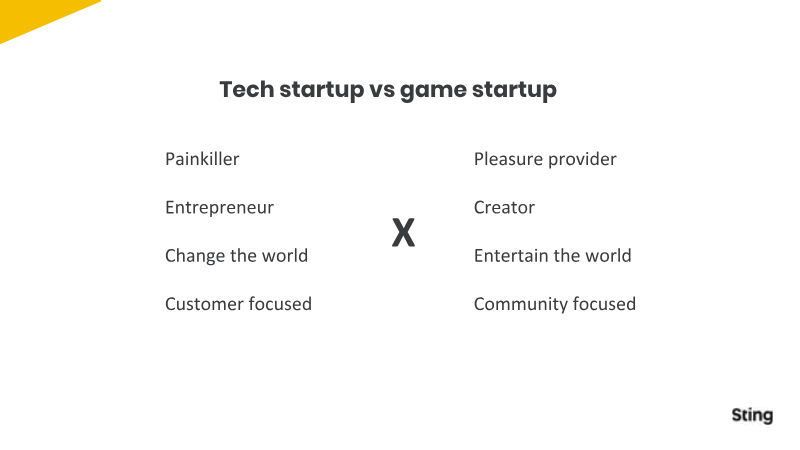
- The game industry is highly competitive and unique, with revenues exceeding three times that of the movie industry, requiring specialized incubation support distinct from generic tech incubators.
- Effective game incubation systems need to tailor their offerings based on the local startup ecosystem, considering factors like founders' experience (e.g., fresh graduates vs. industry veterans) and community focus (e.g., hobby developers needing business skills).
- Mentoring in game incubation involves a continuous, supportive relationship with experienced industry professionals, ideally based on a flexible long-term development plan, and requires mentors with strong communication, listening, and industry understanding.
Manual on International Cooperation for BSR-Wide Game Business Development
The Baltic Sea Region (BSR) game development sector requires a unified, transnational approach to overcome the resource constraints and fragmentation inherent in local incubation environments.
- The global game market is rapidly growing, with China leading in consumer spending, followed by the US and Japan. European countries, with smaller home markets, must focus on global markets, necessitating internationalization in game incubation.
- International cooperation is crucial for game incubators to stay updated on trends, tools, and opportunities, requiring resources like travel to events and partners, supported by sustainable business models or public funding.
- The Game Camps project (2017-2020), funded by Interreg Central Baltic, fostered cross-border startups by bringing together over 250 game enthusiasts from Finland, Sweden, Estonia, and Latvia, resulting in four new startups and support for over 15 existing ones.
Economic Analysis of the Audiovisual Sector in the Republic of Ireland
The Irish audiovisual and radio sectors represent a vital component of the national economy, generating over €1 billion in gross value added and supporting 16,930 full-time equivalent jobs as of 2016.
- The audiovisual and radio sectors contributed over €1 billion in Gross Value Added (GVA) to the Irish economy in 2016, with Film, TV, and animation accounting for the largest share at €692 million.
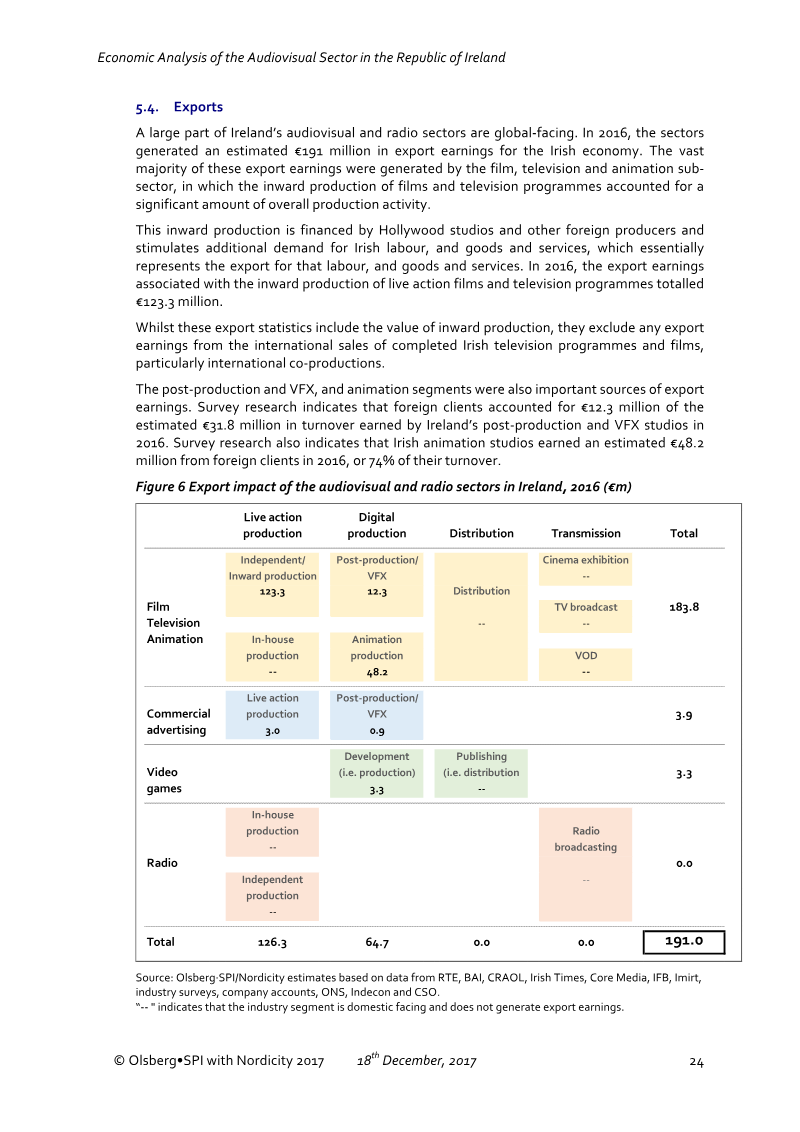
- The sectors generated an estimated €191 million in export earnings for Ireland in 2016, primarily from film, television, and animation. Inward production of live-action films and TV programs alone contributed €123.3 million to these export earnings.
- Irish animation studios earned an estimated €48.2 million from foreign clients in 2016, representing 74% of their total turnover.
Games Monitor: The Netherlands 2020 Update – COVID Impact
This update provides an analysis of the Dutch video game industry’s performance during 2020, specifically examining the operational and economic impacts of the COVID-19 pandemic.
- The Dutch video game industry grew from 575 companies in 2018 to 615 by the end of 2020, supporting approximately 4,000 total jobs.
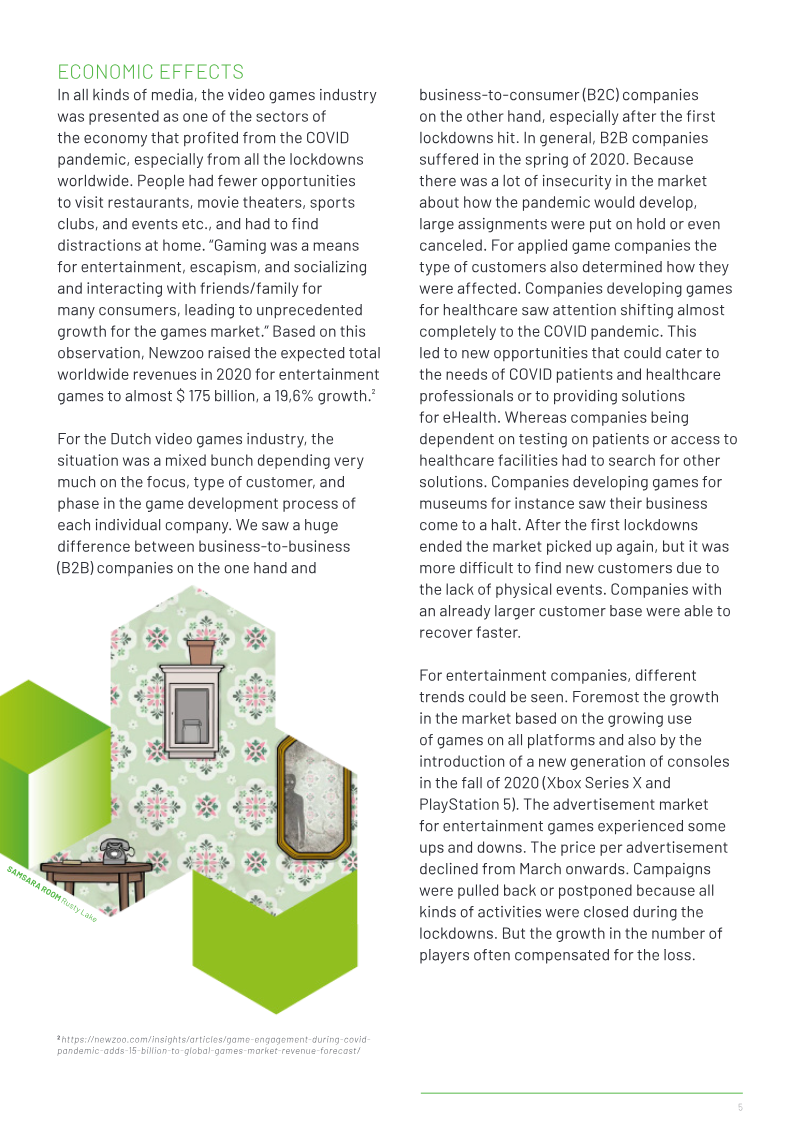
- B2C entertainment developers experienced increased consumer demand during the pandemic, while B2B and applied game developers faced project cancellations and delays.
- Operational productivity remained stable despite the transition to remote work, though nearly 50% of industry professionals reported increased stress levels.
Czech Video Game PC, Console and Mobile Game Developers in Czech Republic 2020
The study maps the structure and dynamics of the Czech video-game industry as of 2020, highlighting its rapid export-driven expansion and the strategic challenges it faces in talent development and public support.
- The Czech video game industry experienced rapid growth between 2017 and 2020, with annual turnover rising from CZK 2.26 billion to over CZK 5 billion, representing a 29% average annual growth rate.
- The sector is highly export-oriented, with approximately 95% of revenue generated from international markets, primarily the United States, Germany, and the United Kingdom.
- As of 2020, the industry comprised roughly 110 domestic studios employing 1,750 specialists, with revenue already tripling that of the national film industry by 2019.
Europe's Video Game Industry: Key Facts 2020
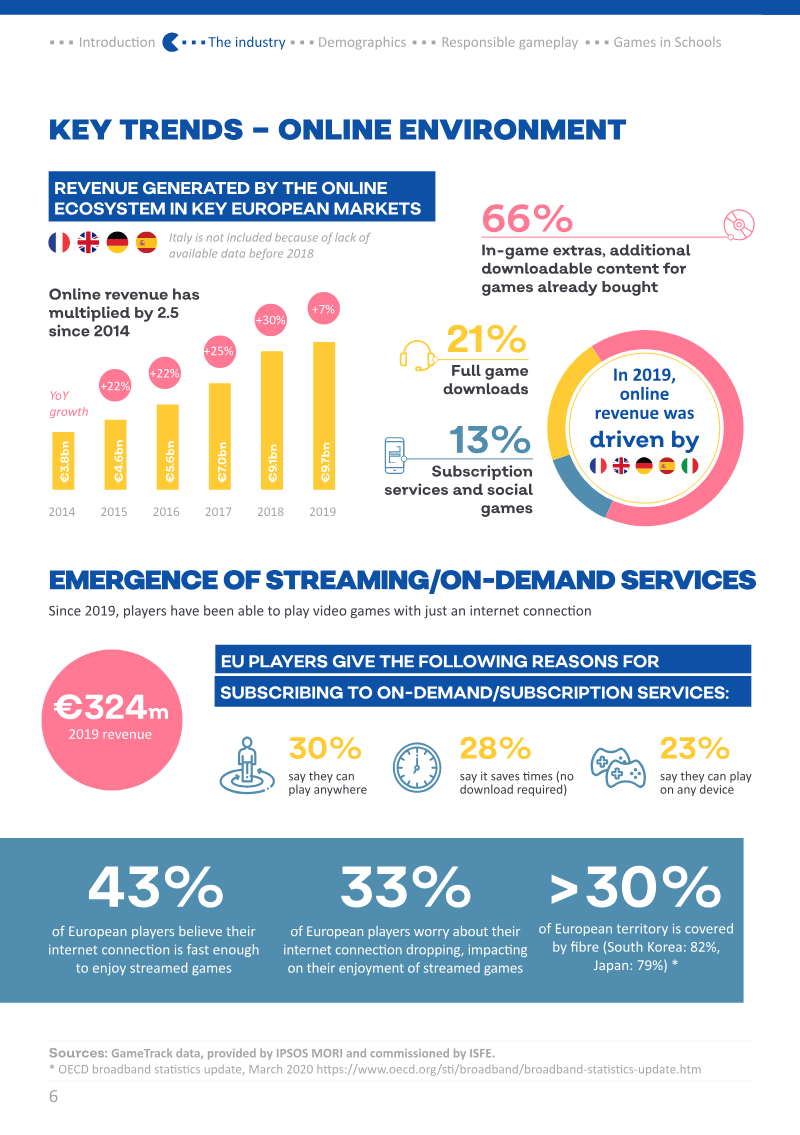
The European video games industry experienced steady growth in 2019, reaching a total market turnover of €21.6 billion. This represents a 3% year-on-year increase and a 55% rise since 2014 across key markets.
- The European video game market reached €21.6 billion in 2019, marking a 3% year-on-year increase and a 55% total growth since 2014.
- Digital ecosystems dominate the market, accounting for 76% of total revenue, with 66% of that online income derived specifically from in-game extras and downloadable content.
- Hardware revenue is split primarily between consoles at 43% and mobile/tablet devices at 40%.


Games as the Driver of Change and Innovation in Our Society
The European game industry serves as a primary catalyst for technological, social, and economic innovation, consistently driving the adoption of emerging hardware and digital ecosystems.
- The European game industry now comprises over 2,000 studios and 55,000 employees, evolving from a niche 1980s market into a foundational pillar of modern digital infrastructure.
- Game development acts as a primary catalyst for the mainstream adoption of critical technologies, including personal computing, mobile connectivity, data analytics, and cloud-based services.
- The industry is currently positioned to lead the integration of wearable technology, haptic interfaces, and the Internet of Things into daily life throughout the 2020s.
Experiences of Publishing in and out of Asia
Publishing games in China necessitates a fundamental shift in operational strategy, moving away from the iterative soft-launch models common in Western markets toward high-intensity, event-driven commercial releases.
- The Chinese mobile market is heavily fragmented, with iOS accounting for only 18% of downloads but 45% of revenue, while the diverse Android ecosystem captures 72% of downloads and 55% of revenue.
- Developers are advised to treat China as a standard market by launching on accessible platforms to gather performance data before seeking a publisher, which prevents being in a weak negotiating position.
- Chinese users consume content significantly faster than Western audiences, often requiring developers to prepare 1.5 to 2 months of content for a Chinese release compared to 3 months for Western markets.