Cross-Platform reports and market data
Documents

Analysis of K-Game Global Localization Strategies: Successful Market Expansion Models
The Korean gaming industry currently faces a structural crisis characterized by an over-reliance on mobile platforms and the Chinese market, coupled with mounting geopolitical and regulatory pressures.
- The global gaming market is projected to grow at an average annual rate of 3.3% through 2028, reaching an estimated 3.95 billion players, with mobile gaming currently dominating at 83% of the total player base.
- Successful global expansion requires a shift from mobile-only strategies to multi-platform development across PC and console, as console gaming is experiencing high global growth despite localized declines in markets like Japan.
- To mitigate geopolitical and regulatory risks, developers must adopt 'China-specific builds' from the planning stage, as evidenced by the necessity of rebranding PUBG to 'Game for Peace' to satisfy Chinese censorship and licensing requirements.
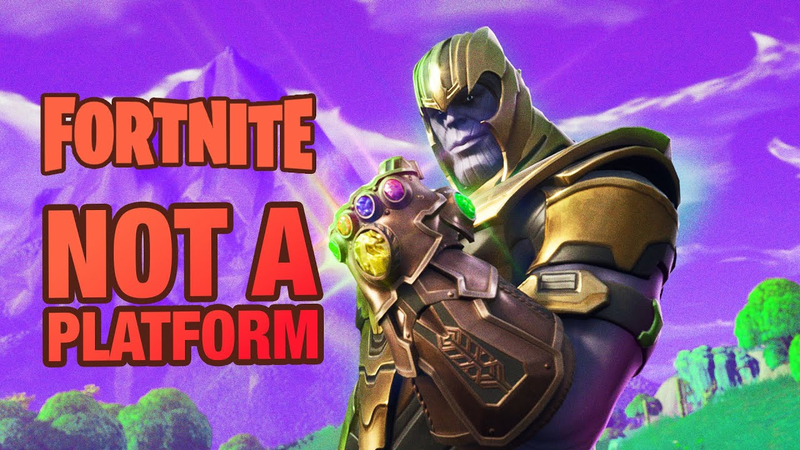
Fortnite’s Platform Problem (It’s Not What You Think)
Fortnite functions primarily as a centralized licensing powerhouse rather than a true open platform.
- Fortnite functions as a centralized licensing powerhouse that absorbs external IP, such as Ferrari and James Bond, rather than operating as a decentralized platform for third-party creators.
- Despite reaching 9 million concurrent users during the Chapter 7 launch, Fortnite struggles to translate these spikes into significant growth or engagement for the Unreal Editor for Fortnite (UEFN) ecosystem.
- Fortnite maintains a superior financial position compared to Roblox by prioritizing monetization efficiency and higher average revenue per user, despite Roblox’s significantly higher concurrent user count of 21 million versus Fortnite’s 3 million.
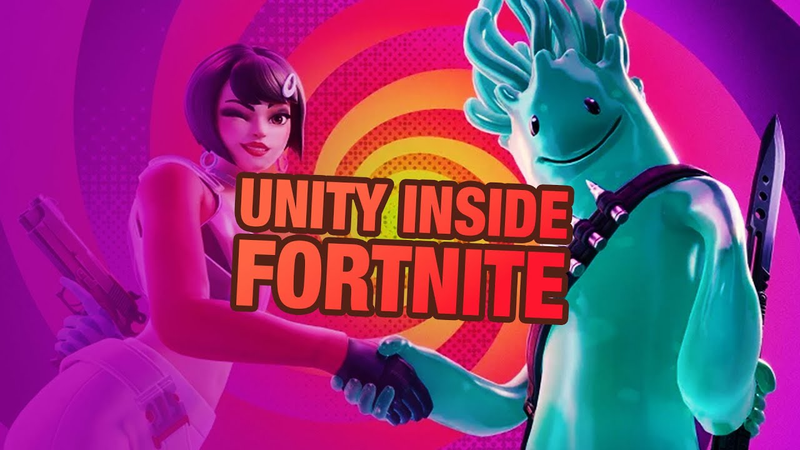
Epic + Unity! The Gaming Bromance Nobody Predicted
The gaming industry is witnessing a significant shift in platform interoperability following a strategic partnership between Epic Games and Unity.
- Epic Games and Unity have formed a strategic partnership allowing Unity-based developers to publish content directly into the Fortnite ecosystem.
- Unity is integrating its cross-platform commerce and in-app purchase SDK into Unreal Engine to promote a more interoperable digital landscape.
- Roblox has implemented facial recognition technology to verify user age and restrict communication between different age groups to address safety concerns.
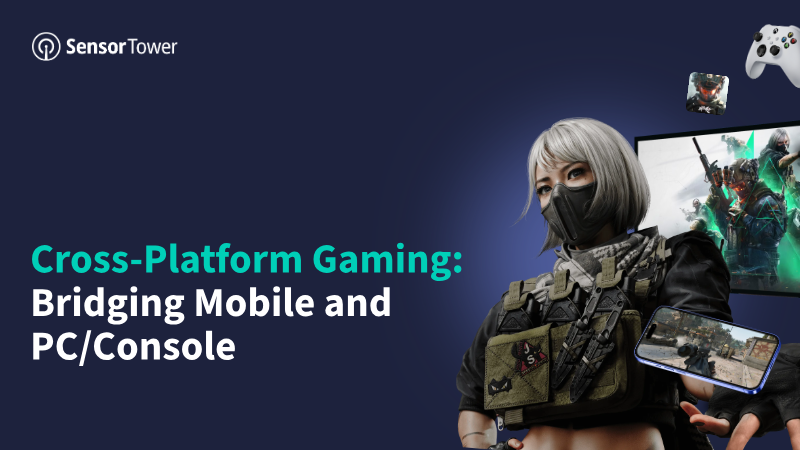
Cross-Platform Gaming: Bridging Mobile and PC/Console 2025
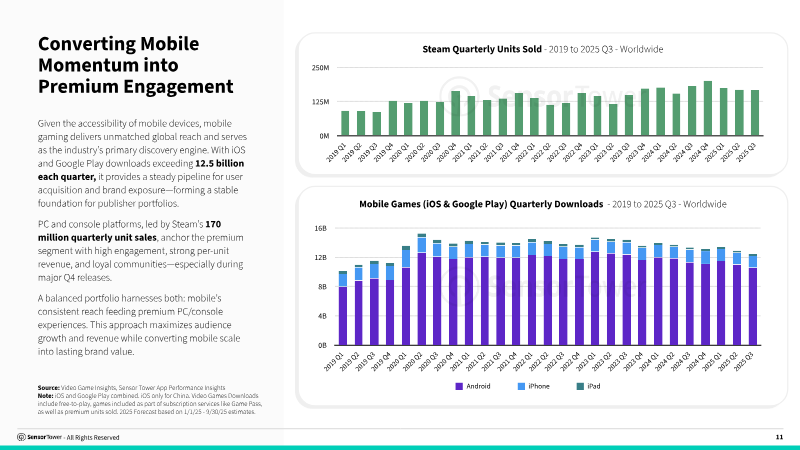
The global gaming landscape in 2025 is defined by a strategic synergy between the accessibility of mobile platforms and the immersive depth of PC and console ecosystems.
- Mobile platforms function as the primary discovery engine for the gaming industry, generating over 52 billion annual downloads and $82 billion in in-app purchase revenue.
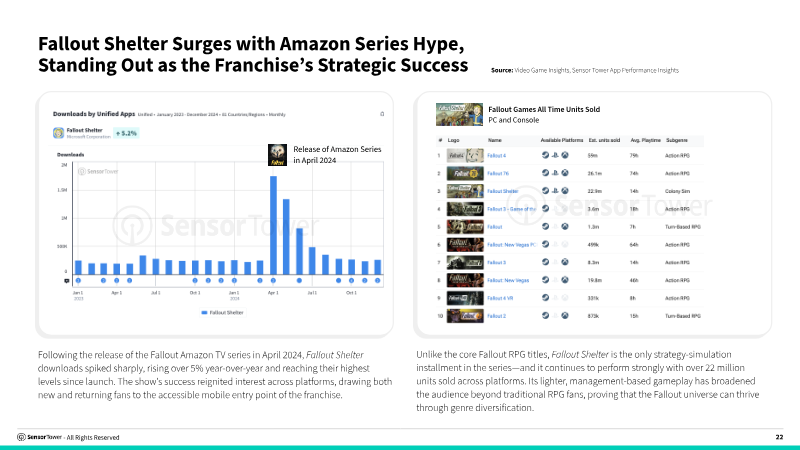
- Publishers maximize franchise growth by using mobile to feed into high-fidelity PC and console ecosystems, which anchor brand loyalty and drive high-value engagement.
- Cross-platform progression and unified ecosystems are most effective for RPG and Shooter titles, significantly increasing player lifetime value and retention.
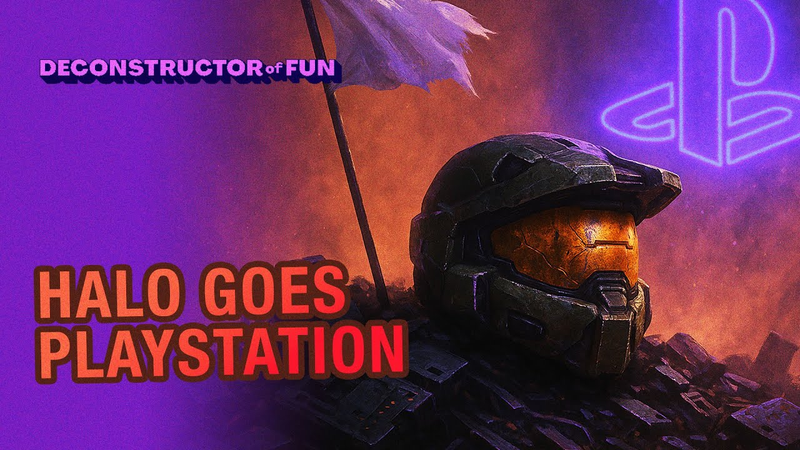
HALO JUMPS TO PLAYSTATION! Has Xbox Officially Lost the Console War?
The gaming industry is currently witnessing a significant strategic shift as Microsoft transitions its flagship Halo franchise to a multiplatform model.
- Starting in 2026, the Halo: Combat Evolved remake will launch on PlayStation 5, Xbox Series X, and PC, ending 25 years of Xbox franchise exclusivity.
- Microsoft is shifting its gaming strategy from a hardware-centric console model to a global publishing approach that prioritizes distribution across consoles, PC, mobile, and cloud platforms.
- The transition to a multiplatform model is driven by a corporate mandate to achieve 30% profit margins within the gaming division.

TWIG #354 Google's New Payment-Link Era and Rovio's End of an Era
The gaming industry is currently undergoing a structural shift characterized by a move toward direct-to-consumer payment models and a consolidation of development resources.
- Regulatory shifts forcing Google to allow third-party payment links are not increasing developer profit margins, as savings are being redirected into rising user acquisition costs.
- Cross-platform commerce is emerging as a critical strategic battleground for firms like Unity and Epic Games, who are leveraging payment solutions to aggregate user data for ad-tech applications.
- The industry is shifting toward a 'fewer, bigger, better' production philosophy, exemplified by Rovio's recent restructuring following the underperformance of key titles.
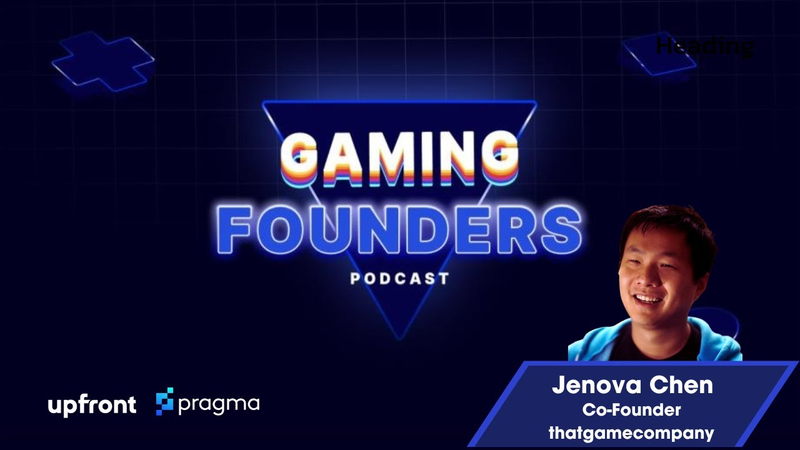
Part II: Gaming's Emotional Blind Spot: Jenova Chen's Strategy Behind Making Journey and Sky
The gaming industry is currently undergoing a period of consolidation characterized by a trend toward the Hollywoodification of content, where market dominance is increasingly concentrated in low-risk, established intellectual properties.
- Jenova Chen aims to evolve 'Sky: Children of the Light' from a three-quadrant experience into a four-quadrant product that appeals to all demographics, similar to Pixar or Disney films, by moving beyond traditional adventure-focused gameplay.
- By replacing predatory virtual currencies and loot boxes with a direct gifting-based monetization model, thatgamecompany achieved a 3x increase in purchase volume compared to standard conversion rates.
- The viral growth of 'Sky' was driven organically by a core community of Japanese female players who created fan art, demonstrating that high-quality social sharing features—such as UI-free video recording—can fuel user acquisition without traditional marketing spend.
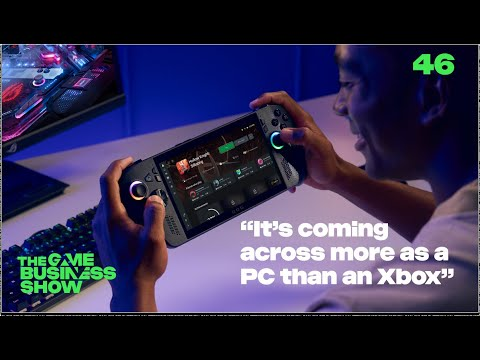
Attracting new players with ROG Xbox Ally will be a ‘longer journey’
The gaming industry is currently navigating a significant transition as major platform holders, particularly Xbox, shift from traditional console-exclusive models toward a hybrid console-PC ecosystem.
- The European gaming market experienced a contraction in the first 20 weeks of the year, with unit sales declining by 6% and total revenue falling by 2%.
- Despite overall market contraction, consumer spending per game increased by €2 year-over-year, indicating a shift toward higher investment in indie and high-quality, shorter experiences.
- The Asus ROG Ally is currently positioned as a niche 'frontier product' for enthusiasts rather than a mass-market device, primarily because its Windows-based software lacks the plug-and-play accessibility of native console operating systems.

"Bringing your games to other platforms is how you’re going to win"
The global gaming industry is currently defined by a strategic pivot toward multiplatform accessibility as the primary driver of commercial viability.
- Multiplatform accessibility has replaced hardware exclusivity as the primary strategy for commercial viability in the current gaming market.
- The industry is experiencing a shift toward ubiquity, as publishers increasingly rely on cross-platform releases and remasters to reach players within their existing ecosystems.
- Long development cycles, often spanning four years, are causing major publishers to struggle with adapting to rapidly shifting player habits, leading to frequent title unlaunches.
Becoming a cross-platform company - Mihai Pohontu from Amber
Amber, a global game development agency, has successfully navigated recent industry volatility by prioritizing cross-platform diversification and a flexible workforce model.
- Amber, a game development agency, grew from 200 employees to 850 over the last three to four years by diversifying across platforms and genres to mitigate market volatility.
- The company successfully pivoted away from a mobile-first strategy starting in 2017, with PC and console projects now serving as the primary revenue drivers.
- Amber maintains a 'variable workforce model' by combining its 850 internal staff with a network of 3,500 external freelancers and partner companies to scale capacity based on market demand.

Launching a Roblox Game Studio with The Gang
The Gang has evolved from a five-person startup into a 220-person organization by capitalizing on the rapid development capabilities of the Roblox platform.
- The Gang scaled from a five-person startup in 2020 to a 220-person organization by leveraging the rapid development cycles of the Roblox platform.
- The studio employs a dual-track business model that balances revenue-stable branded experiences for partners like Netflix and the NHL with the development of original IP.
- Operational strategy mandates a strict separation between client-facing brand work and original game development to maintain focus and discipline.

Nintendo Switch 2: Will Lightning Strike Twice? | Breaking Down the Upcoming Launch
The Nintendo Switch 2 launch represents a significant milestone for the gaming industry, building upon the success of its predecessor, which surpassed 140 million units sold.
- The Nintendo Switch 2 will launch with a base model price of $449 and a $499 bundle including Mario Kart, targeting a holiday market with minimal hardware competition.
- The console follows the original Switch, which achieved a significant market footprint with over 140 million units sold.
- Unity is partnering with Konami to remake the 1998 title Survival Kids, serving as a strategic test case for engine optimization and the viability of porting mobile-oriented games to the new architecture.