Showing 30 of 319 results · 0.54s
Jul 2020
In Games for the Right Reasons
SuperJoost
between platform algorithms and creator stability. Despite these hurdles, the transition toward cloud-based gaming and subscription services remains the primary battlefield. The success of these new platforms
Article
Playing for the Planet: Untangling the Carbon Complexities of the Video Gaming Industry
Playing for the Planet Alliance, Carbon Trust, Unity Charitable Fund, Ukie
remain in measurement, reporting consistency, and the integration of emerging technologies such as cloud gaming and AI. Addressing these challenges will be essential for credible net‑zero pathways
Report75 pages
Mar 2019
Google Stadia: Market Analysis
SuperJoost
console and PC segments, the critique suggests that while the market opportunity for cloud gaming is clear, the current "scooter-stage" of the technology makes platforms indistinguishable
Article
Jan 2025
Gaming: Your Marketing Cheatcode
Dentsu Gaming
developers. Looking ahead, the industry trajectory is shaped by the expansion of cloud gaming and highly anticipated hardware and software launches, such as the Nintendo Switch
Report56 pages
Apr 2020
Xbox Bonanza: That FTC Win and the Future of Game Pass
GameDiscoverCo
regulatory environments. It touches upon industry segments including cloud gaming, mobile platforms, and PC storefronts like Steam. Methodology involves the analysis of over one million pages of court
Article
Mar 2026
Video Games Ecosystem Report: Cyprus 2025
InvestGame
Vortex Entertainment demonstrate a growing presence in the market. Cross‑platform development and cloud gaming are emerging trends, offering opportunities for developers skilled across mobile
Report7 pages
Sep 2023
Games Investment Review: Q3 2023
DDM
Microsoft’s $68.7 billion acquisition of Activision Blizzard, cleared after the divestiture of cloud‑gaming rights to Ubisoft, dominated the corporate landscape. A concurrent leak revealed an ambitious
Financial43 pages
Oct 2023
Microsoft’s Acquisition of Activision Blizzard King Reshapes the Global Games Industry
Video Games Industry Memo
availability of the Call of Duty franchise on rival platforms and divested cloud gaming rights for Activision Blizzard content to Ubisoft for 15 years. While the acquisition strengthens
Article1 pages
Apr 2026
Årsberättelse 2025: Dataspelsbranschen
Dataspelsbranschen
with a notable uptick in roles related to virtual reality and cloud gaming. The report also documents that 68 % of companies have adopted sustainability frameworks, aligning with
Article1 pages
Jun 2024
Gaming Industry Report: Q2 2024
Konvoy
focus: Aligns with the broader VC shift toward early‑stage, high‑potential tech (cloud gaming, AI‑driven personalization, blockchain‑based economies). Thought‑leadership: Curated newsletters and event participation
Financial33 pages
Jan 2024
Newzoo PC & Console Gaming Report 2024
Newzoo
projected to outpace established ones with a 4.7 % CAGR versus 0.2 %, and cloud gaming is identified as a key entry point due to high awareness
Report46 pages
Aug 2023
Gaming Report: Q2 2023
PitchBook
metrics derived from PitchBook’s proprietary VC Exit Predictor. Emerging opportunities identified span cloud gaming, user‑generated content, and real‑money monetization tools, exemplified by Triumph Labs’ recent
Financial10 pages
Apr 2025
Gaming's Counter-Cycle
SuperJoost
shift from content-focused innovation toward distribution-focused models, including subscription services and cloud gaming. While this transition creates new opportunities for growth, it also presents challenges
Article1 pages
Jan 2021
Microsoft Wins Quick Antitrust Battle: What Will the FTC Do Now?
Shannon Liao
sufficient evidence regarding other major franchises like Diablo or the broader impact on cloud gaming and subscription markets. Furthermore, the court observed that the console market is currently
Article
Nov 2024
Taxman Don't Playeth: How Tariffs Could Reshape the US Games Market
SuperJoost
effect, the long-term result will be a forced evolution toward digital streaming, cloud gaming, and diversified monetization strategies like advertising
Article
Jan 2021
Newzoo’s Global Games Market Report 2021
Newzoo
East. Key findings highlight a significant shift toward platform agnosticism and the "metaverse." Cloud gaming is projected to surpass $1 billion in annual revenue for the first time
Report23 pages
Jul 2020
Esports Versus COVID-19: What Inoculated Competitive Gaming Against the Pandemic
SuperJoost
throughout 2020 and early 2021. It touches upon various industry segments, including mobile gaming, cloud technology, and platform-holder strategies. The methodology relies on a synthesis of corporate
Article
Jan 2020
Baromètre Annuel du Jeu Vidéo en France: 2020
Syndicat National du Jeu Vidéo
shows resilience and optimism, it faces ongoing industrial transitions, including the rise of cloud gaming, immersive technologies, and new distribution models. Overall, the sector maintains a strong export
Report19 pages
Aug 2023
UK Competition Regulators to Re-Examine Games Market
Video Games Industry Memo
restructured version of the deal. The primary thesis suggests that by divesting cloud gaming rights to Ubisoft for the next 15 years, Microsoft has provided the CMA with
Article
Nov 2025
Rapport Financier Semestriel au 30 Septembre 2025
Ubisoft
distribution channels, including traditional PC and console platforms, alongside an expanding presence in cloud gaming and subscription-based services via the Ubisoft+ model. The organizational structure relies
Financial1 pages
Mar 2020
Venture Capital Discovers a $150bn Industry
SuperJoost
scale toy manufacturer. Google, in particular, could leverage such content to bolster its cloud gaming initiatives. However, the sector faces specific existential risks, including the potential for malicious
Article
May 2020
Unity Readies up for IPO Roadshow: Can It Get Out of Epic's Shadow?
SuperJoost
Animal Crossing: New Horizons. The findings also address emerging sectors such as cloud gaming, virtual reality, and the creator economy. While mobile publishers like Glu Mobile show resilience
Article
Sep 2023
EA Sports FC Sheds FIFA Name
Video Games Industry Memo
Markets Authority provisionally cleared Microsoft’s acquisition of Activision Blizzard following a restructured cloud gaming proposal involving Ubisoft. Simultaneously, labor tensions are rising, evidenced by SAG-AFTRA members
Article
Nov 2024
Four Video Game Podcasts Worth Listening to: November 2024
Video Games Industry Memo
Nintendo Switch, the Competition and Markets Authority’s decision to cease investigations into cloud gaming on iOS, and the emergence of disinformation campaigns targeting specific titles like Stalker
Article1 pages
Dragon Quest: Reimagined
Square Enix
evolution since 1986 and its adoption of modern technologies such as 3D mapping, cloud gaming, and cross‑platform connectivity. The “Final Fantasy” section cites cumulative sales
Report2 pages
Dec 2025
Video Gaming Report 2026: How Platforms Are Colliding and Why This Will Spark the Next Era of Growth
Boston Consulting Group
cycles and the expansion of user-generated content (UGC) fostering deeper intergenerational engagement. Cloud gaming is projected to become a cornerstone of this evolution, with revenues expected
Report26 pages
Oct 2020
Sales for First Half of FY 2020/21
Nacon
plans to release five new titles and a range of specialized controllers for cloud gaming and new hardware. Based on these trends, the company has upwardly revised
Financial2 pages
Dec 2020
Is Cyberpunk 2077 the Future We Want?
SuperJoost
purchase of Crunchyroll to consolidate its entertainment empire. Furthermore, the emergence of "native cloud games" like Rival Peak is noted as a significant evolution from traditional streaming, moving
Article
Feb 2022
Steam's Boss Talks Subscriptions, NFTs, Hardware
GameDiscoverCo
practical compatibility, such as updating Chrome for the Steam Deck to support Xbox Cloud Gaming. The scope of the analysis extends to hardware, where the Steam Deck
Article
Dec 2023
Gaming Industry Report: Global & MENAP Outlook Q4 2023
Shorooq Partners
virtual reality, artificial intelligence, mobile platforms, quantum computing, GPU‑as‑a‑Service, and cloud gaming—which together are accelerating content creation, distribution, and consumption across diverse consumer bases
Report30 pages
In Games for the Right Reasons
Jul 20202k words
Summary
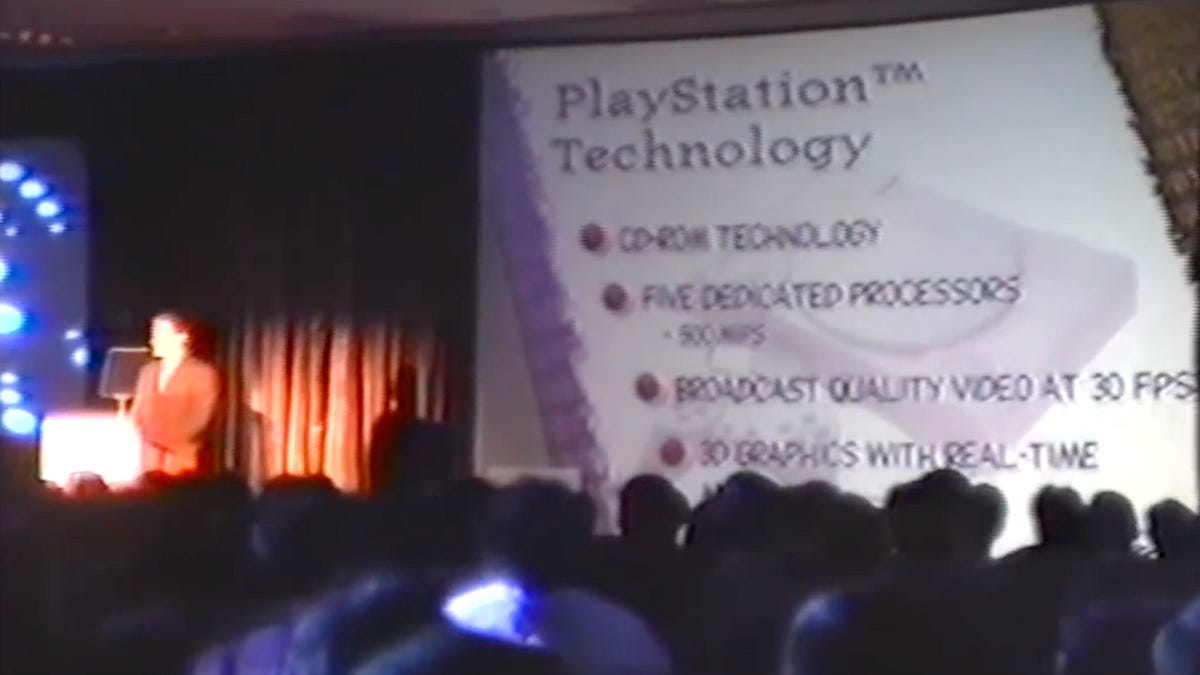
The entry of big tech conglomerates like Amazon and Google into the gaming sector has faced significant criticism regarding their motivations and execution. However, historical context suggests that these moves are consistent with past industry disruptions. Just as Sony and Microsoft leveraged gaming to fortify existing consumer electronics and software ecosystems, modern tech giants are pursuing logical vertical integrations. While current efforts like Google Stadia and Amazon’s early game releases have faced "growing pains" and poor execution, the massive capital investment from these multinationals is essential for driving innovation in an increasingly mainstream market.
The competitive landscape is currently defined by aggressive consolidation and strategic shifts in service models. Sony faces mounting pressure from Tencent, which has evolved from a minor player into a global powerhouse capable of outbidding incumbents for key developers like Leyou. In response, Sony is pivoting toward internal innovation and strategic minority stakes, such as its investments in Bilibili and Epic Games. Meanwhile, Microsoft is repositioning itself by integrating xCloud into its Game Pass Ultimate subscription, prioritizing a low-risk, service-based revenue model over traditional blockbuster hardware sales.
The industry also faces challenges regarding content delivery and platform transparency. The abrupt banning of high-profile streamers and the difficulties of hosting serious social discourse within game environments highlight the friction between platform algorithms and creator stability. Despite these hurdles, the transition toward cloud-based gaming and subscription services remains the primary battlefield. The success of these new platforms will ultimately depend on their ability to move beyond "mediocre filler content" and provide seamless, innovative experiences that justify their massive infrastructure investments.
Insights
- Microsoft is shifting its core business model from traditional hardware sales to a service-based approach by integrating xCloud into its Game Pass Ultimate subscription.
- Tencent has transitioned into a global powerhouse capable of outbidding incumbents for major developers, exemplified by its acquisition of Leyou.
- Sony is responding to increased competition from Tencent by focusing on internal innovation and securing strategic minority stakes in companies like Bilibili and Epic Games.
- Big tech entrants like Amazon and Google are pursuing vertical integration strategies that mirror the historical market entries of Sony and Microsoft, despite initial execution failures like Google Stadia.
- The industry's primary competitive battlefield is shifting toward cloud-based gaming and subscription services, which require high-quality content to justify massive infrastructure investments.