ArticleVideo Games Industry Memo
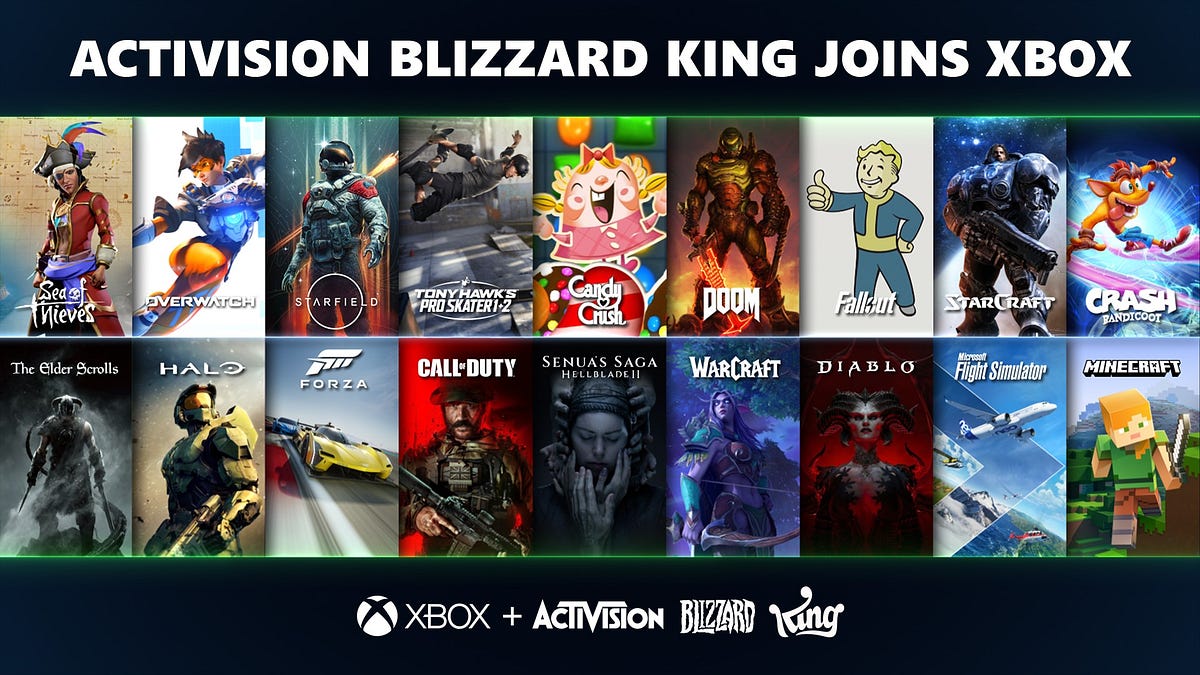
Microsoft’s Acquisition of Activision Blizzard King Reshapes the Global Games Industry
19 Oct 20231 page~12 min full read
Key insights
5 slides
Key number
Microsoft finalized a $69 billion acquisition in October 2023.
The deal closed after nearly two years of regulatory scrutiny. It solidifies Microsoft’s position as the third-largest entity in the sector by revenue.
Deal closed. Microsoft finalized its $69 billion acquisition of Activision Blizzard King in October 2023.
What changed
Microsoft agreed to decade-long concessions to secure regulatory approval.
To satisfy international regulators, Microsoft committed to keeping the Call of Duty franchise on rival platforms for 10 years. It also divested cloud gaming rights to Ubisoft for 15 years.
Portfolio expansion
King’s mobile dominance serves as a key strategic asset.
The acquisition expands Microsoft’s portfolio across console, PC, and mobile platforms. King is viewed as a strong fit for the Game Pass subscription service.
New entrants
Non-traditional entities are shifting into the games industry.
The industry is shifting toward investment from non-traditional entities. These include entertainment conglomerates, technology firms, and sovereign wealth-backed organizations.
Integration risk
Blizzard faces challenges from past scandals and a fractured partnership.
Microsoft faces significant internal integration challenges. Specifically, Blizzard faces challenges related to past corporate scandals and its damaged partnership with Chinese publisher NetEase.
1 / 5
Ask AI about this report