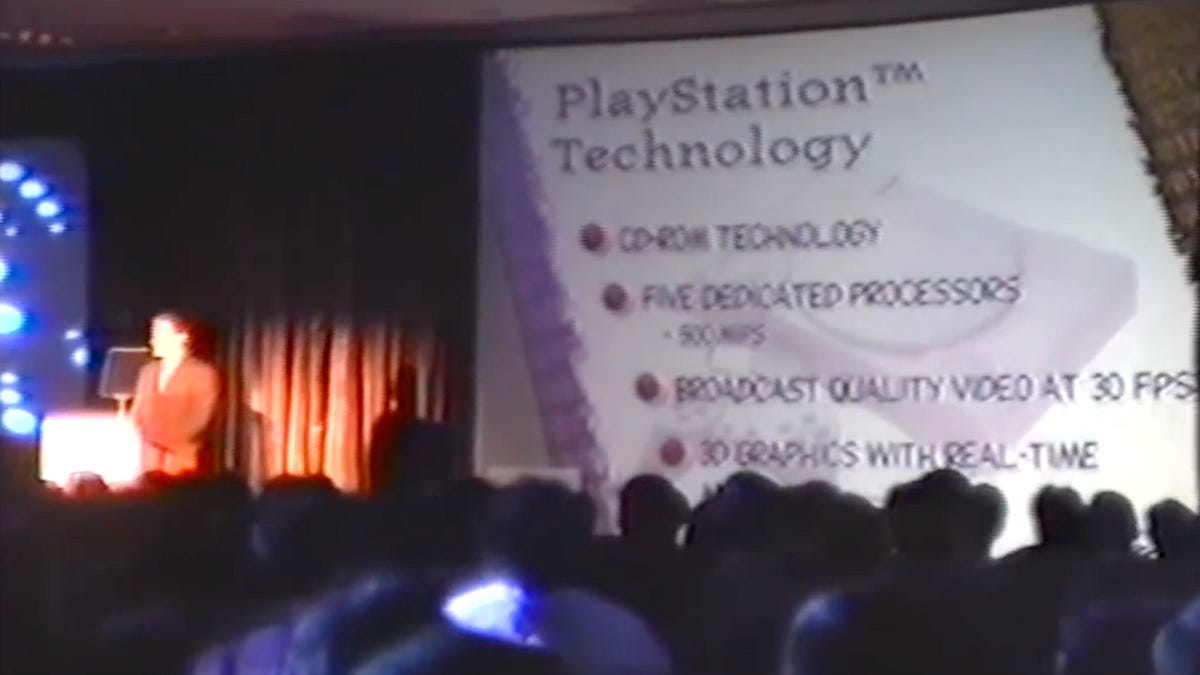
The entry of big tech conglomerates like Amazon and Google into the gaming sector has faced significant criticism regarding their motivations and execution. However, historical context suggests that these moves are consistent with past industry disruptions. Just as Sony and Microsoft leveraged gaming to fortify existing consumer electronics and software ecosystems, modern tech giants are pursuing logical vertical integrations. While current efforts like Google Stadia and Amazon’s early game releases have faced "growing pains" and poor execution, the massive capital investment from these multinationals is essential for driving innovation in an increasingly mainstream market.
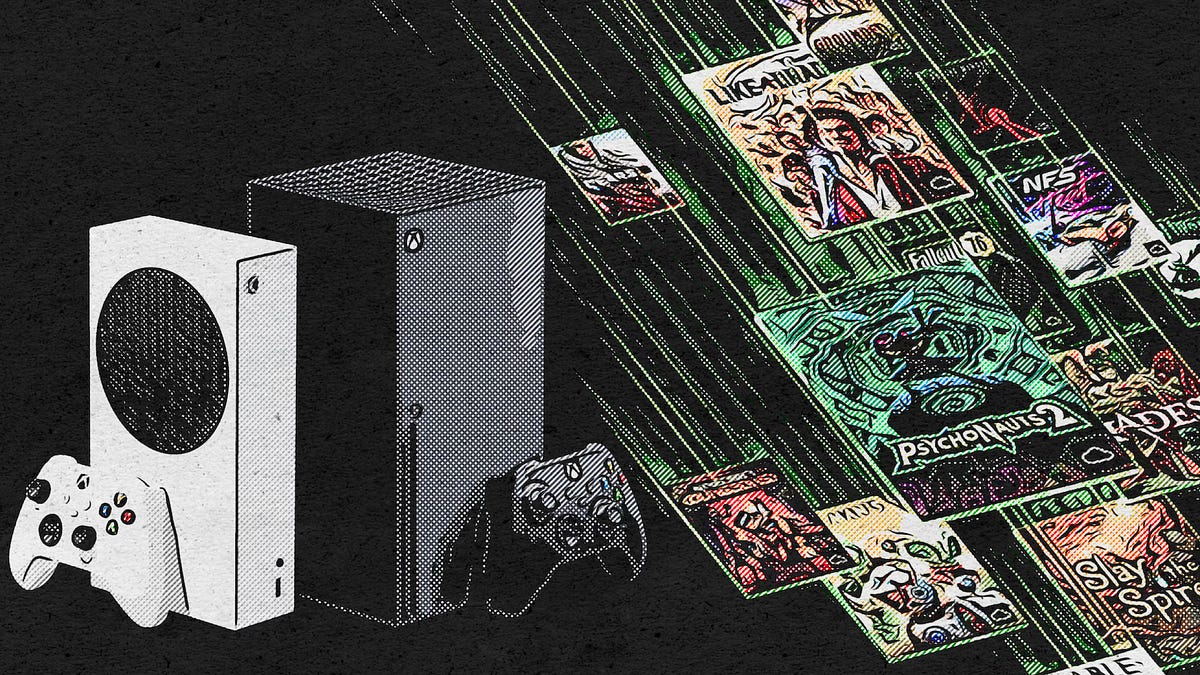
The competitive landscape is currently defined by aggressive consolidation and strategic shifts in service models. Sony faces mounting pressure from Tencent, which has evolved from a minor player into a global powerhouse capable of outbidding incumbents for key developers like Leyou. In response, Sony is pivoting toward internal innovation and strategic minority stakes, such as its investments in Bilibili and Epic Games. Meanwhile, Microsoft is repositioning itself by integrating xCloud into its Game Pass Ultimate subscription, prioritizing a low-risk, service-based revenue model over traditional blockbuster hardware sales.
The industry also faces challenges regarding content delivery and platform transparency. The abrupt banning of high-profile streamers and the difficulties of hosting serious social discourse within game environments highlight the friction between platform algorithms and creator stability. Despite these hurdles, the transition toward cloud-based gaming and subscription services remains the primary battlefield. The success of these new platforms will ultimately depend on their ability to move beyond "mediocre filler content" and provide seamless, innovative experiences that justify their massive infrastructure investments.
SuperJoost · 2026

SuperJoost · 2026
SuperJoost · 2026
SuperJoost · 2026
SuperJoost · 2026

SuperJoost · 2026
SuperJoost · 2026

SuperJoost · 2026
SuperJoost · 2026
SuperJoost · 2026
SuperJoost · 2026
SuperJoost · 2026
Ampere Analysis · 2023
Aream & Co · 2026
Drake Star Partners · 2026
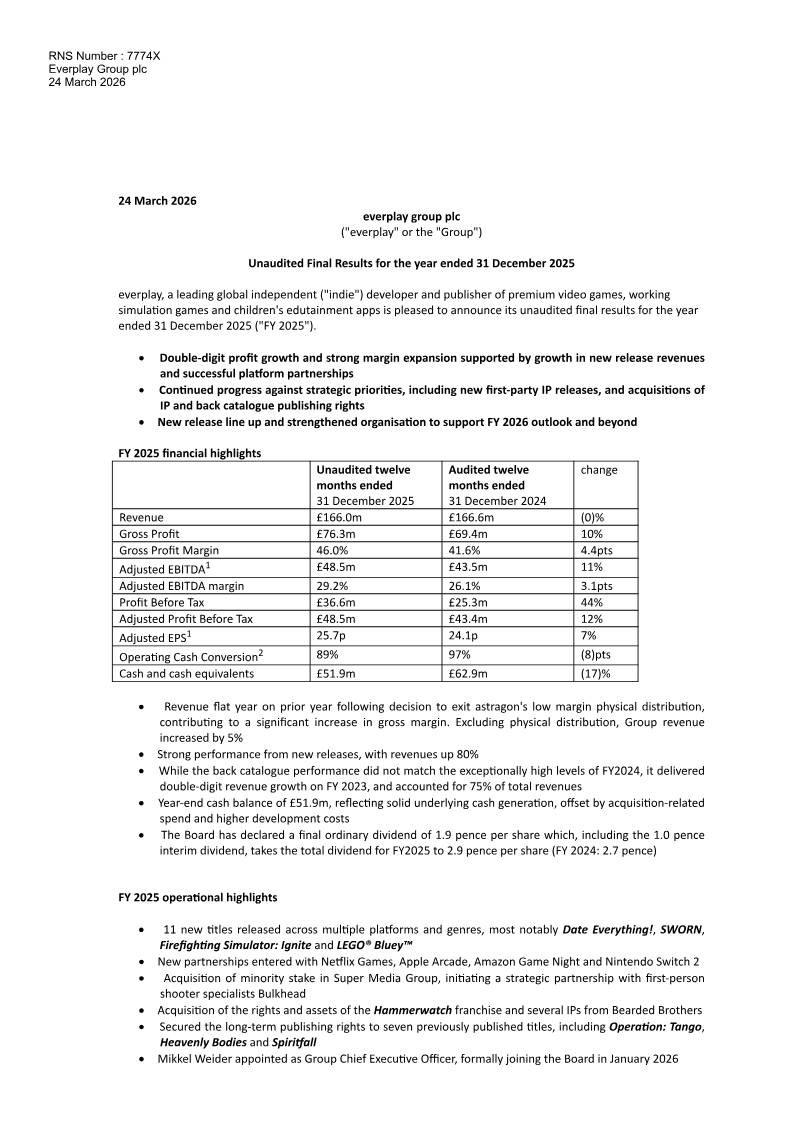
Everplay Group · 2026

Modern Times Group · 2026
Drake Star Partners · 2025
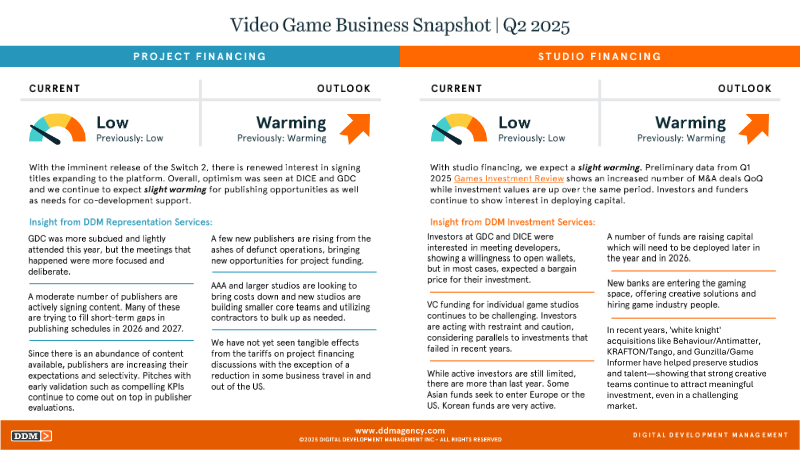
DDM · 2025
Drake Star Partners · 2025
Drake Star Partners · 2025
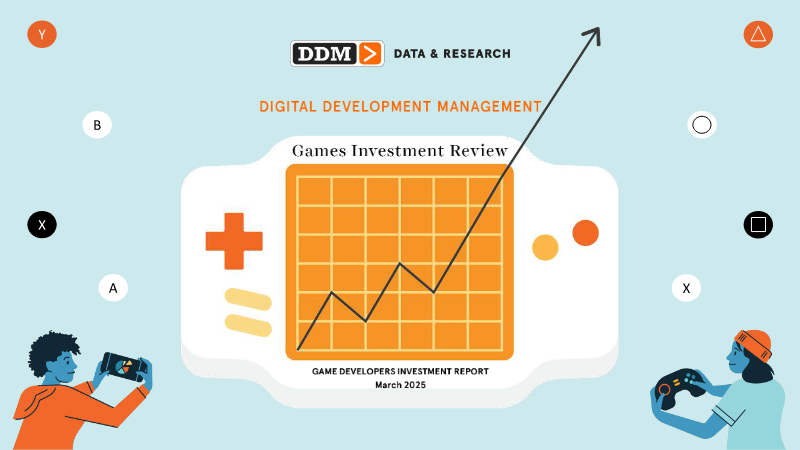
DDM · 2025
Thunderful · 2025
Digital Development Management · 2025