This analysis explores the volatile state of the video game industry in late 2020, centered on the controversial launch of Cyberpunk 2077. The primary thesis suggests that the game’s rocky release—characterized by technical failures, broken "no-crunch" promises, and a 33% drop in CD Projekt Red’s market value—reflects a systemic shift toward unsustainable labor practices and corporate negligence. Despite these internal failures, the game remained immediately profitable, leading to concerns that the industry may be moving toward a future where consumer trust is secondary to hype-driven capital.
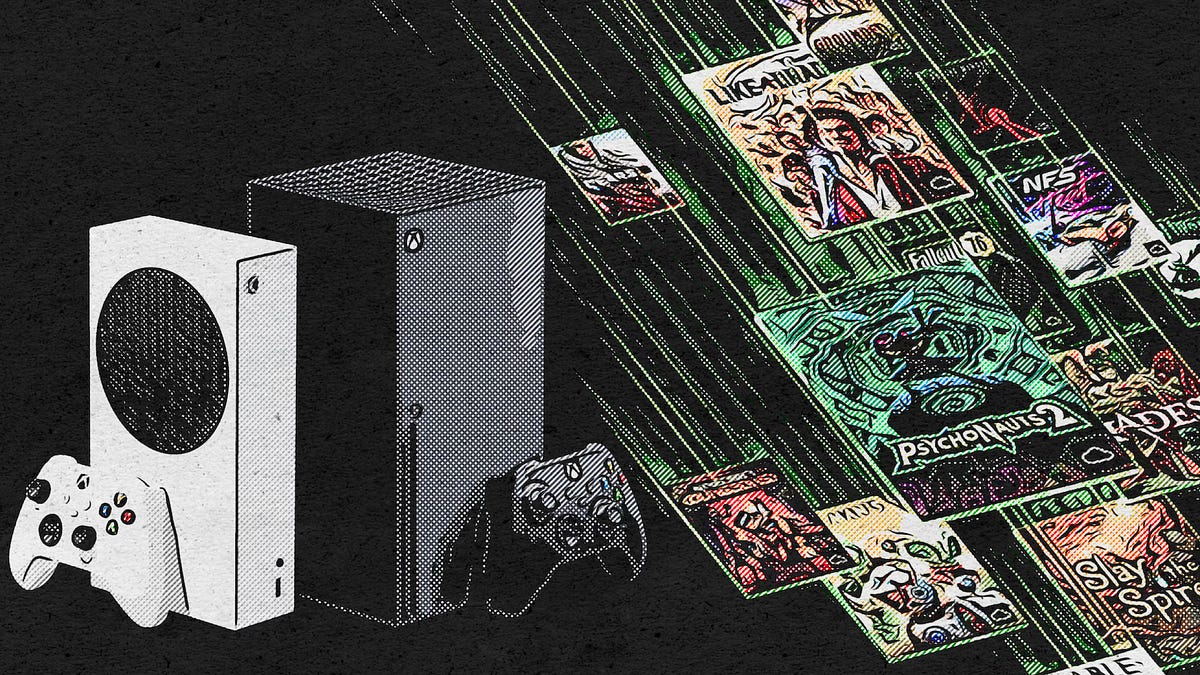
The scope of the commentary extends beyond a single title to cover broader industry trends, including major mergers and acquisitions, cloud technology, and market performance. Key data points highlight a period of massive financial growth: Sony’s PS5 and Microsoft’s Xbox Series X/S launched successfully with 1.1 million and 796,000 units sold in November respectively, while the Nintendo Switch led the market with 1.3 million units. Total hardware spending rose 58% year-over-year to $1.4 billion, and mobile spending reached $112 billion, a 25% increase.
The analysis also identifies a strategic "arms race" for intellectual property and technological innovation. This is evidenced by Electronic Arts’ $1.2 billion acquisition of Codemasters to bolster its sports portfolio and Sony’s $1.2 billion purchase of Crunchyroll to consolidate its entertainment empire. Furthermore, the emergence of "native cloud games" like Rival Peak is noted as a significant evolution from traditional streaming, moving toward Massive Interactive Live Events (MILEs) that allow for true audience agency. Ultimately, the industry is depicted as being at a crossroads between institutionalizing ethical labor standards and accepting a high-growth, high-pressure corporate model.
SuperJoost · 2026

SuperJoost · 2026
SuperJoost · 2026
SuperJoost · 2026
SuperJoost · 2026
SuperJoost · 2026
SuperJoost · 2026

SuperJoost · 2026
SuperJoost · 2026
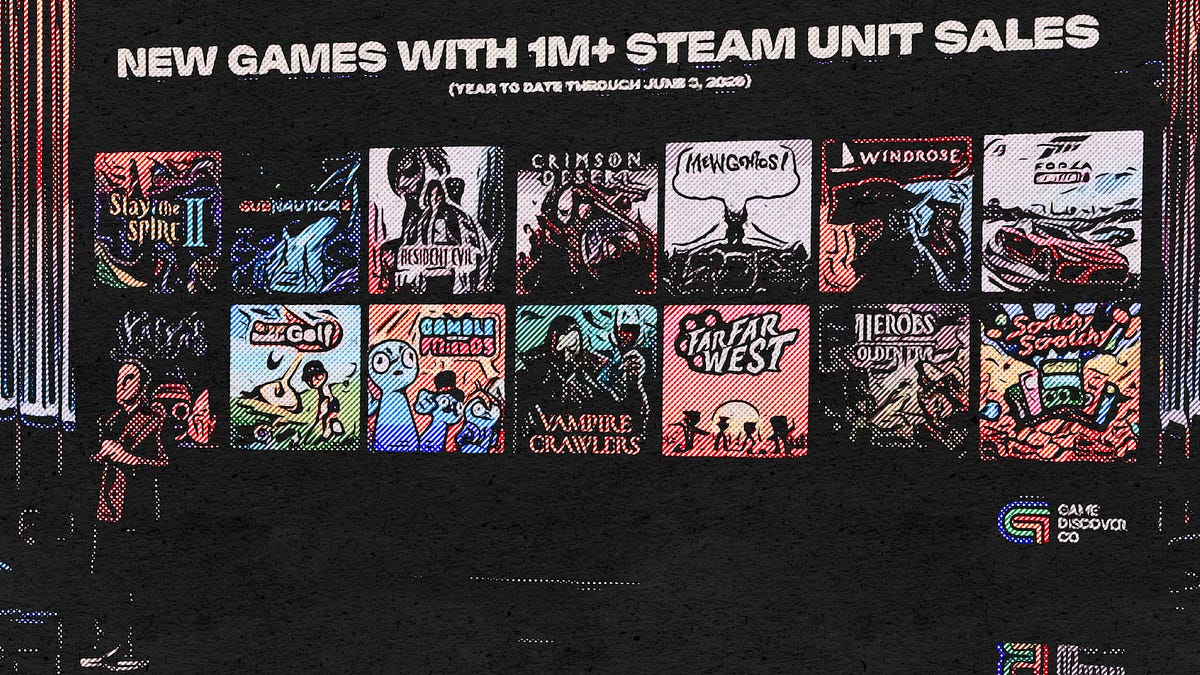
SuperJoost · 2026

SuperJoost · 2026
SuperJoost · 2026

Aream & Co · 2026

Drake Star Partners · 2026
Modern Times Group · 2026

Drake Star Partners · 2025
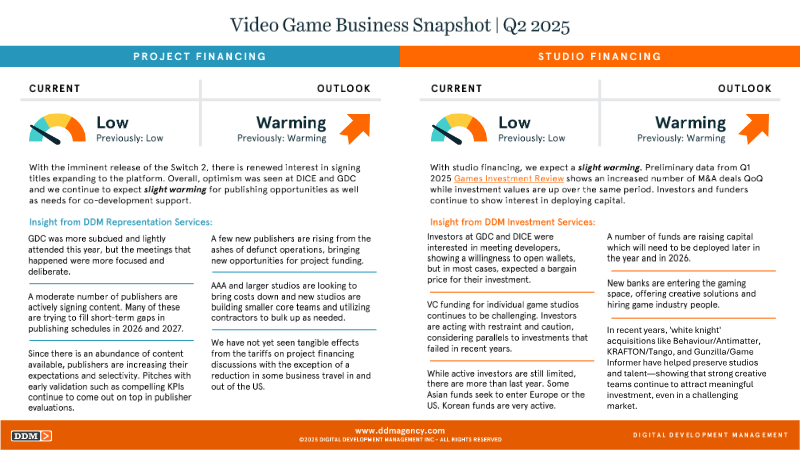
DDM · 2025

Drake Star Partners · 2025

Drake Star Partners · 2025
Digital Development Management · 2025

Thunderful · 2025
DDM · 2025
DDM · 2025
Aream & Co · 2025