
ArticleSuperJoost
Taxman Don't Playeth: How Tariffs Could Reshape the US Games Market
20 Nov 2024~10 min full read
Proposed protectionist trade policies from the incoming U.S. administration, specifically the implementation of significant tariffs on consumer electronics, threaten to fundamentally restructure the $42 billion domestic video game hardware market. With over 96% of video game consoles currently manufactured in China, analysis from the Consumer Technology Association suggests that new import taxes could increase retail prices by approximately 40%, or an average of $246 per unit. Because the games industry has already faced record layoffs—exceeding 14,200 in 2024—manufacturers have little room to absorb these costs, making it highly probable that the financial burden will be passed directly to consumers.
The timing of these tariffs is particularly critical as Sony, Microsoft, and Nintendo prepare to transition to next-generation hardware. Projections for U.S. console sales from 2025 to 2030 outline three scenarios: a "bull case" of 17.5 million peak units without tariffs, a "mid-case" contraction to 14.6 million units under 20% tariffs, and a "bear case" where 60% tariffs collapse the market to 7.8 million units—volumes not seen since the early 2000s. Such a contraction would likely end the traditional cyclical growth of the console sector and permanently alter its role in American gaming culture.
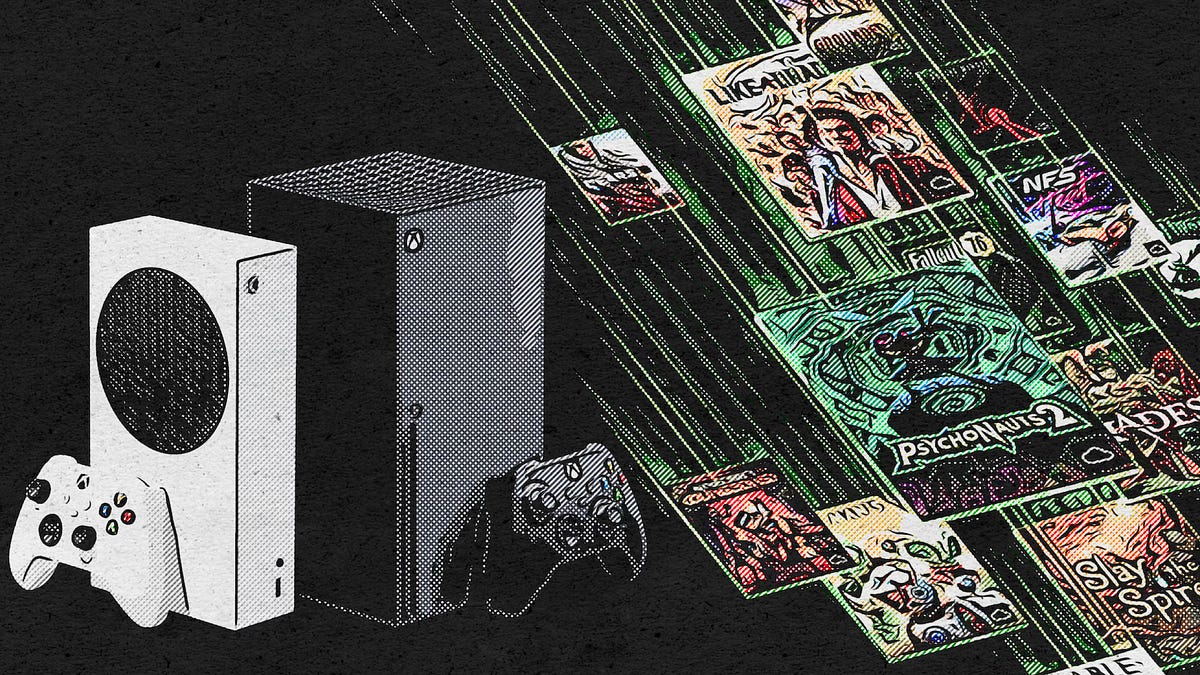
In response to these economic pressures, the industry is expected to accelerate its shift toward hardware-independent distribution. Microsoft is positioned to benefit by leveraging its cloud infrastructure and subscription services to bypass physical hardware costs. Sony will likely focus on transmedia initiatives, intellectual property acquisitions, and lower-cost accessories to extend the lifecycle of its existing install base. Ultimately, while a short-term sales "blowout" may occur as consumers rush to buy hardware before tariffs take effect, the long-term result will be a forced evolution toward digital streaming, cloud gaming, and diversified monetization strategies like advertising.
SuperJoost · 2026

SuperJoost · 2026
SuperJoost · 2026

SuperJoost · 2026

SuperJoost · 2026
SuperJoost · 2026
SuperJoost · 2026

SuperJoost · 2026

SuperJoost · 2026
SuperJoost · 2026

SuperJoost · 2026
SuperJoost · 2026
Niko Partners · 2026

game · 2026
InvestGame · 2026
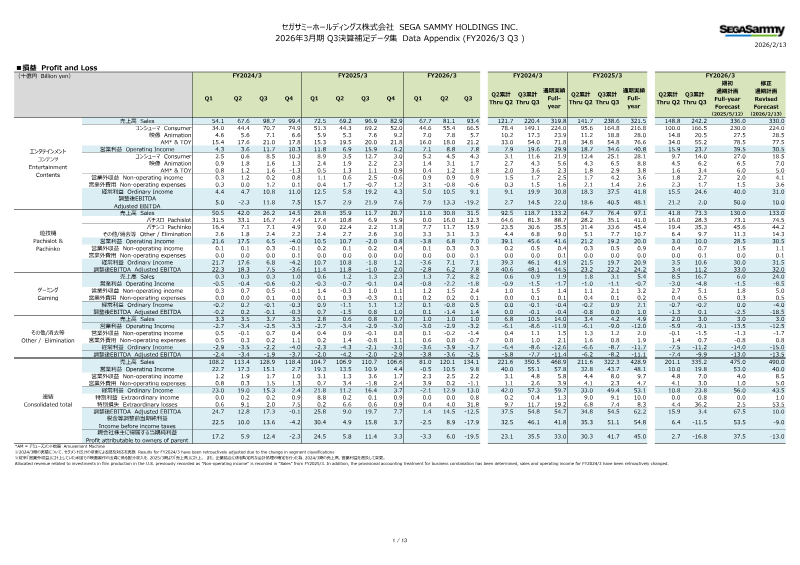
Sega Sammy Holdings · 2026

Kadokawa Corporation · 2026
Newzoo · 2026
InvestGame · 2026
InvestGame · 2026
Aream & Co · 2026
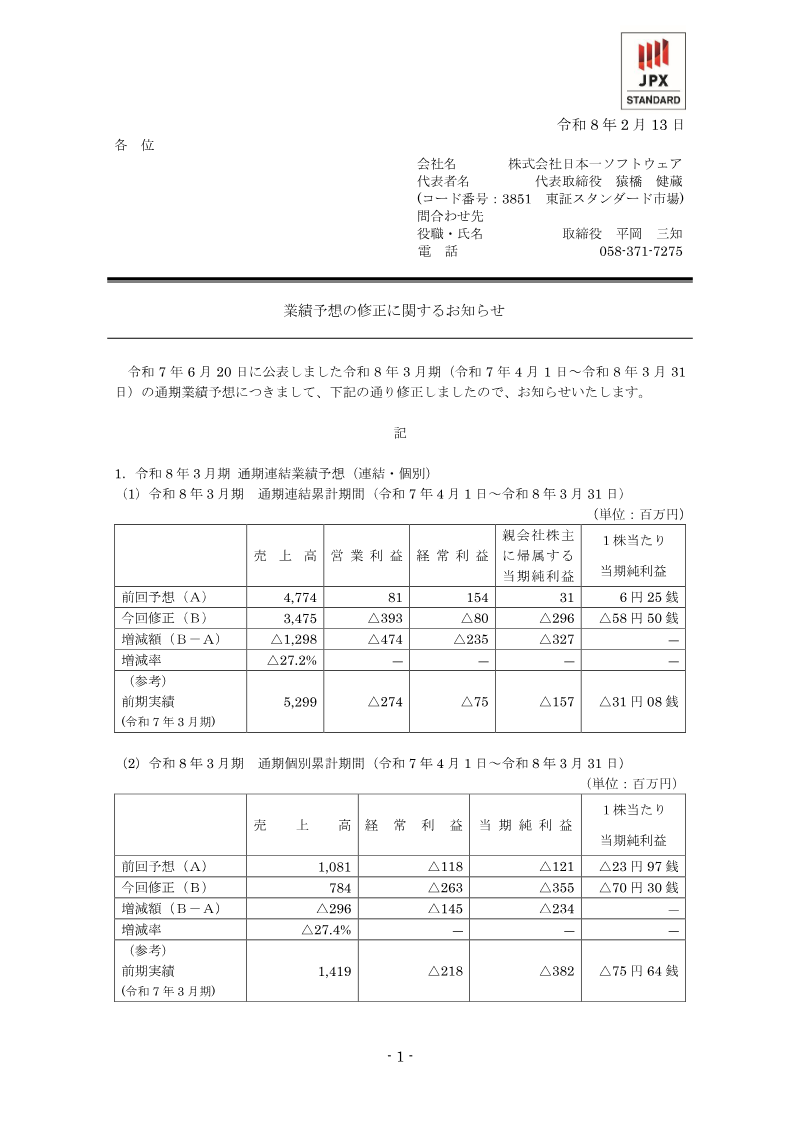
Nippon Ichi Software · 2026
Take-Two Interactive · 2026
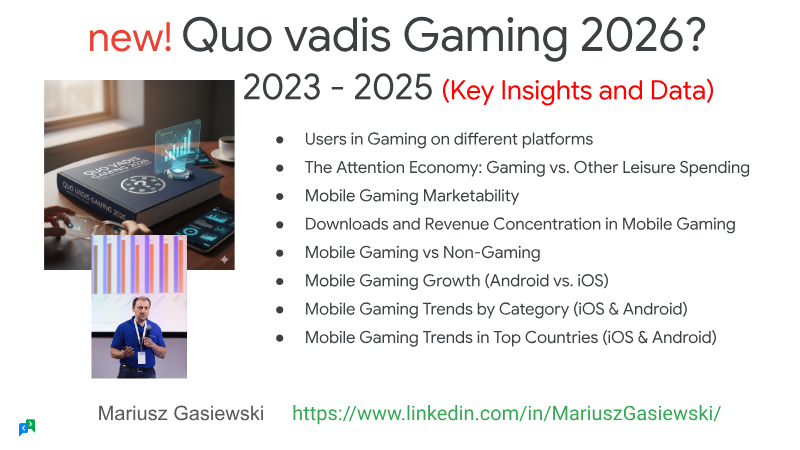
InvestGame · 2026