Electronic Arts ended its 30-year partnership with FIFA after refusing to pay a requested $300 million licensing fee, signaling a shift in power where developers now hold more leverage than governing bodies.
EA successfully transitioned its flagship franchise to EA Sports FC by leveraging its proprietary engine, established player base, and independent licensing agreements with individual leagues and players.
The shift demonstrates that EA’s self-sustaining ecosystem, particularly the lucrative Ultimate Team mode, has rendered the FIFA brand name unnecessary for maintaining market dominance and commercial momentum.
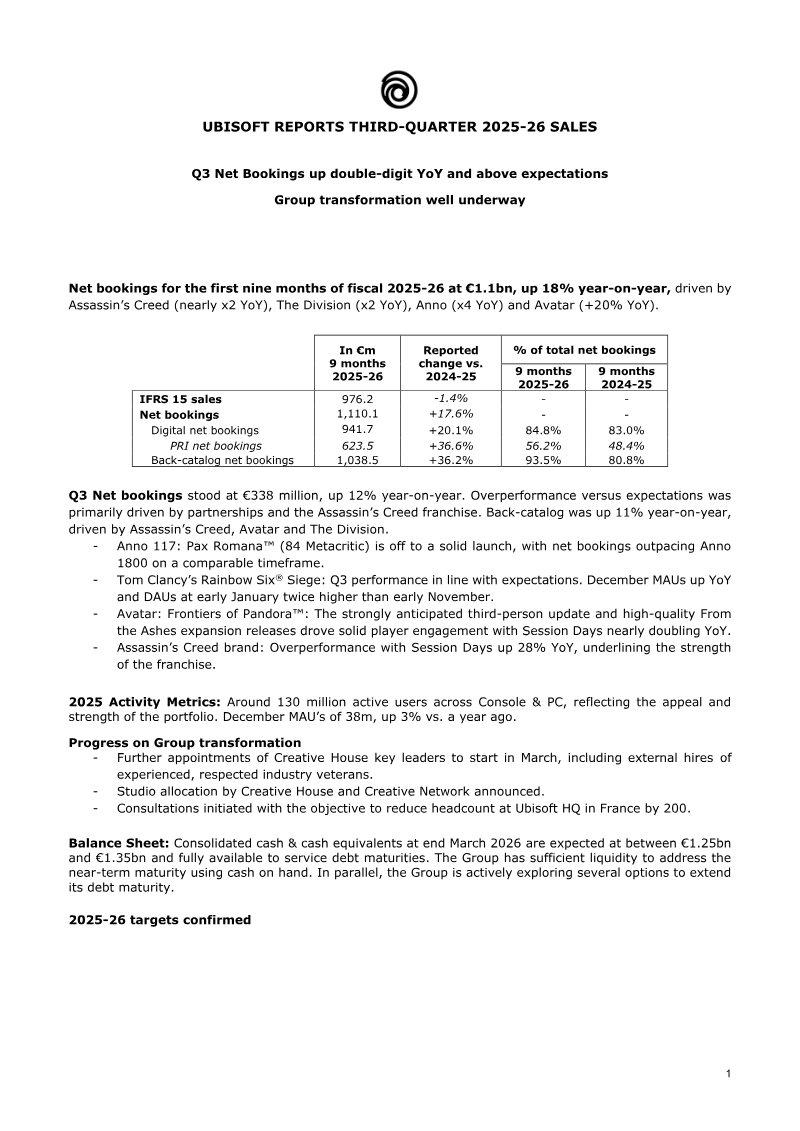
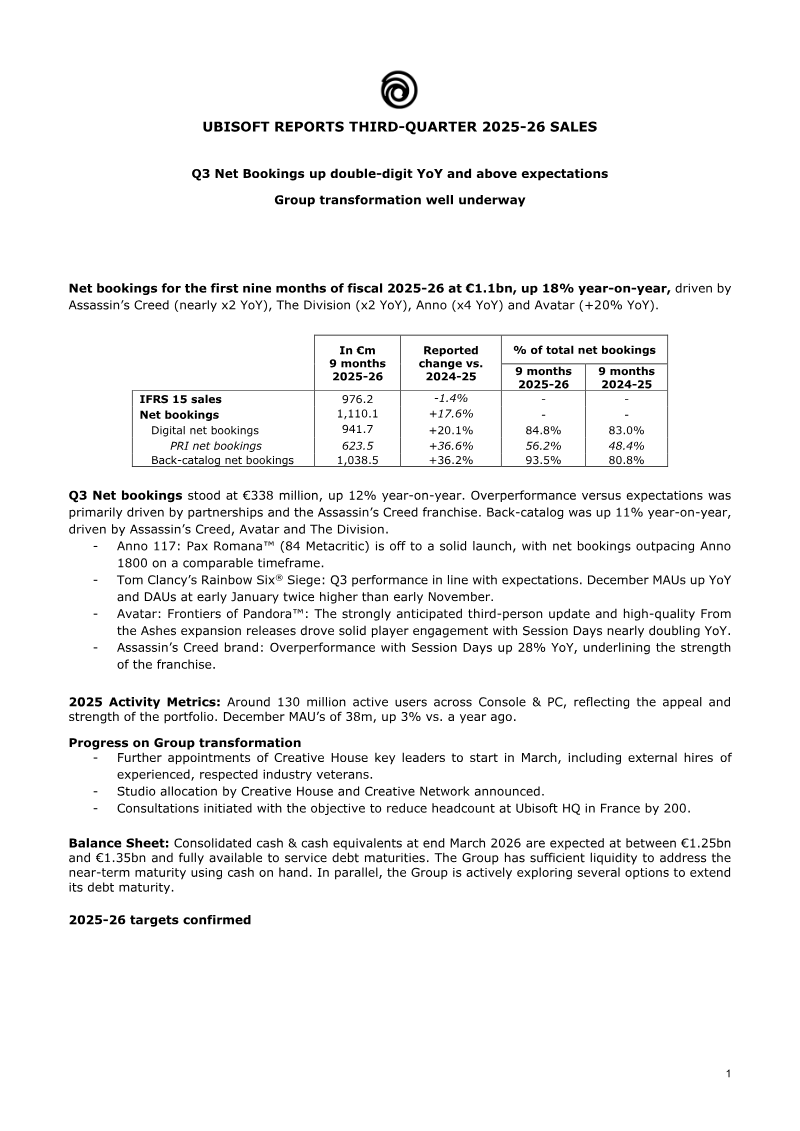
The UK’s Competition and Markets Authority provisionally cleared Microsoft’s acquisition of Activision Blizzard following a restructured cloud gaming deal that involves Ubisoft.
SAG-AFTRA members have authorized strike action against major game publishers, citing critical concerns regarding fair compensation and the implementation of artificial intelligence.
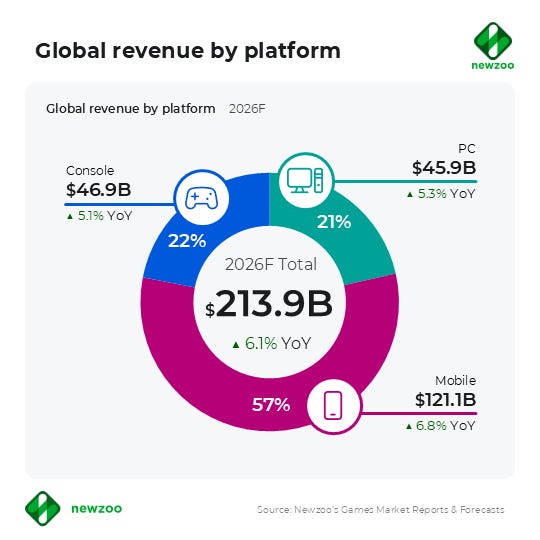
The global games industry is maturing as platform holders and developers increasingly dictate terms of engagement with external partners and navigate evolving regulatory landscapes.
The transition of Electronic Arts’ flagship football franchise from the FIFA brand to EA Sports FC marks a significant shift in the power dynamics between game publishers and external governing bodies. Following a thirty-year partnership, EA opted to end the relationship after balking at a requested $300 million licensing fee. This decision underscores a broader industry trend where established game developers now hold more leverage than the brands they license, primarily due to their control over proprietary engines, extensive secondary licensing ecosystems, and direct relationships with massive player bases.
Historically, the FIFA name provided essential credibility to EA’s early efforts in the 1990s. However, the publisher has since built a self-sustaining ecosystem, notably through the lucrative Ultimate Team mode and individual partnerships with leagues and players. While FIFA’s brand value suffered from high-profile corruption scandals and mismanagement, EA’s market dominance grew, allowing it to maintain its annual release momentum without the governing body's name. Early market indicators suggest the rebrand has not hindered commercial success, while FIFA has struggled to find new avenues for digital engagement.
Beyond the football sector, the industry is experiencing significant structural changes and labor movements. Regulatory shifts are evident as the UK’s Competition and Markets Authority provisionally cleared Microsoft’s acquisition of Activision Blizzard following a restructured cloud gaming proposal involving Ubisoft. Simultaneously, labor tensions are rising, evidenced by SAG-AFTRA members authorizing strike action against major publishers over concerns regarding artificial intelligence and fair compensation. These developments reflect a maturing global games economy where platform holders and developers are increasingly dictating the terms of engagement with external partners and the broader commercial landscape.