Key insights
5 slides
Core pattern
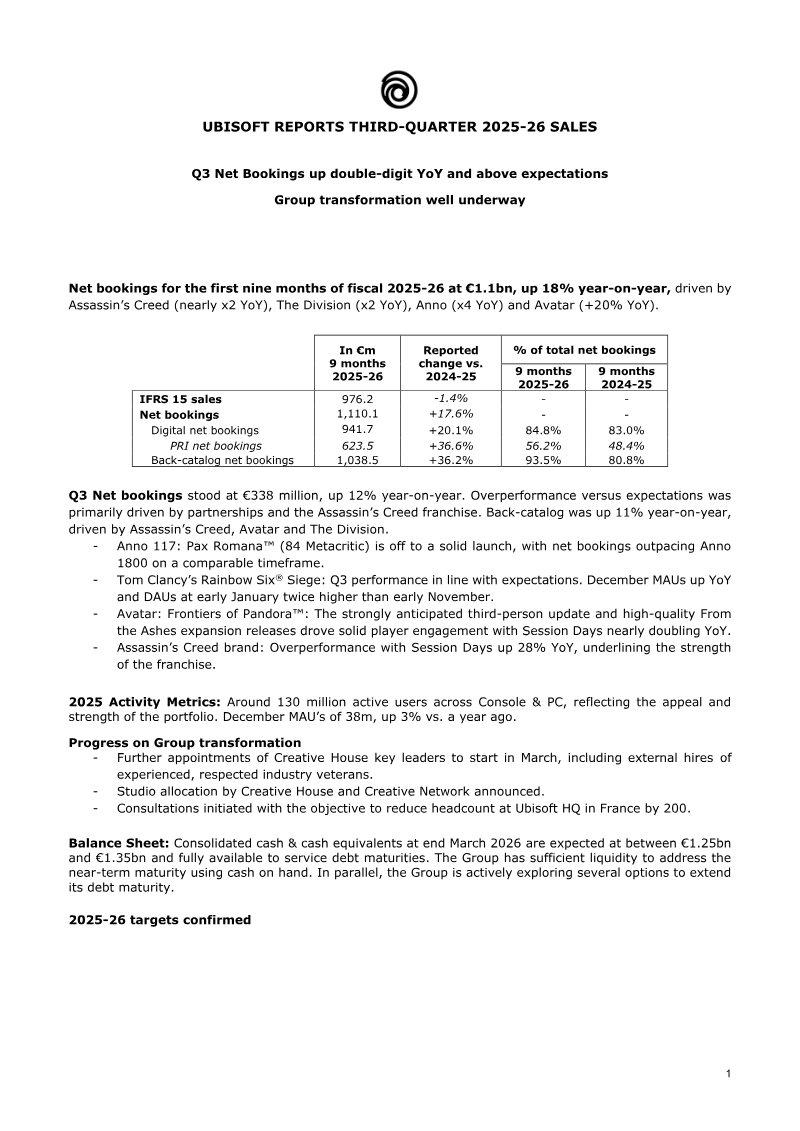
Gaming maintains growth during broader economic contractions.
The video game industry exhibits a distinct counter-cyclical pattern. Consumers reallocate time and financial resources toward gaming during downturns.
Hardware demand
Major players maintain profitability despite inflationary pressures.
High demand for premium-priced hardware like the Nintendo Switch 2 and Sony's PlayStation 5 pricing strategy shows brand resilience. Firms leverage this to maintain profitability despite tariff-related costs.
Digital insulation
Digital distribution models insulate firms from macro volatility.
Companies that transitioned to digital distribution models, such as Electronic Arts and Take-Two, are better insulated from macroeconomic volatility.
Spending share
Entertainment's household spending share remains elevated post-pandemic.
Entertainment's share of household spending increased during the COVID-19 pandemic. It remains elevated compared to pre-recession norms from the 2007–2009 financial crisis.
Strategic shift
The industry shifts from content innovation to distribution models.
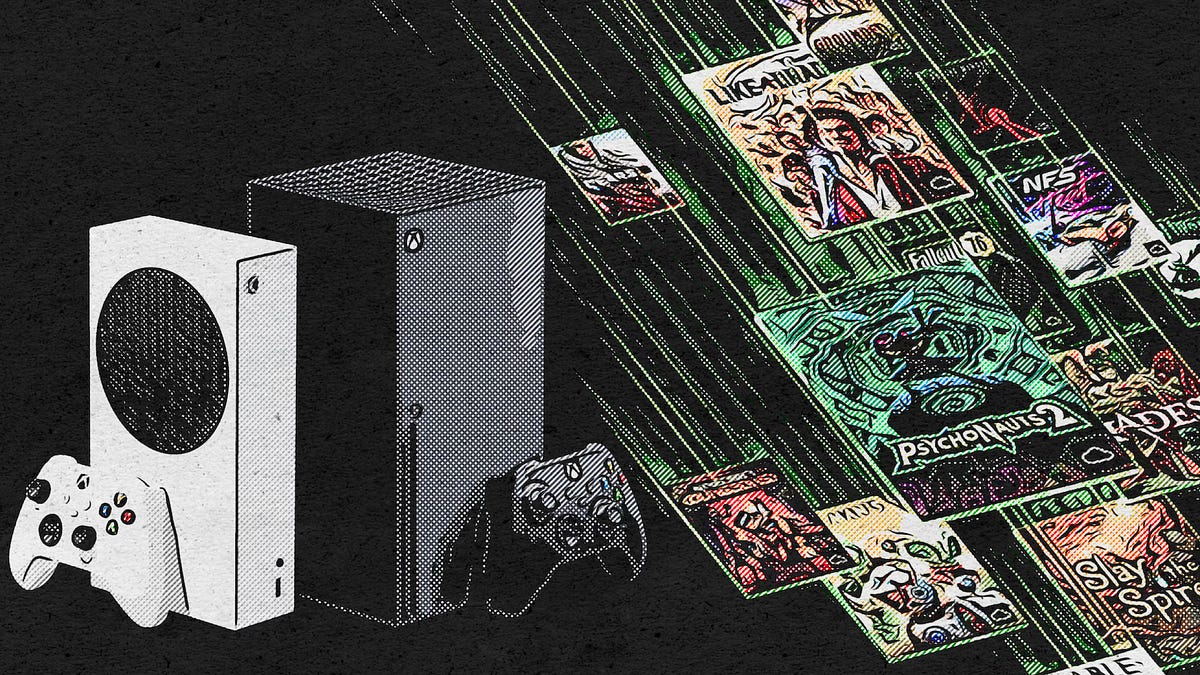
The industry is experiencing a strategic shift from content-focused innovation toward distribution-focused models, including subscription services and cloud gaming. This transition creates new opportunities for growth.
1 / 5
Ask AI about this report