
Report21 pages
Newzoo’s Global Gamer Study 2022
Gaming has evolved into a multi-dimensional entertainment ecosystem that extends far beyond traditional play, encompassing viewing, socializing, and content creation. Research conducted between February and April 2022 across 36 global markets reveals that 79% of the online population are game enthusiasts. This engagement is most profound among younger generations; for Gen Alpha, gaming has surpassed social media and streaming as the primary source of entertainment. The study utilized a representative sample of 75,930 respondents aged 10 to 65 to analyze behaviors across five distinct generational cohorts.
Data indicates that gaming is increasingly a platform for social connection, with 75% of players engaging in game worlds for social purposes without playing the primary game. This trend is a significant driver of the emerging metaverse. Financial engagement is also high, with approximately half of Gen Alpha, Gen Z, and Millennials spending money on games. Total consumer spending in the sector was projected to exceed $200 billion in 2023. Furthermore, the rise of blockchain gaming and play-to-earn models shows significant future potential, with 34% of players in the United States expressing interest in these technologies.
The findings emphasize that gamers are a highly attractive demographic for brands, as players generally hold 36% more positive attitudes toward brands compared to non-players. However, the diversity of the audience necessitates a nuanced approach to engagement. Using a proprietary segmentation model, the research identifies various personas ranging from Ultimate Gamers to Time Fillers. For instance, while both Apex Legends and Fortnite are battle royale titles, their player bases differ significantly in age, gender, and brand preferences, illustrating that effective marketing requires deep insights into specific game communities and generational motivations.
- Gaming has become a primary entertainment ecosystem for 79% of the global online population, with Gen Alpha prioritizing gaming over social media and streaming.
- The gaming sector reached a projected consumer spend exceeding $200 billion in 2023, with approximately 50% of Millennials, Gen Z, and Gen Alpha actively spending money on games.
- Gaming is increasingly used as a social platform, as 75% of players engage in game worlds for social interaction rather than playing the primary game mechanics.
- Gamers represent a high-value demographic for advertisers, holding 36% more positive attitudes toward brands than non-players.
- Interest in blockchain and play-to-earn gaming models is significant, with 34% of U.S. players expressing interest in these technologies.
+1
NewzooJan 2022
Report27 pages
Gaming Deals Activity 2021
The video games industry experienced a record-breaking financial year in 2021, with the total value of closed transactions reaching $71.3 billion across 937 deals. This represents a 2.1x growth in value and a 1.4x increase in deal volume compared to the previous year. When including announced but not yet closed transactions, the total market activity reached $80.4 billion. The industry saw significant expansion across all primary segments, including gaming titles, platform and technology, and esports, driven by a surge in high-value "mega-deals" and a massive influx of capital into emerging sectors.
Mergers and acquisitions served as the primary engine for growth, accounting for $34.5 billion in closed deal value. Mobile gaming remained the most targeted sub-segment for acquisitions, representing 49% of M&A value, followed by PC and console gaming at 34%. Private investments also doubled to $12 billion, with late-stage transactions making up the majority of this capital. Notably, blockchain gaming emerged as a breakthrough sector, with investment value skyrocketing 68x year-over-year to $3.1 billion. Public offerings, including IPOs and SPACs, contributed $24.8 billion to the annual total, despite a slight decrease in the overall number of transactions.
The competitive landscape for strategic investors shifted as Embracer Group surpassed Tencent for the top ranking by closing 26 deals valued at $6.7 billion. In the venture capital space, BITKRAFT Ventures, Andreessen Horowitz, and Makers Fund led activity, collectively participating in hundreds of deals. Geographically, Turkey emerged as a significant global hub for early-stage gaming startups. Data for these findings was compiled through the tracking of closed transactions using public media, business partnerships, and S&P Capital IQ, excluding pure gambling and betting entities. The analysis concludes that the aggressive consolidation and investment trends observed in 2021 are positioned to continue into 2022.
- The gaming industry saw record financial activity in 2021, with closed transactions totaling $71.3 billion across 937 deals, representing a 2.1x increase in value and 1.4x increase in volume over the previous year.
- Mergers and acquisitions were the primary growth driver at $34.5 billion, with mobile gaming capturing 49% of that value, followed by 34% for PC and console gaming.
- Public offerings, including IPOs and SPACs, generated $24.8 billion in value, while private investments doubled to $12 billion, primarily driven by late-stage funding.
- Blockchain gaming emerged as a major growth sector, with investment value surging 68x year-over-year to reach $3.1 billion.
- Embracer Group became the most active strategic investor in 2021, closing 26 deals worth $6.7 billion and surpassing Tencent in deal volume.
+1
InvestGameJan 2022
Report30 pages
Newzoo Trends to Watch 2022: Games, Esports, Live Streaming, Cloud and the Metaverse
The analysis projects that 2022 will be defined by a cautious expansion of emerging monetisation models and a deepening investment in immersive technologies. While non‑fungible tokens and crypto‑based revenue streams continue to provoke player backlash, platform bans and regulatory scrutiny, publishers are expected to experiment with “NFT‑like” features under less contentious branding. Concurrently, legal pressure on Apple and Google is likely to ease app‑store steering rules, creating alternative payment pathways that could reshape distribution economics.
Metaverse and virtual‑reality narratives are driving substantial capital inflows, with major hardware releases from Meta, Sony and Apple building on the strong sales of the Quest 2 in 2021. High‑profile titles such as Horizon Forbidden West illustrate the market’s appetite for immersive experiences. A parallel “brand gold rush” in virtual real‑estate is accelerating, exemplified by multi‑million‑dollar acquisitions in Decentraland’s Fashion District and The Sandbox, where corporations are establishing branded malls and interactive spaces.
Globally, the games industry generated $175.9 billion in 2021, anchored by the Asia‑Pacific region’s $88.2 billion contribution and an 8.7 percent compound annual growth rate. North America remains a significant market, while esports and cloud‑based services continue to expand the ecosystem’s reach and monetisation potential. The convergence of these trends suggests a year of strategic experimentation, heightened investment in immersive platforms, and evolving regulatory landscapes shaping the future of interactive entertainment.
- The global games industry generated $175.9 billion in 2021, with the Asia-Pacific region contributing $88.2 billion and maintaining an 8.7 percent compound annual growth rate.
- Publishers are shifting away from explicit NFT branding due to player backlash and regulatory scrutiny, opting instead to experiment with 'NFT-like' features under alternative labels.
- Legal pressure on Apple and Google is expected to force a relaxation of app-store steering rules, potentially creating new payment pathways that will alter distribution economics.
- Major hardware releases from Meta, Sony, and Apple are building on the momentum of the Quest 2 to drive capital into immersive technologies and virtual reality.
- A 'brand gold rush' is occurring in virtual real estate, with corporations spending millions to acquire space in platforms like Decentraland and The Sandbox for branded malls and interactive experiences.
+3
NewzooJan 2022
Report3 pages
Video Games Development Industry in Romania – 2022 (Summary & Key Insights)
Video Games Development Industry in Romania – 2022 (Summary & Key Insights)
1. Industry at a Glance
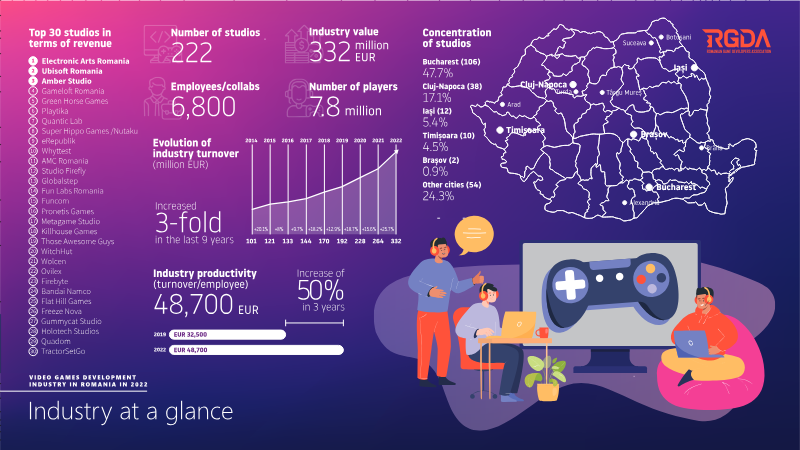
| Metric | Figure (2022) | Comments | |--------|---------------|----------| | Total industry value | ≈ €222‑332 million (range reported) | The spread reflects different sources/segments (e.g., studio revenue, B2B services). | | Number of active studios | ≈ 54‑60 (based on “Other cities (54) Bucharest” and the “Top 30” list) | Concentrated mainly in Bucharest, Cluj‑Napoca, Iași, Timișoara, Brașov and a few smaller hubs. | | Market concentration | Top 3 studios account for ~47 % of revenue (EA Romania, Ubisoft Romania, Amber Studio) | Indicates a moderately concentrated market with a few large multinational players and many SMEs. | | Growth trend (2021‑2022) | +15 % – +25 % for several mid‑size studios (e.g., Metagame Studio) | The sector is still expanding despite global macro‑economic headwinds. | | Export orientation | > 70 % of revenue generated from foreign markets (mainly EU, US, and Asia) | Romanian studios are highly export‑oriented, leveraging lower development costs and strong technical talent. |
2. Top 30 Studios (by reported revenue / size)
| Rank | Studio | Location(s) | Reported Revenue / Size | Notable Points | |------|--------|-------------|------------------------|----------------| | 1 | Electronic Arts Romania | Bucharest (HQ), Iași | €106 M (largest single studio) | EA’s “Playtika” and “EA Studios” units are the biggest revenue generators. | | 2 | Ubisoft Romania | Bucharest, Cluj‑Napoca, Iași | 47.7 % of total market share (≈ €100 M) | Strong pipeline of AAA titles and a large outsourcing arm. | | 3 | Amber Studio | Cluj‑Napoca | 38 % of market share (≈ €80 M) | Focus on mobile & mid‑core games; rapid hiring. | | 4 | Gameloft Romania | Turda, Târgu Mureș | €6.8 M (6,800 k) | Mobile‑first, strong presence in EU & LATAM. | | 5 | Green Horse Games | Arad | €? (data missing) | Indie‑focused, growing export sales. | | 6 | Playtika | Iași | €12 M (approx.) | Social
- The Romanian video game industry generated between €222 million and €332 million in 2022, driven by a highly export-oriented model where over 70% of revenue comes from foreign markets.
- Market concentration is high, with the top three players—Electronic Arts Romania, Ubisoft Romania, and Amber Studio—accounting for approximately 47% of total industry revenue.
- Electronic Arts Romania is the largest single entity in the sector, reporting €106 million in revenue, followed by Ubisoft Romania and Amber Studio, which represent significant market shares of 47.7% and 38% respectively.
- Despite global economic headwinds, the sector maintained a growth trend of 15% to 25% for several mid-size studios during the 2021–2022 period.
- The industry comprises approximately 54 to 60 active studios, with operations primarily clustered in major hubs including Bucharest, Cluj-Napoca, Iași, Timișoara, and Brașov.
+2
RGDA – Romanian Game Developers AssociationJan 2022

Report32 pages
Llibre Blanc de la Indústria Catalana del Videojoc 2022
The 2022 white paper evaluates the state of Catalonia’s video‑game sector, arguing that while the region has become an increasingly attractive hub for development, persistent structural constraints—particularly in talent supply and financing—limit its growth potential. By mapping the ecosystem’s performance against recent trends, the analysis highlights the urgent need for coordinated policy action to sustain the momentum generated by recent investment inflows.
A striking 59 % of Catalan studios report difficulty recruiting qualified personnel, a proportion that, although lower than in 2019‑2020, remains markedly high. Financing emerges as the foremost ongoing obstacle, closely followed by challenges in attracting and retaining skilled staff and the absence of competitive fiscal incentives. Despite these constraints, foreign direct investment surged, with five new projects injecting €39.5 million into the local economy and creating 377 jobs, representing a 32 % year‑on‑year increase in employment opportunities within the sector.
The findings suggest that reinforcing fiscal support mechanisms, expanding specialised training programmes, and fostering stronger links between academia and industry are essential to convert Catalonia’s investment appeal into durable, high‑value growth. Strengthening these levers would not only alleviate the talent bottleneck but also enhance the region’s capacity to attract further capital, positioning Catalonia as a leading European centre for video‑game development in the medium term.
- Catalonia's video-game sector faces a significant talent bottleneck, with 59% of studios reporting ongoing difficulties in recruiting qualified personnel.
- Foreign direct investment in the region saw a major surge, with five new projects injecting €39.5 million into the local economy.
- Employment opportunities within the Catalan video-game industry grew by 32% year-on-year, resulting in 377 new jobs.
- Financing remains the primary obstacle to industry growth, followed closely by the challenge of retaining skilled staff and a lack of competitive fiscal incentives.
- To sustain current momentum, the report identifies the expansion of specialized training and stronger academia-industry links as essential requirements for long-term growth.
+2
DEVJan 2022
Report146 pages
Construyendo un Sector del Videojuego en Igualdad
The Spanish video‑game market now serves more than 18 million players, with women representing 48 % of the audience, yet women occupy only about 20 % of development roles across Europe’s roughly 90 000‑person sector. This persistent gender gap, amplified by the COVID‑19 pandemic and Brexit‑related uncertainties, motivates a coordinated push for equality that links industry associations, NGOs such as Women in Games, and policy makers. The central thesis is that genuine gender parity requires systemic change across recruitment, workplace culture, product design, and community moderation, supported by transparent data and legally anchored standards.
Key findings show that inclusive branding, gender‑neutral job ads, transparent salary bands and multi‑reviewer hiring processes can increase women’s entry and retention, while mentorship programmes, employee‑representative groups, regular engagement surveys and equitable parental‑leave schemes produce measurable improvements in pay‑gap closure and promotion rates. Companies that have instituted unconscious‑bias training, “inclusion nudges,” and data‑driven KPIs—such as Wooga—report higher retention and greater representation of women in senior positions. Community‑level interventions, including robust codes of conduct, verified‑identity requirements and AI‑enhanced chat filters, have already cut toxic messages by 5 % in pilot environments, demonstrating the effectiveness of proactive moderation.
The analysis covers the European context, drawing on data up to 2022 from Spain,
- Women comprise 48% of the 18 million players in the Spanish market, yet they hold only 20% of development roles within the 90,000-person European industry.
- Systemic hiring reforms—including gender-neutral job advertisements, transparent salary bands, and multi-reviewer processes—are essential to increasing the entry and retention of women in development roles.
- Companies such as Wooga have achieved higher retention and increased female representation in senior leadership by utilizing unconscious-bias training, inclusion nudges, and data-driven KPIs.
- Proactive community moderation, including verified-identity requirements and AI-enhanced chat filters, has successfully reduced toxic messaging by 5% in pilot environments.
- Internal workplace initiatives like mentorship programs, employee-representative groups, and equitable parental-leave schemes are proven to improve pay-gap closure and promotion rates for women.
+2
AEVIJan 2022
Report23 pages
Pesquisa da Indústria Brasileira de Games 2022
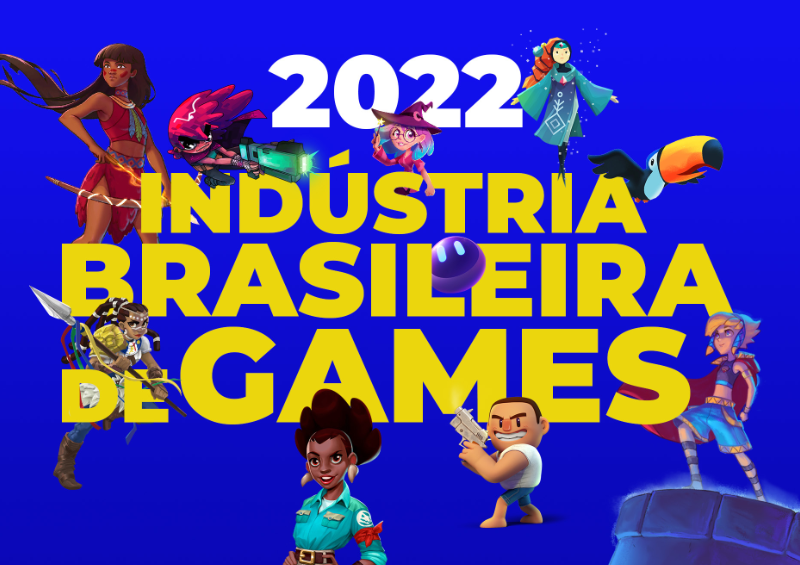
The 2022 Brazilian Games Industry Survey demonstrates that Brazil’s gaming sector has entered a phase of rapid expansion and increasing global relevance. Between 2018 and 2022 the number of domestic development studios more than doubled, rising from 375 to 1,009, while domestic digital‑game sales reached over US $2.3 billion in 2021, accounting for roughly three‑quarters of the market’s total revenue. This growth reflects a maturing ecosystem that now includes a full spectrum of domestic and foreign participants, from independent creators to multinational publishers.
The analysis highlights a dual‑track outlook in which private investment is expected to intensify, driving higher levels of international publishing, scaling of emerging opportunities, and greater promotion of Brazilian events abroad. Concurrently, public agencies such as Abragames, Brazil Games and ApexBrasil are projected to expand quantitative support through export missions, business‑matching initiatives and promotional campaigns, reinforcing the sector’s export potential. A broad portfolio of recent Brazilian titles illustrates the country’s expanding talent pool and creative versatility, positioning Brazil as a competitive player on the world stage.
Overall, the findings underscore a robust, export‑oriented trajectory for Brazil’s gaming industry, driven by a surge in studio formation, strong domestic sales, and coordinated public‑private efforts aimed at amplifying international visibility and market access. The survey’s scope encompasses the national market from 2018 through 2022, covering studio demographics, revenue figures, and the institutional framework supporting the sector’s growth.
- The number of domestic game development studios in Brazil more than doubled between 2018 and 2022, growing from 375 to 1,009.
- Domestic digital game sales in Brazil reached over US $2.3 billion in 2021, representing approximately 75% of the total market revenue.
- The Brazilian gaming sector is shifting toward an export-oriented model supported by coordinated efforts from public agencies including Abragames, Brazil Games, and ApexBrasil.
- Public-private initiatives are prioritizing international market access through export missions, business-matching programs, and promotional campaigns.
- Private investment is expected to increase, focusing on scaling emerging opportunities and expanding the international publishing of Brazilian titles.
+1
AbragamesJan 2022
Report11 pages
Rapport Annuel 2022 de l'ALD: Canada
The Association canadienne du logiciel de divertissement (ALD) presents an overview of its 2022 activities, emphasizing the organization’s mandate to champion the Canadian video‑game sector through policy advocacy, industry research and public‑relations initiatives. Central to the narrative is the 2021 economic study conducted with Nordicity, which quantifies the sector’s contribution to the national economy and underscores its resilience amid pandemic‑induced disruptions.
The study reveals that the industry expanded from fewer than 700 active studios in 2019 to nearly 1 000 in 2021, employing more than 32 000 full‑time workers and supporting an additional 23 000 indirect jobs. Direct output now adds $5.5 billion to Canada’s gross domestic product, the highest level recorded to date. Survey participation reached a record 160‑plus responses, representing over 150 studios that supplied employment and financial data. Diversity and inclusion policies are in place at more than 80 % of studios with 100 or more employees, indicating a sector‑wide commitment to balanced talent pipelines.
Complementary efforts include a bilingual “#MyWhy” vaccination campaign that mobilized seven influencers to produce eight videos, and a newly funded guide outlining electronic‑waste recycling obligations for members. Media outreach, coordinated with Hill & Knowlton Strategies, generated roughly 39 million impressions, 66 000 Twitter impressions, 11 000 Instagram impressions and 42 000 YouTube views, translating into over 1 200 hours of video consumption. Virtual engagements with federal officials covered economic impact, immigration, skills development and cultural funding, while plans are under way for an in‑person “Games on the Hill” event in November 2022.
Overall, the report demonstrates that despite pandemic constraints, the Canadian video‑game industry has continued to grow, diversify and increase its cultural and economic influence, positioning Canada as
- The Canadian video-game industry contributed $5.5 billion to the national GDP in 2021, marking the highest economic output recorded to date.
- The sector experienced significant growth between 2019 and 2021, with the number of active studios increasing from fewer than 700 to nearly 1,000.
- The industry currently supports 32,000 full-time direct employees and an additional 23,000 indirect jobs.
- Over 80% of studios with 100 or more employees have implemented formal diversity and inclusion policies to support talent development.
- Media outreach initiatives generated approximately 39 million impressions across various platforms, including 42,000 YouTube views totaling over 1,200 hours of consumption.
+1
ESAC – Entertainment Software Association of CanadaJan 2022
Report148 pages
Campo da Gioco Equo
The guide argues that gender equity is both a commercial necessity and a social responsibility for the European video‑game sector, which employs roughly 90 000 people while women constitute only about 20 % of developers despite half of Europe’s population being gamers. It frames equitable hiring, compensation, and workplace culture as strategic imperatives that can unlock talent, improve product relevance, and enhance profitability across development, publishing, and community‑management functions.
Key findings reveal a persistent 14.1 % gender‑pay gap within the EU and a pronounced promotion disparity linked to biased “potential” assessments. Transparent salary bands, gender‑bias‑checked job descriptions, and data‑driven monitoring are shown to narrow these gaps, as illustrated by Outplay’s partnership with InGAME, which produced a policy kit aligning compensation, career growth, and flexible work with equity goals. Hybrid‑flexible work models, mental‑health support, and targeted health initiatives—such as menopause pledges—further sustain inclusion, with Wooga’s five‑year parity programme cited as a successful example.
The document outlines concrete actions for building inclusive cultures: senior‑leadership commitment, merit‑based hiring, regular employee surveys, and zero‑tolerance harassment policies. Effective employee‑resource groups, exemplified by Take‑Two’s “Women in Gaming” ERG, amplify under‑represented voices and drive mentorship, innovation, and retention. Community‑safety measures, including AI‑enhanced moderation and diversified moderator teams, reduced toxic chat by 5 % in a pilot, demonstrating the impact of proactive, data‑driven interventions.
Education and pipeline initiatives span Europe, from the AWS GetIT programme that has reached over 23 000 students to national diversity pledges in France, Germany, Spain, Sweden, and the UK. These efforts aim to address the projected need for 500 000 software engineers and double girls’ interest in technical careers through early exposure and role‑model visibility. The guide stresses that measurable KPIs, positive‑action hiring practices, and compliance with EU legal frameworks are essential for tracking progress and ensuring lasting gender‑parity across the games industry.
- Women currently represent only 20% of the 90,000-person European video-game workforce, despite comprising half of the continent's gaming population.
- A persistent 14.1% gender-pay gap exists within the EU gaming sector, exacerbated by promotion disparities rooted in biased assessments of employee potential.
- Proactive, data-driven interventions—such as AI-enhanced moderation and diversified teams—successfully reduced toxic in-game chat by 5% in pilot programs.
- Industry-wide pipeline initiatives, such as the AWS GetIT programme, have reached over 23,000 students to address a projected demand for 500,000 software engineers.
- Companies like Outplay and Wooga have demonstrated that formalizing salary transparency, flexible work models, and long-term parity programmes effectively narrows gender gaps and improves retention.
+1
IIDEA – Italian Interactive Digital Entertainment AssociationJan 2022
Report42 pages
The State of Mobile Game and App Markets: Global Report on App Marketing for H1 2022
Document Title: The State of Mobile Game and App Markets: H1 2022
Executive Overview
Market Contraction, but Not Uniform: Overall mobile‑app and game ecosystem shrank – 6.2 % YoY drop in the number of advertisers and a 27 % decline in total creatives. The contraction was regional: Europe, North America, and Oceania bore the brunt, while Tier‑2/3 markets (especially Hong Kong, Macau, and Taiwan) surged – advertiser counts rose 37 % YoY.
Creative Strategy Shift: Marketers moved away from “quantity‑over‑quality” to higher‑quality, user‑generated‑content (UGC)‑style creatives. This pivot drove a 27.8 % YoY reduction in total mobile‑game creatives (down to 15.8 M), while the advertiser base remained relatively stable (≈ 45.1 K).
Performance‑Driven Campaigns: Adoption of cost‑per‑play (CPP) and in‑app‑purchase‑return‑on‑ad‑spend (IAP‑ROAS) optimization grew sharply. Machine‑learning‑powered tools—predictive analytics, automated bidding, and the new SKAdNetwork 4.0 attribution framework for iOS—helped offset rising cost‑per‑install (CPI) pressures and improve early‑stage ROI measurement.
App‑Store Search Dominance: 64.7 % of all app installs in H1 2022 originated from App Store search. Consequently, publishers and marketers doubled‑down on App Store Optimization (ASO) and Apple Search Ads, treating search visibility as a primary acquisition channel.
Growth Outlook: Future expansion is expected to be driven by emerging markets (Tier‑2/3 regions) and increased reliance on AI/ML‑based campaign automation. Continued investment in high‑impact, UGC‑styled creatives and search‑centric acquisition will be critical to sustain performance as CPI trends upward.
Section‑by‑Section Highlights
| Section | Core Findings | |---------|----------------| | 1 – Market Landscape | • 6.2 % YoY decline in advertisers; 27 % drop in creatives.<br>• Steepest losses in Europe, NA, Oceania.<br>• 37 % YoY advertiser surge in Hong Kong, Macau, Taiwan (Tier‑2/3).<br>• Shift to higher‑quality, UGC‑style creatives and predictive‑analytics‑driven campaigns (incl. SKAdNetwork 4.0). | | 2 – Creative & Optimization Trends | • 27.8 % YoY reduction in total mobile‑game creatives → 15.8 M.<br>• Advertiser count stable at ~45.1 K.<br>• Widespread adoption of CPP and I
- App Store search accounted for 64.7% of all mobile app installs in H1 2022, cementing search visibility and ASO as the primary acquisition drivers.
- The mobile ecosystem experienced a contraction in mature regions, evidenced by a 6.2% year-over-year decline in advertisers and a 27% drop in total creatives.
- Tier-2/3 markets, specifically Hong Kong, Macau, and Taiwan, bucked the global trend with a 37% year-over-year increase in advertiser counts.
- Marketers pivoted from high-volume creative strategies to high-quality, UGC-style content, resulting in a 27.8% year-over-year reduction in total mobile game creatives to 15.8 million.
- Publishers increasingly adopted machine-learning-powered tools, including predictive analytics and the SKAdNetwork 4.0 framework, to mitigate rising CPI and improve IAP-ROAS measurement.
+2
AdQuantumJan 2022

Whitepaper191 pages
2022 Global White Paper on Mobile Advertising & Marketing Game
The global mobile market in the first half of 2022 underwent a significant transition, characterized by a contraction in total advertising volume alongside a strategic pivot toward high-quality, video-centric content. While the total number of advertisers and ad creatives declined year-over-year, emerging markets in the Middle East, South America, and Southeast Asia experienced robust growth. This period saw a sharp rise in advertising costs, with the average CPM reaching $19.31 and the United States and South Korea emerging as the most expensive regions for user acquisition.
Casual and puzzle games dominated the advertising landscape by volume, yet RPGs and strategy titles commanded the highest revenue and advertising spend. A notable trend involved mid-core developers utilizing "lightweight" or drama-based video creatives to lower entry barriers for broader audiences. Video formats now constitute over 86% of all creatives, with interactive AR filters and short-form content on platforms like Snapchat and TikTok challenging the traditional dominance of Meta. In the non-gaming sector, shopping and finance apps led in advertiser activity, while reading apps produced the highest volume of individual creatives.
The industry faced headwinds from Apple’s IDFA privacy changes, prompting a shift toward "motivation-based" creative strategies and localized global launches, particularly by Chinese firms seeking relief from domestic regulatory pressures. Despite rising costs and a 27% drop in creative volume, the market remains dynamic, driven by the expansion of esports, cross-platform play, and a growing consumer interest in the metaverse. Success is increasingly defined by down-funnel conversion optimization and the use of immersive, emotionally resonant storytelling to engage diverse global demographics.
- The global mobile advertising market saw a 27% decline in creative volume during the first half of 2022, accompanied by rising costs that pushed the average CPM to $19.31.
- Video content now dominates the advertising landscape, accounting for over 86% of all creatives as developers shift toward high-quality, drama-based storytelling to lower entry barriers.
- While the total number of advertisers decreased, emerging markets in the Middle East, South America, and Southeast Asia showed robust growth, contrasting with the high-cost user acquisition environments of the United States and South Korea.
- Apple’s IDFA privacy changes forced a strategic pivot toward motivation-based creative strategies and localized global launches, particularly among Chinese firms facing domestic regulatory constraints.
- Casual and puzzle games led in total advertising volume, but RPG and strategy titles commanded the highest advertising spend and revenue generation.
+2
SocialPetaJan 2022

Report16 pages
Modern Mobile Consumer 2022: App Discovery Report
The Modern Mobile Consumer 2022: App Discovery Report examines the evolving journey of mobile users from initial app discovery to daily usage and long-term engagement. The primary thesis suggests that the traditional distinction between gamers and non-gamers is increasingly obsolete, as consumer behaviors and attitudes toward advertising are remarkably consistent across different app categories. Findings indicate that mobile gaming has become a universal hobby, with 60% of non-gaming app users playing mobile games daily, tying with social media for the top usage category.
Data highlights the dominance of in-app advertising as a discovery tool, with 70% of gaming audiences and 78% of a control group reporting they have downloaded apps after seeing mobile advertisements. While most users maintain over 20 apps on their devices, the majority only engage with five to ten apps daily. To break into this limited rotation, the research suggests that video ads, app store promotions, and interactive formats are the most effective. Furthermore, rewarded ads—traditionally associated with gaming—show broad appeal, with 33% of non-gaming audiences paying more attention to ads that offer in-app incentives.
The research methodology involved a large-scale survey of 30,457 respondents conducted in April and May 2022. The sample included 18,894 consumers from gaming apps and 11,563 from non-gaming apps within the ironSource network, supplemented by a 500-person third-party control group to eliminate bias. All participants were verified adults aged 18 or older. The geographic scope is global, focusing on the broader mobile app economy. Conclusions emphasize that successful user acquisition strategies must prioritize interest-based relevance, humor, and rewarded engagement to capture the attention of the modern mobile consumer.
- Mobile gaming has become a universal behavior, with 60% of non-gaming app users playing mobile games daily, matching social media as the top usage category.
- In-app advertising is a primary driver for app discovery, leading to downloads for 70% of gaming audiences and 78% of non-gaming control group users.
- While users typically maintain over 20 apps on their devices, the majority limit their daily engagement to only five to ten apps.
- Rewarded ads have broad appeal beyond gaming, with 33% of non-gaming audiences reporting they pay more attention to advertisements that offer in-app incentives.
- To successfully acquire users in a crowded market, developers should prioritize interest-based relevance, humor, and interactive ad formats.
+3
ironSourceJan 2022
Report15 pages
Ad Intelligence: An Overview 2022
Analysis of mobile advertising intelligence from 2022 reveals a rapidly expanding market, with the number of advertisers doubling since 2019 to exceed 120,000. Data collected from 35 countries across the Apptica platform indicates a significant platform disparity, as Android accounts for 71% of advertisers and over 80% of the 14.6 million total creatives tracked during the period. While Android publishers outnumber those on iOS by a factor of two, the gaming sector remains the dominant force on both platforms, capturing 69.02% of advertising traffic on the App Store and 55.58% on Google Play.
The gaming landscape is primarily led by the Casual and Puzzle genres. Casual games represent the largest traffic share on iOS at 23.8%, while Puzzles lead on Android at 25.4%. Beyond gaming, the Shopping and Social categories emerge as the other primary drivers of high-volume traffic. Top individual advertisers by traffic share include Meta Platforms, Playrix, and TikTok, while NewsBreak and ITI Inc. lead in the sheer volume of unique creatives.
Methodological findings highlight distinct creative strategies between operating systems. On iOS, video is the preferred format, accounting for 59.9% of creatives. Conversely, Android relies more heavily on static images, which make up 58.8% of its ad inventory. Interactive or playable ads remain a niche but consistent segment, representing less than 3% of the total share on both platforms. The data suggests that publishers are significantly more aggressive with creative testing on Android, often running between 2 and 124 times more creative variations than they do on iOS. Playrix, Easybrain, and Tripledot Studios are identified as the most consistent market leaders, appearing in the top ten for buying share across both ecosystems.
- The mobile advertising market has doubled since 2019, with over 120,000 active advertisers identified across 35 countries in 2022.
- Android dominates the advertising landscape, accounting for 71% of advertisers and over 80% of the 14.6 million creatives tracked.
- Gaming remains the primary advertising sector, capturing 69.02% of traffic on the App Store and 55.58% on Google Play, with Casual and Puzzle genres leading their respective platforms.
- Creative strategies differ by platform: iOS favors video (59.9% of creatives), while Android relies heavily on static images (58.8% of creatives).
- Android publishers are significantly more aggressive in testing, running between 2 and 124 times more creative variations than their iOS counterparts.
+1
AppticaJan 2022
Report18 pages
Annual Survey of Video Games in France 2022
The 2023 annual survey of the French video game industry provides a comprehensive analysis of the sector’s economic health, production trends, and workforce dynamics during 2022. Conducted by the Syndicat National du Jeu Vidéo (SNJV) between February and June 2023, the study relies on a self-administered online questionnaire sent to 577 qualified development companies, achieving a 23% participation rate. The scope covers approximately 1,000 companies across France, including 580 development studios, with a significant concentration of 44.6% located in the Île-de-France region.
Findings indicate a robust but maturing production landscape, with nearly 1,260 games in development and over 850 new intellectual properties created. While the number of games in production fell by 7% compared to 2020, the industry saw a rise in professionalization, with 62% of studios working with publishers. Financial growth is evident, as 27% of studios now generate over 1 million euros in revenue, a 9-point increase from 2020. However, the sector remains dominated by smaller entities, with 55% of companies earning less than 300,000 euros annually. Despite this growth, optimism has tempered; only 28.6% of respondents expect revenue growth in the coming year, compared to 66% in 2020.
Employment remains stable with 76% of staff on permanent contracts, though gender diversity shows slow progress, with women making up 24% of the workforce. The industry is also navigating structural shifts in work culture, as 33% of companies have adopted full-time remote work. Corporate Social Responsibility is emerging as a priority, with 65.5% of companies implementing gender equality actions and nearly half planning carbon footprint assessments. France remains highly attractive to 85% of studios, primarily due to tax incentives and the quality of specialized training.
- The French video game industry is maturing financially, with 27% of studios generating over 1 million euros in revenue, a 9-point increase since 2020.
- Despite revenue gains, industry optimism has declined significantly, with only 28.6% of studios expecting growth compared to 66% in 2020.
- The production landscape remains highly concentrated in the Île-de-France region, which hosts 44.6% of the nation's development studios.
- While the industry is professionalizing—evidenced by 62% of studios working with publishers—the total volume of games in development fell by 7% compared to 2020.
- The sector is dominated by small-scale operations, as 55% of companies continue to generate less than 300,000 euros in annual revenue.
Syndicat National du Jeu VidéoJan 2022
Report64 pages
Game Developer Index: Sweden 2022
The Swedish games industry underwent a period of rapid expansion in 2021, characterized by a 22% increase in domestic revenue to €2.7 billion and a 43% surge in global revenue to €5.8 billion. This growth was fueled by a record-breaking year of international acquisitions, with 81 public transactions led by major groups such as Embracer and Stillfront. By late 2022, Swedish-owned entities operated 197 studios across 49 countries, employing approximately 28,000 people worldwide. This international footprint is reflected in consumer reach, as an estimated one in four players globally has engaged with a Swedish-developed title, and Swedish-associated games accounted for 6% of all Twitch watchtime in 2021.
The domestic workforce grew by 17% to nearly 8,000 employees, with women representing 22.1% of the total staff and 26% of new hires. While gender diversity is improving—evidenced by 29 companies achieving at least 50% female representation—the industry continues to struggle with a severe domestic skills shortage. This talent gap has forced Swedish firms to expand their foreign subsidiaries aggressively, with over 11,000 staff members now based abroad. Although regional hubs in Stockholm and Skåne remain dominant, growth is increasingly supported by specialized educational clusters and post-secondary programs designed to cultivate local talent.
Despite its commercial success and cultural influence, the sector faces structural hurdles that could impact future scalability. Critical challenges include complex work permit processes for international recruits and a lack of early-stage financing compared to other global markets. Methodological shifts in industry tracking now prioritize national group turnover to ensure better comparability with other sectors, revealing a robust ecosystem of 785 active companies. While the industry remains a powerhouse of the Swedish economy, its long-term sustainability depends on addressing recruitment barriers and maintaining the momentum of its global acquisition strategy.
- The Swedish games industry experienced significant financial growth in 2021, with domestic revenue rising 22% to €2.7 billion and global revenue surging 43% to €5.8 billion.
- Driven by 81 international acquisitions led by groups like Embracer and Stillfront, Swedish-owned entities now operate 197 studios across 49 countries, employing approximately 28,000 people globally.
- Swedish-developed titles maintain a massive international reach, with an estimated one in four global players engaging with these games and Swedish-associated content accounting for 6% of all Twitch watchtime in 2021.
- The domestic workforce grew by 17% to nearly 8,000 employees, though the industry faces a severe skills shortage that has forced firms to employ over 11,000 staff members through foreign subsidiaries.
- Gender diversity is gradually improving, with women representing 22.1% of the total workforce and 26% of new hires, while 29 companies have achieved at least 50% female representation.
+1
Swedish Games IndustryJan 2022
Report32 pages
Gaming in Europe: Key Facts 2022
The European video game industry demonstrated significant economic resilience and social expansion in 2022, generating €24.5 billion in revenue and achieving a 5% year-on-year growth rate. This sector now engages approximately 126.5 million people, representing 53% of the population aged 6 to 64. Demographic shifts indicate a maturing and diversifying market, as women now comprise nearly 47% of the player base and the 45-64 age group has emerged as the largest playing demographic. While engagement has stabilized at an average of 8.8 hours of weekly playtime, the industry’s economic footprint is bolstered by a workforce of over 110,000 employees, which saw a 12% increase in staffing levels.
Despite this robust growth, the industry faces a critical talent shortage that threatens future expansion. Projections suggest a widening digital skills gap, exemplified by Sweden’s anticipated deficit of 25,000 developers by 2031. To sustain its trajectory, the sector is increasingly focusing on workforce diversity—where women currently hold 23.7% of roles—and the implementation of comprehensive social responsibility frameworks. These include the expansion of the PEGI rating system and the deployment of advanced parental control tools to ensure a safe environment for the evolving player base.
Environmental sustainability has also become a central pillar of the European gaming landscape. Through collaborative efforts like the Games Consoles Voluntary Agreement, the industry achieved a reduction of 54TWh in energy consumption across previous console generations. Major publishers and trade associations across 18 countries are now prioritizing carbon neutrality, with sector-wide initiatives successfully offsetting significant carbon footprints. These combined economic, social, and environmental strategies reflect a maturing industry that is balancing rapid commercial growth with long-term ecological and demographic responsibilities.
- The European gaming industry generated €24.5 billion in revenue in 2022, marking a 5% year-on-year growth rate and supporting a workforce of over 110,000 employees.
- The player base has reached 126.5 million people, with the 45-64 age group now representing the largest demographic and women accounting for 47% of all players.
- A critical talent shortage threatens future expansion, highlighted by a projected deficit of 25,000 developers in Sweden alone by 2031.
- Industry staffing levels grew by 12% in 2022, though women remain underrepresented in the workforce, currently holding only 23.7% of roles.
- Environmental initiatives, such as the Games Consoles Voluntary Agreement, have successfully reduced energy consumption by 54TWh across previous console generations.
+2
European Games Developer FederationJan 2022
Report149 pages
Brazil Games Industry Report 2022
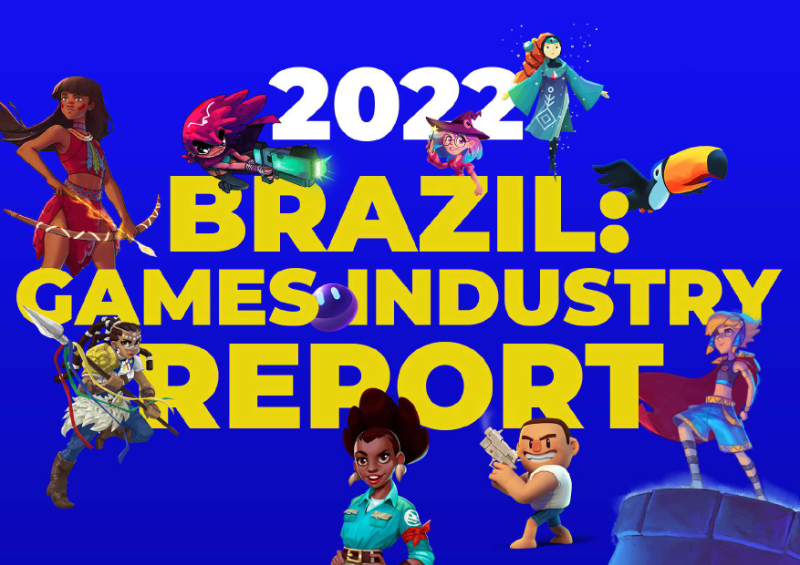
Brazil has established itself as the preeminent games market in Latin America and the 12th largest globally, generating approximately USD 2.3 billion in 2021. The ecosystem is defined by rapid professionalization and internationalization, evidenced by a 102% increase in active studios since 2018. With over 1,000 companies and a workforce exceeding 12,000 professionals, the industry has transitioned from a historical period of informality to a sophisticated hub for original intellectual property and high-quality external development services. While the Southeast and South regions remain the primary geographic hubs, the sector’s reach is global, with over half of local companies serving international markets, particularly in the United States and Europe.
The industry demonstrates increasing maturity through longer studio lifespans and a shift toward diverse platforms. While mobile and PC development remain dominant, console production grew significantly to 17% of the market by 2021. Beyond entertainment, Brazilian studios maintain a strong presence in educational and corporate gamification. Despite this growth, structural challenges persist, including a lack of formal inclusion policies for underrepresented groups and a "wage war" for senior talent driven by the rise of remote work for foreign firms. Furthermore, the workforce is navigating a transition where 93% of companies now focus on proprietary IP, moving away from a pure service-provider model.
Economic and regulatory hurdles continue to shape the landscape. Federal funding has reached historic lows, forcing a reliance on founder capital and state-level initiatives. Developers face significant "legal insecurity" due to the absence of a specific regulatory category for games and a tax system that treats development hardware as luxury entertainment rather than capital goods. Nevertheless, the resilience of the sector is underscored by a 336% revenue increase in USD since 2015 and the emergence of "unicorns" like Wildlife. The industry remains a vital component of the global value chain, increasingly recognized for its technical proficiency in engines like Unity and its expanding role in emerging technologies such as blockchain and the metaverse.
- Brazil is the 12th largest games market globally and the leader in Latin America, generating approximately USD 2.3 billion in 2021.
- The industry has experienced rapid expansion, with a 102% increase in active studios since 2018 and a 336% revenue increase in USD since 2015.
- The sector is shifting toward original intellectual property, with 93% of companies now focusing on proprietary IP rather than a pure service-provider model.
- The ecosystem comprises over 1,000 companies and 12,000 professionals, with more than half of these businesses exporting services to international markets, primarily in the U.S. and Europe.
- Console production has grown to represent 17% of the market, diversifying a landscape previously dominated by mobile and PC development.
+1
AbragamesJan 2022
Report19 pages
State of Anime Gaming 2022
The analysis evaluates the global mobile market for games that employ an anime art style, focusing on performance metrics from 2018 through 2021. By applying data.ai’s Game IQ feature‑tag system to isolate titles with anime aesthetics across all genres, the study aggregates download and consumer‑spend data from iOS and Google Play (iOS‑only for China) and presents a comprehensive view of audience behavior, revenue trends, and regional dynamics.
Anime‑themed titles generated one‑fifth of all mobile‑game spend in 2021 while capturing only about one percent of overall usage, highlighting a highly engaged but niche user base. Worldwide downloads rose 15 % year‑over‑year in 2021 and 50 % since 2018, with South Korea leading growth (170 % increase in downloads, 85 % rise in spend), followed by the United Kingdom (30 % downloads, 75 % spend) and the United States (40 % downloads, 70 % spend). Japan remained the largest market, accounting for 55 % of anime‑game spend in 2021, though its share fell by nine percentage points from 2018. RPG, simulation and action subgenres dominate both downloads and revenue, while breakout titles such as Genshin Impact (top global spender) and Pokémon GO (top downloader in the US and UK) illustrate cross‑regional appeal.
Demographic profiling shows a strong Gen‑Z skew, with anime gamers on U.S. iPhones 217 % more likely to use Discord and 52 % more likely to use Snapchat than the average mobile gamer; similar patterns appear in Japan and other markets. Gender preferences vary by subgenre, and certain genres—particularly idol‑training simulations and open‑world RPGs—recorded double‑digit year‑over‑year revenue growth (e.g., Uma Musume Pretty Derby +117 %, Genshin Impact +233
- Anime-themed mobile games generated 20% of total global mobile game consumer spend in 2021 despite accounting for only 1% of total usage.
- Japan remains the dominant market, representing 55% of global anime-game spend in 2021, though its market share has declined by nine percentage points since 2018.
- Global downloads for anime-style games grew 50% between 2018 and 2021, with South Korea emerging as a top growth market showing a 170% increase in downloads and 85% increase in spend.
- RPG, simulation, and action subgenres drive the majority of revenue and downloads, with high-performing titles like Genshin Impact and Pokémon GO demonstrating significant cross-regional appeal.
- Specific subgenres are seeing massive revenue acceleration, led by titles like Genshin Impact (+233% year-over-year) and Uma Musume Pretty Derby (+117% year-over-year).
+1
data.aiJan 2022

Report75 pages
Store Intelligence Data Digest: Q2 2022
The global mobile application market experienced a pivotal transition in the second quarter of 2022, characterized by a 2.5% year-over-year decline in total downloads to 35 billion. While Google Play maintained the largest volume with 27.2 billion installs, the most significant development occurred within the United States, where consumer spending on non-gaming applications surpassed gaming revenue on the App Store for the first time. This shift was fueled by a 40% compound annual growth rate in subscriptions, with non-game subscription revenue soaring 129% above 2019 levels. This trend underscores a fundamental change in consumer behavior as 400 non-game titles generated over $1 million in quarterly revenue, signaling a maturation of the subscription economy.
The gaming landscape remained highly competitive, led by the resurgence of Subway Surfers, which achieved its best performance since 2014 with over 80 million downloads. While Garena Free Fire continued its dominance on Google Play, particularly in Asia, the quarter was defined by the successful entry of mid-core titles like Apex Legends Mobile and Diablo Immortal. Regional growth was most pronounced in Indonesia, which surpassed 2 billion quarterly downloads for the first time, while the U.S. market saw a resurgence in travel and ticketing sectors as consumers returned to pre-pandemic activities.
Publisher dynamics remained concentrated among established giants, with Meta and Google maintaining their global leadership. Meta saw an 11% year-over-year increase in downloads, driven by its ownership of four of the top five most-installed apps worldwide. The industry also witnessed significant consolidation and strategic shifts, notably Take-Two Interactive’s rise to the top of the U.S. gaming market following its acquisition of Zynga, and Miniclip’s acquisition of the Subway Surfers franchise. These movements, combined with the rising influence of domestic publishers in China and the U.S., illustrate a market balancing global scale with localized dominance.
- In a historic shift for the U.S. App Store, consumer spending on non-gaming applications surpassed gaming revenue for the first time, driven by a 129% increase in non-game subscription revenue compared to 2019 levels.
- The global mobile market saw a 2.5% year-over-year decline in total downloads to 35 billion in Q2 2022, though Google Play retained the largest share with 27.2 billion installs.
- Meta solidified its market dominance by owning four of the top five most-installed apps globally, contributing to an 11% year-over-year increase in the company's total downloads.
- Take-Two Interactive became the top U.S. gaming publisher following its acquisition of Zynga, while Miniclip expanded its portfolio by acquiring the Subway Surfers franchise.
- Subway Surfers experienced a major resurgence, recording over 80 million downloads—its strongest performance since 2014—while new mid-core titles like Apex Legends Mobile and Diablo Immortal successfully entered the market.
+1
Sensor TowerJan 2022

Report34 pages
Japan Mobile App Trends 2022
The Japanese mobile app market experienced a period of significant expansion between 2020 and 2022, characterized by a 19% surge in total installs and a dominant 52% growth rate within the gaming sector. While the pandemic-driven peak of 2021 led to a stabilization of gaming sessions in 2022, the market remains robust across multiple verticals. Hyper-casual and RPG titles continue to lead in volume, though simulation games have emerged as highly efficient options for developers, offering lower acquisition costs and superior return on ad spend compared to puzzle games.
Beyond gaming, the fintech and e-commerce sectors have demonstrated remarkable resilience and growth. Fintech sessions increased by 13% year-over-year in the first half of 2022, while e-commerce activity reached record highs during the same period. The dating app category also saw a 13% uptick in engagement, with notable discrepancies in user acquisition costs between platforms; Android registrations proved more cost-effective at $8.47 compared to $10.20 for iOS. These trends indicate a maturing digital economy where user engagement is diversifying across utility and lifestyle applications.
A pivotal shift in the Japanese advertising landscape is the rapid rise of Connected TV (CTV), which is projected to reach 23.2% user penetration and ¥58.8 billion in ad spend by 2024. This emerging frontier is reshaping user acquisition strategies, necessitating sophisticated cross-device measurement and multi-touch attribution to link large-screen impressions to mobile conversions. As local broadcasters and analytics platforms form deeper integrations, CTV is transitioning from an experimental channel to a permanent, data-driven fixture of the Japanese mobile marketing ecosystem.
- The Japanese mobile market saw a 19% surge in total installs between 2020 and 2022, with the gaming sector experiencing a dominant 52% growth rate.
- Connected TV (CTV) is a critical emerging channel in Japan, projected to reach 23.2% user penetration and ¥58.8 billion in ad spend by 2024.
- Simulation games have become highly efficient for developers, offering lower acquisition costs and superior return on ad spend compared to traditional puzzle games.
- Fintech sessions grew by 13% year-over-year in the first half of 2022, while e-commerce activity reached record highs during the same period.
- Dating app engagement increased by 13%, with Android user acquisition costs ($8.47) proving more cost-effective than iOS ($10.20).
AdjustJan 2022