The Japanese mobile app market experienced a period of significant expansion between 2020 and 2022, characterized by a 19% surge in total installs and a dominant 52% growth rate within the gaming sector. While the pandemic-driven peak of 2021 led to a stabilization of gaming sessions in 2022, the market remains robust across multiple verticals. Hyper-casual and RPG titles continue to lead in volume, though simulation games have emerged as highly efficient options for developers, offering lower acquisition costs and superior return on ad spend compared to puzzle games.
Beyond gaming, the fintech and e-commerce sectors have demonstrated remarkable resilience and growth. Fintech sessions increased by 13% year-over-year in the first half of 2022, while e-commerce activity reached record highs during the same period. The dating app category also saw a 13% uptick in engagement, with notable discrepancies in user acquisition costs between platforms; Android registrations proved more cost-effective at $8.47 compared to $10.20 for iOS. These trends indicate a maturing digital economy where user engagement is diversifying across utility and lifestyle applications.
A pivotal shift in the Japanese advertising landscape is the rapid rise of Connected TV (CTV), which is projected to reach 23.2% user penetration and ¥58.8 billion in ad spend by 2024. This emerging frontier is reshaping user acquisition strategies, necessitating sophisticated cross-device measurement and multi-touch attribution to link large-screen impressions to mobile conversions. As local broadcasters and analytics platforms form deeper integrations, CTV is transitioning from an experimental channel to a permanent, data-driven fixture of the Japanese mobile marketing ecosystem.
Adjust · 2026
Adjust · 2026
Adjust · 2025

Adjust · 2025

Adjust · 2025

Adjust · 2025
Adjust · 2025

Adjust · 2025

Adjust · 2025

Adjust · 2024

Sensor Tower · 2024

Adjust · 2024
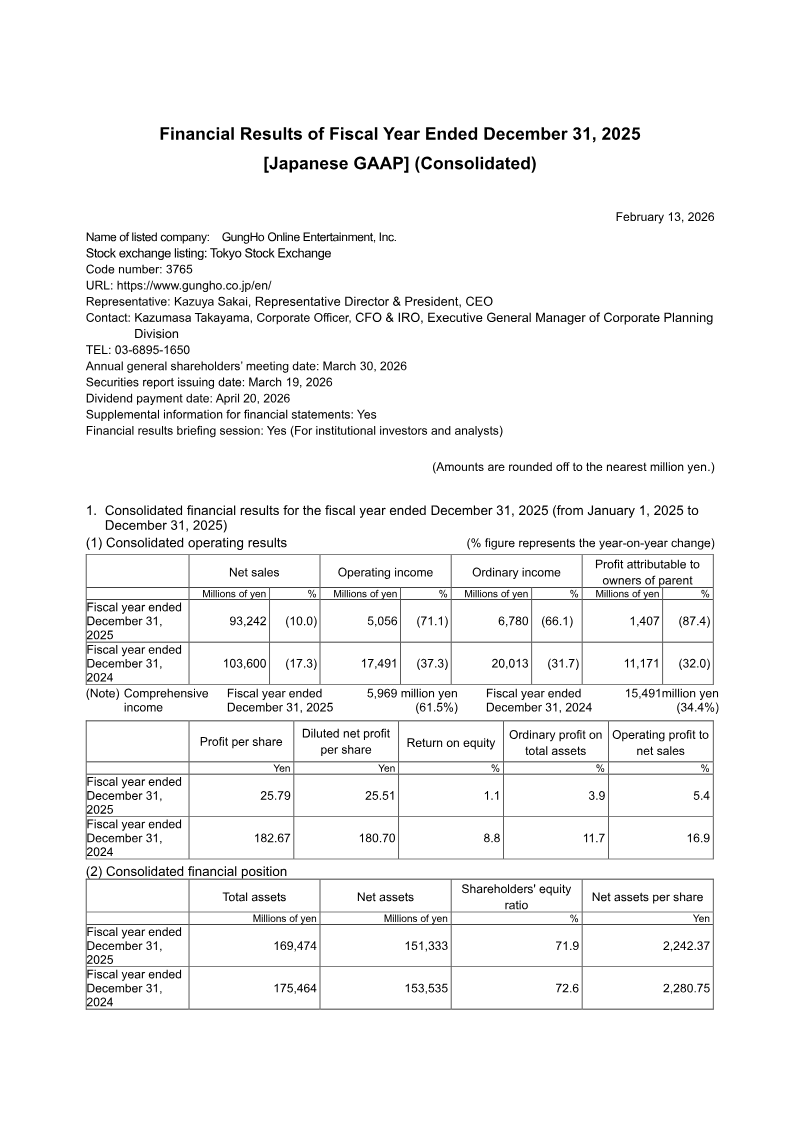
GungHo Online Entertainment · 2026
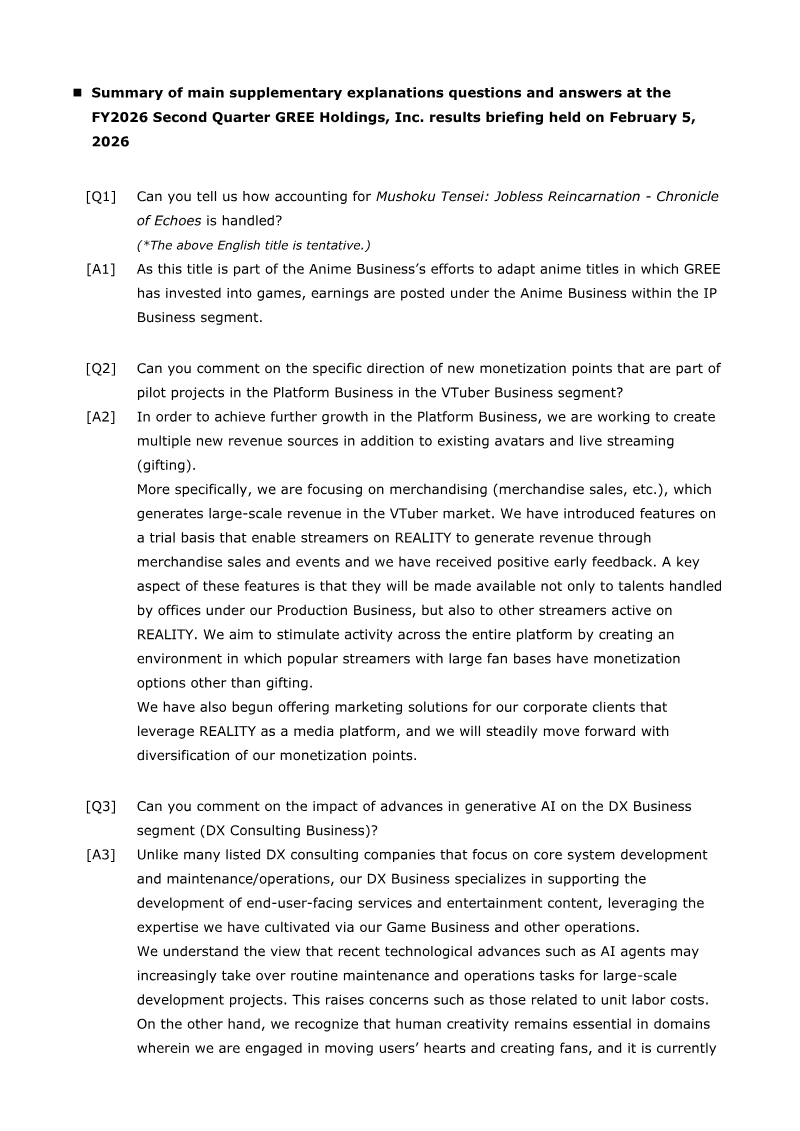
GREE · 2026
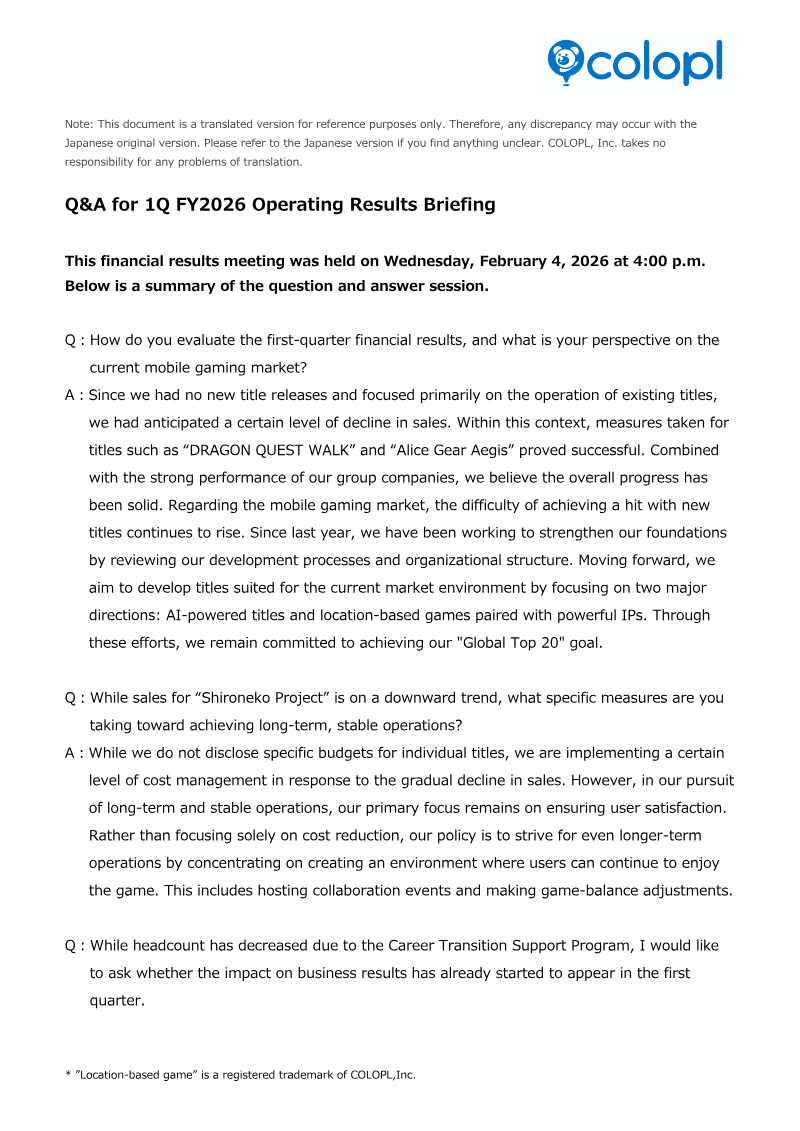
COLOPL · 2026
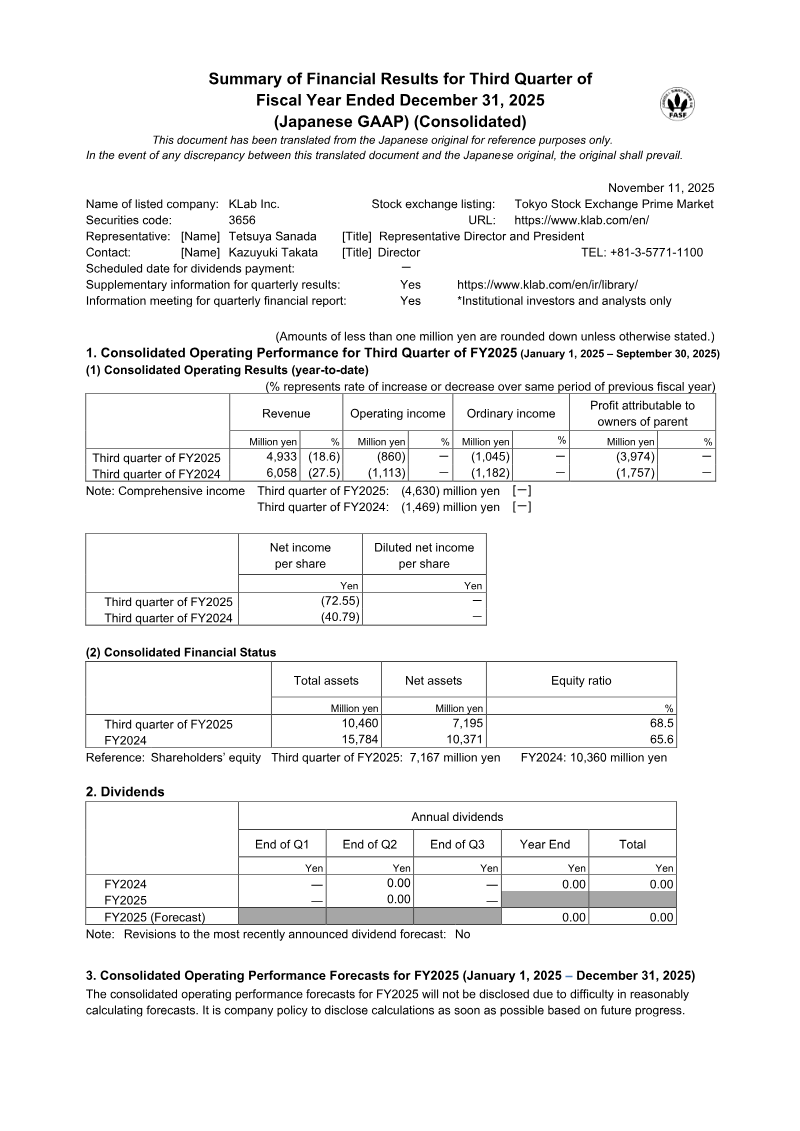
KLab · 2025
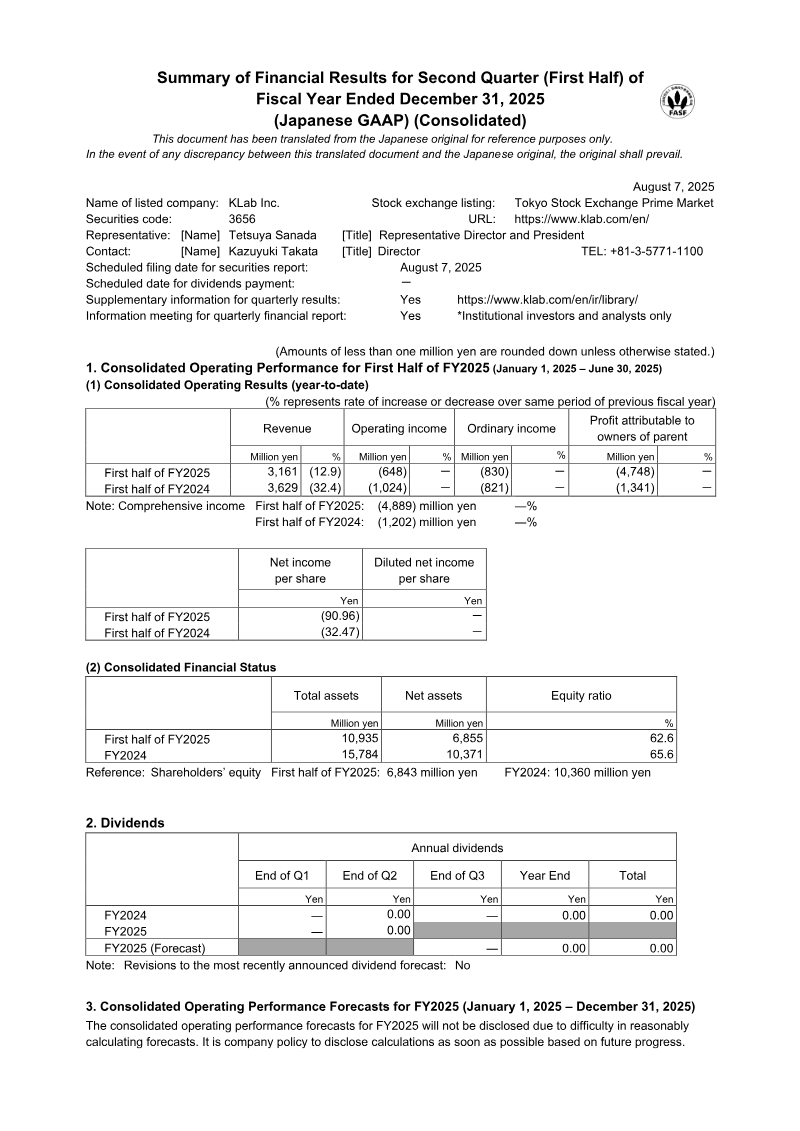
KLab · 2025
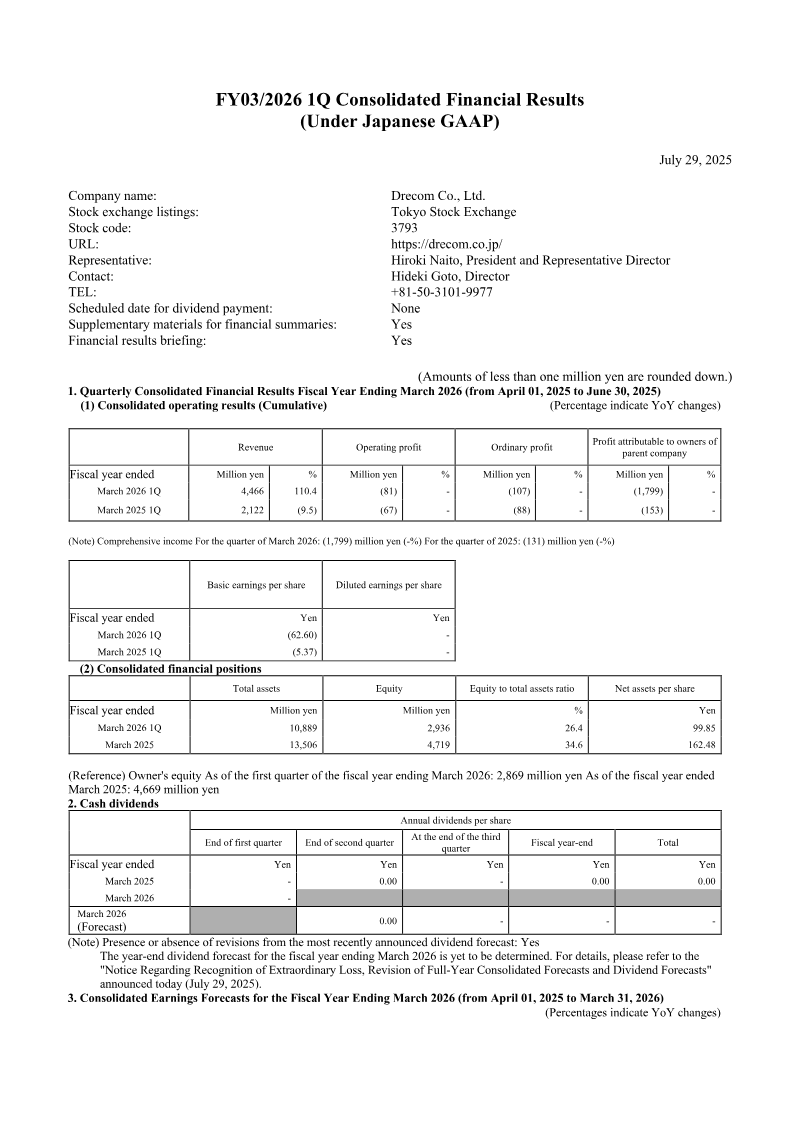
Drecom Co. · 2025
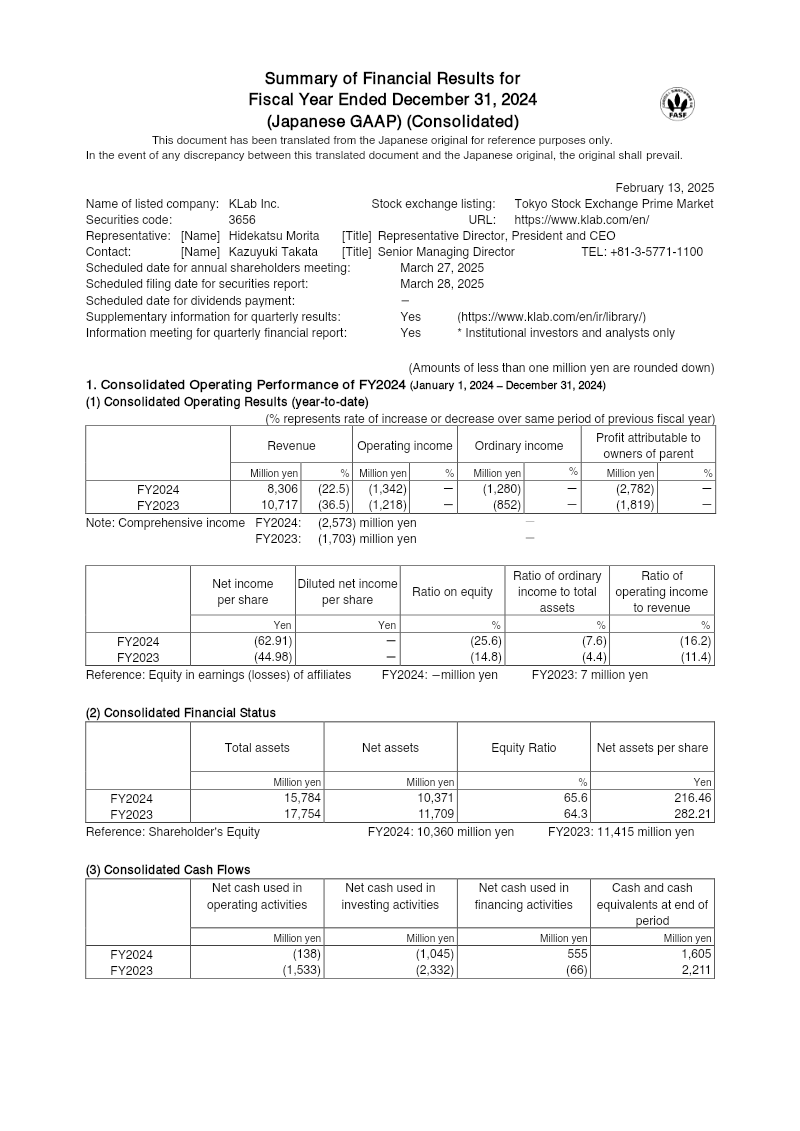
KLab · 2025
GREE · 2025
EA · 2025
Newzoo · 2025

Sensor Tower · 2025
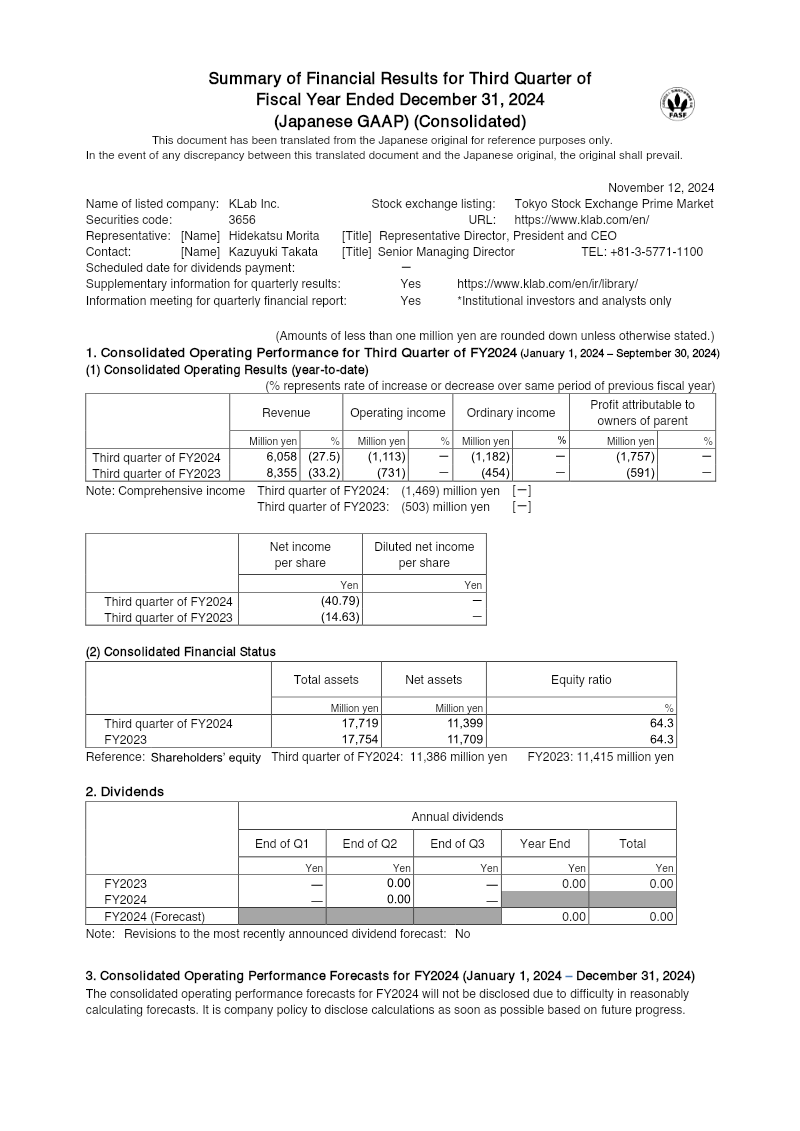
KLab · 2024