Zork
Game
3 documents in the library are about Zork, from writers such as DiGRA and GameDiscoverCo. Each has a summary and key insights with the page they come from.
Connections
Each row is a game or company named alongside Zork, each column a document, oldest first. A mark means that document names it. Select a row to see those documents.
Documents about Zork
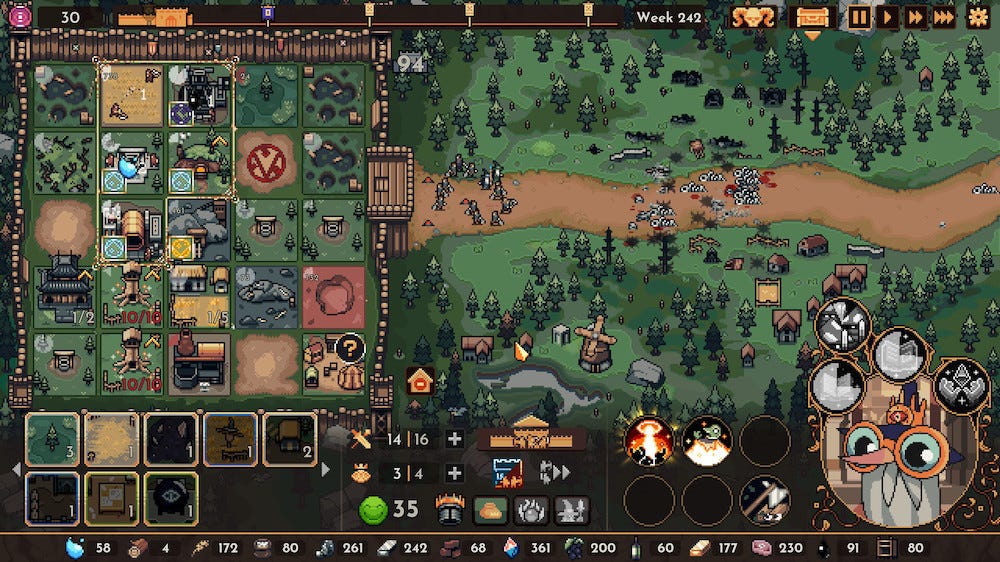
How The King Is Watching Sold Over 200k in a Couple of Weeks
The success of the roguelike kingdom builder The King Is Watching serves as a primary case study for effective game development and marketing strategies in the 2020s.
- The King Is Watching achieved over 200,000 sales in its first few weeks by evolving from a game jam concept into a roguelike with a strong humor-based hook.
- A strategic demo release generated over 500,000 downloads, serving as a critical tool for gathering user feedback and refining onboarding processes.
- The Chinese market accounted for 39% of total unit sales, driven by early asset localization, region-specific pricing, and targeted influencer partnerships.
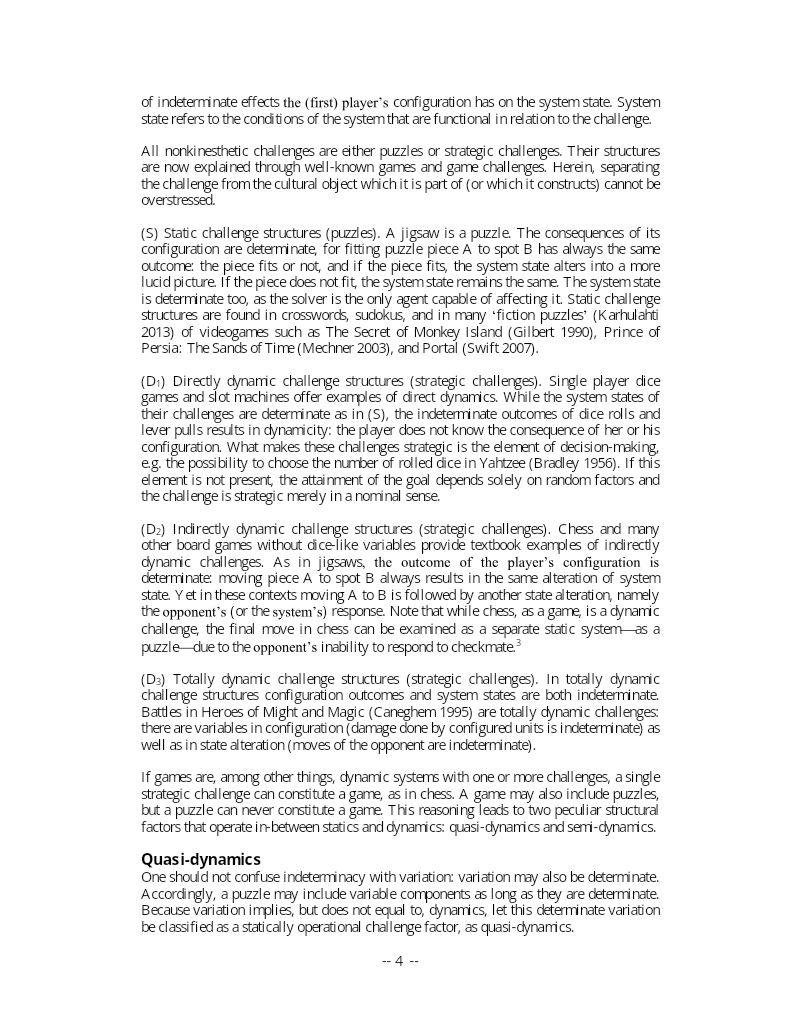
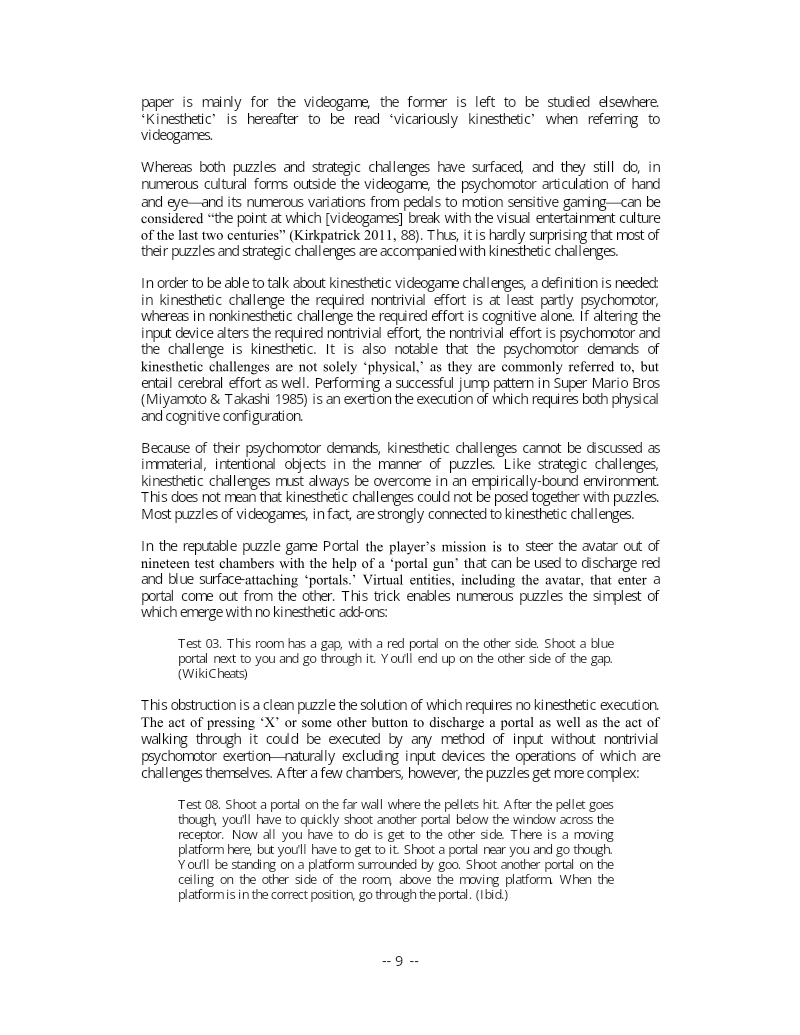
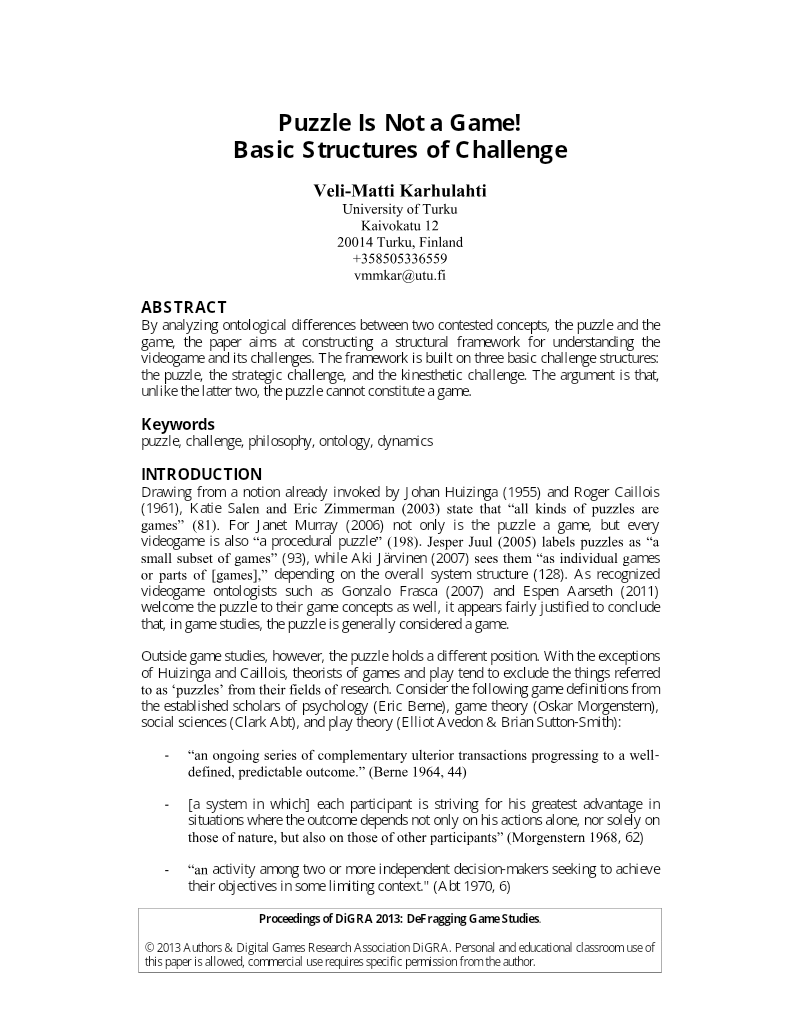
Puzzle Is Not a Game! Basic Structures of Challenge
Karhulahti's paper argues that puzzles, unlike strategic and kinesthetic challenges, cannot constitute games in the full sense, because they lack the dynamic, opponent-driven structure that prominent definitions of play and games treat as essential.
Gameplay Design Patterns for Game Dialogues
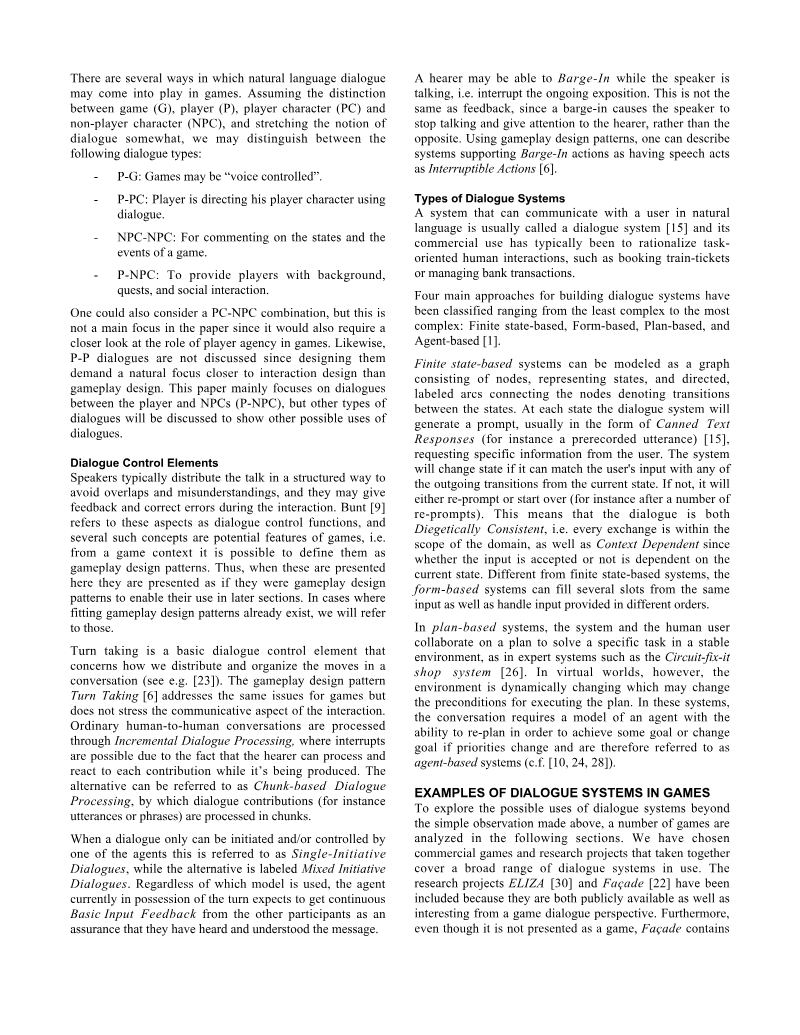
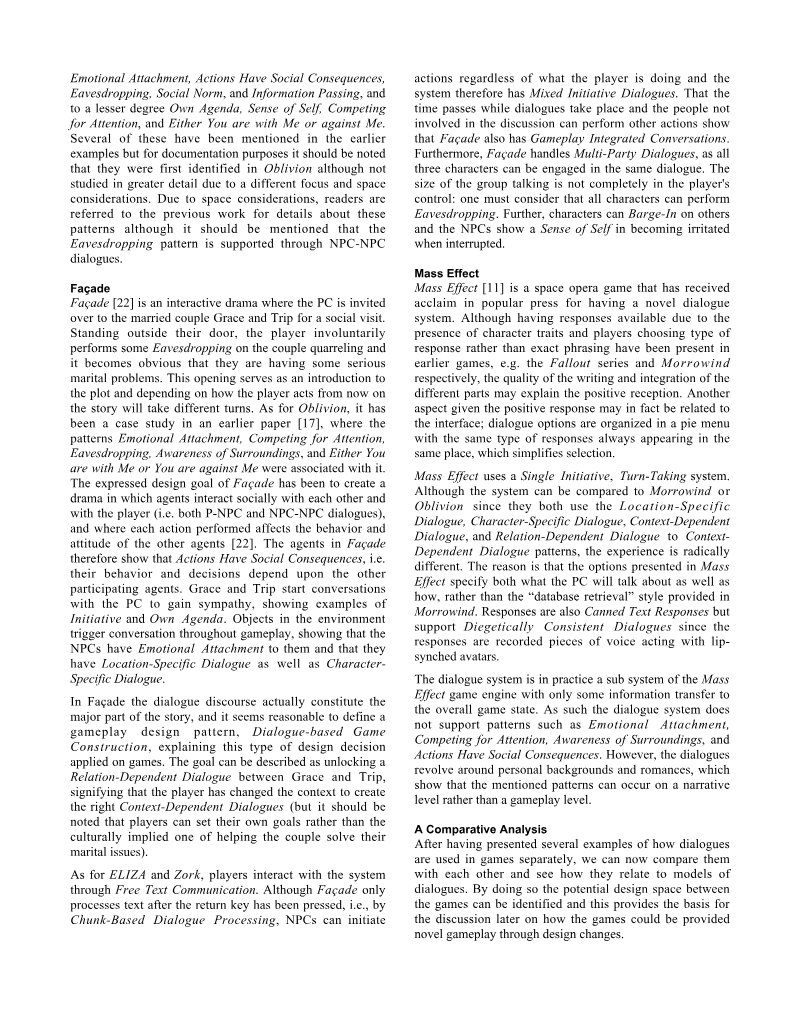
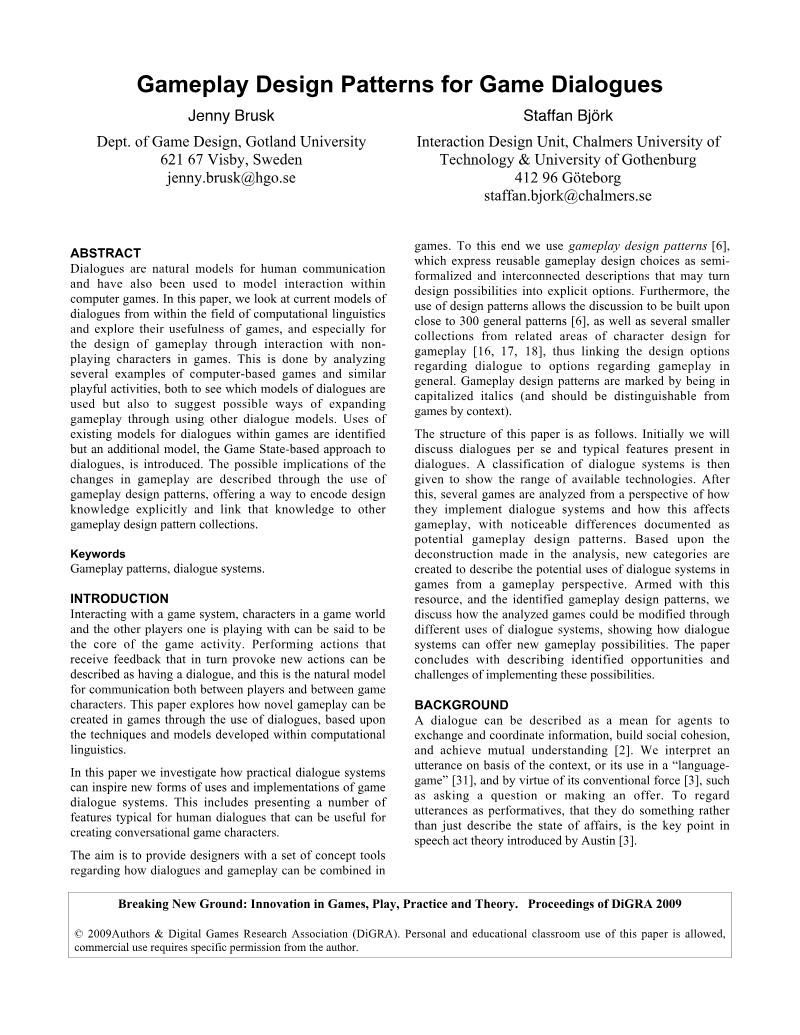
Brusk and Björk's "Gameplay Design Patterns for Game Dialogues," presented at DiGRA 2009, argues that dialogue systems drawn from computational linguistics can be translated into explicit, reusable gameplay design patterns.
- Brusk and Björk argue that computational linguistics dialogue systems (finite state, form-based, plan-based, and agent-based) can be translated into explicit, reusable gameplay design patterns for game dialogue.
- Existing linguistic categories fit game dialogue only partially, because game dialogues serve varied purposes, from pure gameplay (ELIZA) to interface (Zork), which motivates a Game State-based approach rather than direct transfer of linguistic models.
- The authors derive named patterns including Canned Text Responses, Illocutionary Interface, Diegetically Consistent Dialogue, and Context-Dependent Dialogue, and propose speculative extensions such as Incremental Input Processing, Gameplay Integrated Conversations, and Colloquial Mastery.