The Secret of Monkey Island
Game
3 documents in the library are about The Secret of Monkey Island, from writers such as DiGRA and Jason Schreier. Each has a summary and key insights with the page they come from.
Connections
Each row is a game or company named alongside The Secret of Monkey Island, each column a document, oldest first. A mark means that document names it. Select a row to see those documents.
Documents about The Secret of Monkey Island
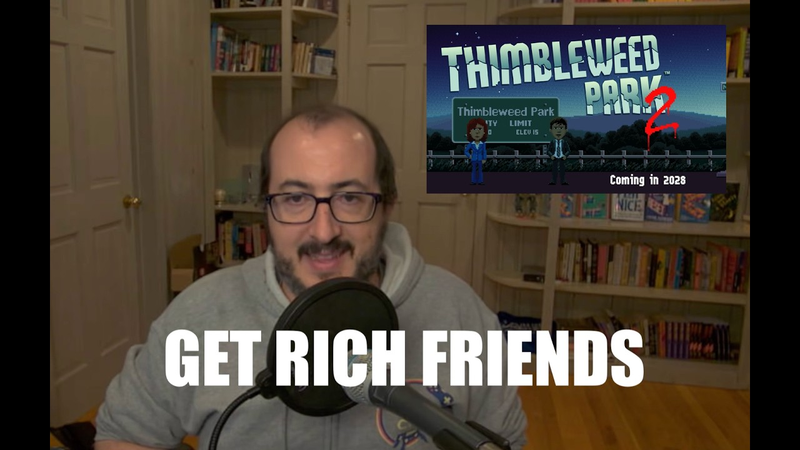
One Way To Fund Your Game? Find A Rich Guy
The video game industry faces significant challenges regarding project financing, particularly for developers seeking to avoid the restrictive terms often imposed by traditional publishers.
- Ron Gilbert’s studio, Terrible Toybox, secured funding for 'Thimbleweed Park 2' from a private wealthy investor after rejecting traditional publisher terms that required unfavorable revenue splits and performance-based payouts.
- The new project is budgeted for a two-year development cycle with a target release in early 2028, aiming to pay staff competitive market rates rather than the discounted wages used during the development of the first game.
- The original 'Thimbleweed Park' (2017) was financed via a 2014 Kickstarter campaign that raised over $620,000 and eventually sold more than 300,000 copies.
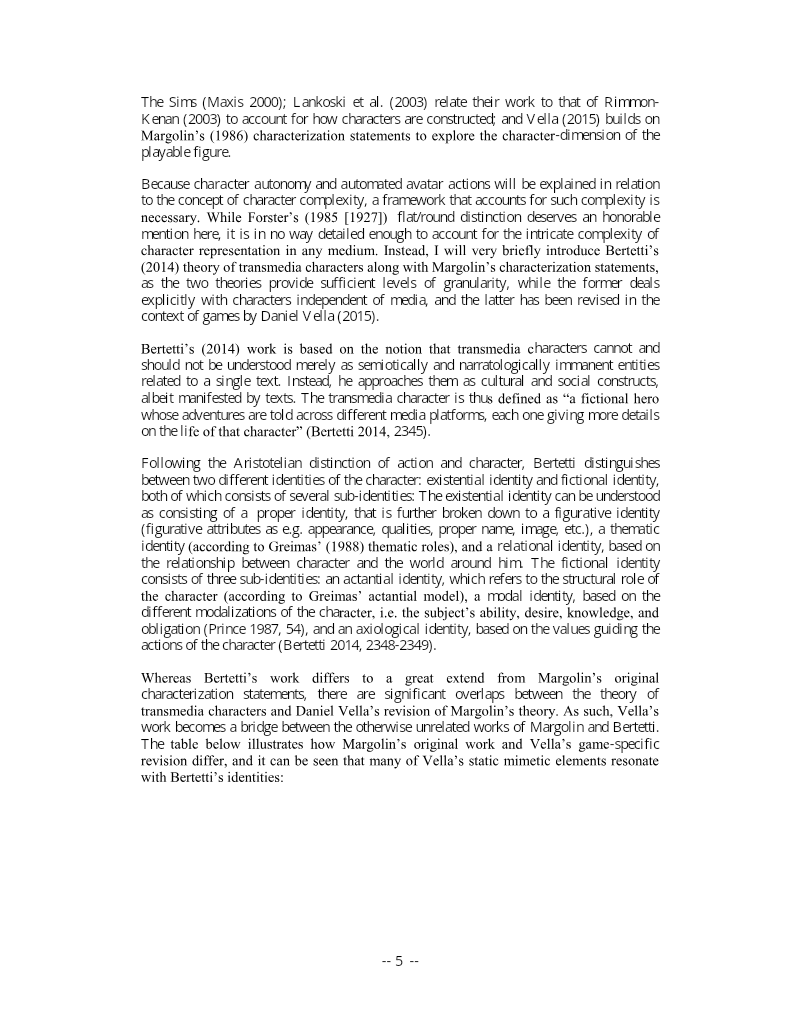
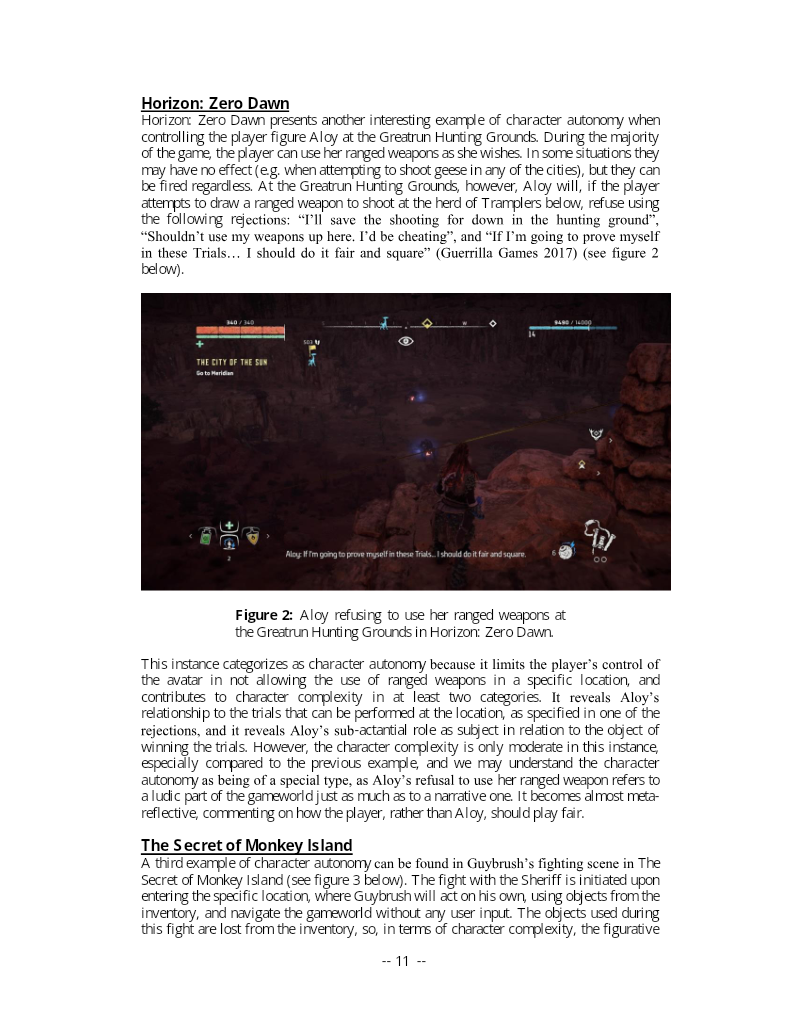
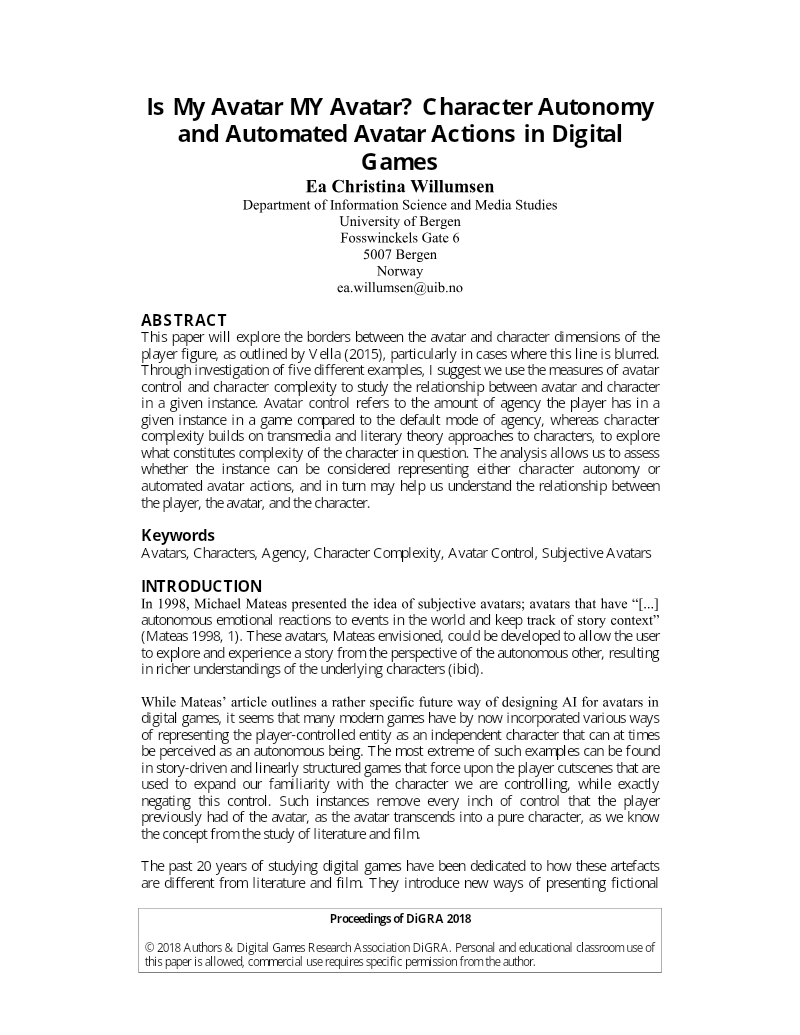
Is My Avatar MY Avatar? Character Autonomy and Automated Avatar Actions in Digital Games
Willumsen's paper addresses a persistent question in game studies: when a player-controlled avatar acts, is the action expressing the player's agency or the independent will of a fictional character?
Incongruous Avatars and Hilarious Sidekicks: Design Patterns for Comical Game Characters
This paper proposes a structured approach to humour in game character design, grounding its analysis in classical theories of humour, namely superiority, relief, and incongruity.
- The paper argues that game character humour (based on superiority, relief, and incongruity theories) can be systematically organised into reusable design patterns rather than treated as an ad hoc writing choice.
- The central contribution is a pattern language of eleven humour patterns, including COMIC AVATAR, COMIC DUO, COMIC SIDEKICK, COMIC BOSS, COMIC SOCIOPATH, and LOVABLE LOSER, each illustrated with examples from titles such as The Secret of Monkey Island, Sam & Max, Conker's Bad Fur Day, Portal 2, and Knights of the Old Republic.
- For each pattern the authors identify design trade-offs, most notably between humour and player identification or narrative tension.
Companies behind it

As the documents state it.