Ready or Not
Game
Documents about Ready or Not
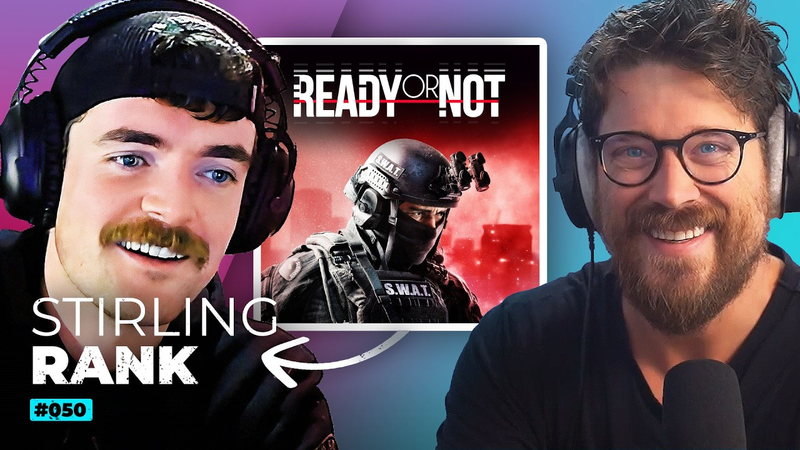
Stirling Rank: How He Sold 9 Million Copies Of His Game, 8 Years Of Dev, Unity v Unreal | Ep. #050
The development of a successful tactical shooter requires a delicate balance between maintaining artistic integrity and navigating the pragmatic demands of the global gaming market.
- Stirling Rank’s tactical FPS game, Ready or Not, has achieved 9 million copies sold after approximately eight years of development.
- The game’s success is attributed to its 'offensively honest' approach, incorporating controversial themes like drug trafficking and violence as core narrative hooks.
- Rank advocates for using Unreal Engine over Unity, citing concerns over Unity's historical royalty structures and tracking algorithms.
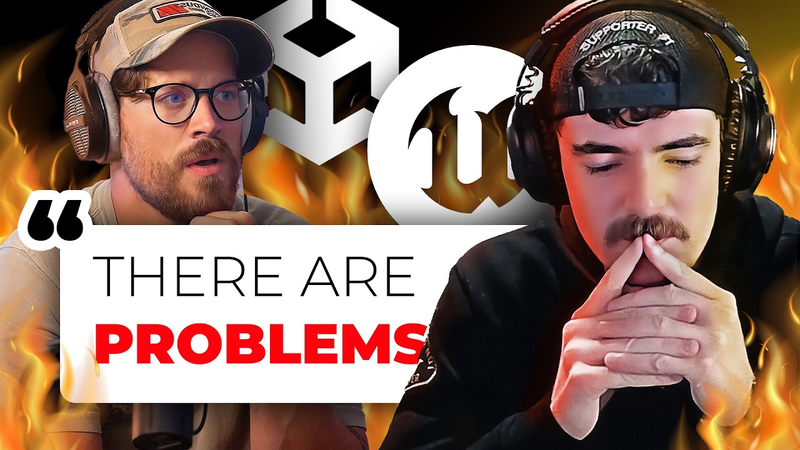
Which Game Engine Is Best In 2025? UNITY vs. UNREAL?
The choice between Unity and Unreal Engine remains a central debate for independent game developers, particularly those focused on first-person shooters.
- Both Unity and Unreal Engine face significant performance bottlenecks regarding real-time shadow casting, requiring developers to manually limit the number of shadow-casting lights to maintain acceptable frame rates.
- Unreal Engine is often preferred for 3D and FPS projects due to its out-of-the-box support for features like Lumen, which provides real-time global illumination that is more difficult to achieve in Unity.
- The choice of game engine is frequently driven by team familiarity with specific programming languages, such as C++ for Unreal, and the need for cost-effective development tools for early-stage studios.

Gaming Today with Studio GM Chris Stone | 362
The gaming industry is currently navigating a significant post-pandemic correction characterized by a shift away from the unsustainable growth, aggressive over-hiring, and inflated salary expectations that defined the previous few years.
- The gaming industry has shifted from a pre-COVID era of easily accessible $100 million budgets for AAA projects to a current environment where investors are significantly more risk-averse.
- Remote and hybrid work models have disrupted traditional project management, as the lack of in-person interaction makes it difficult to gauge individual productivity, maintain team shorthand, and build the trust necessary for effective leadership.
- Managing remote teams requires a personalized approach, as managers must account for varying home-life constraints and individual work styles rather than relying on standardized, pre-prescribed recipes for team composition.
Indie breakout: Stirling Rank's Rise with Ready or Not
The tactical shooter Ready or Not serves as a case study in independent game development, demonstrating how a commitment to core gameplay loops and a distinct creative vision can overcome the limitations of a small, inexperienced team.
- Void Interactive successfully launched Ready or Not into early access after five years of development by prioritizing a clear vision and community engagement over traditional crowdfunding.
- The studio utilized a supporter program and a high-quality gameplay trailer to generate initial capital and traction, with the supporter edition accounting for a significant portion of early revenue despite representing a smaller percentage of total unit sales.
- Scaling the team proved challenging; the company grew from three founders to 15 employees before compressing back down to five, highlighting the difficulty of managing rapid expansion without structured roles.
Companies behind it
As the documents state it.