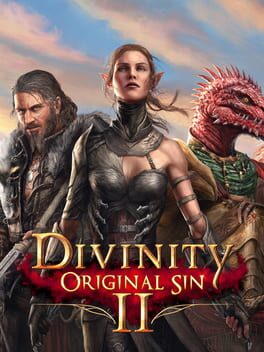
Divinity: Original Sin II
GameBy Larian Studios · Released Sep 2017
Divinity: Original Sin II is a single- and multiplayer top-down, party-based role-playing game with pen & paper RPG-like levels of freedom. It features turn-based combat, a strong focus on systematic gameplay and a well-grounded narrative.
Connections
Each row is a game or company named alongside Divinity: Original Sin II, each column a document, oldest first. A mark means that document names it. Select a row to see those documents.
About the game
- Released
- Sep 2017
- Developers
- Larian Studios, Elverils LLC
- Genres
- Role-playing (RPG), Strategy, Turn-based strategy (TBS), Adventure
- Platforms
- PlayStation 4, PC (Microsoft Windows), iOS, Mac, Xbox One
Game data from IGDB.com
Documents about Divinity: Original Sin II
The 10 Games I've Played Most On Steam
This analysis examines the personal gaming habits of a prominent industry commentator, focusing on the ten most-played titles on their Steam account.
- Larian Studios' titles Baldur's Gate 3 and Divinity: Original Sin II are highlighted for their high-quality, non-filler combat systems and their ability to 'say yes to the player' through deep, interlocking mechanics.
- CrossCode, a Zelda-like RPG, is noted for its brilliant concept of an MMO-within-a-game, earning 155.1 hours of playtime across multiple playthroughs.
- Hundred Line Last Defense Academy is described as an extreme example of a slow-burn narrative, where the initial 30-hour playthrough functions primarily as a prologue to the actual game.
Select Your Instrument: Musical Character Customization in Divinity: Original Sin II
This work-in-progress paper by Ragnhild Solberg examines the musical character customization feature in Divinity: Original Sin II (Larian Studios, 2017), in which players select a lead "origin instrument" during character creation.
- The paper argues that the musical origin-instrument choice in Divinity: Original Sin II (Larian Studios, 2017) is more than cosmetic: it shapes world-building, the characterization of the player's avatar, and the player's sense of identity.
- The four selectable instruments are the bansuri, cello, oud, and tambura, each analyzed for its historical and geographical context and its traditionally associated styles, moods, and keys.
- The instrument-choice mechanic reflects the game's narrative of individuals ascending toward godhood, while the pastoral, bard-like associations of the melodic material cast the player character more as a storyteller than a deity.
Companies behind it
As the documents state it.