America's Army
Game
2 documents in the library are about America's Army, from writers such as Extra Credits and Video Games Industry Memo. Each has a summary and key insights with the page they come from.
Connections
Each row is a game or company named alongside America's Army, each column a document, oldest first. A mark means that document names it. Select a row to see those documents.
Documents about America's Army

Article
ARMA at War
The intersection of realistic military simulation games and real-world conflict presents significant ethical and operational challenges for developers.
- Bohemia Interactive has manually reviewed over 180,000 modded units over the past 12 years, removing more than 20,000 to combat the recreation of massacres and extremist content.
- The studio is transitioning from manual oversight to AI-driven moderation tools to manage the risks associated with its open modding architecture.
- Bohemia Interactive actively collaborates with international fact-checkers and media outlets to debunk instances where ARMA footage is misappropriated as genuine combat video in news and social media.
Video Games Industry MemoSep 2025
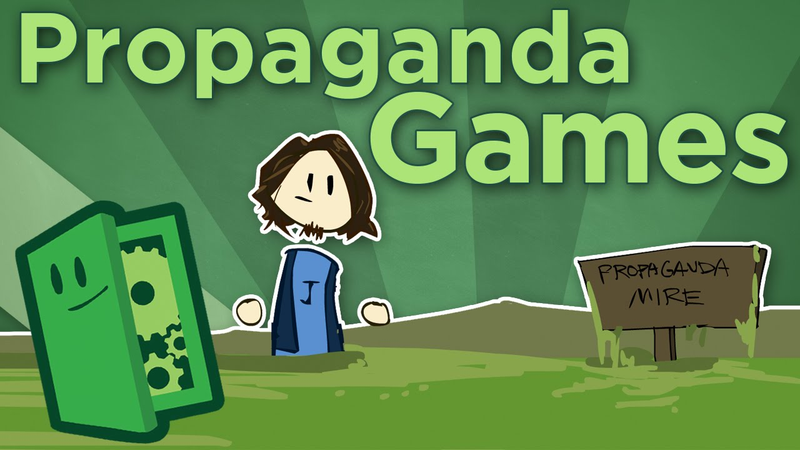
Extra Credits9 min
Propaganda Games - Ethical Game Design - Extra Credits
The primary purpose of this analysis is to examine how video games function as tools for ideological influence, distinguishing between overt propaganda and the more insidious risks posed by lazy, unexamined game design.
- Video games function as powerful tools for ideological influence because the sense of agency and choice inherent in gameplay encourages players to internalize the worldviews presented by the game mechanics.
- The most significant risk to players is not overt propaganda, such as the recruitment tool 'America’s Army' or the extremist 'Zog’s Nightmare,' but rather 'lazy design' in mainstream titles that subtly normalizes prejudice.
- Mainstream games often utilize Skinner box techniques to mechanically incentivize the killing of specific ethnic or religious groups, effectively training players to accept harmful stereotypes through repetitive reward loops.
Extra CreditsMay 2012