Key insights
6 slides
The core issue
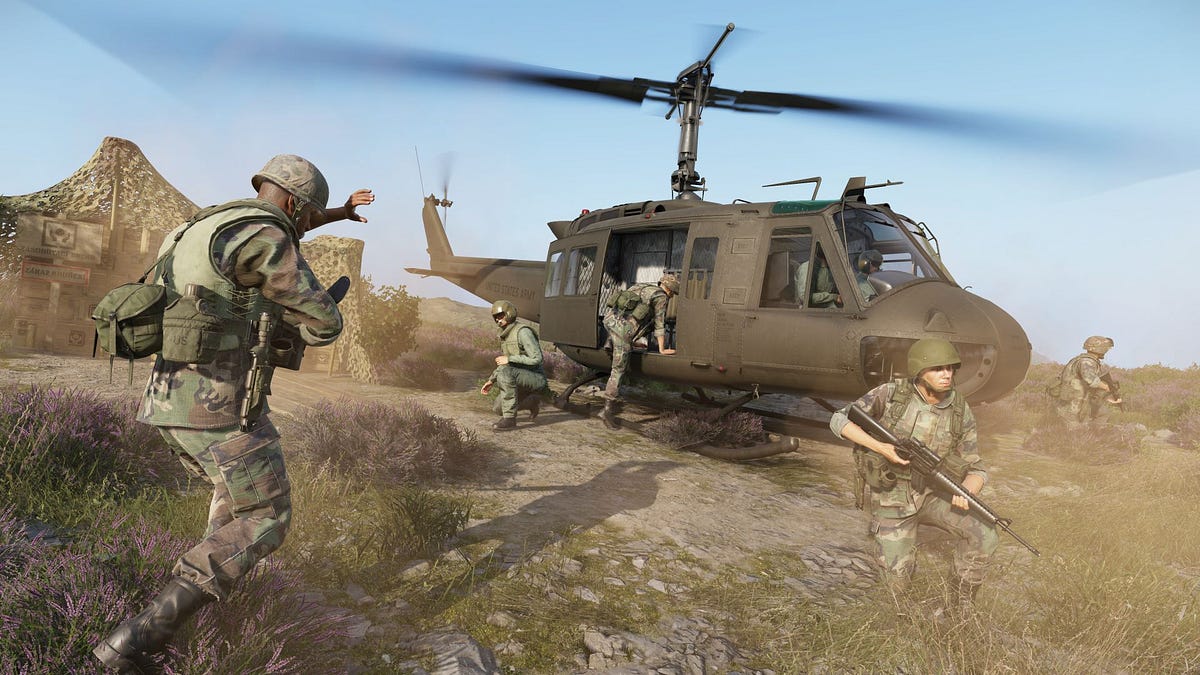
ARMA footage is frequently misappropriated as genuine combat video.
The game's realistic assets are used to create disinformation.
Fact-checking
The studio collaborates with international fact-checkers to debunk fake footage.
Bohemia Interactive maintains direct communication channels with international fact-checking organizations. It works with media outlets to identify and debunk such content.
Manual review
The studio manually reviewed over 180,000 modded units in 12 years.
Bohemia Interactive removed more than 20,000 units to combat the recreation of massacres.
AI transition
The studio is transitioning toward automated, AI-driven moderation tools.
The platform is currently moving from manual oversight to AI-driven tools.
Commercial history
The ARMA engine was adapted into Virtual Battle Space for training.
The engine was previously adapted into VBS for military training purposes. Bohemia Interactive sold its commercial simulation business to BAE Systems for $200 million in 2022.
Legal guardrails
The studio enforces strict end-user license agreements to prevent misuse.
These agreements are designed to prevent unauthorized military or extremist use. They apply to the studio's consumer software despite its high-fidelity assets.
1 / 6
Ask AI about this report