1 free read left. Create a free account for unlimited reading + AI research.
Create free accountWhitepaper DiGRA
1 free read left. Create a free account for unlimited reading + AI research.
Create free accountWhitepaperDiGRA
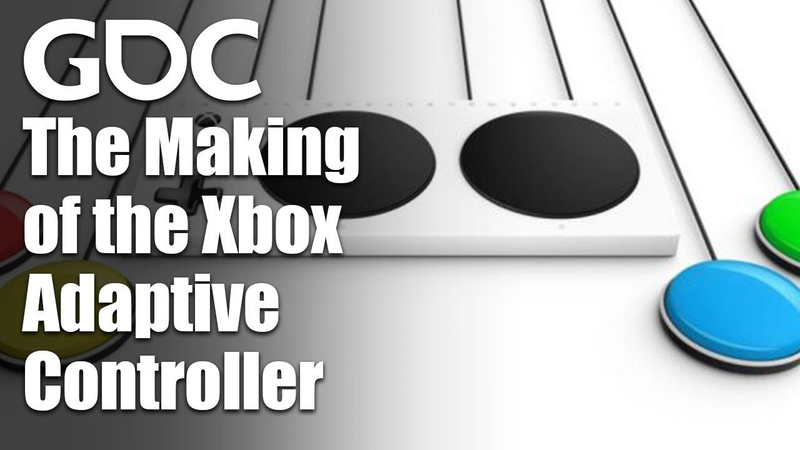
Console controllers for Xbox and PlayStation require two dexterous hands, which many of these children lack.
This study, presented at the DiGRA 2005 conference, argues that children with disabilities, particularly those with cerebral palsy, do not primarily need specially designed games; they want to play the same commercial titles as their peers. The principal barrier they face is physical: console controllers such as those for Xbox and PlayStation require two dexterous hands, which many of these children lack. The paper frames itself as the opening phase of an ongoing project to develop input devices that let disabled players join mainstream multiplayer games, and it also considers whether games can be used to assess and build the abilities of disabled people for greater social integration.
The evidence rests on a small qualitative investigation. Informal interviews were conducted with cerebral palsy students aged 18 to 21 at a centre attached to a mainstream high school, with structured follow-up discussions with their teacher. Students reported that games made them feel happier, improved their self-esteem, and offered a sense of social belonging, while one student believed driving games helped him control a powered wheelchair. The author also reviews a body of literature on children's computer use, including a UK study of 1,680 children and a New Zealand study of 500, which generally links moderate computer use with cognitive and academic benefits but reports adverse outcomes, such as obesity and aggression, with heavy use. The paper is candid that much of this research is qualitative and that systematic evidence remains limited.
The paper concludes that accessible, configurable input devices would meaningfully enhance the emotional, social, and educational lives of children with disabilities, and it reviews existing adaptive controllers, judging them either ill-suited to disabled users or expensive and cumbersome. Its findings are based on a very small and specific sample, so they are best regarded as exploratory and motivating further research into adaptive hardware and multiplayer accessibility.
Each row is a game or company this document names, each column a document, oldest first. A mark means that document names it. Select a row to see those documents.



DiGRA · 2016



DiGRA · 2016



DiGRA · 2016



DiGRA · 2016



DiGRA · 2016



DiGRA · 2016

DiGRA · 2015



DiGRA · 2015



DiGRA · 2015
DiGRA · 2015
DiGRA · 2015
DiGRA · 2015
GameMakers · 2021