ArticleOverwolf
Why Most Gaming Ads Fail to Engage (And How Yours Can Succeed)
28 Jun 20261 pages~8 min full read
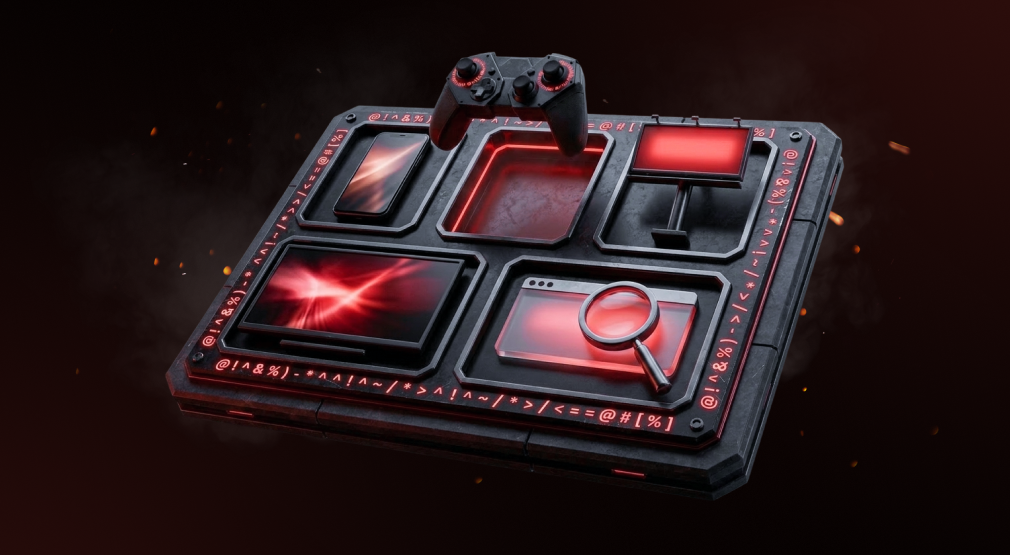
The primary challenge facing enterprise media buyers in the gaming sector is not creative execution, but rather the structural fragmentation of inventory and measurement. Because individual game publishers operate within isolated ecosystems with disparate reporting standards and definitions of viewability, executing cross-title campaigns remains inefficient and difficult to audit. The thesis posits that successful engagement requires shifting from fragmented, title-by-title deals to a unified inventory layer that normalizes data, metrics, and creative standards across multiple AAA titles.
To achieve scale and high video completion rates, advertisers must prioritize contextual targeting over brute-force frequency. By aligning ad delivery with specific in-game moments—such as natural session breaks, loading screens, or non-intrusive, opt-in milestones—brands can protect player sentiment and improve engagement. Disruptive placements that interrupt active gameplay consistently result in higher skip rates and lower performance, regardless of the precision of the audience targeting.
Effective cross-title campaigns rely on a single, unified source of truth that provides clean, audit-ready reporting. By utilizing a centralized inventory layer, buyers can consolidate performance metrics, eliminate audience over-saturation, and ensure that viewability standards remain consistent across the entire campaign. This approach replaces the manual, error-prone process of reconciling conflicting datasets from various publishers, ultimately allowing brands to connect ad exposure to validated dwell time and tangible business outcomes.

Overwolf · 2026

Overwolf · 2026
Overwolf · 2026
Overwolf · 2026
Overwolf · 2026

Overwolf · 2026
Overwolf · 2026

Overwolf · 2026

Overwolf · 2026

Overwolf · 2026
Overwolf · 2026
Overwolf · 2026

Moloco · 2026

SocialPeta · 2021

Gamesight · 2026

SocialPeta · 2026

InvestGame · 2026

SocialPeta · 2026

SocialPeta · 2025

SocialPeta · 2025

Sensor Tower · 2025

SocialPeta & Reforged Labs · 2025
Sensor Tower · 2025
Video Game Insights · 2025