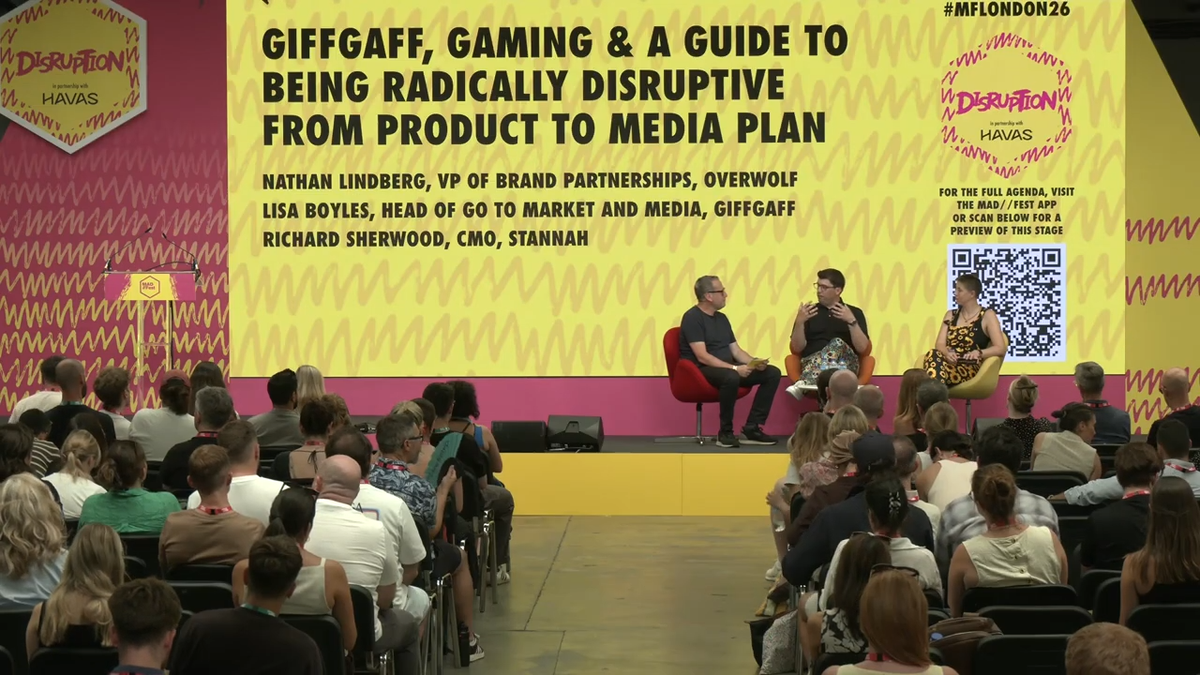
Gaming represents a significant opportunity for advertisers to capture consumer attention, yet it remains underutilized in modern media planning. While digital gaming accounts for over one hour of daily consumption per US consumer, it currently receives less than 5 percent of worldwide media investment. The primary thesis is that media planners should transition gaming from an experimental budget allocation to a permanent, core media line to capitalize on this disparity and achieve incremental reach beyond traditional channels like connected TV and social media.
The industry landscape for 2026 indicates that while nearly 60 percent of the US population engages in digital gaming, in-game advertising is projected to comprise only 2.3 percent of total US digital ad spend. To bridge this gap, media buying should align with specific campaign objectives using established frameworks. Standardized, IAB-compliant display and video formats allow for seamless integration into existing programmatic workflows, while custom media and native activations—such as in-game skins, tournaments, and branded mods—offer deeper contextual engagement.
Effective media planning in this space relies on deterministic audience intelligence rather than inferred interests. By leveraging gameplay behavior and hardware signals, advertisers can achieve precise targeting. While third-party validations from organizations like Comscore and Adelaide provide credibility, they do not replace the necessity for rigorous, campaign-level measurement of metrics such as viewability and brand lift. Ultimately, gaming should be treated as an addressable, measurable channel that functions alongside existing media investments to drive scalable and impactful audience engagement.

Overwolf · 2026
Overwolf · 2026
Overwolf · 2026
Overwolf · 2026
Overwolf · 2026
Overwolf · 2026
Overwolf · 2026

Overwolf · 2026
Overwolf · 2026

Overwolf · 2026
Overwolf · 2026
Overwolf · 2026
Anzu · 2026
Apptica · 2025

Liftoff · 2024

Anzu · 2023

SocialPeta · 2023
SocialPeta · 2022

AudioMob · 2021
GEEIQ · 2026
Gamesight · 2026

SocialPeta · 2026
SocialPeta · 2026
SocialPeta · 2026