
ArticleVideo Games Industry Memo
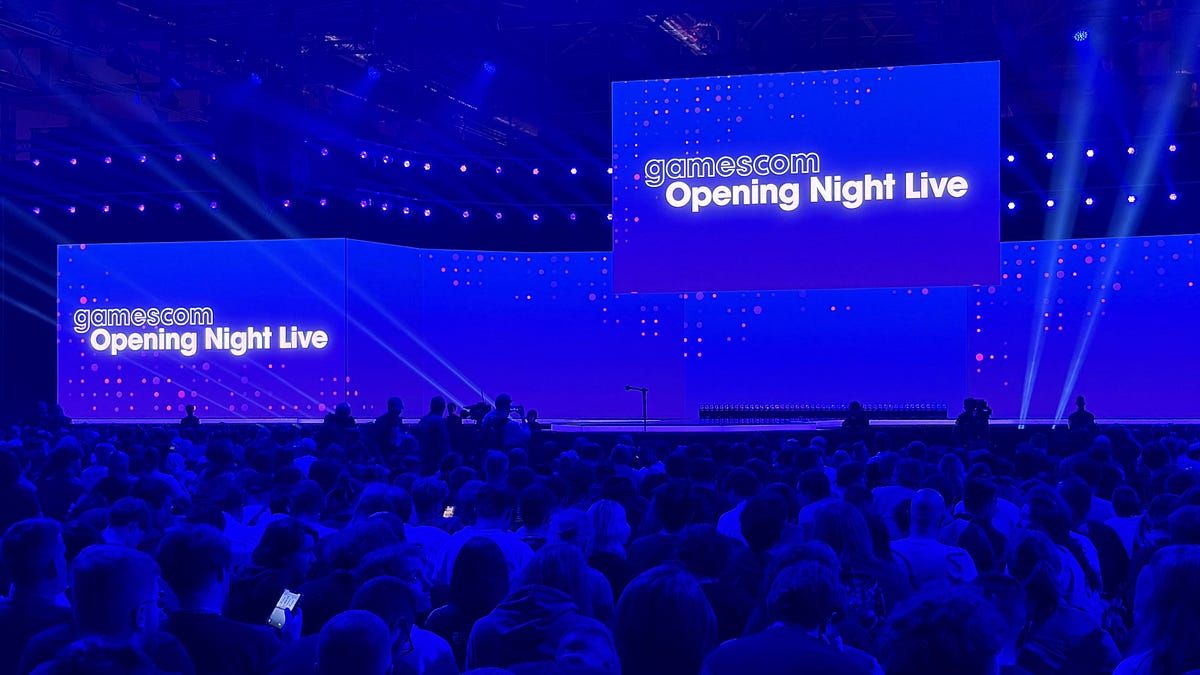
Why Are There So Many Video Game Showcases?
31 Jul 20251 page~17 min full read
Key insights
8 slides
Context
The industry shifted from centralized E3 to independent digital showcases.
The video game industry has experienced a significant proliferation of digital showcases. This trend is characterized by a massive increase in volume.
Key number
Over 7,070 games were revealed across 35 summer showcases in 2025.
This represents a 35-fold increase in announcements compared to the final year of E3 in 2021. The volume of game announcements has surged significantly.
What changed
Publishers host their own events to control messaging and reduce costs.
Publishers are increasingly opting to host their own events to maintain direct control over messaging. They also avoid the high costs associated with traditional trade shows.
The rising bill
Showcase volume outpaces the 11% growth in the global gaming audience.
The growth in showcase volume significantly outpaces the global gaming audience. The audience grew by only 11% over the same period.
The problem
Market saturation creates a 'showcase-pocalypse' that dilutes announcement impact.
This saturation challenges consumer attention and diminishes the impact of individual announcements. The sheer volume of content makes it difficult for titles to stand out.
What's next
Analysts suggest a shift toward interactive discovery platforms like Steam Next Fest.
Industry analysts suggest that the future of game discovery may shift toward more interactive formats. These formats allow for direct consumer engagement through playable demos.
Implications
Future showcases must improve curation, pacing, and scheduling to remain viable.
To remain viable, future showcases will likely need to focus on better curation and improved pacing.
Context
A larger number of developers from diverse backgrounds require dedicated platforms.
Industry experts suggest that this expansion also reflects the natural growth of the gaming ecosystem. A larger number of developers from diverse backgrounds require dedicated platforms to reach consumers.
1 / 8
Ask AI about this report

















Comments