1 free read left. Create a free account for unlimited reading + AI research.
Create free accountWhitepaper ETC Press
1 free read left. Create a free account for unlimited reading + AI research.
Create free accountWhitepaperETC Press
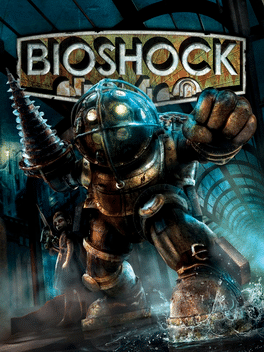
Video games function as complex cultural artifacts that require rigorous scholarly analysis to understand how design, narrative, and social dynamics converge to shape the player experience. By applying frameworks such as Aristotelian poetics and structural drama, it becomes clear that successful titles like BioShock and Portal achieve depth through immersive, architect-driven environments that force players to reconcile philosophical ambition with mechanical reality. These games demonstrate that narrative engagement is not merely a byproduct of story but an active integration of setting, tone, and player agency.
Beyond individual narrative experiences, the social architecture of gaming environments plays a decisive role in performance and success. In strategy-based titles, the most effective clans prioritize community cohesion, altruism, and the mentorship of new players over raw individual skill. These social structures create interdependent ecosystems where collective discipline and resource sharing become the primary drivers of victory. This highlights a shift in focus from solitary strategic planning to the management of complex human dynamics within digital spaces.
A comprehensive evaluation of the medium requires a ternary model that balances formal mechanics, dramatic elements, and player agency. This framework reveals that identical core systems can produce vastly different outcomes, ranging from the purely addictive nature of casual puzzle games to the critical social commentary found in narrative-driven titles. Whether simulating the high-pressure career path of a professional athlete or challenging players with provocative social themes, the most successful games are those that align their design intent with their mechanical execution. Ultimately, the value of a game is defined by its ability to ground fantastical or simulated premises in structures that resonate with the player’s sense of purpose and professional or personal ambition.
Each row is a game or company this document names, each column a document, oldest first. A mark means that document names it. Select a row to see those documents.

ETC Press · 2023

ETC Press · 2023

ETC Press · 2022

ETC Press · 2022

ETC Press · 2022

ETC Press · 2022
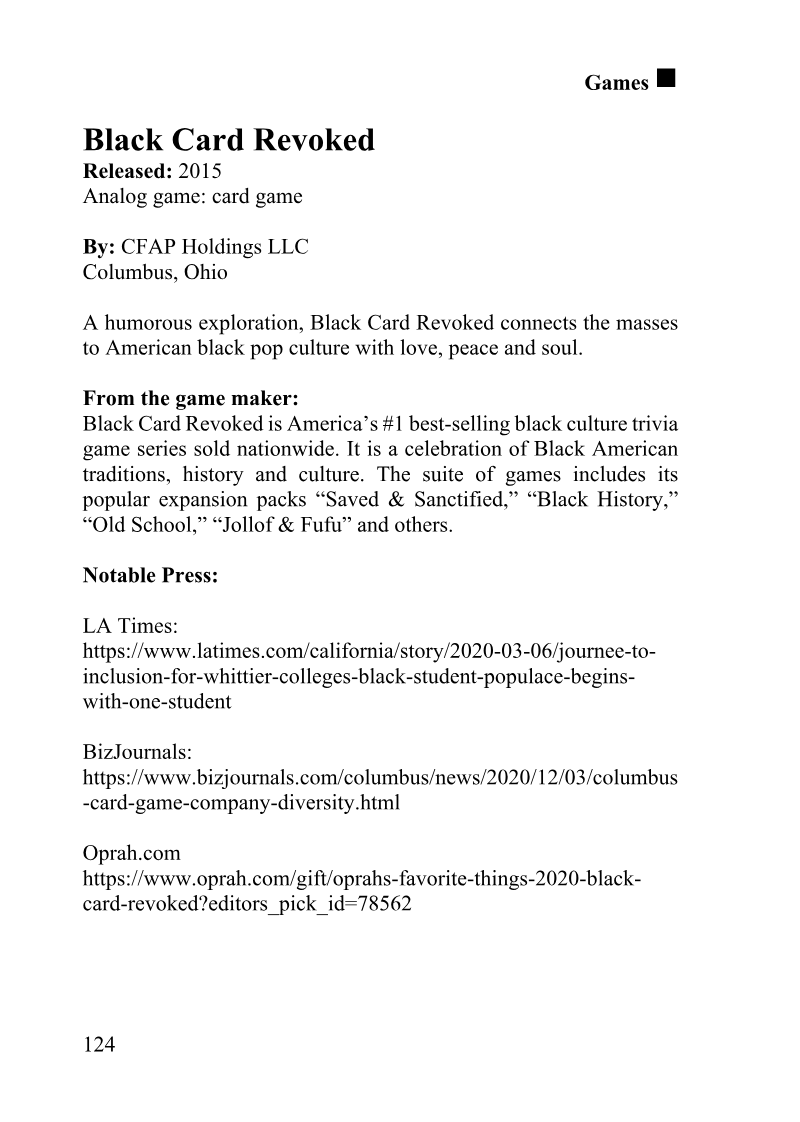
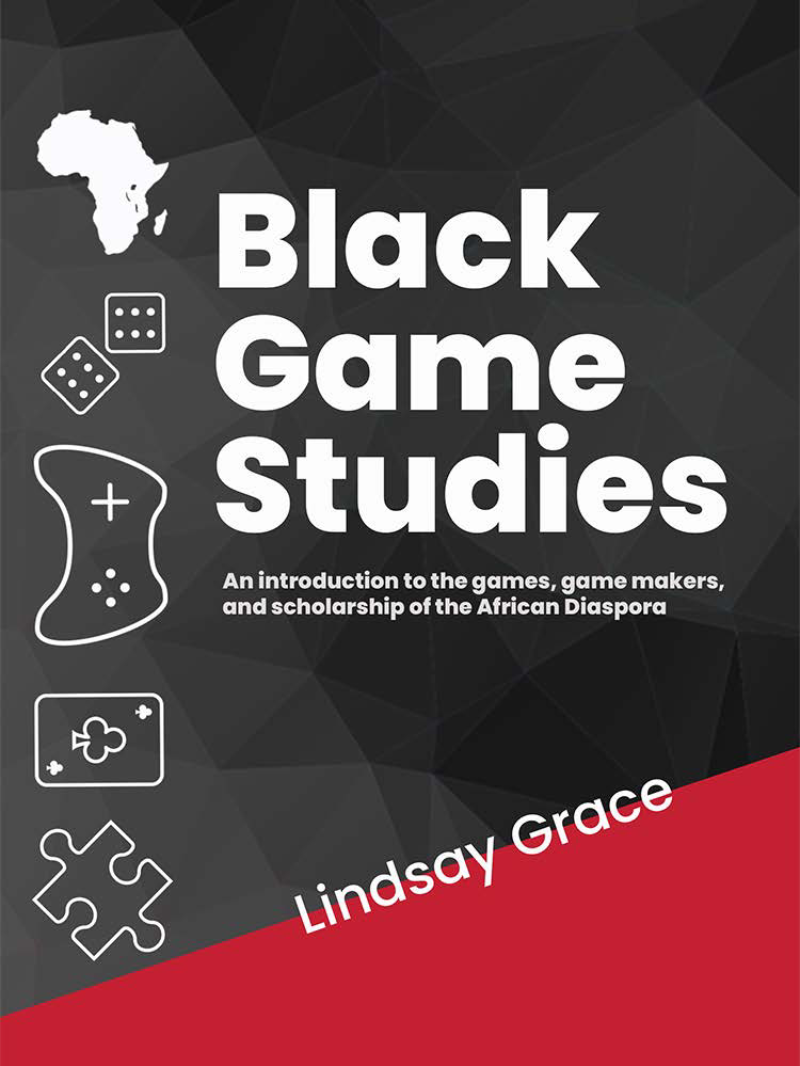
ETC Press · 2021
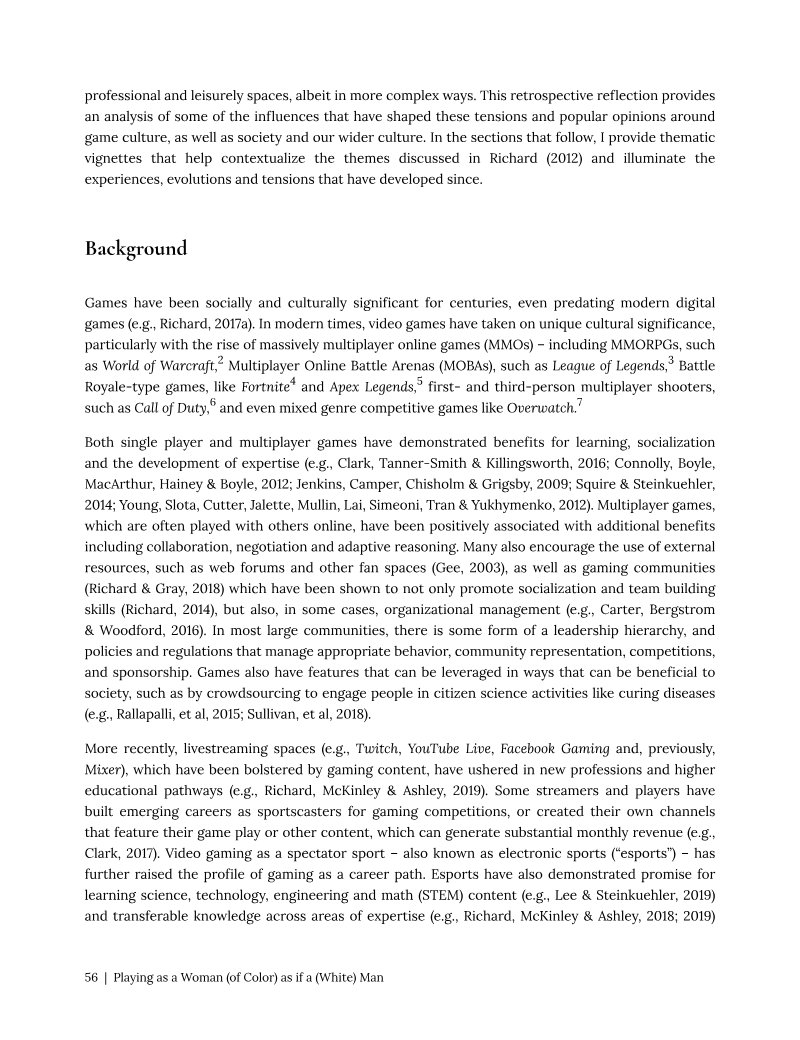
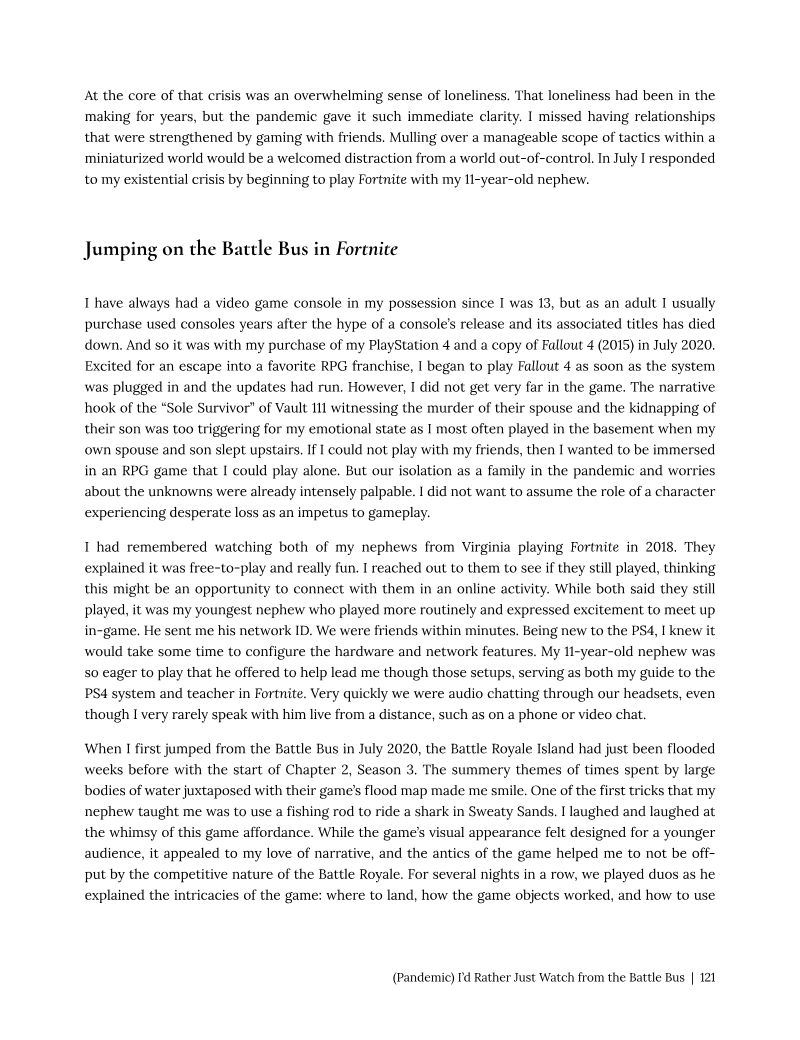
ETC Press · 2021

ETC Press · 2021

ETC Press · 2021
ETC Press · 2021
ETC Press · 2020
DiGRA · 2026