Saudi Arabia is executing a long-term strategy through Savvy Games Group to establish the nation as a global hub for gaming and esports via large-scale capital deployment and infrastructure development.
Cross-platform play has become a fundamental requirement for live-service sustainability, as developers prioritize platform-agnostic environments to maintain unified player bases across console, PC, and mobile.
The industry is experiencing a period of professionalization and consolidation, heavily influenced by massive state-backed investments and a technical shift toward seamless cross-platform integration.
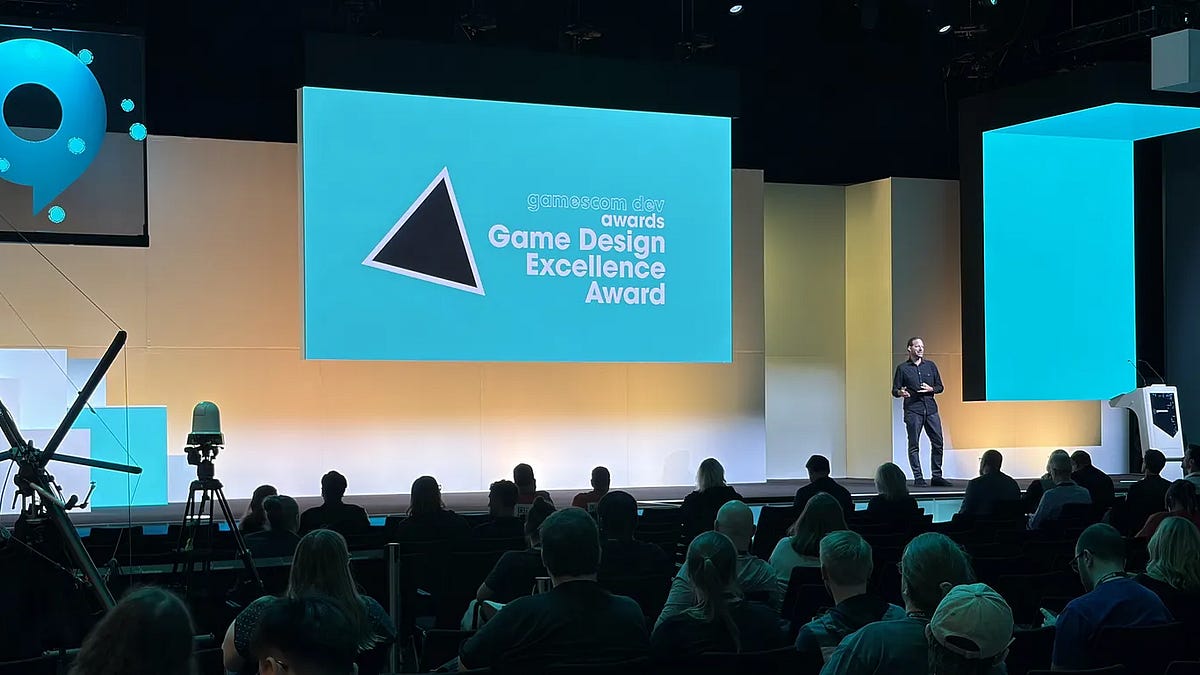
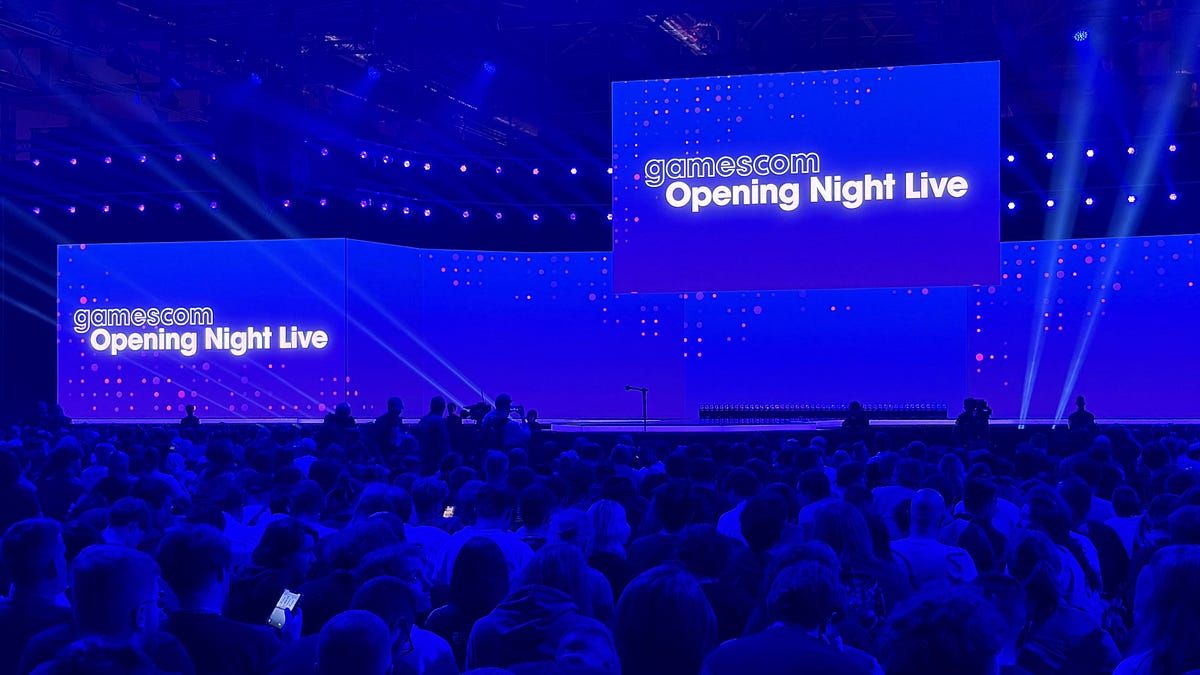
Gamescom continues to function as a critical nexus for B2B networking and cultural exchange, maintaining its status as a vital pillar of the industry despite the broader trend toward digital business operations.
Modern game development success is increasingly defined by the ability to retain audiences in a saturated global market through unified, multi-platform ecosystems.
The August 2024 industry update highlights the evolving strategic landscape of the global video game market, with a primary focus on Saudi Arabia’s sovereign investment trajectory and the shifting technical foundations of the sector. Central to this analysis is the annual report from Savvy Games Group, which delineates the Kingdom’s long-term ambitions to become a global hub for gaming and esports. The strategy emphasizes large-scale capital deployment and infrastructure development intended to diversify the national economy and establish a permanent foothold in the international publishing and competitive gaming ecosystems.
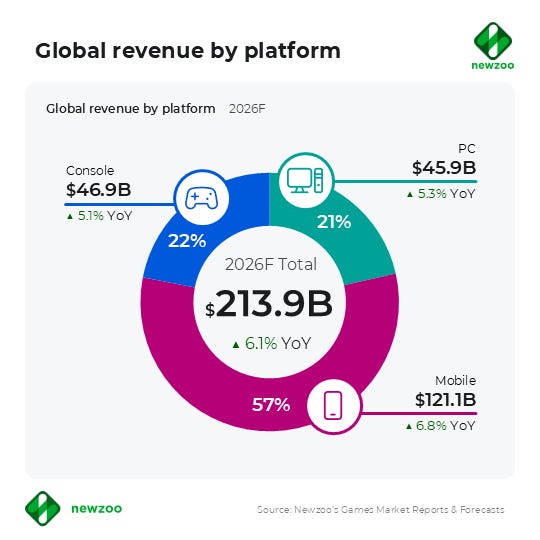
Market analysis from Newzoo further identifies the rise of cross-platform play as a dominant trend shaping the current era of game development. This shift reflects a broader industry movement toward platform agnosticism, where success is increasingly defined by the ability to maintain unified player bases across console, PC, and mobile environments. This transition is viewed not merely as a technical hurdle but as a fundamental requirement for modern live-service sustainability and audience retention in a saturated global market.
The cultural and economic significance of Gamescom is also examined, positioning the event as a vital pillar of the industry that extends beyond simple consumer marketing. The gathering serves as a critical nexus for business-to-business networking and cultural exchange, reinforcing the importance of physical trade shows in an increasingly digital business environment. Geographically, the insights span major global markets with specific attention to the Middle East’s growing influence and the European trade circuit. The findings suggest an industry in a state of professionalization and consolidation, driven by massive state-backed investments and a technical push toward seamless cross-platform integration.