ReportNiko Partners
Japanese Esports on the Rise: Five Teams to Watch
1 Feb 202315 pages~17 min full read
Japan is rapidly evolving from a video game superpower into a significant esports market, overcoming historical regulatory and cultural hurdles. While the country previously lagged behind China and South Korea due to strict anti-gambling laws that capped prize pools and a lack of domestic titles in popular esports genres like MOBAs, recent policy shifts have transformed the landscape. Following the 2019 removal of most legal restrictions and the formation of the Japan Esports Union (JeSU), the market grew by 11% to reach $77 million in 2022.
The ecosystem is characterized by a unique "watching but not playing" culture, where livestreaming and content creation drive engagement among both gamers and non-gamers. This has led to the rise of prominent organizations such as Crazy Raccoon, DetonatioN FocusMe, FENNEL, SCARZ, and ZETA DIVISION. These teams increasingly operate as lifestyle brands, generating revenue through traditional sponsorships, merchandise, and specialized content partnerships. Notably, non-endemic brands like Nissin Foods have entered the space, with sponsorship fees reportedly increasing tenfold over the last five years.
Despite this momentum, the industry faces challenges, including a "Galapagos syndrome" where domestic game preferences differ from global trends, and a power imbalance where publishers maintain strict control over tournament formats. However, the outlook remains optimistic. Industry leaders anticipate further consolidation and professionalization, mirroring the evolution seen in Western markets a decade ago. As teams seek international expansion and venture capital, Japan is positioned to become a major hub for esports talent and tourism in Asia.

Niko Partners · 2026
Niko Partners · 2026

Niko Partners · 2026
Niko Partners · 2026

Niko Partners · 2026
Niko Partners · 2026
Niko Partners · 2026

Deconstructor of Fun · 2026
Niko Partners · 2026

Niko Partners · 2026
Niko Partners · 2025
Niko Partners · 2025

Capcom · 2026

Capcom Co. · 2026

Capcom · 2026
Sony Group Corporation · 2026

Square Enix · 2026
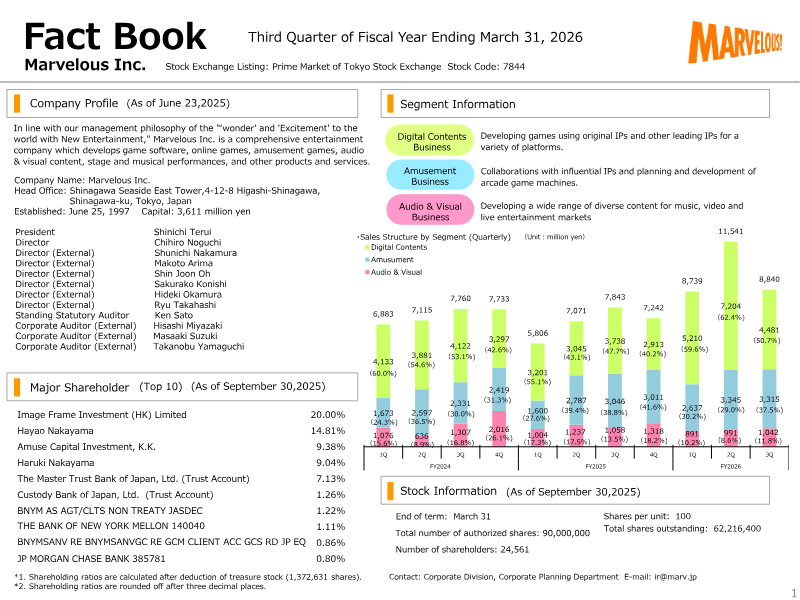
Marvelous · 2026
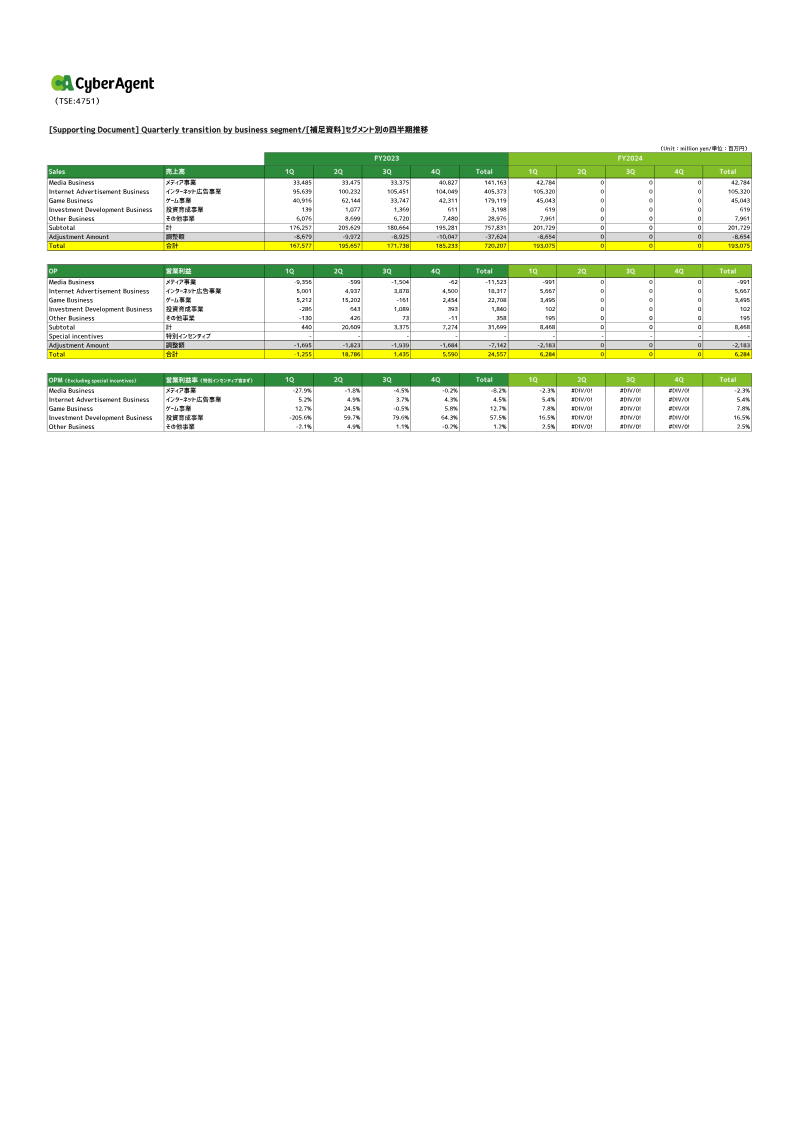
CyberAgent · 2026
Square Enix · 2026
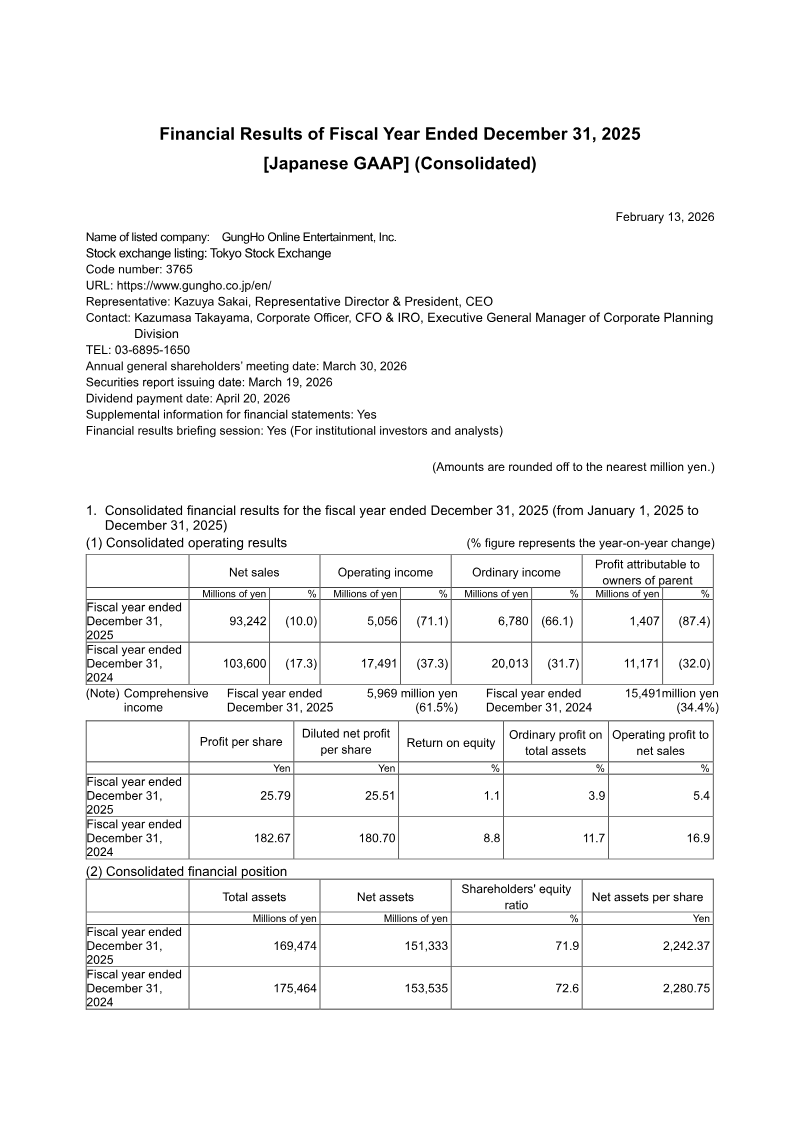
GungHo Online Entertainment · 2026
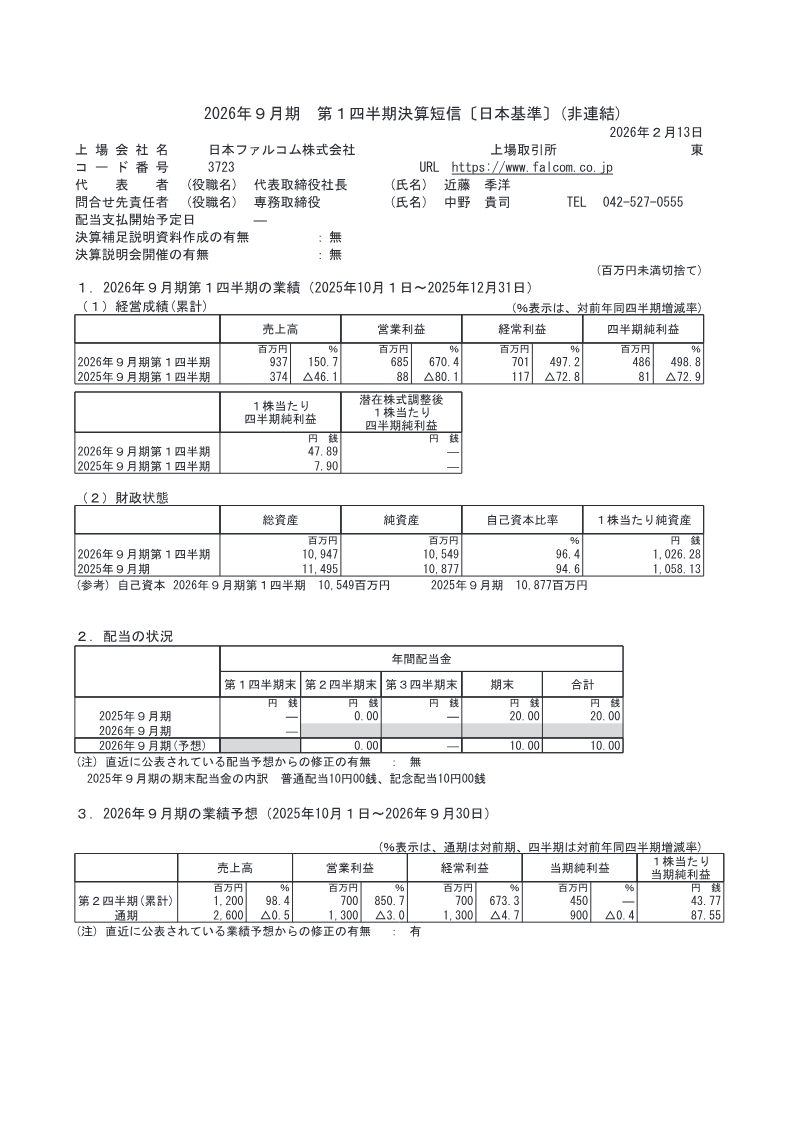
Nihon Falcom Corporation · 2026
Sega Sammy Holdings · 2026
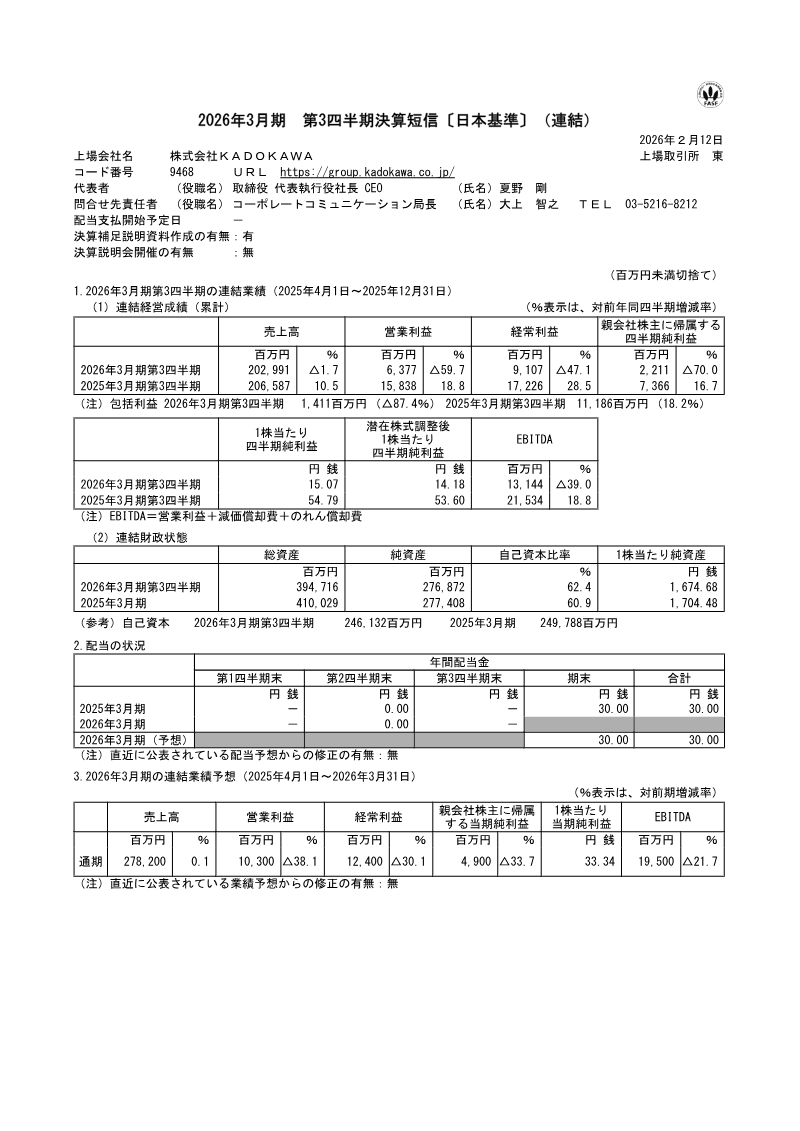
Kadokawa Corporation · 2026