ArticleVideo Games Industry Memo
The UK Social Media Ban Punishes Kids for Our Failure
18 Jun 20261 pages~19 min full read
Key insights
4 slides
The proposal
UK proposes social media ban for under-16s and 16-17-year-olds.
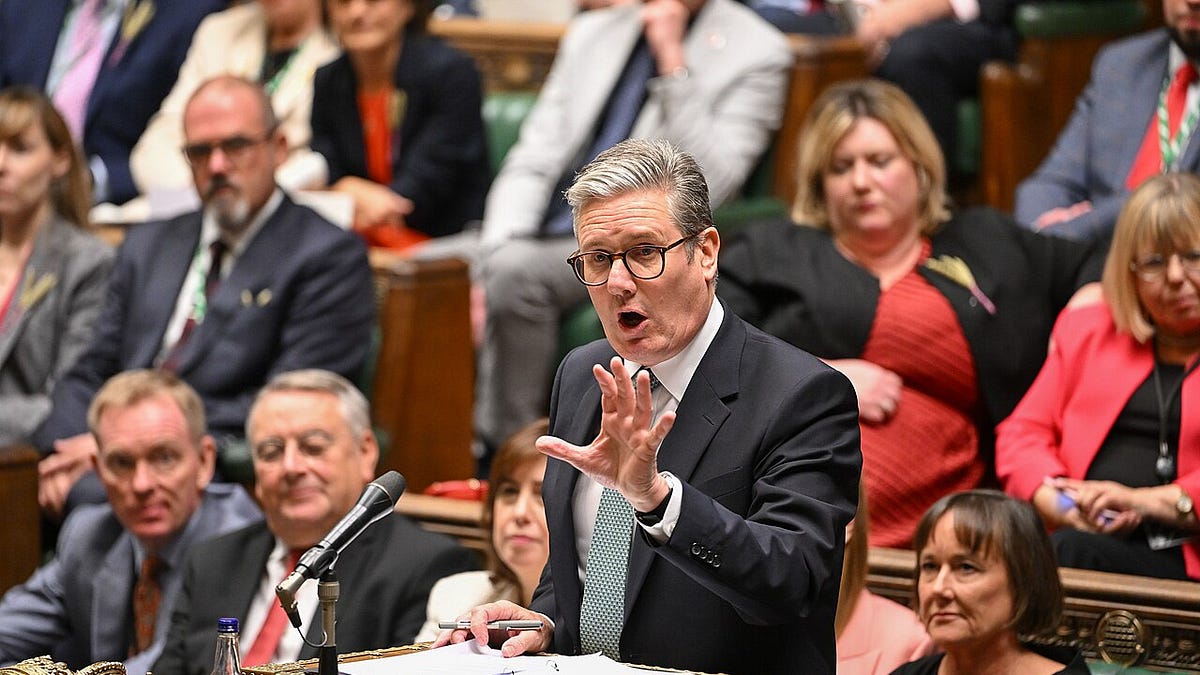
The United Kingdom has proposed a social-media ban for children under 16 and for 16- to 17-year-olds. The article argues this is an ill-conceived, rushed policy.
Survey results
Parents and teens favour age-layered platforms over an outright ban.
Surveys from Savanta indicate strong support for age-layered platforms and parent-guided access. Academic critiques highlight the lack of evidence that a blanket ban would protect young users.
Key number
57% of teenagers rely on social media for news.
The article points out that 57% of teenagers rely on social media for news. Exclusion could reduce their engagement with reliable information sources and leave them more vulnerable to hostile actors.
The alternative
A balanced approach combines education, age-layered platforms, and parental controls.
The article calls for a graduated approach with targeted restrictions rather than an outright prohibition. It concludes that a balanced approach would better safeguard youth while preserving digital literacy.
Balanced approach. A balanced approach combines public education campaigns, age-layered platforms such as Roblox, and parental controls.
- 01Public education campaignsCombine public education campaigns with other safeguards.
- 02Age-layered platformsUse age-layered platforms such as Roblox.
- 03Parental controlsImplement parental controls to safeguard youth.
1 / 4
Ask AI about this report