
The European gaming market experienced a notable contraction in 2025, marking the first significant revenue decline in eight years. Across the five largest European markets (EU5), revenue fell 4% year-over-year to 25.7 billion euros, a downturn largely attributed to a sharp collapse in the console segment, which saw its revenue share drop from 38% to 30% in a single year. While the broader sixteen-country (EU16) analysis reported total earnings of 29.7 billion euros, the shift in market scope makes direct year-over-year comparisons challenging. Digital distribution remains the dominant revenue driver, accounting for 91% of total sales.
The industry landscape is characterized by a massive, diverse audience of 199 million players across the EU16, representing 51% of the population aged 6 to 75. The average European gamer is 34 years old, with women comprising 46% of the total player base. Despite this reach, gaming continues to trail other media in terms of weekly engagement, with the average player spending 8.9 hours per week on games compared to significantly higher figures for social media and television. Employment within the sector also saw a decline, with 123,000 professionals currently working across 8,700 studios.
Methodologically, the findings rely on a comprehensive dataset including GameTrack surveys of 39,371 respondents, actual GSD sales data, and industry reports from the European Games Developer Federation. A significant regulatory shift is underway with the introduction of the most extensive PEGI reform since 2003. Effective June 2026, the system will classify games based on functionality—such as in-game purchases, random items, and engagement-based mechanics—rather than just content. These new standards, which carry strict penalties for non-compliance, will apply to both new releases and existing titles, signaling a major transition in how European developers must approach monetization and game design.

Video Games Europe · 2026

Video Games Europe · 2026

Video Games Europe · 2026

Video Games Europe · 2026

Video Games Europe · 2026
Video Games Europe · 2025
Video Games Europe · 2025
Video Games Europe · 2025
Video Games Europe · 2025

Video Games Europe · 2025

Video Games Europe · 2025

Video Games Europe · 2025

Newzoo · 2026
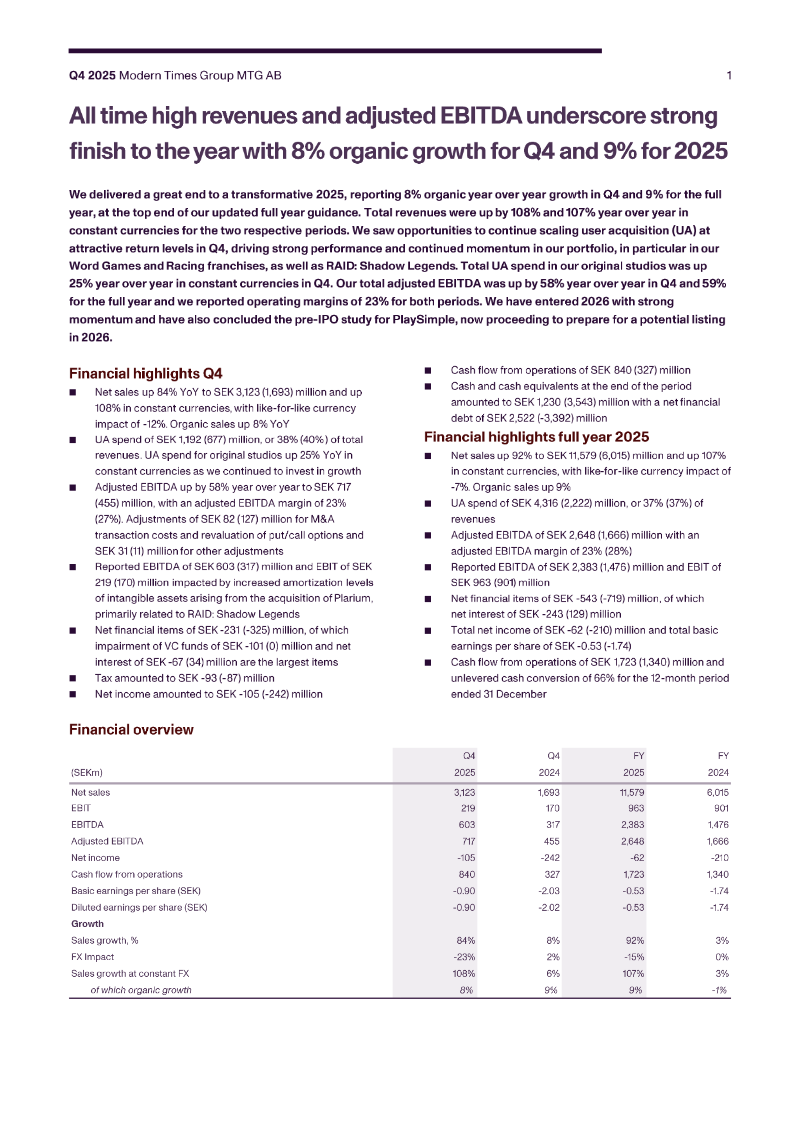
Modern Times Group · 2026
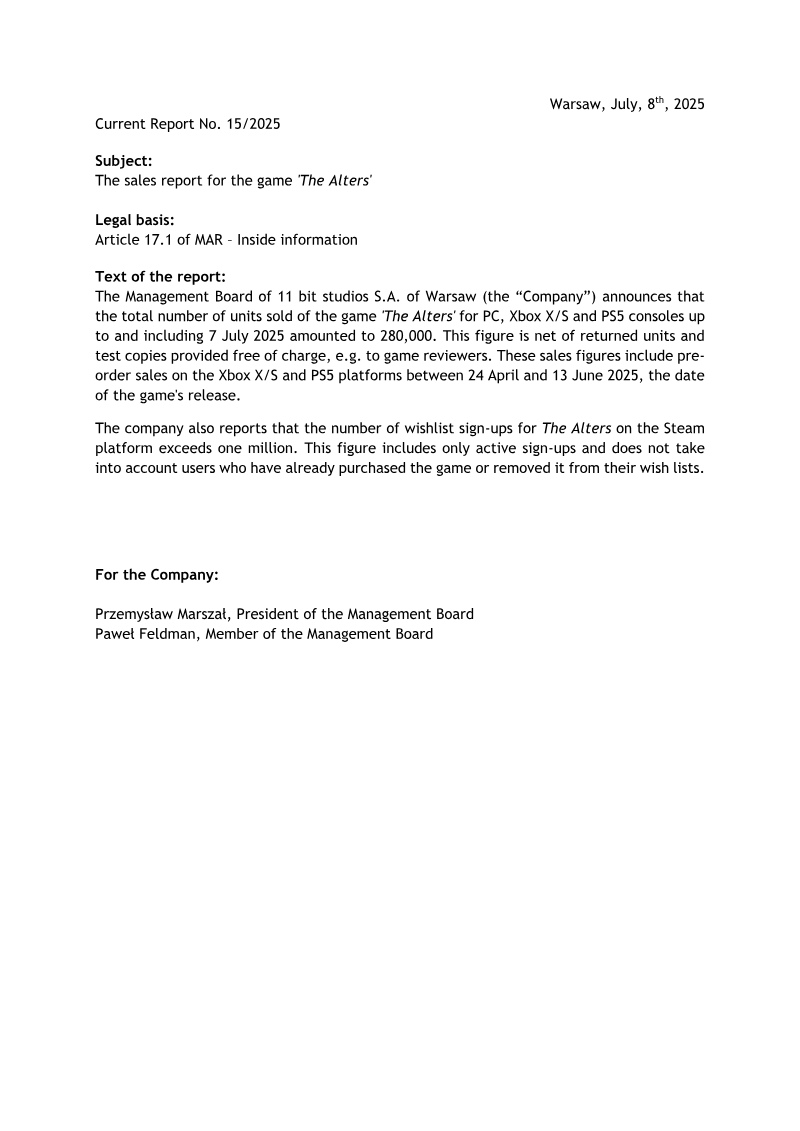
11 bit studios · 2025

Nintendo · 2025

Newzoo & Tebex · 2025

11 bit studios · 2024
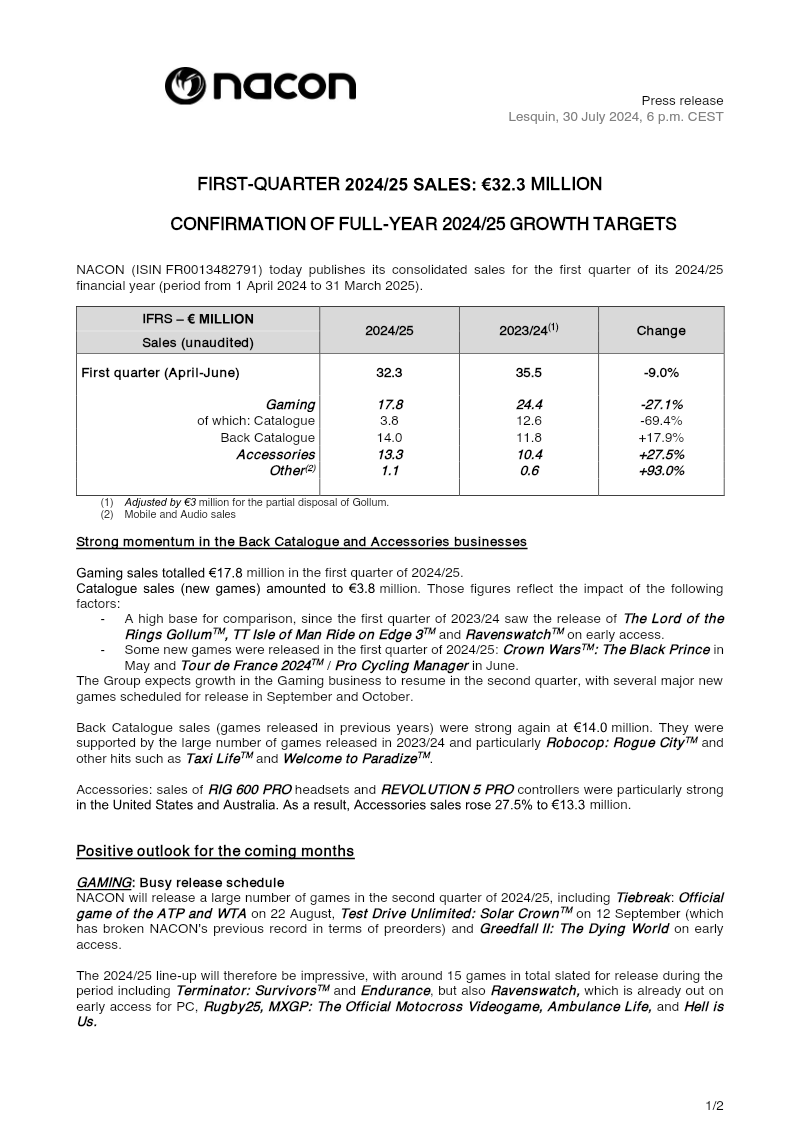
Nacon · 2024
Video Games Europe · 2024
Ipsos · 2024

Video Games Europe · 2024

Sony Group · 2024

Sensor Tower · 2023