1 free read left. Create a free account for unlimited reading + AI research.
Create free account
Using wearable devices to game the health and wellness market
Key insights
6 takeaways- 01Leveraging wearable data addresses the primary challenge of user retention in digital health applications by creating dynamic, adaptive experiences tailored to individual health needs.
- 02Developers must balance game design—prioritizing fun, social interaction, and timely feedback—with clinical rigor to ensure accessibility for diverse demographics, including the elderly.
- 03Integrating real-time wearable data into mobile games enables personalized, evidence-based behavioral change rather than superficial gamification.
- 04Future growth in this sector is expected to expand beyond physical activity tracking into mental health support and chronic disease management.
- 05Successful health-focused games must undergo clinical validation mirroring pharmaceutical approval processes to secure partnerships with healthcare providers and government services.
- 06The industry is shifting toward a hybrid model where gaming mechanics function as a delivery system for medical interventions, moving away from generic health benchmarks.
Ask AI about this video
Transcript
[Music] yeah the future is grim we are on the verge of a healthc care apocalypse that will go and send us back into the Dark Ages it's up to you to lead the fight and help save mankind that kind of sounds like the BL of our new game the real thing is that's actually real life that's what happening to our Healthcare Systems I'm richel I'm the CEO and founder of app attic we're a med tech games company and what I'm going to talk to you today about is games wellness and wearables and how we can revolutionize the Healthcare System I'm deadly to if you want to follow me on Twitter that's generally how I interact with most people if you do follow me see if you do Follow Me Be Warren that's what it looks like I like cats I play play games I spend time with my family
and I do try to exercise H when I can but probably the most important thing for you is the my background um I'm pretty much a nerd I've been CTO software architect lead tech Chief nerd whatever you want be in many companies I've creaded over 400,000 actual mobile apps I've architected them with our app builders that was my original background so I'm a real mobile fan originally apps um and now I'm more in the gamees Medtech was always uh my personal interest mostly because I want to be healthy and I'm not healthy and I want my family to be healthy and it's tough um I spotted the opportunity a few years ago for games rather than apps and wearables and that's kind of where we are right now give you context we're a revenue driven company H we're profitable we haven't had to take investment so it's working out so far for us um I'm a big wearable fan so much so I got two on me I'm guessing maybe
one or two of you I have lost the mic um maybe you aren't wearable fans but I'm guessing one or two of you have wearables and the idea is if IID said that to you 12 months ago or two years ago or 3 years ago when I was using wearables you would have maybe thought it was a bit crazy um H people in my industry were telling me it's a fad weables are great we have all this data but even if you aren't a wereable fan we all have mobile devices and the great thing that I of about our mobile devices and our actual weables is they actually know you real you someone said to me once they know more than your spouse they know exactly about your physical health your general activity your mental wellbeing sorry I just noticed that my slides normally look a wee bit prettier something obviously happens in Translation but that's okay um so they know all this information about you they're always with you and uh as a healthcare professional or someone who's looking after your health and wellness this is Vital Information but there's a really massive problem who cares who
cares most people don't care I wear my wearable and lots of people do but do you really care what this means does your doctor care no your doctor doesn't have time this is just data it's lots and lots of raw data they need it as information so I'm just going to put a caveat in that that first problem is something that we have solved and are solving in the company and I'm not going to talk about today but we are able to send the data to your clinician I'm really talking about how we Engage The End user through games so we actually have data for the con condition and the big problem is that people wear wearables but they aren't engaged they we need to hook them in we need to hook them in to keep giving us that data keep them engage that whole idea of retention and when we have them in how do we get them to make a change how can I be more active how can my biggest issue is I eat crap and sleep 3 hours a night how do I make that how do I make that change so it's very much um a problem for me and I think a lot of us all have our own issues whatever we might want to solve um and a few years ago when I was making
apps and in this space that I really realize that games are way more engaging games genuine mobile games and if we're generating all this data from mobile phones why don't we keep the user on the mobile devices so I'm going to suggest today that the answer to those two last problems are actual games and that's very much where my company sits and what I'm going to chat to today is really about what we've been doing over the last two years the mistakes we made how we're making it better and the engagement that we actually have with the NHS in the UK and the Department of Health in the UK and how they're actually embracing this and this is quite a new market um so when I say Healthcare and I say games everybody always thinks I am talking about gameification it's beyond that yes that's where we start out gameification is leaderboards and badges and anyone in the who has a Fitbit or Microsoft you all know the challenges you all know that you compete with your co-workers it's all these kind of things it's gamification it has its place but we think it's quite superficial and we're researchers at
trade and we know this and we've looked into it and we actually came up with some very smart people much smarter than me they're still academics so they definitely are smarter than me um and they have been able to help us figure out that it has to go beyond gameification we need to create a real game and that game needs to be these six things it needs to be fun we need to structure the fun so that people can actually find a challenge and make it an impact we need to give them relevant and timely feedback it needs to be social and if it's social need to have an identity so you're all game developers caveat is I didn't start out as one so the idea is that maybe this is obvious to you less so to us but more importantly this isn't just about making a fun game this is actually about making a game that makes an impact these are the things that we know that are going to help us change something and that's where we really in so when we're making our games this is kind of like our road map every time we add something do something does it hit this criteria does it add to it so what I'm going to talk now about is an actual game that we made
um it's called bitrun H bitrun very much started out as a research prototype and the original concept was I love my Fitbit I had one of the first fitbits and I wanted to do something really interesting I wanted to train that data that you see on the left I think that was my first Dan Vancouver at the weekend while I was writing these slides and translate that into an actual game not just gameification I want to play the data and um what we did was create a runner game mid sense steps runners not too big of an abration and that's pretty much what we did research prototype the company had some funding from revenue that's what we threw it into um and we just made it data driven or data driven um whatever you want to say that all games are data driven they however we generate levels how we interact with each other it's all data we just got the data from somewhere else so we were using steps universal sign of activity we were using activity actually
how you were exercising how heavily you were exercising was it a light jog was it quite intense and then sitting so steps and activity are positive things we would reward them and steps got points activity became collectibles in the actual game world and then we determined when you were sitting when you're were being sedate maybe you've heard the phrase sitting is the new smoking sitting is bad that we should be walking around at least 2 minutes maybe 250 steps per hour and this is where we would pain You by adding in extra obstacles so if you sat a lot during the day the game was pretty much rock hard and very difficult to complete and that was our first iteration of the game um really simple um didn't take over too long to develop but while we were developing we had to have these considerations that where we were using the data to generate the game we had to keep thinking we want to generate change so when I went to the game devs they'd be like right you were very active today um so that means we want to speed up boost speed up boost actually made the Day game difficult so we're making the
game difficult for people who are doing well so we always have to think back is this making sense in our grand scheme and our grand fan the other thing is our game day as who go and do their own research in the health and wellness that everybody should be taking 10,000 steps and aiding this and doing that we're in healthcare Healthcare is personalized these days 2,000 steps for one person might be fantastic and 8,000 steps for someone else might not be that great we need to be able to personalize it so no we were really against society's norms and we still are and that sort of leading us accessible for all the game had to be very accessible cuz some of our demographic is over 65 they're on medications they have mobility issues and there was a brilliant talk earlier on about accessibility and that's kind of what we were keeping One Touch Simple Touch taking that into consideration at the same time so that's kind of all that we did for the first version and uh to be honest wasn't that simple we made mistakes these are just some of them and I thought I would highlight first of all I'm med tech I'm a researcher I made
mobile apps how difficult could it be to make a game not so um so it was Health was the main focus for me and I really brought in the really key game designers and developers into me I'd already made some of the key decisions and to be honest I shouldn't have been making them it's okay to stick with a runner that was a good decision we we've worked through that um but ultimately they should have been in much earlier I also put Behavior first I was so focused on the research of how do we actually make change kind of forgot this is a game people need to want first of all so the idea is that we can make change if we get you involved but we had to get you involved so we kind of forgot that we put that way too up high up the list before engagement and then there was this lack of cohesion it's it's actually much more difficult to get sort of this kind of Health app game thing to mix get our messages just right H without feeling a bit too clunky and that that was a real issue too there's a few other things that didn't make the slide along the lines of we didn't think too much Beyond retention of 30 days um sort of because we were doing it as a
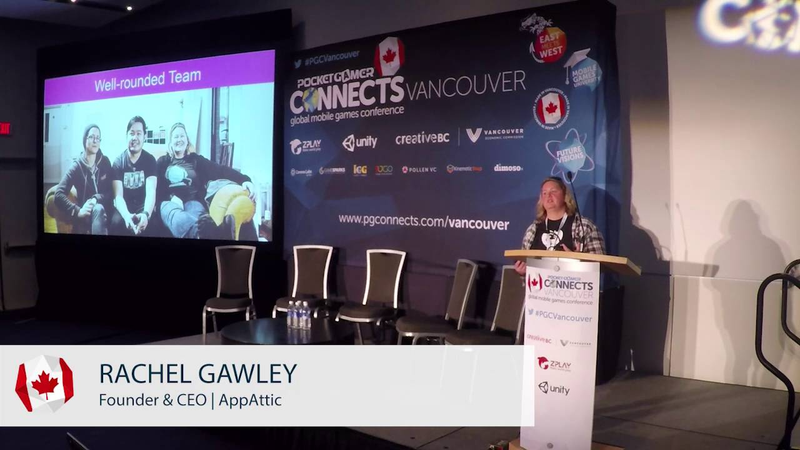
research prototype we didn't have as much time to add those features in but that kind of idea that we did make mistakes and we learned from it but the really good thing is even though we made mistakes people bought into it um the Department of Health in Northern Ireland the NHS is loving what we're doing they see the real need they see we did tests we had user grips people were engaged the initial tests were so good that we have continued along this path we have revenue from our game so we're able to do this and we able to address all the issues that we might have had the first round R and so about 12 months ago to address all these issues I started to create this kind of well-rounded team we were very techy very research focused but techy light on the game side so now we have three main teams we have the research team kind of headed up by me CEO whatever the techie kind of on that side of things we have a Game Dev side we have the person who runs all our game development or game design and he Leep guy and then we have the user side of
things so we have this advocate for the patient or the person who's going to be the end user and every decision we make all three of us come together have to say having an odd number is kind of cool because it means there's no steal Ms so if we we do have doctors and nurses that input into it but we kind of keep them outside the process and just let them feed in and that's sort of how we work I'm kind of updated our process it's much more complex than this but the idea is that on the left hand side we have our six key factors that our game must be and then the right hand side is the game kind of Health outcomes for that game so it might be people to take their medicines on time and better maybe people to check their blood pressure to eat better to exercise more to sleep better whatever it is we need to have those and they need to match up and every decision we need to make needs to go through that and check at every point if you let it go too long they'll end up being out of sink and that's a big thing and we do that through fantastic communication so in this instance I was losing clearly and these two were
ganging up on me but that's the whole point you know we aren't we're kind of free enough to disagree with each other we're free enough to be able to say no I don't like that and give her reasons and that's kind of the way the company Works our current status is that we are developing current 2.0 of two games one game is bit runs the one about getting people to be more active and the other one is uh a medicines management app or game shall we say the idea is that we're encouraging people to take their medicines on time um actually take them and even tell us when they're not taking them why they're not and this becomes the entire game World they compete against their cohorts so if you have COPD or diabetes you're actually competing against people who have the same kind of conditions so you have that kind of CH arery as well so we're pretty much developed on both of those September releases um probably the biggest thing for us is that we actually do clinical trials our clinical trials go through ethal approval the same way a
new drug would so we are really stringently checked um in the it's not pretty it's not pleasant to be honest but we do it cuz we need to prove that what we're doing actually makes a difference otherwise we're just making another game and um to be honest if we were just relying on that I'm not totally sure my company will be around this time next year so we really need this clinical validation and the NHS bought into it h we're at the process of just rolling out the trial for the medicin um management um game and the kind of bit run esque is we're going to be trial later in this year um it'll be trialed with younger adults and the medicines management is probably 18 to 65 so we do have a quite diverse range and the best way to describe this is It's like a yearlong very intensive focus group with lots of data because we've written our own data analytics so we know all about these people their lives what they do what medical conditions they have we see them all the time so it's probably the most in-depth Focus script we'll ever get and have no attachment to us or them so they'll be
pretty horrifically brutally honest which is probably we can't even buy that kind of feedback so it's really really great even from us and from a game development side so we're really happy and most importantly the NHS the Department of Health we are really supported with they have bought into this so this they see games as a potential solution they see games as a potential solution but because that we came from that background we have that kind of academic credibility we've researched it and we're kind of brought all the right stakeholders together so we know earlier I kind of give you the Doom and Gloom of the Fisher bit GM and all honestly if you read my Twitter I think the future is really bright and part of what I want to do is create that kind of bright tomorrow and that the bright future that we have and I think the future is really bright for games if you're a game developer now there's all these diversity markets out there there's Health there's defense there's data processing games are being used for all these wide variety of things and um key tip is that you need to have the expertise in those areas to use games but if you can there's actual
Revenue so from a small company with nothing else behind me we went straight to revenue which is nice and um we're able to expand our time we haven't had to take investment we're getting really good backing uh from our customers that's really really good so I think the feure is right if you can work out these markets and get into them H and do it well and validate it the other thing is that I think there's this kind of idea of a game app hybrid some of ours sort of are halfa because we have to track some things and then they have this game element and we've noticed that Unity we use unity and it has more UI kind of elements coming in which is great so it means we can continue on with them so this kind of hybrid thing and it's something that we struggled with maybe a couple of years ago and we see that games are going there but it's a slightly different development style and um VR I'm kind of glad I added this line in like yesterday um because honestly I'm not an AR or VR fan and never was and I've been denying it in the company for a long time until recently and you
know what changed my mind it wasn't just experiencing it last week before I came away I was chatting to some of the senior health officials and they gave me a couple of problems and I've been while I was on my very long flight I've been thinking about Solutions because we use games as a solution it's not just about being fun these are solutions to real problems and then I went and tried the Vive and it clicked the problem they were having VR and AR actually could be a genuine solution it's not just the case of using VR or ar for for the sake of it or making it fun actually could provide generis so now I'm convert so I emailed the guys back at home and said go buy all that stuff that I said no to after GDC so they're a very very happy team and so I really do think the future is bright but I just kind of want to land on this kind of end Vision this is actually our end Vision because this is a gamees talk I have gone very light on our Medtech background and what we're doing but we are collecting lots of data it's not data about this is data about user retention all those kind of things
but we're using it for medical purposes we think that the 2030 we'll all have personalized medicine I'll be getting the right drug treatment for my genetics for who I am where I am that point of life but to do that we need this kind of data that's floating around in my mobile phone in my back pocket right now we need it from the wearables but we need to start collecting it now and that's sort of where my company has positioned itself so yes just chatting all about the games we do have this really serious backend system and that's kind of where we fit into our 2030 vision for the future thank [Applause] you so as always um are there any questions at this point for Rachel no I I I'm going to jump in though it's just something you alluded to at the end though but my partner is a psychotherapist and I didn't I just wondered obviously you mentioned Von whether you think there's a scope to use this sort of idea but for mental health disorders as well I think so um one of the big them that we have noticed we
very much focus on physical health at the minute and the requests that we are getting very much our mental health and I think yes and I think for us to to answer that question properly I would need the actual problem cuz we all problem but I would say um at a first glance yes and the key thing is you need those experts in and uh may be one of our future topics I can't say that's that's good to hear cuz my partner agrees so yeah um any others yep we've got one here you currently monetizing are you doing it seems like a great model for a subscription um yes it's subscription and the NHS or Department of Health or the UK government payos basically and they subscribe to it and they take the games and then they distribute it to people so if that was in America that's kind of like a healthcare provider buys the subscription and then puts it out to their people who they buy their Healthcare not on the App Store um we did a bit of testing with one of them the bit runs on the app store and just actually get some outside user data to
help validate what we were seeing in the user groups um we are heading towards that um we do have really good revenue from our current customers but we think public release and that kind of public private kind of thing there's a nice balance in [Music] there
Summary
The integration of wearable device data into mobile gaming offers a transformative approach to healthcare, moving beyond superficial gamification toward evidence-based behavioral change. By leveraging real-time data from wearables—such as step counts, activity intensity, and sedentary periods—developers can create dynamic, personalized gaming experiences that incentivize healthier lifestyles. This methodology shifts the focus from raw data collection to actionable health outcomes, addressing the critical challenge of user retention in digital health applications.
Successful implementation requires a multidisciplinary approach that balances game design with clinical rigor. Effective health games must be fun, social, and provide timely feedback while maintaining accessibility for diverse demographics, including elderly users or those with mobility issues. Research indicates that games should be structured around specific health goals, such as medication adherence or increased physical activity, and validated through clinical trials that mirror the stringent approval processes used for pharmaceuticals. This academic and clinical validation is essential for securing partnerships with healthcare providers and government health services.
The current industry landscape shows a shift toward a hybrid model where gaming mechanics serve as a delivery system for medical interventions. By utilizing data-driven development, companies can create personalized experiences that adapt to individual health needs rather than relying on generic benchmarks. While initial efforts often focus on physical health, the potential for expanding these solutions into mental health and chronic disease management is significant. As the industry evolves, the convergence of mobile gaming, wearable technology, and advanced data analytics is positioned to play a vital role in the future of personalized medicine, with healthcare providers increasingly viewing these platforms as viable, scalable solutions for patient engagement and long-term wellness.















Comments