1 free read left. Create a free account for unlimited reading + AI research.
Create free accountArticle GameRefinery
1 free read left. Create a free account for unlimited reading + AI research.
Create free accountArticleGameRefinery
RPGs and location-based games show high capacity for successful IP integration.
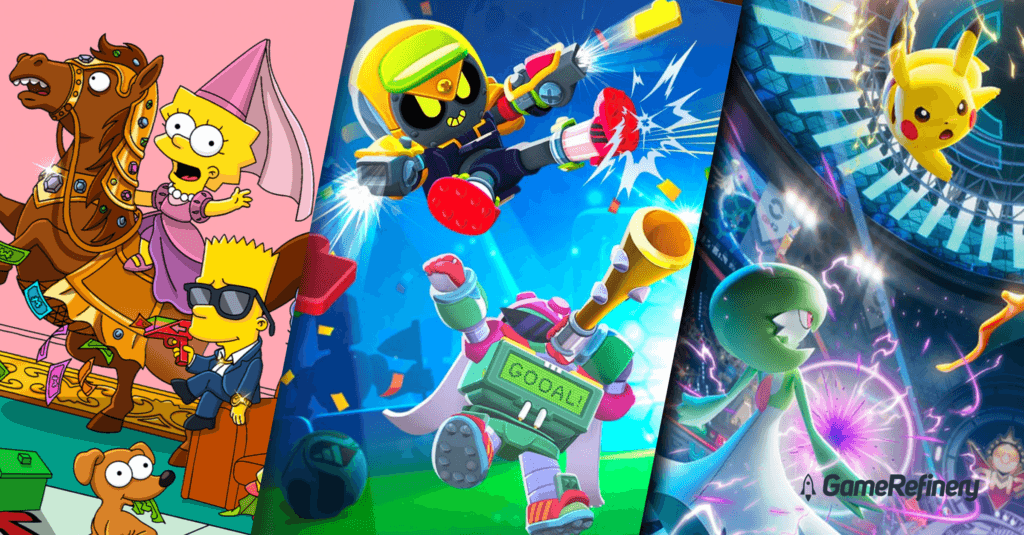
Third-party IPs have become a major force in mobile gaming, with 30% of the US top 100 grossing games and nearly 25% of the top 200 built on licensed properties, based on GameRefinery Market Explorer data. This 2019 analysis from GameRefinery's VP of Games argues that licensing is no guaranteed shortcut to success, and that returns on an IP investment depend on how well the license fits the product. It frames three interconnected considerations drawn from the company's market data and industry research, with a focus on the US market.
The first is genre fit. Casual Match3 titles have repeatedly used well-known animated film and pop icon licenses without breaking out, and none of the top 10 grossing Match3 games rely on a third-party IP. Mid-core RPGs, by contrast, show a much higher ratio of successful licensed titles to unlicensed ones, since IPs bring characters, stories, and lore that the genre can absorb. Location Based games benefit similarly, as the top three in the US all use hugely popular IPs, with Pokémon GO cited as the model of seamless integration.
The second is feature-set fit. Even within IP-friendly genres, the license must support the game's core and meta features. Character collection RPGs need IPs with large, distinguishable casts and rich lore. Blade Runner Nexus is flagged as likely to struggle with roster diversity, and Harry Potter: Wizards Unite is contrasted with Pokémon GO because it has players collect inanimate "Foundables" rather than characters, weakening a collection-and-development feature set.
The third is demographic fit between the IP's audience and the game's mechanics. Casual-skewing IPs paired with complex mid-core design risk alienating both groups, with casual players overwhelmed by the gameplay and mid-core players deterred by the IP. Disney Sorcerer's Arena, a tactical battler, is compared with Marvel Contest of Champions as an example of this mismatch. The conclusion is that genre, feature-set, and demographic alignment must all be considered together, since poorly integrated IPs produce suboptimal results and weaker KPIs.
GameRefinery · 2026
Two & a Half Gamers · 2026