Key insights
7 slides
The core dispute
The strike centers on protecting performers from generative AI use.
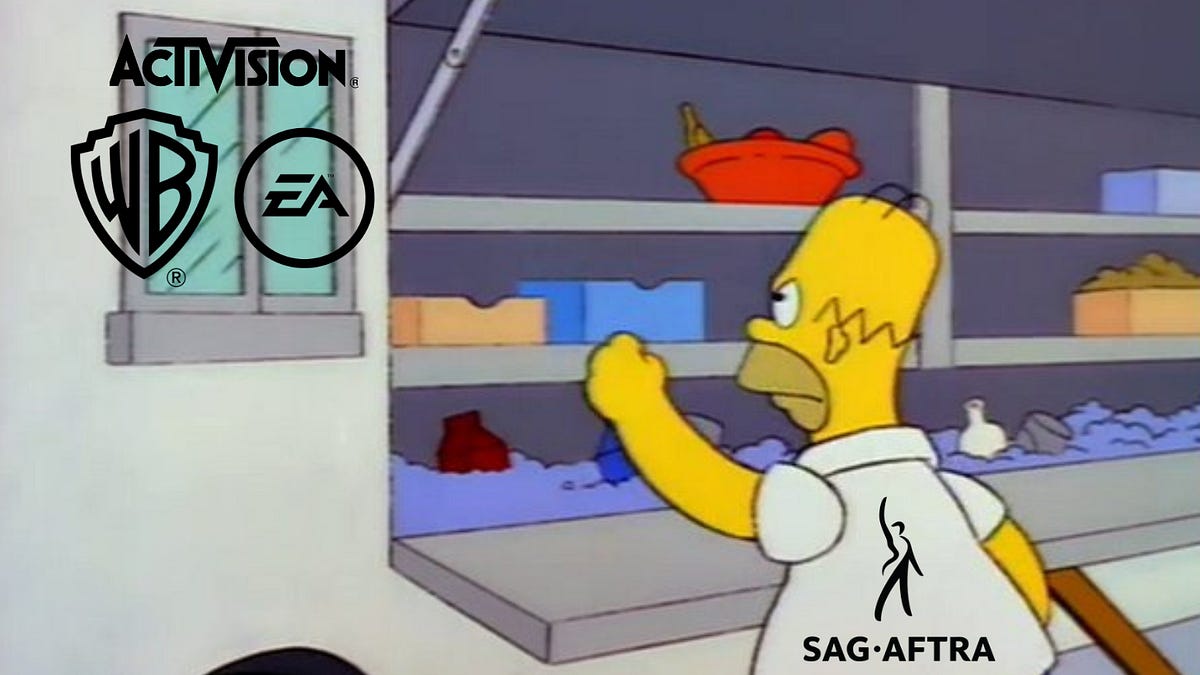
SAG-AFTRA is striking against ten major video game companies. The dispute focuses on securing protections against unauthorized use of voices and likenesses in generative AI models.
Who is affected
Non-speaking motion and stunt artists lack AI protections.
The dispute highlights a critical failure to extend AI protections to non-speaking motion and stunt artists. Their work is at risk of being converted into generic training data.
Production continuity
Projects commissioned before September 2023 are excluded from the strike.
Major publishers anticipate minimal near-term disruption to their current pipelines. The strike does not apply to projects commissioned prior to September 2023.
Structural insulation
Decentralized industry structure insulates publishers from immediate threats.
The video game industry's decentralized nature provides major publishers with structural insulation. Long development cycles mitigate the immediate threat to production.
Geographic leverage
Companies can bypass restrictions using non-union talent in other regions.
Unlike the film industry, the video game sector relies on localized talent pools. Companies can utilize non-union labor in international development hubs to bypass restrictions.
Long-term precedent
Resolution will establish precedents for generative AI governance.
The strike remains a significant indicator of growing tension between labor and technological integration. Its resolution is expected to establish important precedents for generative AI governance.
Overall assessment
The strike is unlikely to halt the video game industry.
The strike's actual impact on the gaming sector will likely be limited compared to previous film and television labor actions. It serves as a critical test case for managing human creativity versus generative AI.
1 / 7
Ask AI about this report