The global game industry is currently navigating a period of profound instability characterized by widespread labor volatility and shifting technological paradigms. Over the past two years, 28 percent of industry professionals have experienced layoffs, a trend driven by aggressive restructuring, project cancellations, and budget tightening within major AAA studios. This economic contraction has created a precarious environment for entry-level talent, as students and educators report diminishing career prospects. Compounding these challenges, the industry faces significant operational strain from persistent labor demands, with 87 percent of full-time employees reporting regular overtime or crunch, often exceeding 50 hours per week.
Technological adoption remains a point of intense friction, particularly regarding generative AI. While over one-third of developers utilize AI for coding and brainstorming, sentiment has soured, with a majority now viewing the technology as a threat to job security and ethical standards. Infrastructure preferences are also evolving, as Unreal Engine has surpassed Unity as the primary development tool, and the PC remains the dominant platform, bolstered by the rising popularity of the Steam Deck. Meanwhile, the investment landscape has tightened, forcing many developers to rely on self-funding as regulatory pressures regarding age verification and payment processing create additional hurdles for independent creators.
In response to these systemic pressures, there is a marked shift in labor relations and workplace culture. Support for unionization has reached 82 percent among US-based professionals, reflecting a desire for greater collective bargaining power amidst ongoing burnout. Furthermore, the industry is grappling with the intersection of global policy and internal culture, as US immigration and social regulations complicate international business, and marginalized workers report significant changes to diversity, equity, and inclusion initiatives. Despite these headwinds, the sector continues to prioritize accessibility, with one-third of developers actively integrating inclusive design features into their projects.
Game Developers Conference · 2026
Game Developers Conference · 2026
Game Developers Conference · 2026
Game Developers Conference · 2026

Informa Tech · 2026
Game Developers Conference · 2026
Game Developers Conference · 2026

Game Developers Conference · 2026

Game Developers Conference · 2026

Game Developers Conference · 2025

Game Developers Conference · 2025
Game Developers Conference · 2025
Informa · 2024
GDC
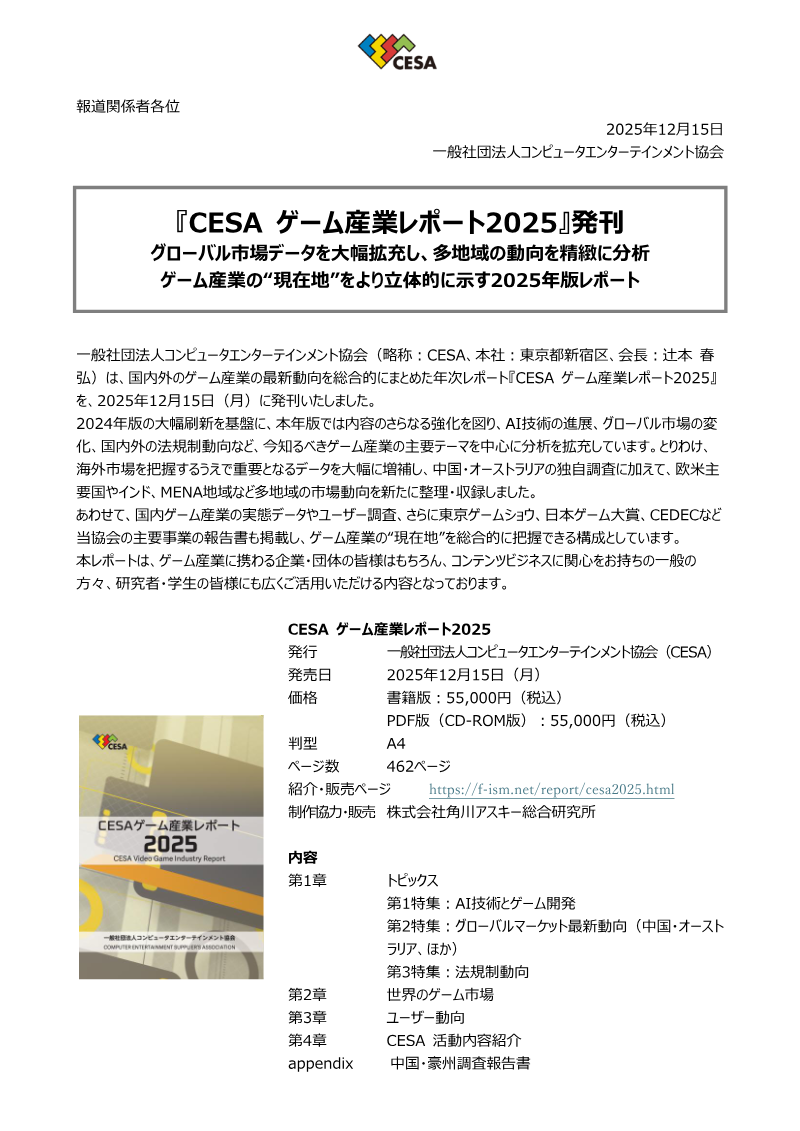
CESA – Computer Entertainment Supplier's Association · 2025
GDC · 2025
Konvoy · 2025
Google Cloud · 2025
Game Developers Conference · 2025
Drake Star Partners · 2024

Perforce · 2024
Game Developers Conference · 2024
Perforce · 2023
GDC · 2022