1 free read left. Create a free account for unlimited reading + AI research.
Create free accountWhitepaper DiGRA
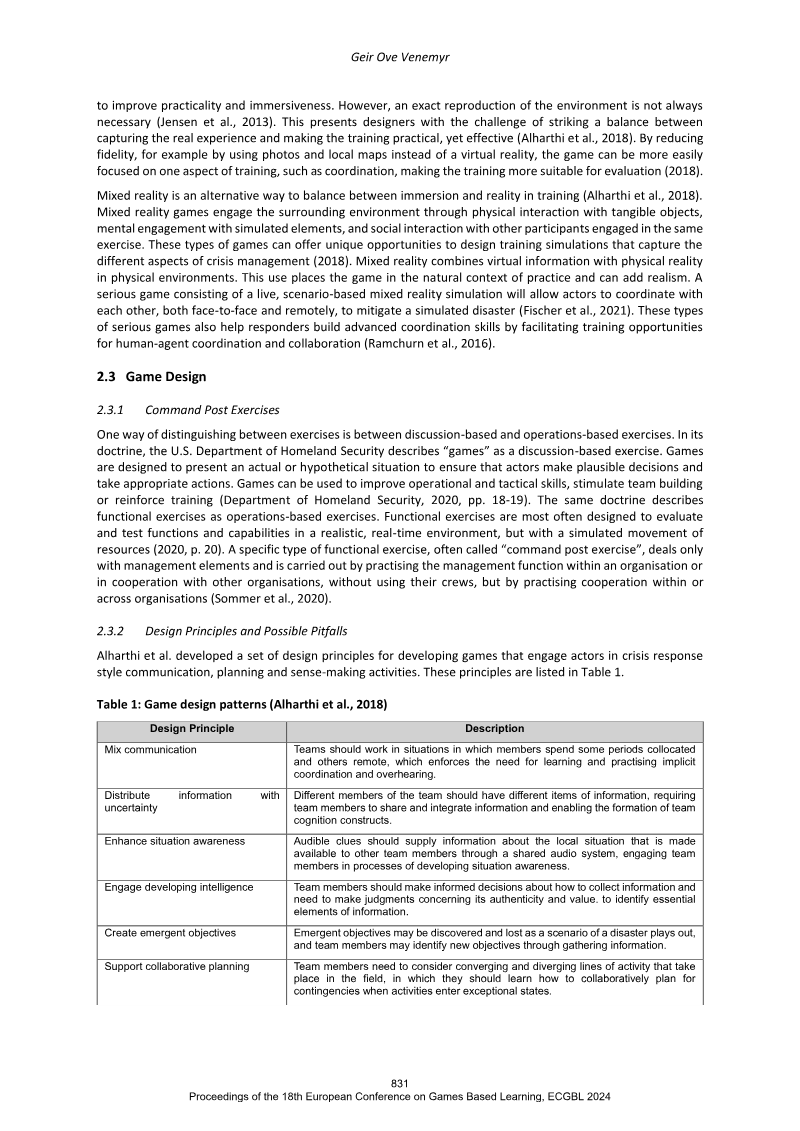
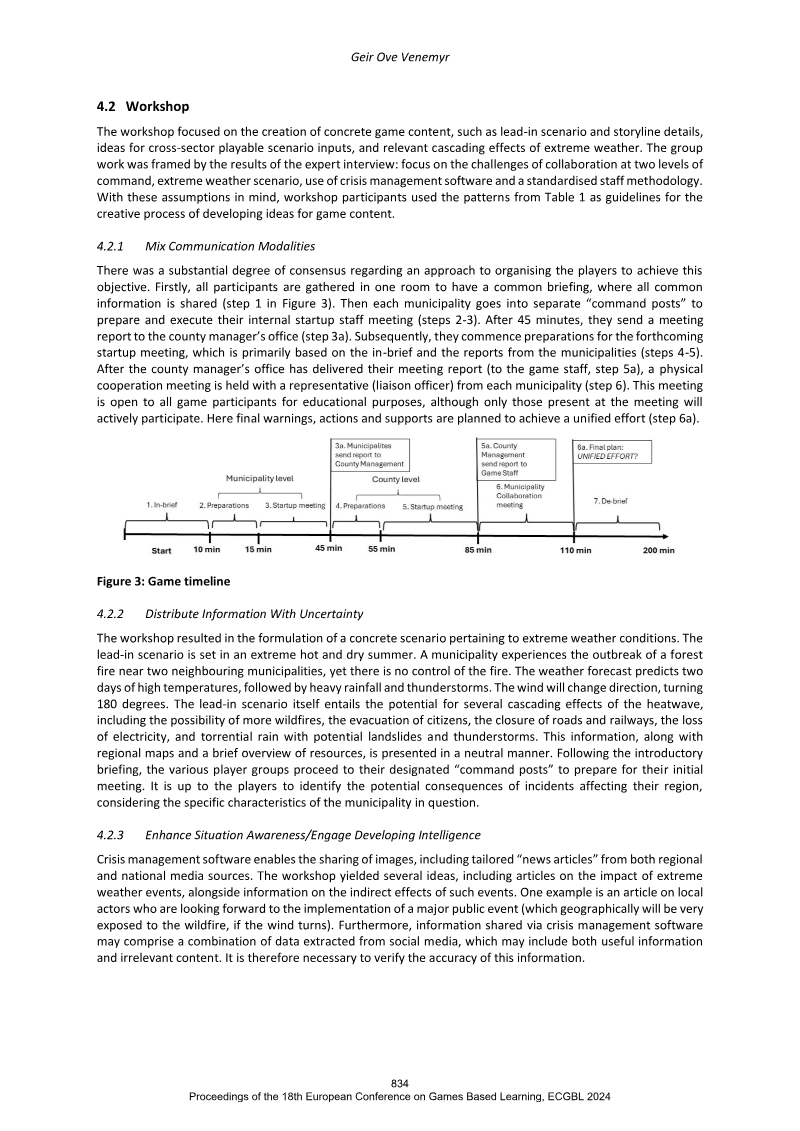
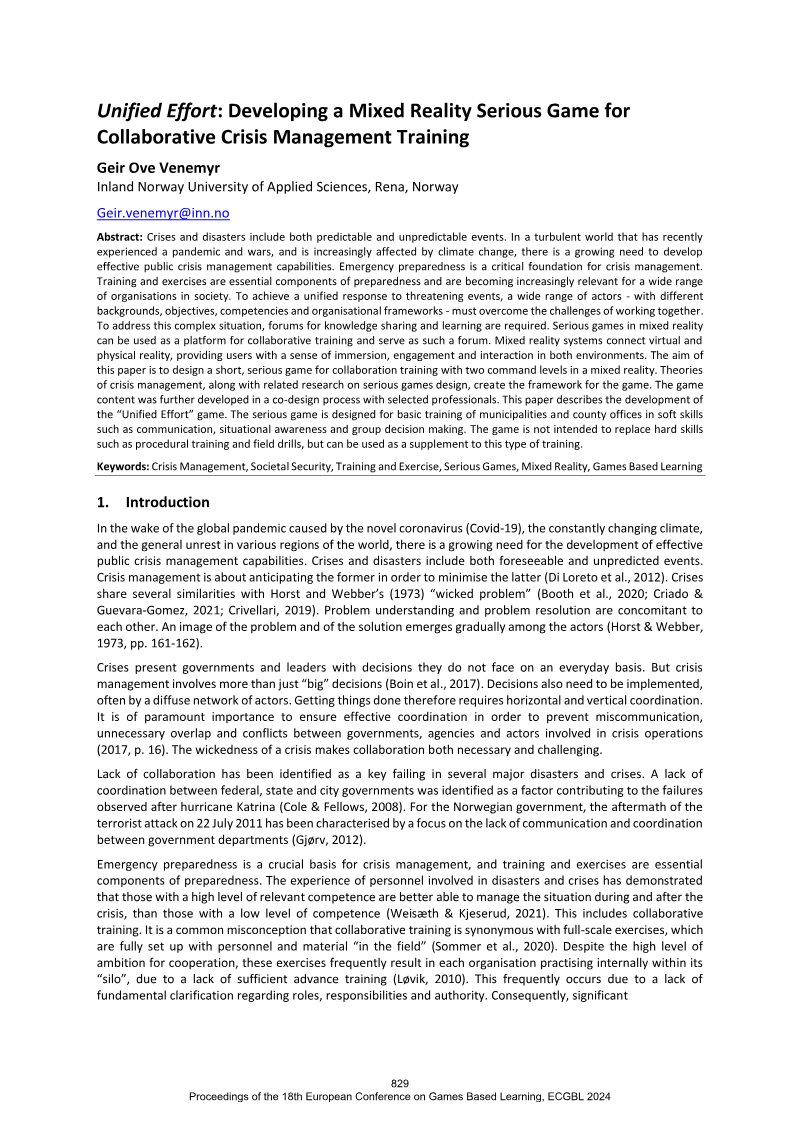
1 free read left. Create a free account for unlimited reading + AI research.
Create free accountWhitepaperDiGRA
The paper argues that the study of fashion games has been shaped mainly by commercial and marketing perspectives.
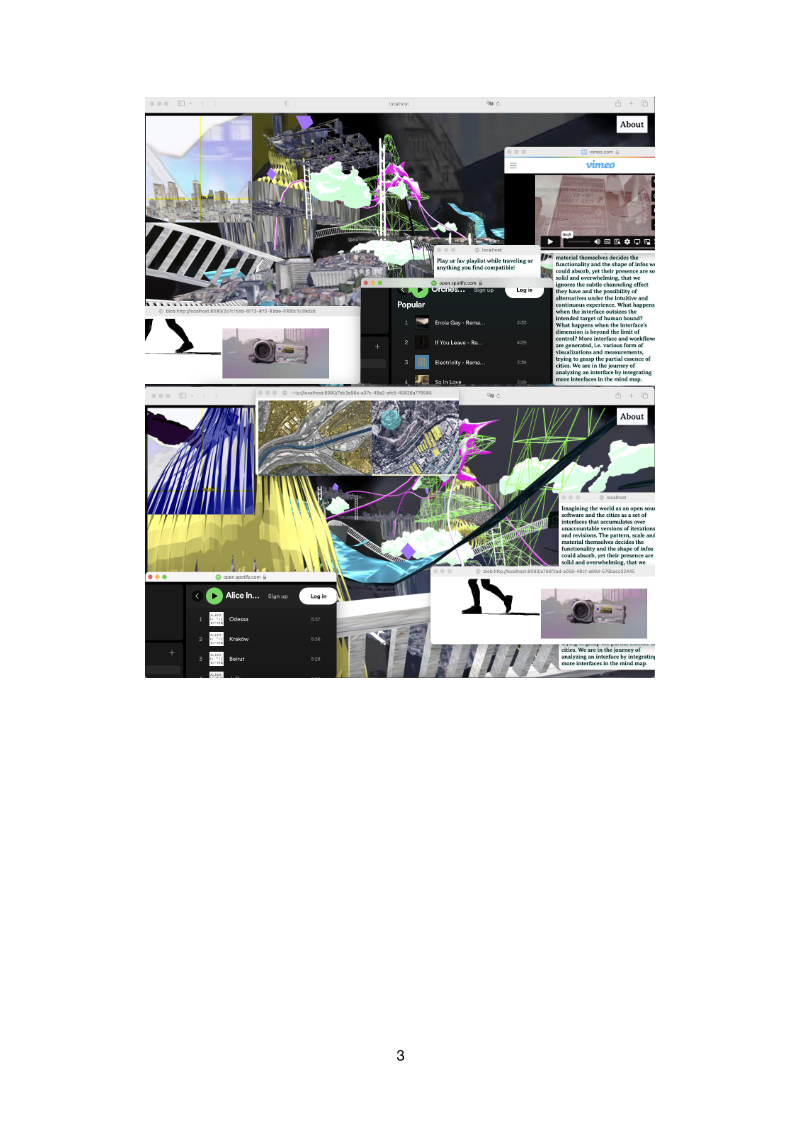
This paper argues that the study of fashion games has been dominated by commercial and marketing perspectives, most visibly in branded advergames such as Balenciaga's browser-based Afterworld: Age of Tomorrow, and that this framing produces a fragmentary understanding of the field. Its central proposal is a media archaeological approach that recovers marginalised, disordered, and overlooked ludic fashion artefacts and discourses, rather than attempting to define fashion games or trace a single origin story. The author contends that such recovery can both illuminate the present and reveal how fashion and digital games have shaped one another historically.
The paper situates contemporary convergence within several strands of recent activity: the use of game engines and 3D modelling in virtual and NFT-based garments, augmented reality try-on tools, fast fashion and luxury cross-promotions with gaming and esports brands, and the marketing value of reaching younger consumers during pandemic restrictions. It draws a parallel with fashion film, where critics have long argued that commercial promotion overshadows artistic substance, and cautions that similar binaries may limit the study of fashion games. The author treats the commerce-versus-art tension as only one dimension of the field.
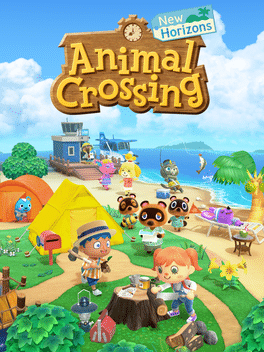
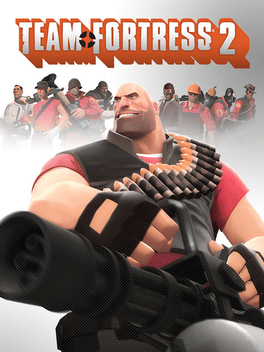
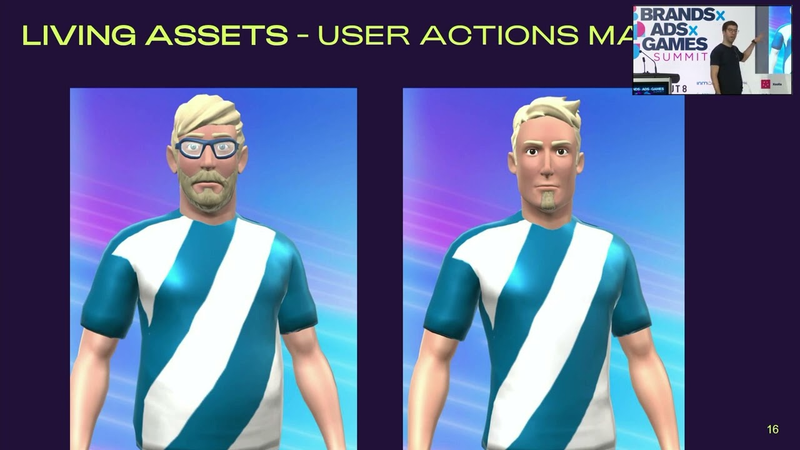
The methodology is conceptual and programmatic rather than empirical. The paper outlines planned research grounded in media archaeology, drawing on the work of Parikka and Sobchack, and offers illustrative cases to demonstrate the range of questions available. These include cosmetic item economies in Team Fortress 2, identity formation through virtual fashion in Second Life, and political messaging in user-designed clothing in Animal Crossing: New Horizons. The examples are presented as multiple entry points rather than a definitive history, reflecting the paper's aim of decentralising fashion games from any single interpretive framework.
DiGRA · 2026
PocketGamer.biz · 2022